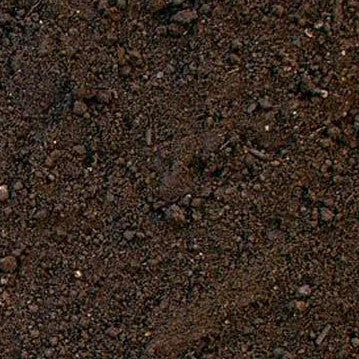
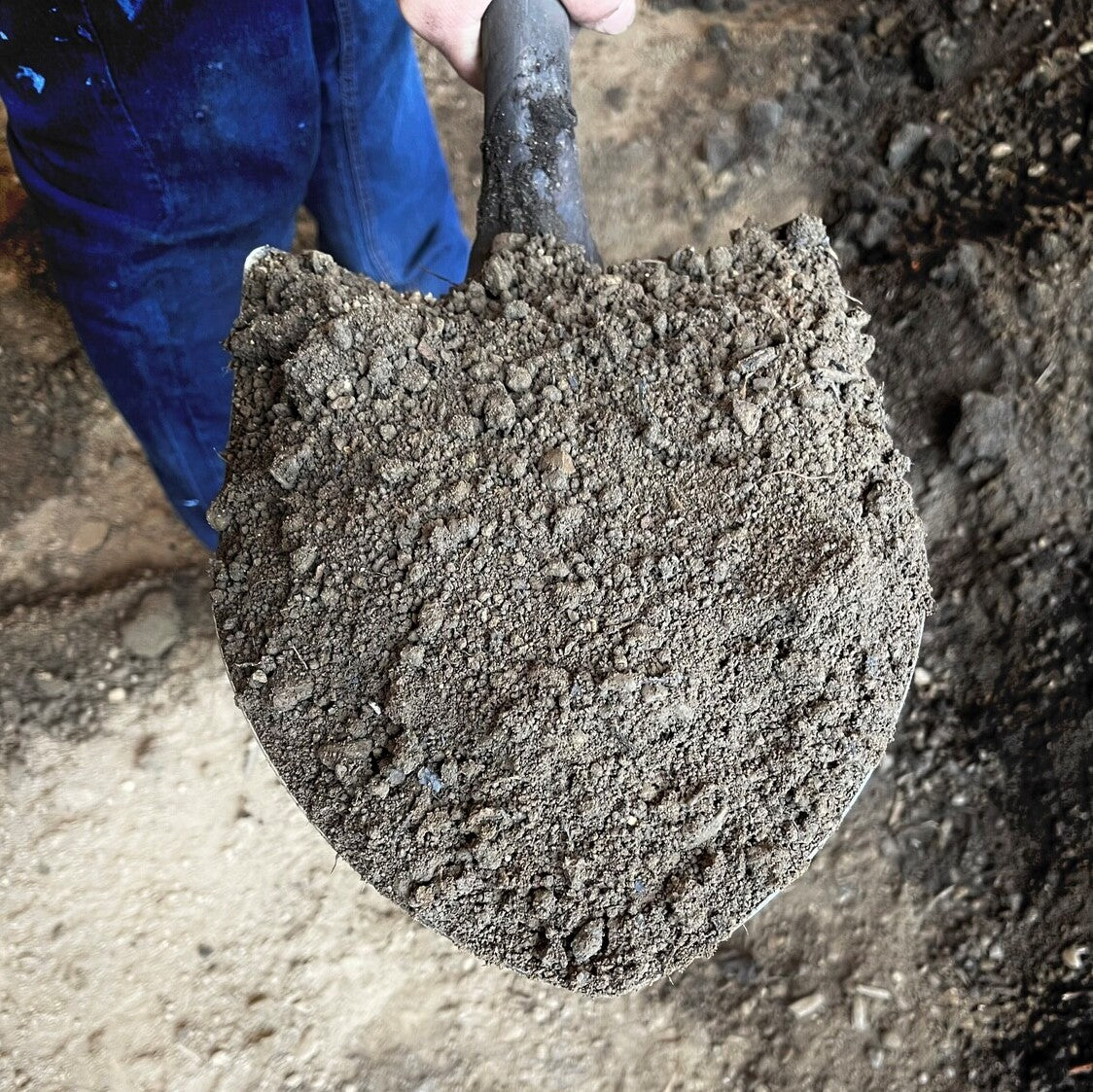
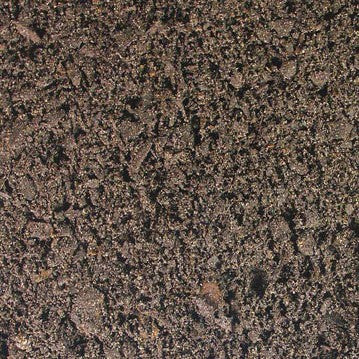
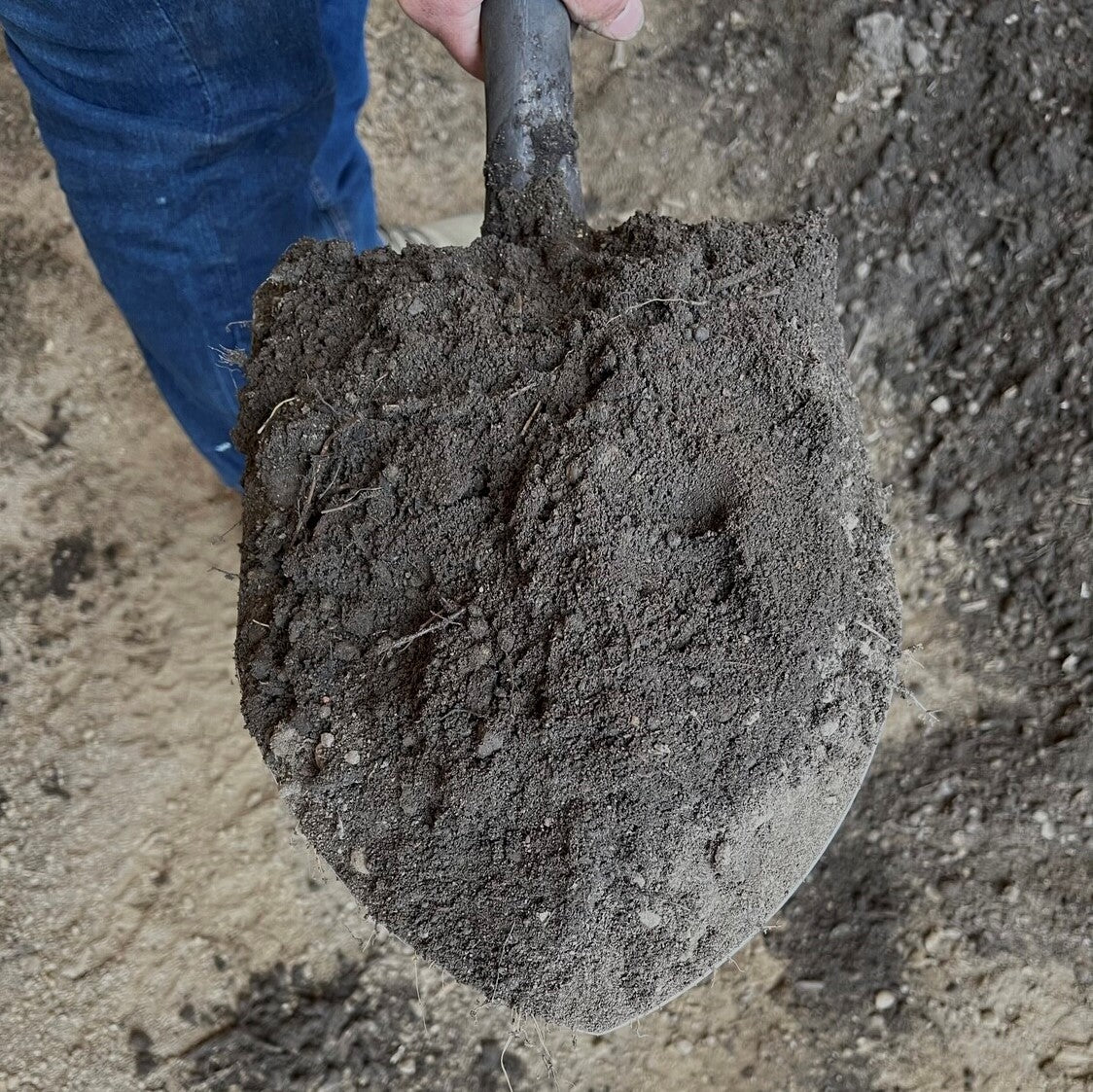
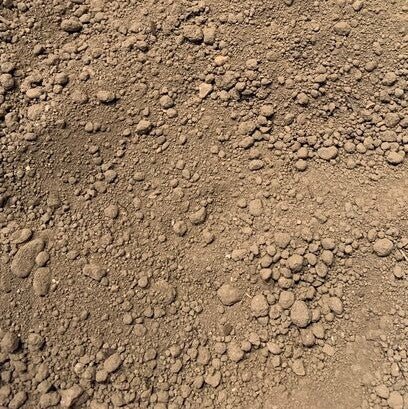
Quality topsoil for lawns, gardens, and landscape projects. Nutrient rich and ready to support strong root development and healthy plant establishment.
Ordered the planting mix with an early Saturday delivery. Super easy ordering experience. Dirt was delivered on time and delivery driver was kind enough to let us know I would take up more room than we though so we could pull cars out of the garage. Will be ordering again
Quality topsoil for lawns, gardens, and landscape projects. Nutrient rich and ready to support strong root development and healthy plant establishment.
Ordered the planting mix with an early Saturday delivery. Super easy ordering experience. Dirt was delivered on time and delivery driver was kind enough to let us know I would take up more room than we though so we could pull cars out of the garage. Will be ordering again
How Much Material Do I Need?
For garden bed prep in Bethpage, adding 4 to 6 inches of quality topsoil worked into the existing sandy loam is a solid starting point for most planting applications. Lawn leveling projects typically require 1 to 2 inches spread evenly across low areas, raked to blend smoothly into the surrounding grade without creating abrupt transitions.
Use our free soil calculator
What is a yard?
A yard is approximately 27 cubic feet. As a general guideline, one yard of material can cover an area of about 100-160 square feet at a 2-3 inch depth.
Ordered the planting mix with an early Saturday delivery. Super easy ordering experience. Dirt was delivered on time and delivery driver was kind e...
Read full review
Ordered the planting mix with an early Saturday delivery. Super easy ordering experience. Dirt was delivered on time and delivery driver was kind enough to let us know I would take up more room than we though so we could pull cars out of the garage. Will be ordering again
To figure out how many cubic yards of soil you need for a Bethpage project, multiply the length by the width by the desired depth, all in feet, and divide that total by 27. For a raised bed that is 4 feet wide, 8 feet long, and 1 foot deep, that works out to just under 1.2 cubic yards. In Bethpage's sandy loam environment, plan for roughly 10 to 15 percent extra material to account for settling after the first rain events.
Complete Your Outdoor Soil Project
After building up beds with fresh topsoil, finishing the surface with a layer of mulch keeps moisture locked in and weeds suppressed through Bethpage's long growing season from April through November. Decorative stone borders around new beds add lasting structure and help hold soil in place on any sloped areas of the property.
How much topsoil do I need to fix the low spots in my Bethpage lawn?
For minor leveling on a Bethpage lawn, a 1 to 2 inch layer of screened topsoil spread across the low areas is usually sufficient to restore a smooth grade. Measure the square footage of the areas you want to raise and calculate accordingly. Because Bethpage's native sandy loam settles and compacts relatively easily, slightly overfilling low spots by half an inch allows for natural settlement after the first few rainfall events.
Answer
My garden beds drain too fast and plants seem dry all the time. Will adding topsoil help?
Yes, this is one of the most common complaints from Bethpage homeowners dealing with native sandy loam. Adding a few inches of quality topsoil or an organic-enriched blend improves the water-holding capacity of the bed and slows the rate at which moisture and nutrients move through the root zone. For best results, mix the new material into the top 6 to 8 inches of your existing soil rather than simply layering it on the surface.
Answer
When is the best time to add soil to garden beds in Bethpage?
Early spring in the weeks leading up to the April 1 last frost date is ideal, giving you time to work the soil and let it settle before planting begins. Fall is the second-best window, particularly in September and October, when you can build up or amend beds so they are fully ready the following spring. Avoid working sandy loam when it is saturated from heavy rain, as it is prone to compaction and structural damage when disturbed while wet.
Answer
Can I use bulk topsoil to build a raised vegetable garden in Bethpage?
Bulk topsoil is a great foundation for raised beds, though for vegetable growing you will want to blend it with compost or an enriched mix to boost the organic content that sandy loam naturally lacks. Bethpage's zone 7b growing season runs from roughly April 1 through November 15, giving you over seven months for vegetables. A raised bed filled with quality blended soil gives you complete control over drainage and nutrients from the start.
Answer
How deep should I fill a new raised bed with topsoil?
For most vegetables and perennials in a Bethpage raised bed, a minimum depth of 10 to 12 inches of quality soil is the practical standard. Root vegetables like carrots and parsnips benefit from 14 to 16 inches of loose, workable material. With zone 7b's long growing season, deeper beds also stay more thermally stable, warming up gradually in spring and retaining warmth further into fall without the wide temperature swings that shallow beds experience.
Answer
Will bulk fill soil work for grading around my foundation in Bethpage?
Fill soil works well for foundation grading as long as the final slope moves water away from the structure. In Bethpage, where 42 inches of annual rainfall is spread across all seasons, proper slope is important to prevent water from pooling against the foundation. Use clean fill to build the grade up and away from the building at a minimum slope of 1 inch per foot extending at least 6 feet from the foundation wall.
Answer
How does Bethpage's rainfall affect how fast topsoil settles after delivery?
Bethpage receives about 42 inches of rain per year, and that consistent moisture helps freshly placed topsoil settle and consolidate relatively quickly compared to drier regions. Expect some settling in the first few weeks after placement, particularly following heavy spring or fall rain events. For lawn leveling projects, this is completely normal, and planning a small touch-up fill a few weeks after the initial application gives you a much more level finished surface once the soil has compacted naturally.
Mulch Mound Pro Tip
In Bethpage, spring soil prep timing matters more than most homeowners realize. Sandy loam dries out quickly after winter and can become workable very early in the season, sometimes weeks before the April 1 last frost. Resist the urge to till or place topsoil during a warm stretch in March if a hard freeze is still possible. Wait until you are within a week or two of the last frost date, then move quickly to get beds ready while the soil still holds good early-season moisture.
Mulch Mound Pro Tip
When filling raised beds or doing grade work on a Bethpage property, compact each layer lightly before adding the next. Sandy loam-based fills settle faster than clay mixes because the particles do not interlock tightly, and loose placement can leave you with significant low spots after the first few storms roll through. A light tamping between layers, especially for grade work near foundations or walkways, produces a much more stable and level result that holds up over multiple seasons.
Mulch Mound Pro Tip
Bethpage's zone 7b climate gives you one of the longer usable growing seasons in New York, running over seven months between frost dates. Take advantage of that window by scheduling soil delivery in late September or October for spring bed projects. Fall-placed topsoil has the entire winter to settle, experience freeze-thaw cycles, and begin integrating with the existing sandy loam below, so when April arrives, your new beds are already consolidated and ready to plant without additional prep work.
The Unique Landscape of Bethpage
Bethpage's native sandy loam soil is workable and easy to dig, but it lacks the organic density needed to support nutrient-hungry plants and lawns without regular amendment or supplementation. Its fast-draining structure means fertilizers and water move through the root zone quickly, leaving plants underfed and stressed during dry spells between rain events even in a year with average 42-inch rainfall. For projects like raised garden beds, lawn leveling, or new landscape installations, bringing in quality bulk topsoil gives you full control over the growing medium rather than fighting the limitations of what is already in the ground. The zone 7b climate in Bethpage supports a long growing season running roughly from April 1 through November 15, so investing in proper soil preparation pays off across more than seven months of active plant growth. Grade corrections and bed builds done with quality fill also improve drainage patterns, which is especially valuable on properties where sandy loam has settled unevenly or washed following heavier rain events in spring and fall.