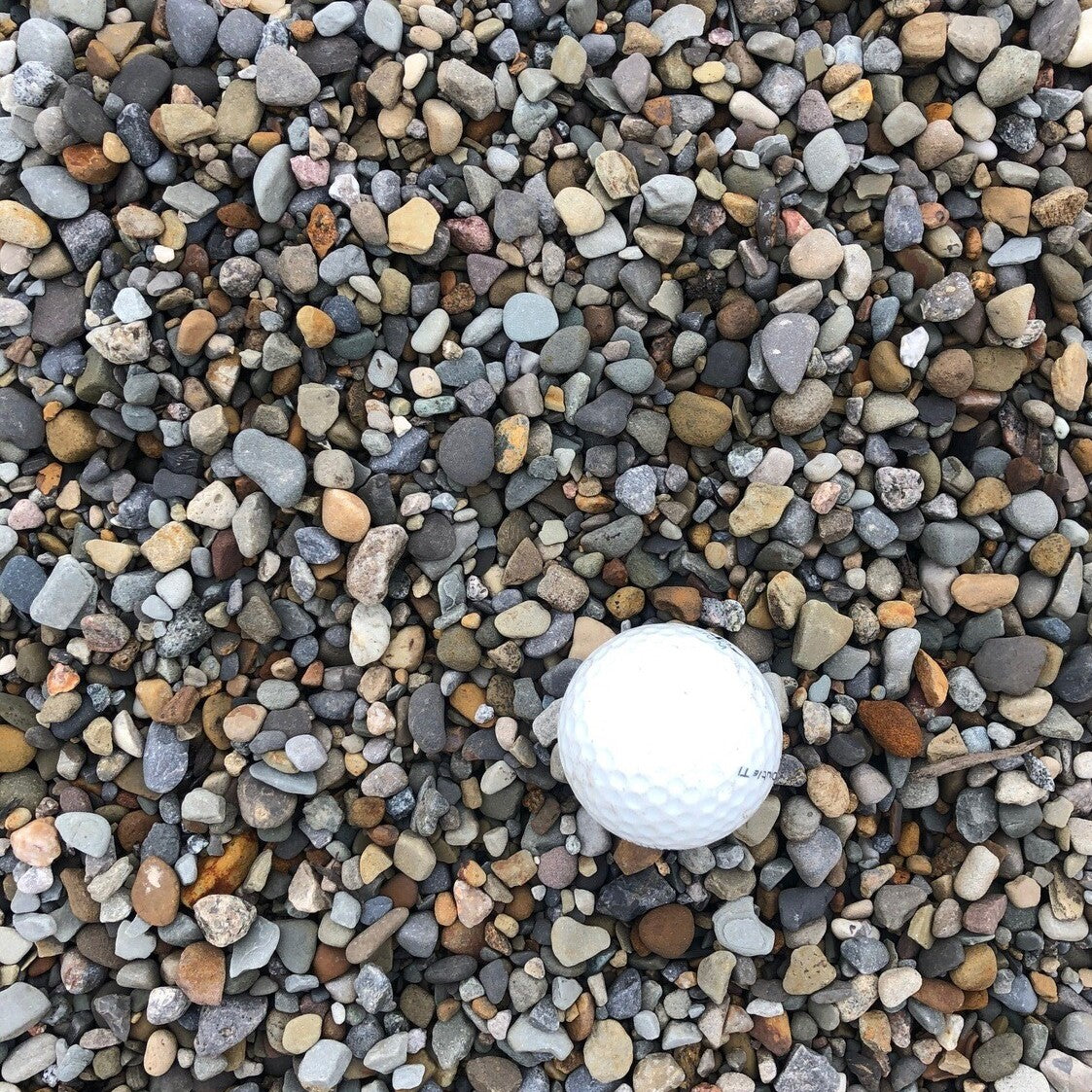
Classic pea gravel with smooth, rounded edges and natural earth tones. A versatile favorite for pathways, patios, drainage, and decorative ground cover.
My experience with Mulch Mound was great and super easy. I ordered two yards of screened topsoil and was able to get it delivered within 2 days. They came in my requested time frame (afternoon) and dropped it off where I asked on my driveway. The topsoil was exactly what was a...
Classic pea gravel with smooth, rounded edges and natural earth tones. A versatile favorite for pathways, patios, drainage, and decorative ground cover.
My experience with Mulch Mound was great and super easy. I ordered two yards of screened topsoil and was able to get it delivered within 2 days. They came in my requested time frame (afternoon) and dropped it off where I asked on my driveway. The topsoil was exactly what was a...
How Much Material Do I Need?
For decorative coverage in Bethpage, a 2 to 3 inch depth of stone is the standard for most bed and border applications on sandy loam soil. Drainage installations along foundation perimeters or yard swales should be filled to a depth of 6 to 8 inches with clean crushed stone to ensure adequate flow capacity during the heavier rain events that occur throughout the spring and fall seasons.
Use our free stone calculator
What is a yard?
A yard is approximately 27 cubic feet. As a general guideline, one yard of material can cover an area of about 100-160 square feet at a 2-3 inch depth.
My experience with Mulch Mound was great and super easy. I ordered two yards of screened topsoil and was able to get it delivered within 2 days. Th...
Read full review
My experience with Mulch Mound was great and super easy. I ordered two yards of screened topsoil and was able to get it delivered within 2 days. They came in my requested time frame (afternoon) and dropped it off where I asked on my driveway. The topsoil was exactly what was advertised, clean with no rocks or other debris. The price was reasonable. I plan to use them again in a couple weeks to order compost for my garden beds.
To estimate stone for a Bethpage project, measure the area length and width in feet, multiply for total square footage, and use the general rule that one cubic yard covers about 100 square feet at a 3-inch depth. For drainage trenches common in Bethpage yards dealing with concentrated runoff from the area's rainfall, calculate the trench volume separately and add it to your decorative coverage total before placing your order.
Complete Your Outdoor Stone Project
Stone borders look their best when paired with a fresh layer of mulch inside the bed areas, creating a clean contrast that defines the entire landscape design. If you are doing any grade adjustments to improve drainage before laying stone, a bulk topsoil or fill delivery at the same time can streamline the whole project and save you a second scheduling effort.
Before placing any decorative stone in a Bethpage yard, take time to address the underlying grade first. Sandy loam is a forgiving material to shape and regrade, and correcting any low spots or areas where water pools before laying stone will save you from dealing with moisture trapped under the material later in the season. With 42 inches of rain per year in Bethpage, poorly drained stone areas can become soggy patches rather than the clean and low-maintenance surfaces you were aiming for.
Mulch Mound Pro Tip
Bethpage's freeze-thaw cycle between November and April can gradually heave and displace smaller decorative stones in pathways and borders over time. When installing stone paths or borders in late fall, compact the base material firmly and consider using a slightly larger stone size than you might in a warmer climate. The additional mass resists frost heaving better, and your pathway or border will stay level and intact through multiple winters without requiring relevelng each spring.
Mulch Mound Pro Tip
If you are installing stone in a Bethpage property with existing sandy loam beds, use a compacted layer of coarser aggregate as a base before placing your decorative top layer. Sandy loam's loose particle structure means it can slowly absorb and swallow fine gravel over several seasons of rainfall and freeze-thaw activity. That coarser base layer acts as a physical separation barrier, keeping your chosen decorative stone visible and in place rather than gradually disappearing into the ground over time.
The Unique Landscape of Bethpage
Decorative and functional stone is one of the most practical landscape investments for Bethpage properties, where the combination of sandy loam soil and 42 inches of annual rainfall creates ongoing erosion and drainage challenges in yards with any slope or grade change. Stone pathways, river rock drainage channels, and gravel borders require almost no seasonal maintenance compared to planted areas, which is a significant advantage given how much Bethpage landscapes shift between the April growing season opener and the November frost. Because sandy loam does not bind tightly, stone also helps stabilize bed edges, walkways, and borders that would otherwise gradually wash or erode during the heavy rain events common in spring and fall. Low-maintenance stone areas are increasingly popular in Bethpage front yards where busy schedules make labor-intensive lawn and bed care less appealing year after year. Whether used for drainage, decoration, or defining outdoor spaces, stone adds lasting structure that works with the local climate and soil conditions rather than against them.
Frequently Asked Questions
Click a question to see the answer
Answer
What type of stone works best for drainage in a Bethpage yard?
For drainage applications in Bethpage, clean crushed stone or washed gravel in the 3/4 inch range is the most commonly used and effective material. Sandy loam soil already drains fairly well on its own, but in low-lying areas or along foundation perimeters where water concentrates during heavy rainfall events, a properly installed gravel channel or dry well filled with clean stone moves water away from structures quickly and prevents the standing water problems that affect many Bethpage properties.
Answer
Will decorative stone get displaced during heavy rainstorms in Bethpage?
Lighter decorative stones like pea gravel can shift during very heavy rain events, particularly on any sloped areas of a Bethpage property. For sloped beds or hillside borders, a larger stone in the 1 to 2 inch range stays in place considerably better. Using a quality landscape fabric underlayer also helps anchor the material and prevents Bethpage's fast-draining sandy loam below from gradually absorbing smaller stones over multiple seasons.
Answer
Can I use stone instead of mulch in my garden beds in Bethpage?
Stone can work as a mulch alternative in Bethpage, particularly for foundation plantings and drought-tolerant perennial beds that do not rely on the organic matter that wood mulch contributes. Keep in mind that stone does not feed the sandy loam below the way organic mulch does, so beds converted to stone coverage will need supplemental fertilization to maintain soil health. Stone also absorbs and radiates heat, which in Bethpage's full-sun areas can raise soil temperatures in summer and stress some plant varieties.
Answer
How do I keep weeds from growing through decorative stone in my Bethpage yard?
The most effective approach in Bethpage is to install a quality woven landscape fabric beneath the stone layer before placing any material. The region's 42 inches of annual rainfall and zone 7b growing conditions mean weed seeds are constantly being deposited by wind and birds, and without a barrier they will establish in the sandy loam gaps between stones within a single season. A fabric barrier combined with at least 2 to 3 inches of stone coverage on top minimizes ongoing maintenance significantly.
Answer
What size stone is best for a backyard pathway in Bethpage?
For a comfortable and stable walking surface in a Bethpage backyard, pea gravel or crushed stone in the 3/8 to 3/4 inch range strikes a good balance between walkability and drainage. Larger stones can feel unstable underfoot while very fine gravel tends to scatter easily and track into the lawn. A 3 to 4 inch deep bed of material set on compacted base over landscape fabric gives you a path that holds up well through Bethpage's freeze-thaw cycles between November and April.
Answer
Is river rock a good choice for a low-maintenance front yard in Bethpage?
River rock is a popular choice for Bethpage front yards because it handles the area's consistent rainfall without washing away, does not decompose or require seasonal replacement like organic materials, and provides a clean polished look year-round. It pairs well with ornamental grasses and drought-tolerant plantings that thrive in zone 7b. Because sandy loam is loose and light, install a firm landscape fabric base so the rock does not gradually sink into the soil over seasons of rain and freeze-thaw movement.
Answer
How much stone do I need to cover a garden bed border in Bethpage?
For a standard decorative border in Bethpage, a depth of 2 to 3 inches of stone is the practical minimum for both appearance and weed suppression over the sandy loam below. Measure your border length and width in feet, multiply together for square footage, then divide by 100 for a rough cubic yard estimate at 3-inch depth. Because stone does not compress or settle the way soil does, the amount you order is generally the coverage you get on the ground.