



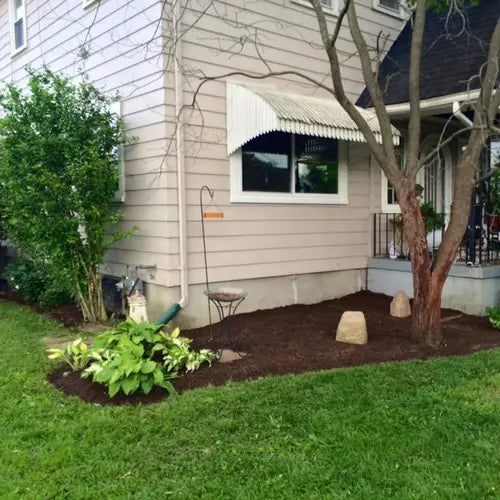

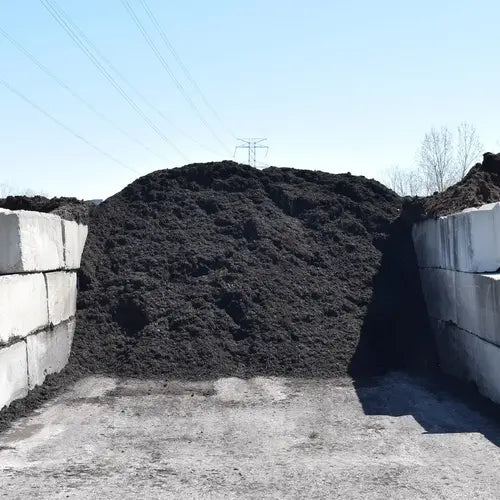
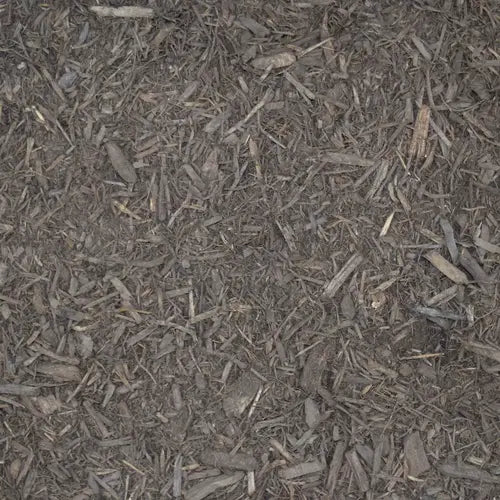
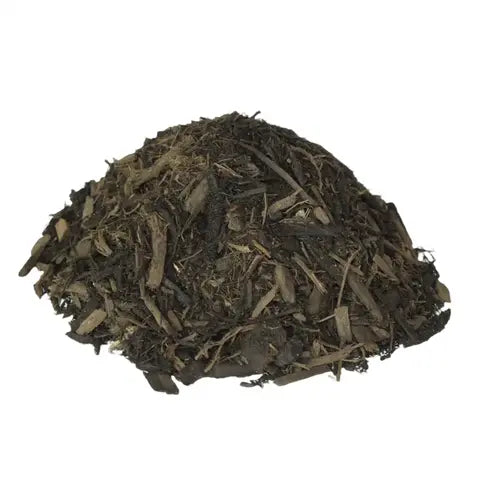
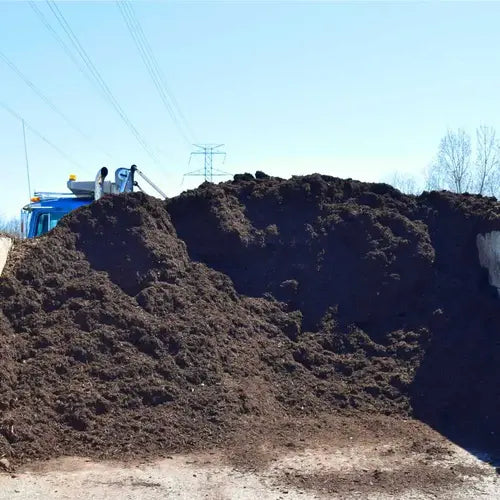
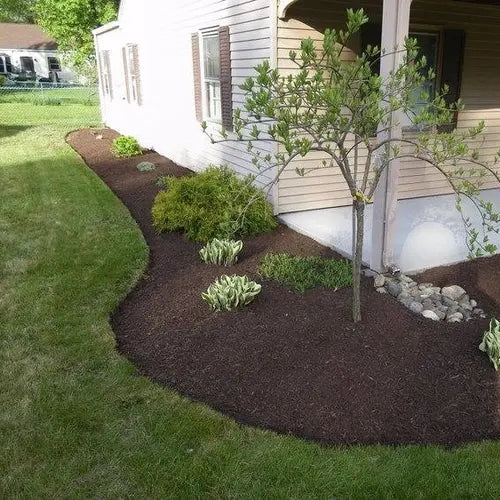






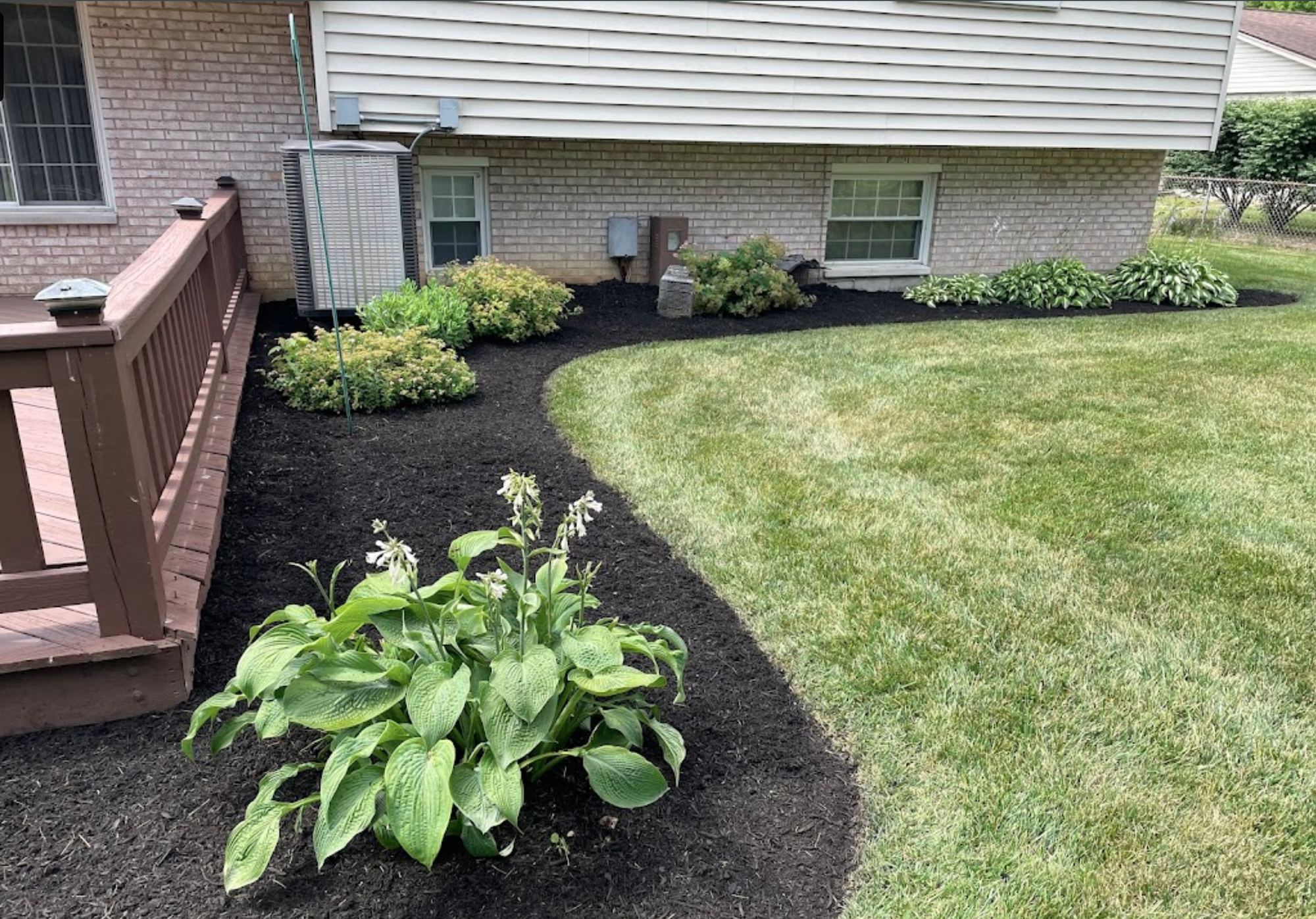
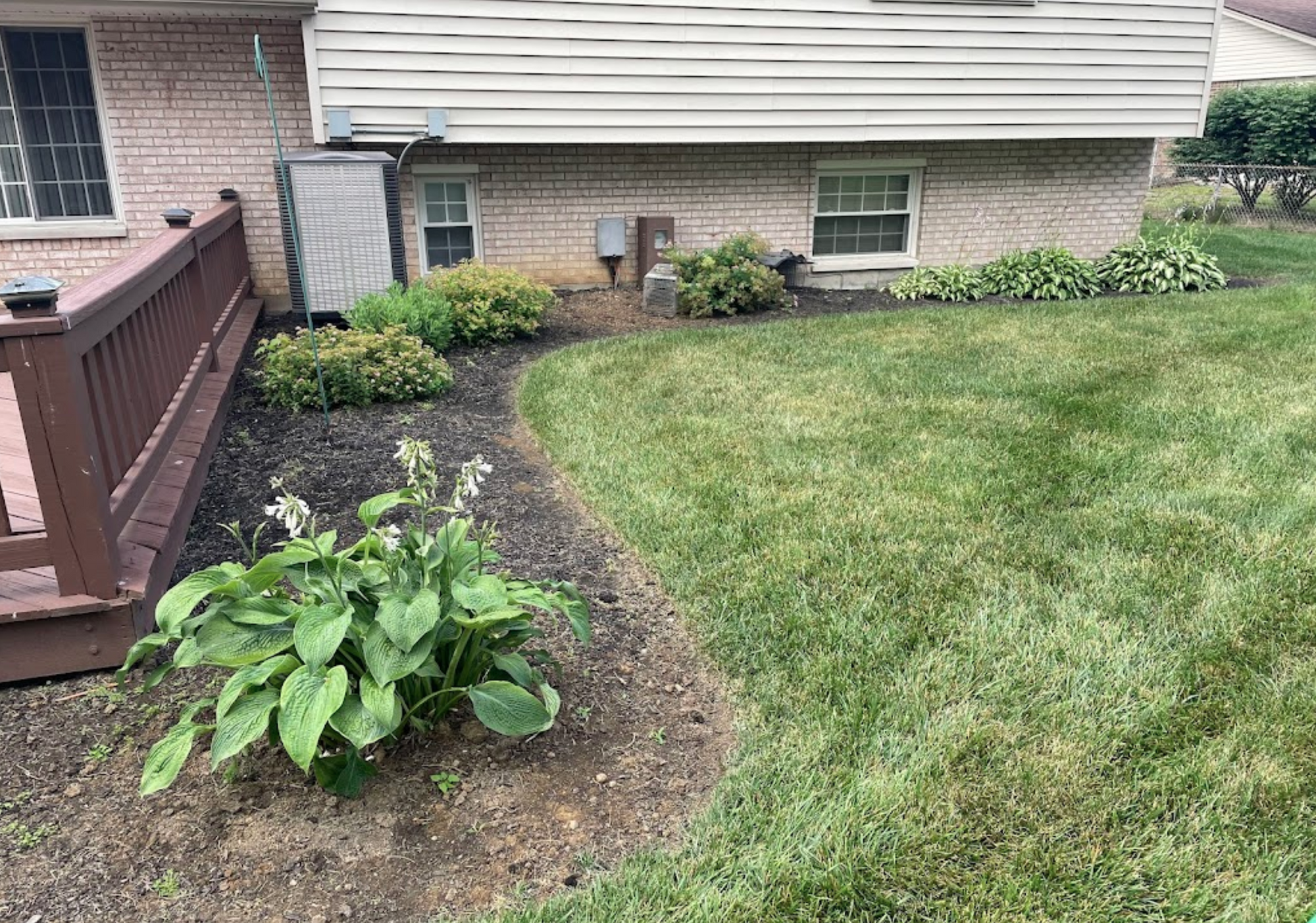
Our delivery was delayed but the new brown color mulch is a nice upgrade to our landscaping.
About this mulch
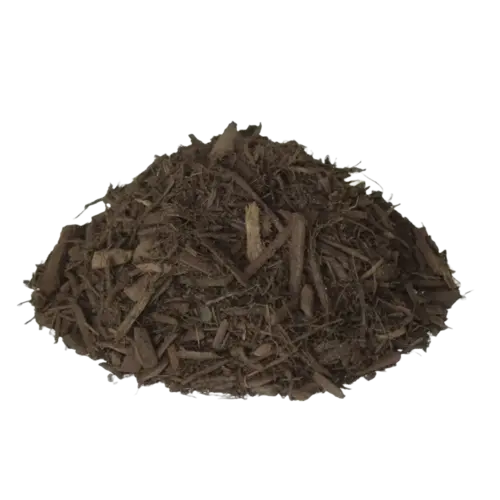
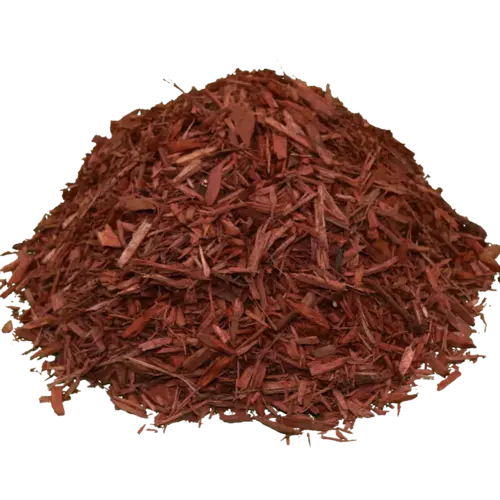
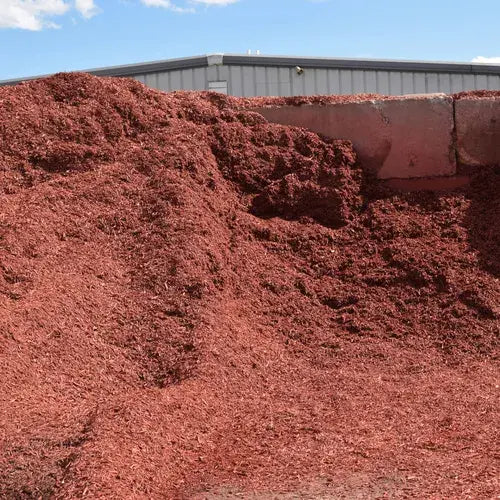
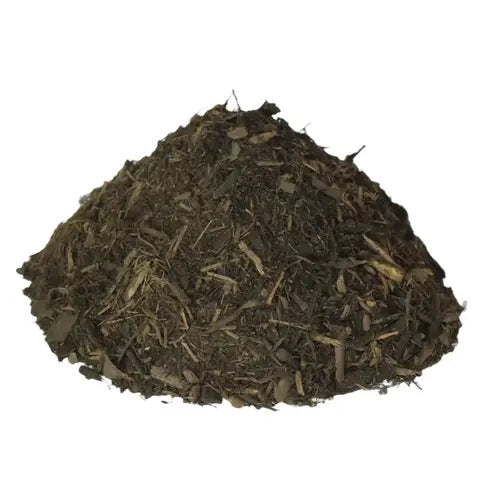
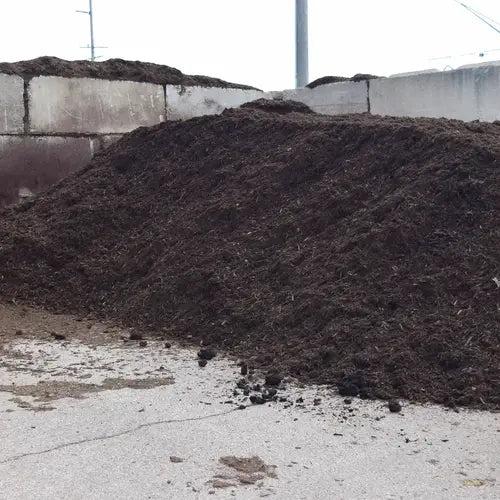
Warm brown double shredded mulch with lasting color that looks freshly applied for weeks. Spreads smooth, stays put, and gives beds a natural, polished appearance.
Our delivery was delayed but the new brown color mulch is a nice upgrade to our landscaping.
Tell us what you're looking for
Thanks! We received your request.
Something went wrong. Please try again.
How Much Material Do I Need?
How Much Material Do I Need?
East Islip's sandy loam soil calls for a consistent 3-inch mulch layer across all planting beds, since thinner applications will not provide meaningful moisture retention in such a freely draining soil. For pathways and play areas, 4 inches is a better target to account for settling.
Use our free mulch calculator
What is a yard?
What is a yard?
FAQs
FAQs
East Islip Mulch Delivery
East Islip Mulch Delivery
Regular price
$55.00
per
yard
Regular price
Sale price
$55.00
Unit price
per
Minimum of 3 yard
Couldn't load pickup availability
Hand-picked local yards
4,000+ regional deliveries
Dedicated support
Why order through Mulch Mound
The best local mulch, without the guesswork.
We hand-pick and partner with the best yards in your region, keep only the ones our buyers rate well, and back each load with our guarantee.
Mulch Mound Guarantee
If your mulch isn't the quantity or quality you ordered, we'll make it right.
About this mulch
Warm brown double shredded mulch with lasting color that looks freshly applied for weeks. Spreads smooth, stays put, and gives beds a natural, polished appearance.
Our delivery was delayed but the new brown color mulch is a nice upgrade to our landscaping.
How Much Material Do I Need?
How Much Material Do I Need?
East Islip's sandy loam soil calls for a consistent 3-inch mulch layer across all planting beds, since thinner applications will not provide meaningful moisture retention in such a freely draining soil. For pathways and play areas, 4 inches is a better target to account for settling.
Use our free mulch calculator
What is a yard?
What is a yard?
FAQs
FAQs
Tell us what you're looking for
Thanks! We received your request.
Something went wrong. Please try again.

How It Works
Getting started is easy — just follow these simple steps
1
Choose your Mulch
Make sure you adjust the quantity to your home's needs. You can use our calculator to estimate how much you'll need.
2
Select your delivery date
Select a delivery date you'd like for the product to be dropped off at your home
3
Sit back and wait
Sit back, wait, and let us work our magic to make sure the highest quality product is delivered to your driveway.

Mulch Mound made it so easy! So happy with the pricing, turn around time, delivery and product. I submitted my online order on a Thursday. The mu...
Read full review
Mulch Mound made it so easy! So happy with the pricing, turn around time, delivery and product. I submitted my online order on a Thursday. The mulch was delivered to the designated location by a local landscape company at 8:30 a.m. the following Saturday morning. We had the job completed by that afternoon. We chose the natural brown mulch, and the plant beds are beautiful.

Good quality, great price, fast delivery. All online - no submitting forms and waiting for days for quotes.
Getting mulch should be this easy fr...
Read full review
Good quality, great price, fast delivery. All online - no submitting forms and waiting for days for quotes.
Getting mulch should be this easy from everyone. Only Mulch Mound is ACTUALLY this simple.
Calculate mulch for your East Islip project
For East Islip's Sandy Loam type of soil, we recommend 2-3 inches for best weed suppression and moisture retention
Try Our CalculatorTo estimate how many cubic yards you need, measure each bed's length and width in feet, multiply to get square footage, then multiply by 0.25 for a 3-inch layer and divide by 27. East Islip beds in sandy loam soil benefit from that full 3-inch depth rather than a thinner layer, because the fast-draining soil needs maximum moisture retention help through the growing season.

Best Mulch Choice for East Islip Lawns
Most yards in the East Islip area sit on Sandy Loam type of soil. Sandy loam soil in East Islip has a naturally low organic content, which means planting beds can struggle to retain the nutrients and moisture that ornamental plants need through the long Zone 7b growing season.
Hardwood Mulch
Hardwood mulch breaks down steadily in East Islip's warm, moist conditions, feeding beneficial soil microbes that help bind sandy loam particles together and improve the soil's ability to hold water and nutrients from one season to the next.
Mulch Types We Deliver in East Islip
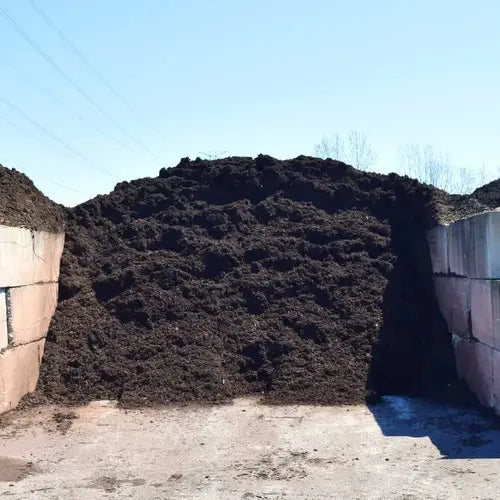
Mulch Mound delivers bulk mulch by the cubic yard straight to your property, making it easy to refresh landscape beds without a truck rental. We offer bulk mulch delivery in East Islip on a schedule that works for you, from a single yard to a full load. Long Island's warm summers and sandy soil make good mulch a practical investment, not just a cosmetic one.
Dyed Black Mulch
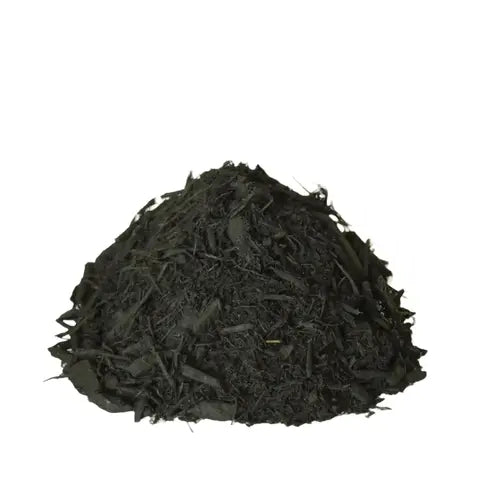
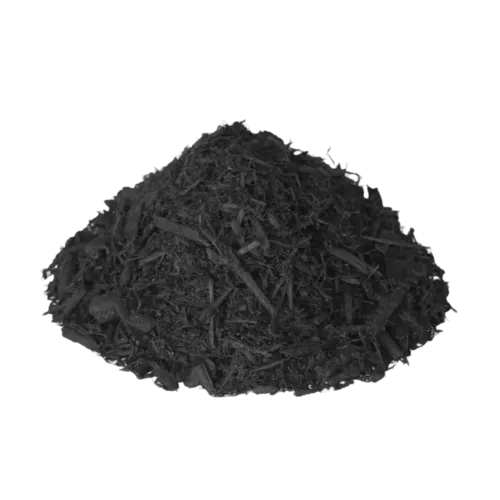
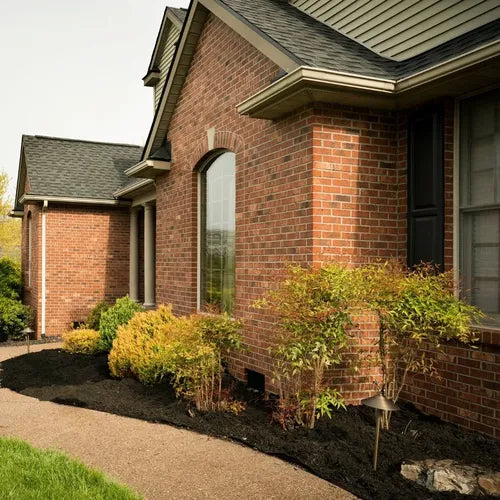
The top choice when you want strong contrast in foundation beds and borders. Dyed Black Mulch comes in double shredded or triple shredded and holds its bold color through Long Island's wet springs and humid summers. Spreads smoothly and looks sharp against lighter siding and garden stone.
Dyed Brown Mulch
Warm and natural looking, Dyed Brown Mulch suits the classic suburban yards common to this part of Long Island. Available in double shredded or triple shredded, it spreads cleanly and holds a polished, freshly applied appearance for weeks through the growing season.
Natural Brown Mulch
A solid pick for homeowners who want real wood tone without added dye. This undyed mulch comes in double shredded or triple shredded and earns its warm color from the wood itself. It blends easily into the natural landscape palette here and helps sandy soil beds retain moisture through dry stretches.
Complete Your Outdoor Mulch Project
If your beds need a nutrient boost before mulching, consider adding a layer of our blended garden soil to give East Islip's sandy loam more organic holding capacity before you put down your mulch. Decorative stone works well for bordering mulch beds and creating clean edges that hold their shape through the area's frequent and sometimes heavy rain events.


Mulch Mound Pro Tip
East Islip's sandy loam warms up quickly in spring, which is a real advantage for early planting, but it also means beds can reach stressful temperatures for shallow-rooted perennials by late June. Lay your mulch down after the soil reaches about 60 degrees, usually by late April in Zone 7b, so you are trapping warmth in rather than insulating cold soil. This timing gives roots a running start before the heat of summer sets in.
Mulch Mound Pro Tip
Because East Islip sits at a low elevation of just 15 feet and receives substantial rainfall throughout the year, mulch can compact and mat over a single season, especially in shaded beds where it stays damp for extended periods. Use a rake or hand cultivator to fluff and break up that mat each spring before adding fresh material. A matted mulch layer sheds water rather than absorbing it, which defeats the purpose in sandy soil that already drains quickly.
Mulch Mound Pro Tip
With 47 inches of annual rainfall, East Islip homeowners sometimes find that mulch in low-lying areas of the yard develops a gray, crusty surface layer that actually repels water rather than welcoming it. If you notice water beading on your mulch during rain rather than soaking in, it is time to fluff the layer or replace it entirely. Pulling back mulch that has turned hydrophobic is more important here than in drier regions because those heavy rain events need to reach the root zone, not run off across the surface.
The Unique Landscape of East Islip
East Islip's sandy loam soil drains quickly, which means moisture disappears from plant beds faster than in heavier clay-based soils found elsewhere on Long Island. A proper layer of mulch acts as a buffer against that rapid drainage, holding enough moisture near the root zone to keep shrubs and perennials healthy through dry summer stretches. With 47 inches of annual rainfall spread unevenly across the seasons, mulch also prevents heavy rain events from eroding the fine surface particles that sandy loam is prone to losing. The growing season in Zone 7b runs from roughly early April through mid-November, giving East Islip gardens a long window where mulch earns its keep by regulating soil temperature. Keeping beds mulched through late October helps extend root activity even as air temperatures drop toward the first frost around November 10.
Explore other options for landscape supply delivery in East islip, New york