





Ordered Dirt. Received Dirt. Would Buy Again.
About this soil
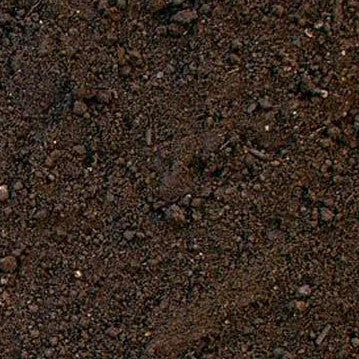
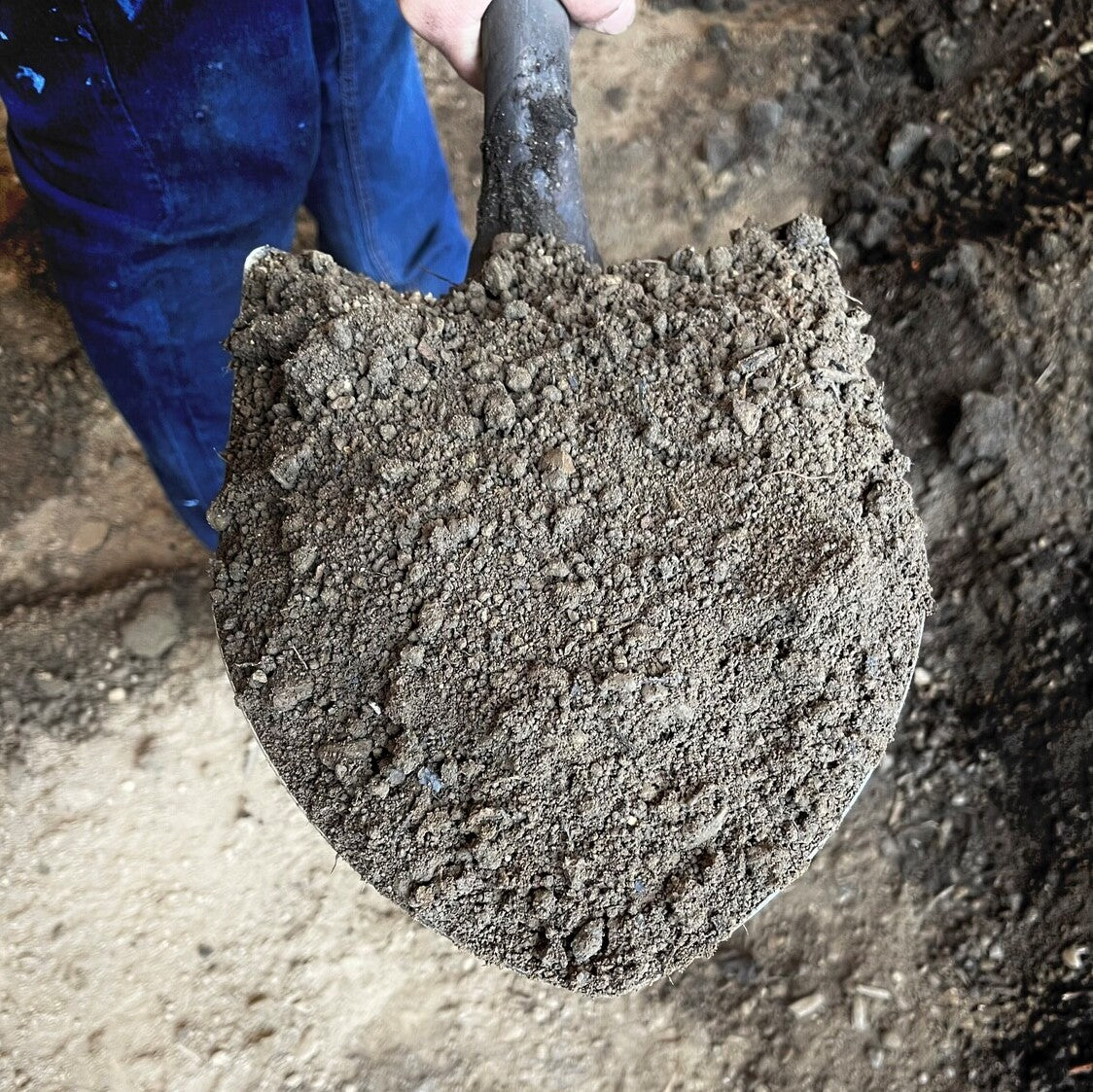
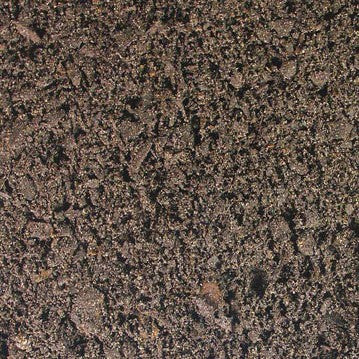
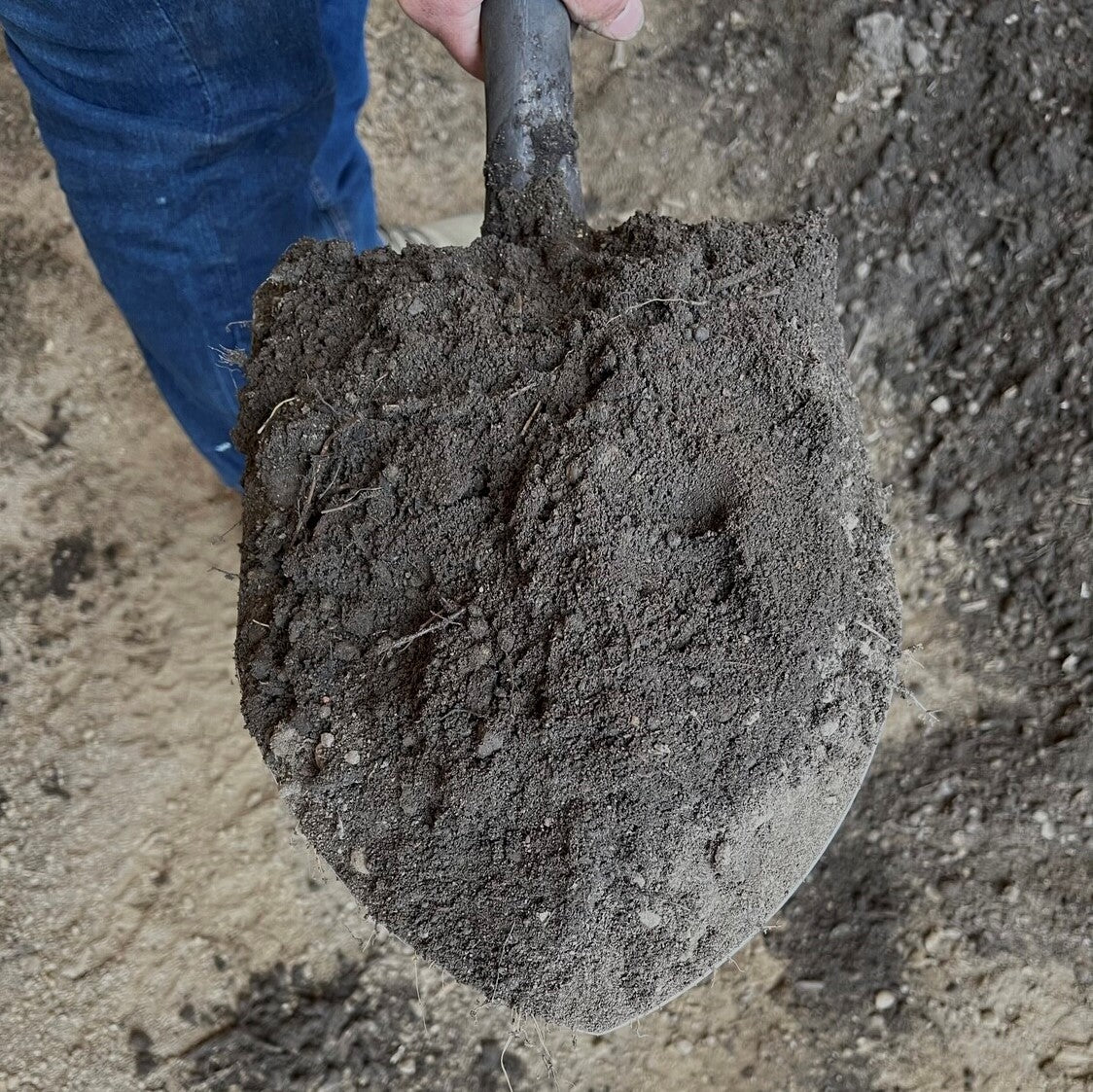
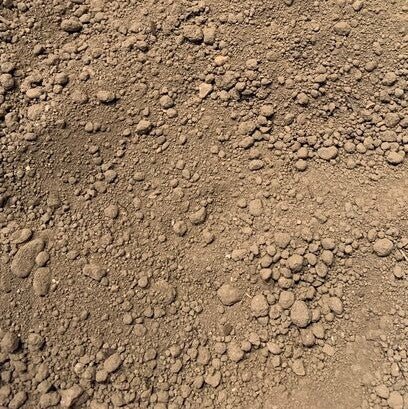
Quality topsoil for lawns, gardens, and landscape projects. Nutrient rich and ready to support strong root development and healthy plant establishment.
Ordered Dirt. Received Dirt. Would Buy Again.
Tell us what you're looking for
Thanks! We received your request.
Something went wrong. Please try again.
How Much Material Do I Need?
How Much Material Do I Need?
For lawn topdressing in East Islip, 1 to 2 inches of screened topsoil is usually enough to improve the existing sandy loam surface and smooth out low spots. Raised beds and new planting areas need a minimum of 8 to 12 inches of quality soil to perform well through East Islip's long growing season.
Use our free soil calculator
What is a yard?
What is a yard?
FAQs
FAQs
East Islip Soil Delivery
East Islip Soil Delivery
Regular price
$67.00
per
yard
Regular price
Sale price
$67.00
Unit price
per
Minimum of 3 yard
Couldn't load pickup availability
Hand-picked local yards
4,000+ regional deliveries
Dedicated support
Why order through Mulch Mound
The best local soil, without the guesswork.
We hand-pick and partner with the best yards in your region, keep only the ones our buyers rate well, and back each load with our guarantee.
Mulch Mound Guarantee
If your soil isn't the quantity or quality you ordered, we'll make it right.
About this soil
Quality topsoil for lawns, gardens, and landscape projects. Nutrient rich and ready to support strong root development and healthy plant establishment.
Ordered Dirt. Received Dirt. Would Buy Again.
How Much Material Do I Need?
How Much Material Do I Need?
For lawn topdressing in East Islip, 1 to 2 inches of screened topsoil is usually enough to improve the existing sandy loam surface and smooth out low spots. Raised beds and new planting areas need a minimum of 8 to 12 inches of quality soil to perform well through East Islip's long growing season.
Use our free soil calculator
What is a yard?
What is a yard?
FAQs
FAQs
Tell us what you're looking for
Thanks! We received your request.
Something went wrong. Please try again.
How It Works
Getting started is easy — just follow these simple steps
1
Choose your soil
Make sure you adjust the quantity to your home's needs. You can use our calculator to estimate how much you'll need.
2
Select your delivery date
Select a delivery date you'd like for the product to be dropped off at your home
3
Sit back and wait
Sit back, wait, and let us work our magic to make sure the highest quality product is delivered to your driveway.


Placing an order online was so easy. Delivery was on time. When the driver realized we had a newly poured driveway they erred on the side of cautio...
Read full review
Placing an order online was so easy. Delivery was on time. When the driver realized we had a newly poured driveway they erred on the side of caution and opted not ti drive in it. The company even sent me a message explaining that call. Would recommend!
Need Help Calculating How Much Soil You Need?
Use our NEW Trace from Satellite tool to get an estimate for your project based on an aerial view of your property
Try Our CalculatorMeasure the length and width of the area you are filling in feet and estimate the depth of soil you need in inches. Multiply length times width times the depth divided by 12 to get cubic feet, then divide by 27 for cubic yards. For raised beds in East Islip, plan for a full 12 inches of soil depth to give roots enough room to stay in the nutrient-rich zone above the native sandy loam.
Soil Types We Deliver in East Islip
East Islip homeowners and landscapers can get bulk topsoil by the yard delivered straight to their door, making large projects simple and affordable. Long Island's naturally sandy soils often need amendment to retain moisture and support healthy plant growth through the warm summer months. We carry screened and blended options by the cubic yard to suit lawns, raised beds, and new garden installations.
Screened Top Soil
Our screened topsoil is a popular choice for lawn repairs, grading, and filling the low spots common in residential yards throughout this part of Long Island. The screening process removes debris and clumps, leaving a clean and workable soil that spreads evenly and supports strong root development for grass and plantings.
Gardening Blend
This blended gardening soil combines topsoil and compost into a ready to plant mix ideal for raised beds and new garden installations. It suits homeowners across Suffolk County who want a nutrient-rich foundation without the extra step of mixing amendments separately, making it especially convenient for spring and fall planting.
Garden Compost
Our standard garden compost is a rich organic amendment that improves soil structure and water retention, qualities especially valuable in the sandy coastal soils found throughout this region. Work it into planting beds or top dress around shrubs and trees to steadily build the fertility and biology of your garden.
Complete Your Outdoor Soil Project
Finish new soil areas with a layer of mulch to lock in moisture and protect East Islip's fast-draining sandy loam from surface erosion during heavy rain events. Decorative stone borders around new planting beds help contain the soil, define clean edges, and hold their shape through the area's frequent wet weather.


Mulch Mound Pro Tip
East Islip's growing season starts in earnest around April 2, but the soil in raised beds can warm up two to three weeks faster than in-ground beds because they are exposed on all sides. Use a soil thermometer to track bed temperature in early April. Most vegetable transplants do best when soil is consistently above 55 degrees, and elevated beds in East Islip often hit that mark well before the surrounding ground does.
Mulch Mound Pro Tip
When grading or filling low spots in your East Islip yard, always slope the finished grade away from your home's foundation at a rate of about 1 inch per foot for the first 6 feet. With nearly 4 feet of annual rainfall moving through the area, even a modest grade toward the house can lead to water pooling at the foundation over time. Taking a few extra minutes to check the slope before compacting new soil saves significant headaches down the road.
Mulch Mound Pro Tip
If you are improving an existing in-ground garden bed in East Islip rather than building a raised bed, mix new topsoil or garden blend into the existing sandy loam rather than simply layering it on top. Tilling 4 to 6 inches of amended soil into the top 8 inches of native ground creates a blended transition zone that roots can move through smoothly. A hard boundary between two very different soil layers can actually impede drainage and slow root development even in East Islip's well-draining conditions.
The Unique Landscape of East Islip
East Islip's native sandy loam is workable and well-draining, but it lacks the organic depth that vegetable gardens and new lawn installations need to thrive through a full Zone 7b growing season. Imported bulk topsoil or blended garden soil lets homeowners build up raised beds, level out low spots in the yard, and create a richer growing environment than the native soil alone provides. With the growing season stretching from roughly April 2 to November 10, there is a long window where good soil quality pays dividends in plant health and overall yield. East Islip also receives enough annual rainfall, around 47 inches, that poorly structured soil can become compacted or waterlogged in low areas, making proper grade work and quality fill an important part of any landscape project. Adding the right soil product before planting or sodding makes a measurable difference in how well a yard handles both the wet springs and the drier midsummer weeks that characterize Long Island weather.
Explore other options for landscape supply delivery in East islip, New york