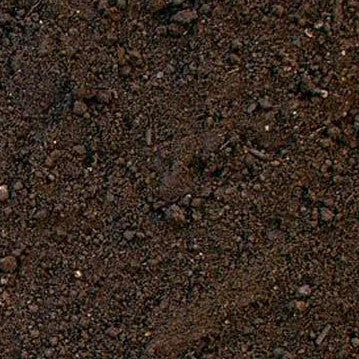
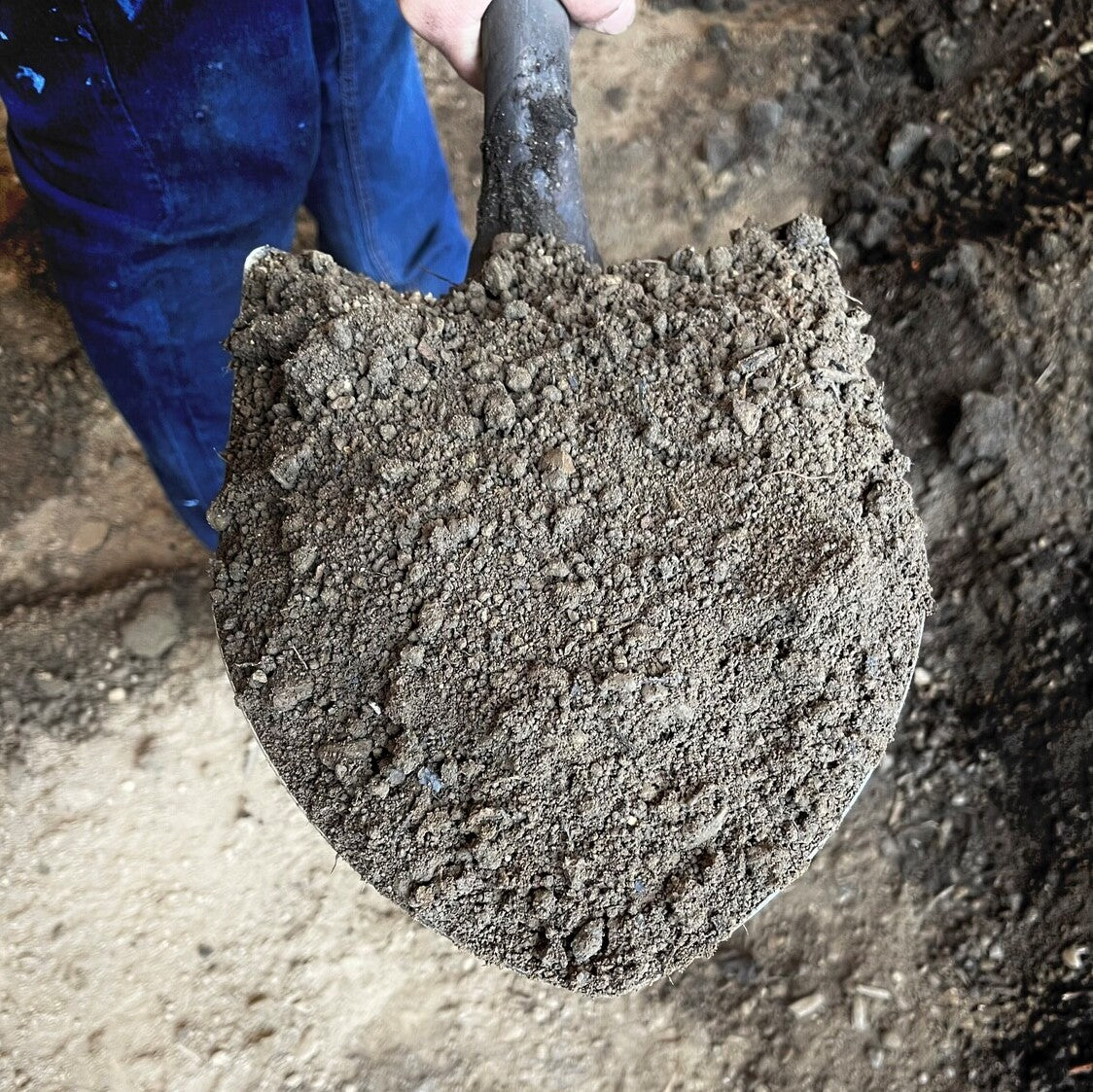
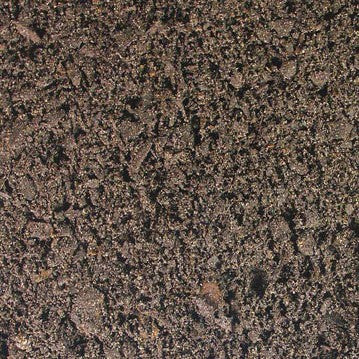
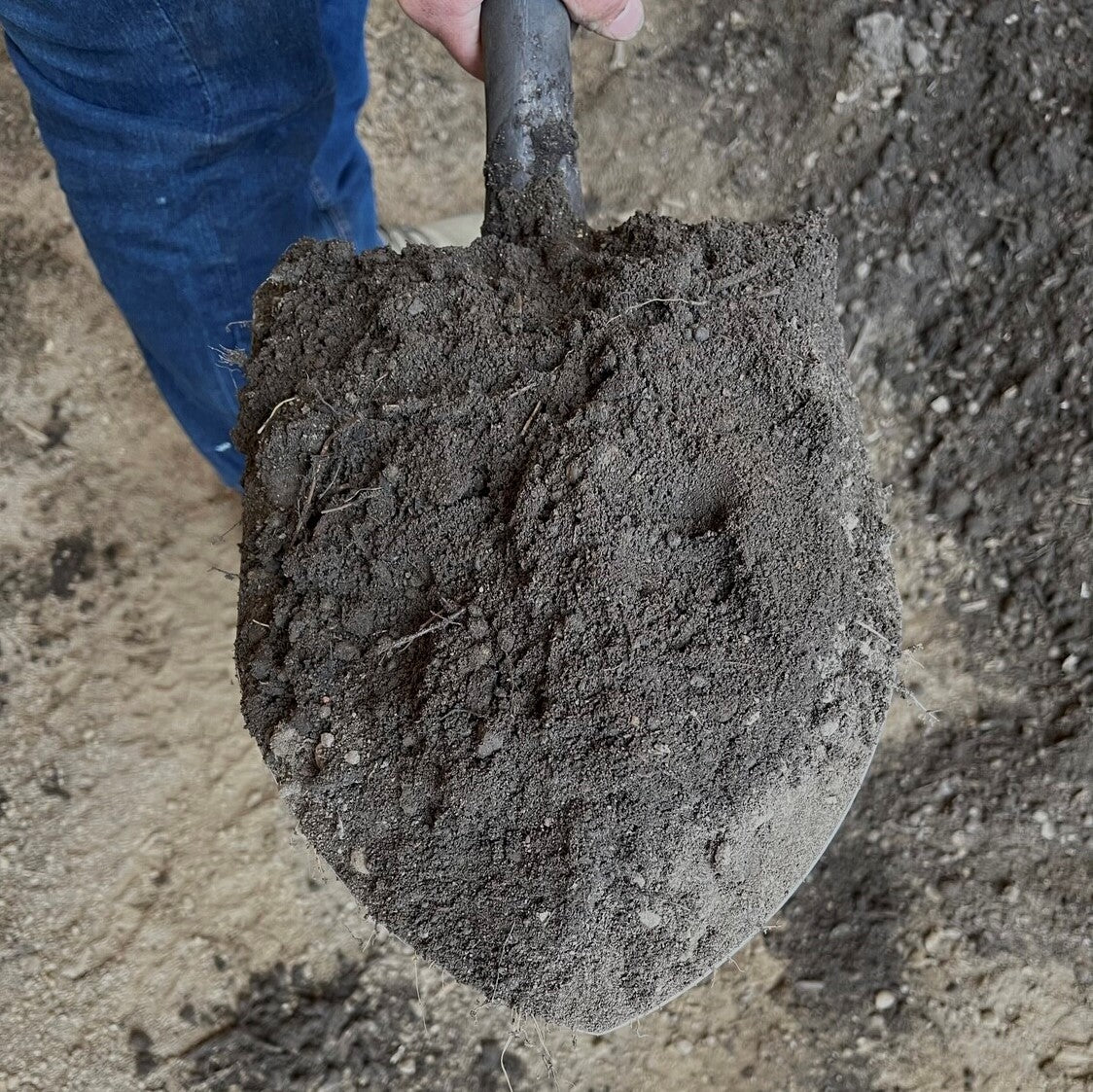
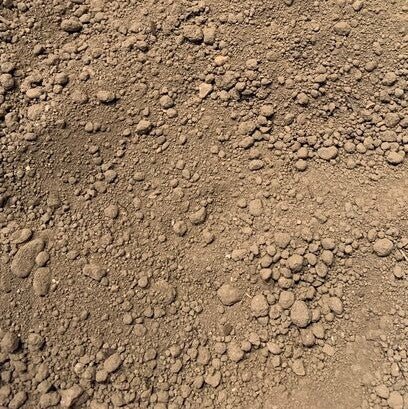
Quality topsoil for lawns, gardens, and landscape projects. Nutrient rich and ready to support strong root development and healthy plant establishment.
This review compares my experience with Mulch Mound compared to another local company that has delivered soil to me. The soil purchased from Mulch Mound was for two more of my large raised beds for flowers and vegetables-- I have 8 total beds. 1st- the ordering process was v...
Quality topsoil for lawns, gardens, and landscape projects. Nutrient rich and ready to support strong root development and healthy plant establishment.
This review compares my experience with Mulch Mound compared to another local company that has delivered soil to me. The soil purchased from Mulch Mound was for two more of my large raised beds for flowers and vegetables-- I have 8 total beds. 1st- the ordering process was v...
How Much Material Do I Need?
For lawn topdressing in East Islip, 1 to 2 inches of screened topsoil is usually enough to improve the existing sandy loam surface and smooth out low spots. Raised beds and new planting areas need a minimum of 8 to 12 inches of quality soil to perform well through East Islip's long growing season.
Use our free soil calculator
What is a yard?
A yard is approximately 27 cubic feet. As a general guideline, one yard of material can cover an area of about 100-160 square feet at a 2-3 inch depth.
This review compares my experience with Mulch Mound compared to another local company that has delivered soil to me. The soil purchased from Mulch...
Read full review
This review compares my experience with Mulch Mound compared to another local company that has delivered soil to me. The soil purchased from Mulch Mound was for two more of my large raised beds for flowers and vegetables-- I have 8 total beds. 1st- the ordering process was very easier with Mulch Mound and I was impressed with the follow-ups regarding my order and delivery. The soil calculator was easy to use but would not let me order 1.5 yards so I have too much left over soil. The wait time for delivery was very short and the actual delivery was excellent. The soil was deposited in the exact location requested. The biggest difference between the two companies was the quality of the soil. The Mulch Mound was not adequately ground up or pulverized. There a significant number of larger and smaller dirt clumbs that seemed to be clay and very difficult to break up. In fact, I have a 12 inch bolder of dirt that is solid. I never have had big dirt clods or a boulder with the other company. So, I am not sure if the Mulch Mound dirt is just landfill dirt or actual garden soil with compost like the other company, The other reviews were very positive about their soil quality so I may have just received a lower quality batch. I just hope this will be good for growing.
Measure the length and width of the area you are filling in feet and estimate the depth of soil you need in inches. Multiply length times width times the depth divided by 12 to get cubic feet, then divide by 27 for cubic yards. For raised beds in East Islip, plan for a full 12 inches of soil depth to give roots enough room to stay in the nutrient-rich zone above the native sandy loam.
Complete Your Outdoor Soil Project
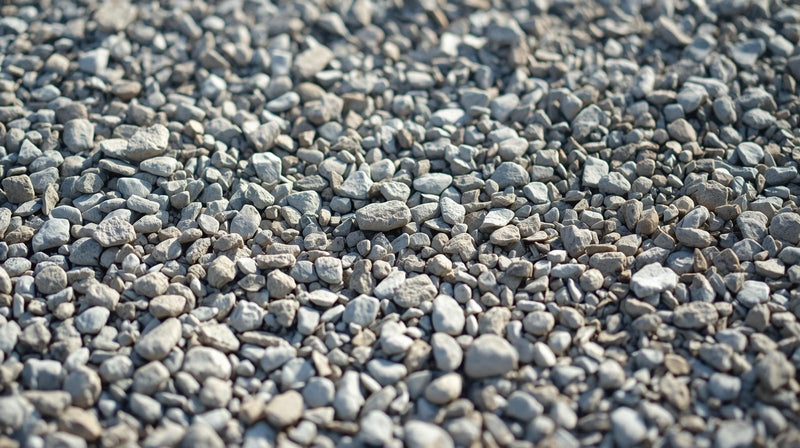
Finish new soil areas with a layer of mulch to lock in moisture and protect East Islip's fast-draining sandy loam from surface erosion during heavy rain events. Decorative stone borders around new planting beds help contain the soil, define clean edges, and hold their shape through the area's frequent wet weather.
My East Islip lawn has low spots that collect water after every rain. Can bulk topsoil fix that?
Yes, topdressing or filling low areas with quality screened topsoil is one of the most effective fixes for that problem. East Islip's 47 inches of annual rain means standing water in low spots is a recurring issue for many homeowners. Fill the depression in lifts no more than 2 to 3 inches at a time if grass is present, then overseed each lift before adding the next, so the grass can grow through rather than being buried.
Answer
What kind of soil should I use for raised vegetable beds in East Islip?
A blended garden mix with compost is ideal for raised beds here. East Islip's native sandy loam drains too quickly to sustain consistent moisture for heavy feeders like tomatoes and peppers through the Zone 7b summer. A raised bed filled with a loam and compost blend holds moisture and nutrients far better and gives you full control over your growing medium from the April 2 last frost date all the way through to the November 10 first frost.
Answer
How deep should I add topsoil before laying sod or seeding a new lawn area in East Islip?
Aim for at least 4 to 6 inches of quality topsoil over the native sandy loam. East Islip's sandy base drains well, which is a plus for avoiding waterlogged lawns, but it does not hold nutrients well enough to support dense turf on its own. A solid topsoil layer gives grass roots a nutrient-rich zone to establish in before they push down into the sandier native soil below.
Answer
Will bulk topsoil help improve the sandy loam soil I already have in my planting beds?
It will, especially if you mix it into the existing sandy loam rather than simply layering it on top. Blending several inches of quality topsoil or garden mix into the top 8 to 10 inches of your East Islip beds improves water retention, nutrient holding, and overall soil structure without eliminating the drainage advantages that sandy loam naturally provides.
Answer
How much soil do I need to build a raised bed in my East Islip backyard?
A standard raised bed that is 4 feet by 8 feet and 12 inches deep needs about 1.2 cubic yards of soil. If you are building multiple beds, which is popular in East Islip given the long growing season that makes vegetable gardening very productive here, ordering in bulk is a smart way to keep costs down and ensure consistent soil quality across all the beds.
Answer
Is there a risk of my new topsoil washing away given how much rain East Islip gets?
Freshly placed topsoil on a slope can erode if it is left bare. East Islip's spring rain events can be intense, and unprotected soil on grades steeper than about 3 to 1 should be seeded, sodded, or covered with erosion control fabric quickly after placement. On flat areas, the 47-inch annual rainfall is actually an asset because it waters in new seed and sod naturally without much irrigation effort.
Answer
When is the best time to add bulk soil for a new garden bed in East Islip?
The most productive windows are early spring, just after April 2 when the last frost has passed, and early fall in September. Fall soil work gives beds an entire off-season to settle and for any added compost to break down before you plant in spring. Spring work is great if you are starting a vegetable garden and want to plant immediately after getting your soil in place.
Mulch Mound Pro Tip
East Islip's growing season starts in earnest around April 2, but the soil in raised beds can warm up two to three weeks faster than in-ground beds because they are exposed on all sides. Use a soil thermometer to track bed temperature in early April. Most vegetable transplants do best when soil is consistently above 55 degrees, and elevated beds in East Islip often hit that mark well before the surrounding ground does.
Mulch Mound Pro Tip
When grading or filling low spots in your East Islip yard, always slope the finished grade away from your home's foundation at a rate of about 1 inch per foot for the first 6 feet. With nearly 4 feet of annual rainfall moving through the area, even a modest grade toward the house can lead to water pooling at the foundation over time. Taking a few extra minutes to check the slope before compacting new soil saves significant headaches down the road.
Mulch Mound Pro Tip
If you are improving an existing in-ground garden bed in East Islip rather than building a raised bed, mix new topsoil or garden blend into the existing sandy loam rather than simply layering it on top. Tilling 4 to 6 inches of amended soil into the top 8 inches of native ground creates a blended transition zone that roots can move through smoothly. A hard boundary between two very different soil layers can actually impede drainage and slow root development even in East Islip's well-draining conditions.
The Unique Landscape of East Islip
East Islip's native sandy loam is workable and well-draining, but it lacks the organic depth that vegetable gardens and new lawn installations need to thrive through a full Zone 7b growing season. Imported bulk topsoil or blended garden soil lets homeowners build up raised beds, level out low spots in the yard, and create a richer growing environment than the native soil alone provides. With the growing season stretching from roughly April 2 to November 10, there is a long window where good soil quality pays dividends in plant health and overall yield. East Islip also receives enough annual rainfall, around 47 inches, that poorly structured soil can become compacted or waterlogged in low areas, making proper grade work and quality fill an important part of any landscape project. Adding the right soil product before planting or sodding makes a measurable difference in how well a yard handles both the wet springs and the drier midsummer weeks that characterize Long Island weather.