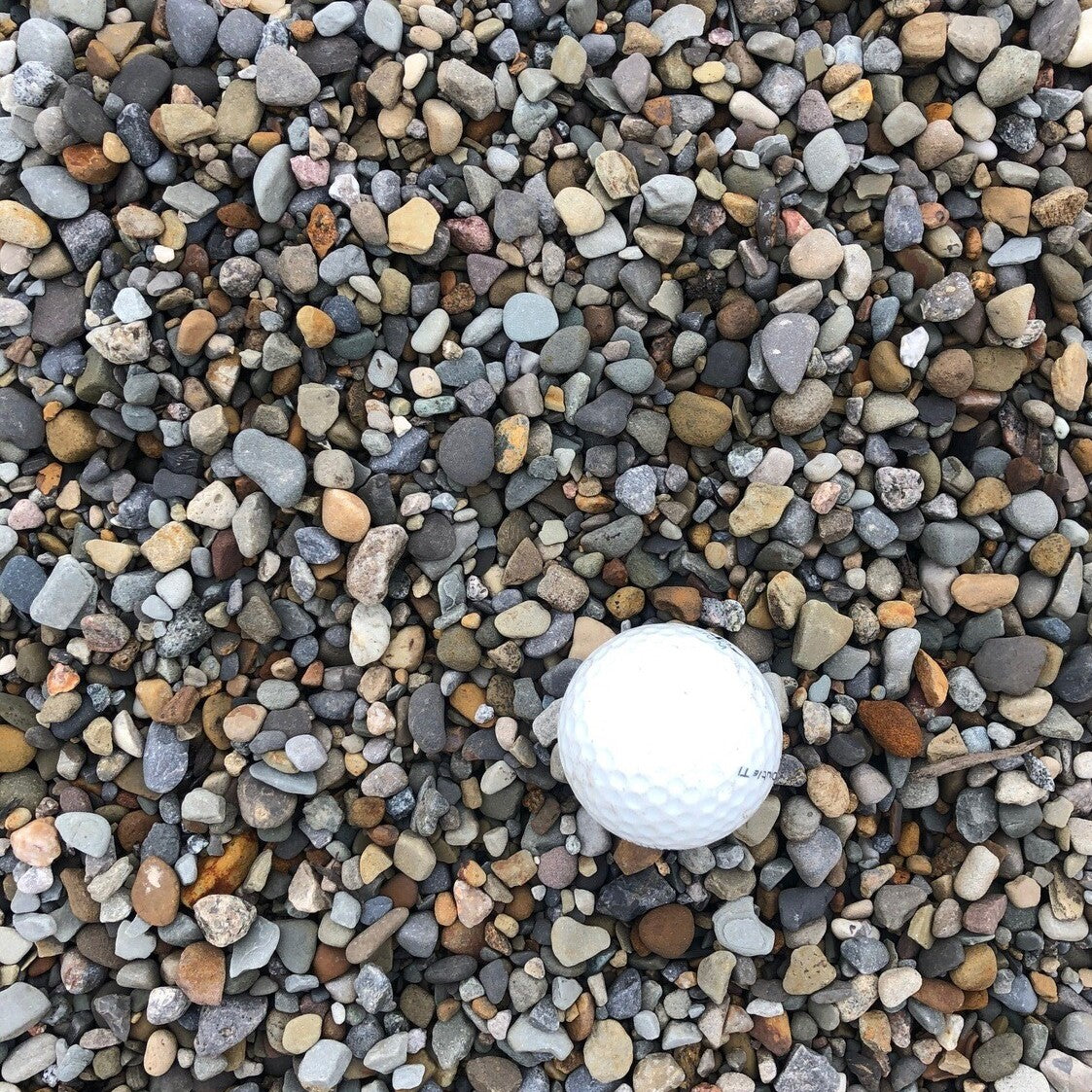
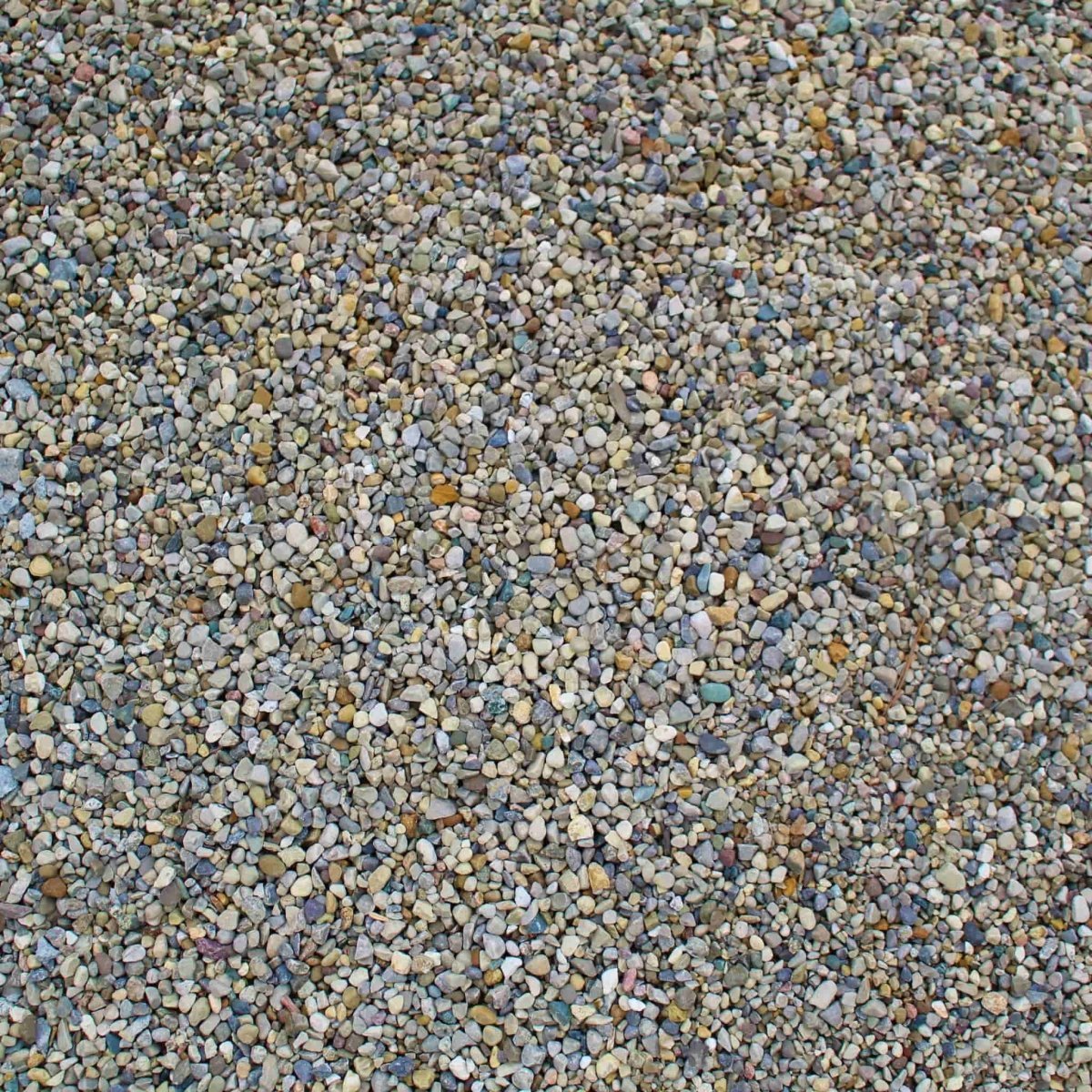
Classic pea gravel with smooth, rounded edges and natural earth tones. A versatile favorite for pathways, patios, drainage, and decorative ground cover.
Mulch Mound delivered a yard of pea gravel to us. Delivery was on time, driver was friendly and hit a bullseye on the “tarp target”. We used the pea gravel (which was diameter as specified) to fill several muskrat holes around our pond. I would definitely recommend Mulch Mo...
Classic pea gravel with smooth, rounded edges and natural earth tones. A versatile favorite for pathways, patios, drainage, and decorative ground cover.
Mulch Mound delivered a yard of pea gravel to us. Delivery was on time, driver was friendly and hit a bullseye on the “tarp target”. We used the pea gravel (which was diameter as specified) to fill several muskrat holes around our pond. I would definitely recommend Mulch Mo...
How Much Material Do I Need?
A 2-inch depth of decorative stone is adequate for most East Islip planting beds and borders, while drainage applications and dry creek beds typically need 4 to 6 inches of clean stone to function properly through the area's heavier rain events. East Islip's sandy loam base drains well enough that you rarely need more than 4 inches for purely decorative groundcover areas.
Use our free stone calculator
What is a yard?
A yard is approximately 27 cubic feet. As a general guideline, one yard of material can cover an area of about 100-160 square feet at a 2-3 inch depth.
Mulch Mound delivered a yard of pea gravel to us. Delivery was on time, driver was friendly and hit a bullseye on the “tarp target”. We used the ...
Read full review
Mulch Mound delivered a yard of pea gravel to us. Delivery was on time, driver was friendly and hit a bullseye on the “tarp target”. We used the pea gravel (which was diameter as specified) to fill several muskrat holes around our pond. I would definitely recommend Mulch Mound to a friend!
To estimate stone coverage, measure the area in square feet, decide on a depth in inches, and use this formula: square footage multiplied by depth in inches, divided by 324, equals cubic yards. Stone is considerably heavier per cubic yard than mulch, so factor that into your delivery planning, especially if material needs to be moved a significant distance from the drop spot on your East Islip property.
Complete Your Outdoor Stone Project
Pair stone borders with bulk mulch in adjacent planting beds to create a clean, polished look that handles East Islip's frequent rain events without eroding or blending together over time. If you are doing grade work or building raised areas before adding stone, our screened topsoil makes an excellent base layer that levels easily and compacts well beneath any stone installation.
East Islip's freeze-thaw cycle is mild in a Zone 7b winter, but repeated cycles between late November and early March can still cause fine decorative stones to heave and shift in areas where water collects beneath the surface. Before installing any stone pathway or patio area, establish a slight crown or outward slope so water never pools in the stone. A half-inch drop per foot is enough to keep water moving and prevent the frost-related displacement that shortens the life of stone installations.
Mulch Mound Pro Tip
If you are using stone around foundation plantings in East Islip, create a slight slope away from any wood elements of the house before filling in the area with stone. Even though stone itself does not retain moisture the way mulch does, water can still splash off a stone surface during East Islip's heavy rain events and carry soil particles onto siding. A gentle grade of about one inch per foot away from the foundation in the stone bed keeps water moving in the right direction all season long.
Mulch Mound Pro Tip
Larger river stones and cobbles require less maintenance than fine gravel in East Islip landscapes because they are far less likely to scatter into lawn areas or wash downslope during the area's heavier rain events. If you are edging a stone bed along a lawn, choose stones at least 1 inch in diameter so they stay put during hard rains and are easy to retrieve and replace if they do migrate. Fine pea gravel looks beautiful at installation but requires more frequent raking and re-edging to stay crisp through a full season of East Islip weather.
The Unique Landscape of East Islip
Decorative stone is one of the most low-maintenance landscape choices available to East Islip homeowners, particularly because the area's 47 inches of annual rainfall makes purely organic groundcovers and mulch require frequent replacement and upkeep. Stone does not wash away, does not compact under heavy rain, and does not need seasonal replenishment the way organic materials do. East Islip's sandy loam soil drains quickly enough that stone-covered areas rarely develop the standing water problems that plague stone installations in clay-heavy soils found elsewhere in New York. Whether used for pathways, dry creek beds to redirect runoff, or low-maintenance foundation borders, stone adds long-term value with minimal ongoing effort in East Islip's climate. The area's Zone 7b freeze-thaw cycle is relatively mild compared to colder parts of New York, which means stone installations stay in place well from season to season without the major shifting that harsh winters cause.
Frequently Asked Questions
Click a question to see the answer
Answer
What size stone works best for a backyard pathway in East Islip?
For a walking path, pea gravel or three-quarter-inch crushed stone are both popular choices in East Islip. Pea gravel is comfortable underfoot and drains extremely well through the sandy loam base below it. Crushed stone packs more firmly and works better on paths that get heavy foot traffic or where you regularly push wheelbarrows and garden carts.
Answer
Will stone help with the drainage problem in the low corner of my East Islip yard?
Absolutely. A dry creek bed or French drain filled with river stone or clean crushed gravel is one of the most effective drainage solutions for East Islip properties. The area gets enough rain in spring and fall that low spots can hold water for days even in sandy loam, and a properly graded stone channel directs that water to a better outlet without requiring any ongoing maintenance.
Answer
Does stone get too hot in the summer for planting beds near my East Islip home?
Light-colored stones like tan pea gravel or white marble chips reflect heat and stay relatively cool even during East Islip's warmest July and August days. Dark stones like black lava rock or certain crushed granites absorb heat significantly and can raise soil temperatures in planting beds to stressful levels. For foundation beds with heat-sensitive plants, stick to lighter-colored stones or use natural mulch instead.
Answer
How much stone do I need to cover a garden bed with a 2-inch layer in East Islip?
Measure your bed's square footage, multiply by 0.167 for a 2-inch depth, and divide by 27 to get cubic yards. Stone is denser than mulch so a little goes a long way visually. For East Islip beds, a 2-inch stone layer is typically enough for weed suppression and a polished look without the area feeling overcrowded with rock.
Answer
What is the best stone for a low-maintenance area where I want to replace a section of lawn in East Islip?
Three-quarter-inch pea gravel or river stone over permeable landscape fabric is the most popular choice for lawn replacement areas in East Islip. It handles the area's rainfall well, allows water to percolate down through the sandy loam below, and never needs mowing, fertilizing, or watering. Metal or stone edging keeps the gravel from migrating into adjacent lawn areas during heavy rain.
Answer
Will decorative stone shift around or sink into East Islip's sandy soil over time?
Sandy loam does allow small stones to gradually sink over time, especially in high-traffic areas. Installing a 2 to 3 inch compacted base of crushed stone or process gravel beneath your decorative top layer creates a stable foundation that resists settling. For pathways and patio edges, a layer of landscape fabric between the base and the decorative stone also prevents the two layers from mixing together over time.
Answer
Is stone or mulch better for the area along my East Islip foundation?
Stone is generally the better choice for foundation borders in East Islip. Mulch retains moisture against the house, which is a real concern given the area's nearly 4 feet of annual rainfall. Stone allows water to drain away from the foundation quickly and does not break down into the kind of damp organic material that attracts termites and promotes rot in wood siding and framing.





 +2
+2



