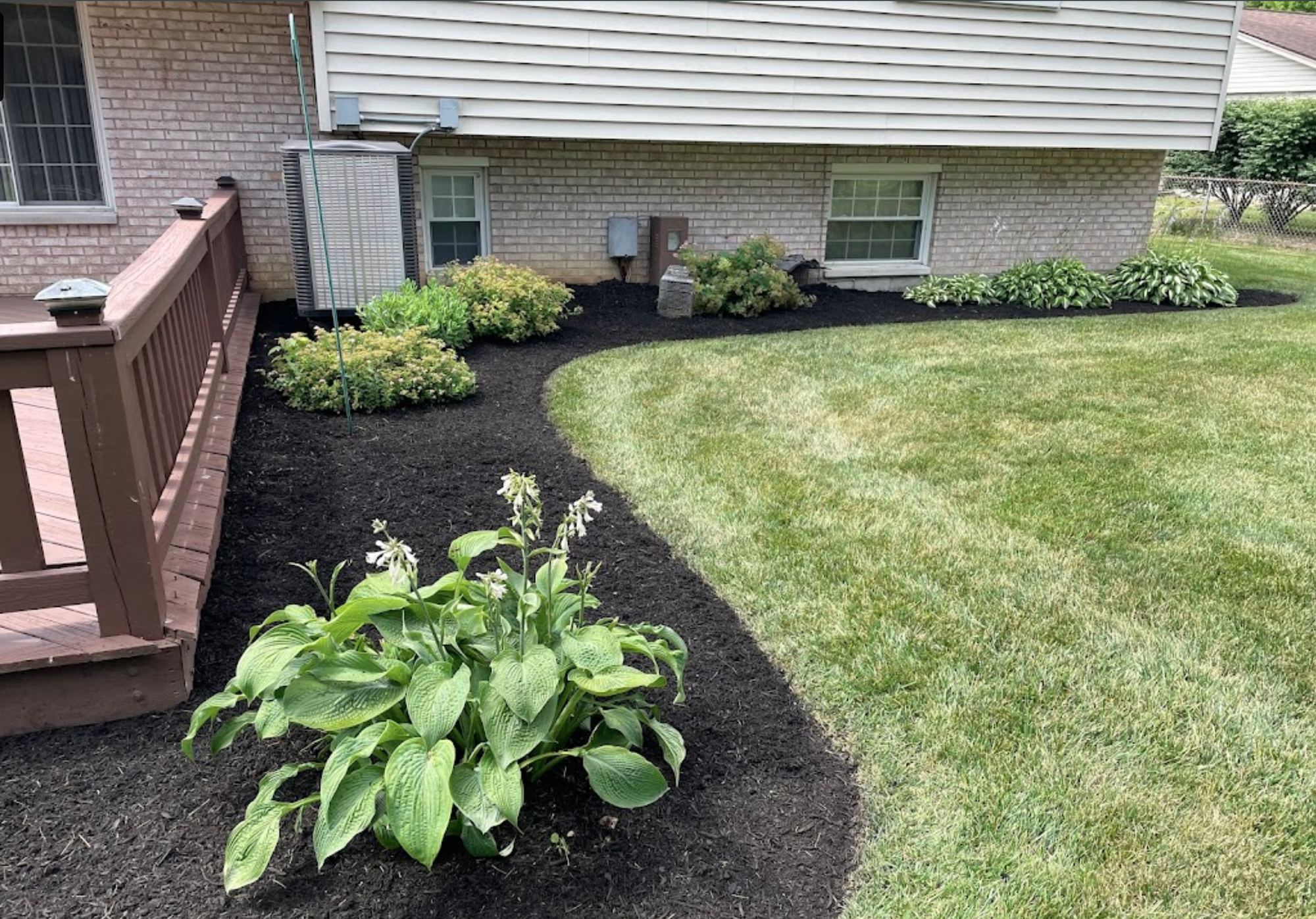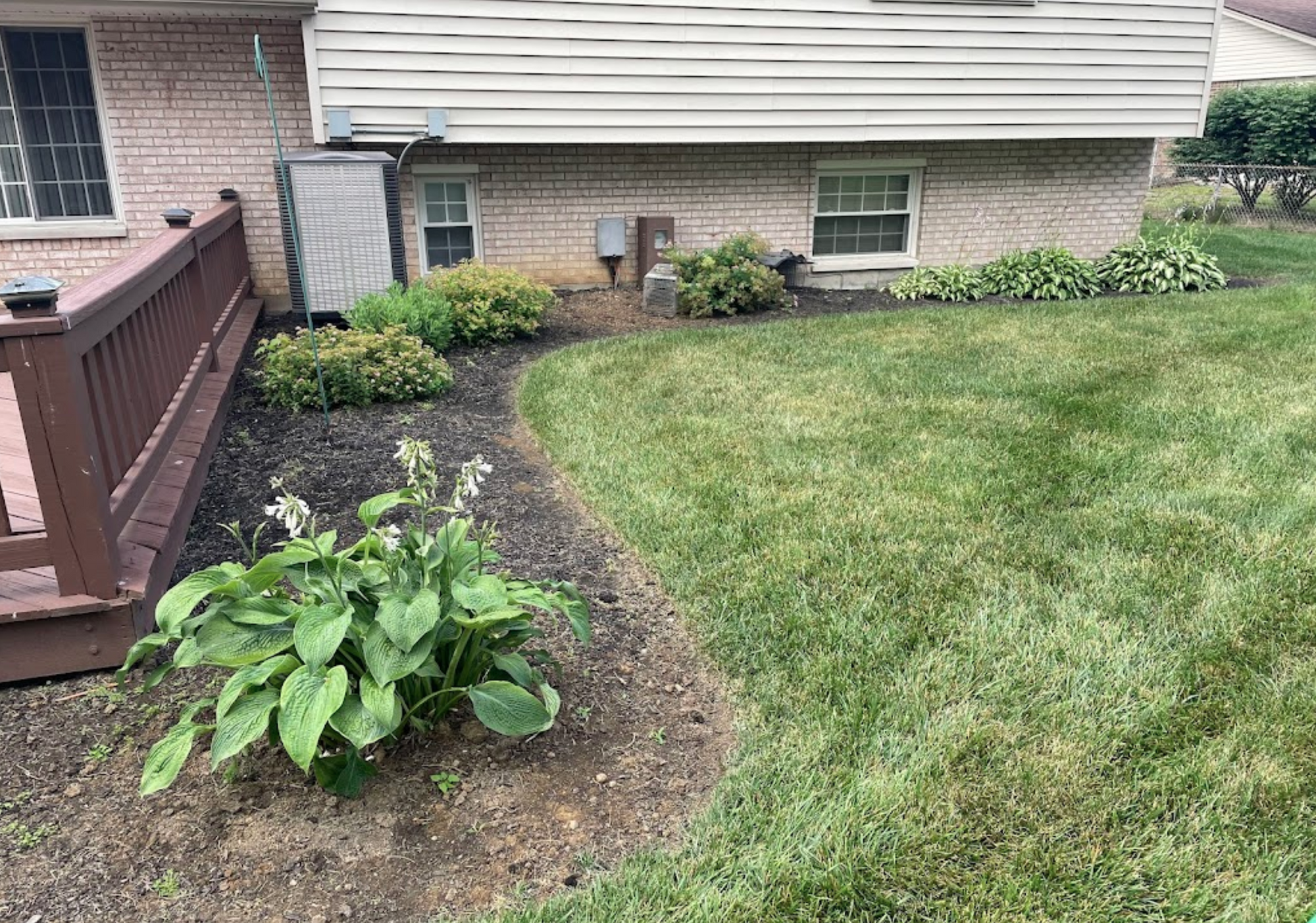

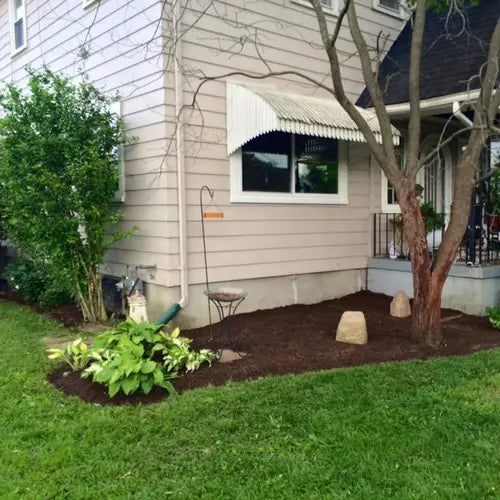



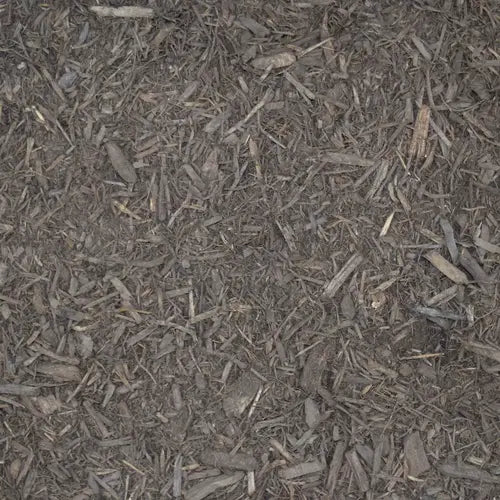
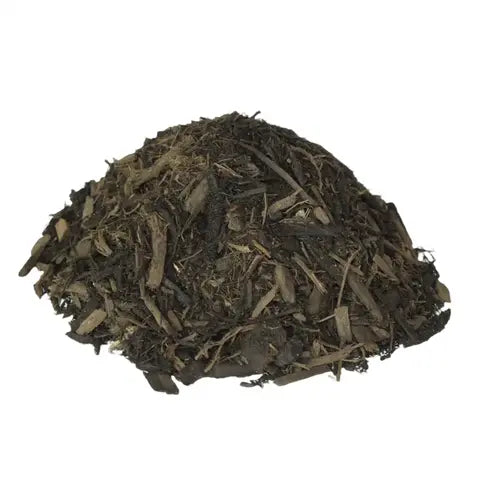

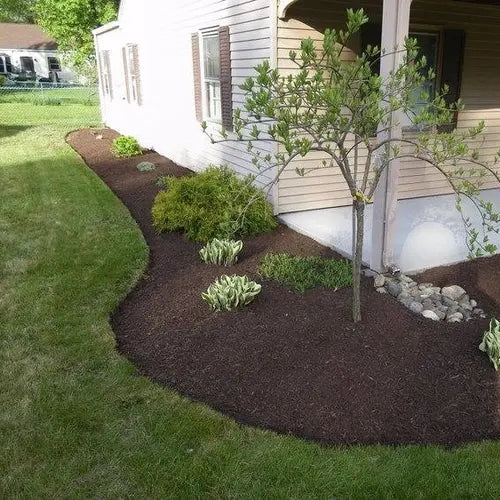

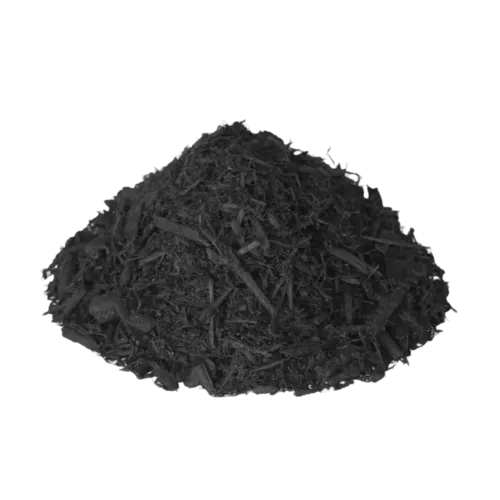




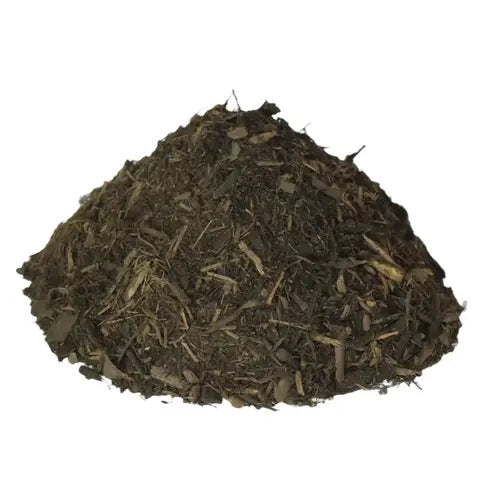




Delivery was smooth and on time! The triple shredded mulch was great quality and just what we were looking for.


Delivery was smooth and on time! The triple shredded mulch was great quality and just what we were looking for.
Thanks! We received your request.
Something went wrong. Please try again.
Couldn't load pickup availability
Delivery was smooth and on time! The triple shredded mulch was great quality and just what we were looking for.
In Elwood's sandy loam beds, 3 inches is the minimum effective depth for meaningful moisture retention and weed suppression through the growing season. For slopes or areas adjacent to high foot traffic, a 4-inch layer provides better stability and extends the time between top-offs.
Use our free mulch calculator
Thanks! We received your request.
Something went wrong. Please try again.

Getting started is easy — just follow these simple steps
Make sure you adjust the quantity to your home's needs. You can use our calculator to estimate how much you'll need.
Select a delivery date you'd like for the product to be dropped off at your home
Sit back, wait, and let us work our magic to make sure the highest quality product is delivered to your driveway.
Delivery was smooth and on time! The triple shredded mulch was great quality and just what we were looking for.
Great experience with mulch mound. Their online calculator made it easy to estimate how many yards of mulch I needed and delivery was quick. I woul...
Great experience with mulch mound. Their online calculator made it easy to estimate how many yards of mulch I needed and delivery was quick. I would definitely recommend them for your future projects.


We needed mulch for our HOA common areas. Local providers were all holding high prices even for 40 yards of mulch. Mulch mound was easy to wowith...
We needed mulch for our HOA common areas. Local providers were all holding high prices even for 40 yards of mulch. Mulch mound was easy to wowith & has great price for natural mulch + delivery schedule options. They called before delivery to ensure Delivery was exactly where we wanted it.


 +2
+2
For Elwood's Sandy Loam type of soil, we recommend 2-3 inches for best weed suppression and moisture retention
Try Our CalculatorMeasure the length and width of each bed in feet and multiply to get the square footage of each area, then add them all together. For Elwood's sandy loam, which drains quickly and benefits from a full 3-inch depth, divide your total square footage by 100 to estimate cubic yards needed. Adding 10 percent to your final number is a smart buffer since thin spots are easy to fill if you have extra material on hand.
Most yards in the Elwood area sit on Sandy Loam type of soil. Elwood's sandy loam drains freely and has a naturally low organic matter content, which means unprotected plant beds can struggle to hold nutrients and moisture through even an average growing season.
Hardwood Mulch
Hardwood mulch is particularly well-suited to Elwood's sandy loam because as it decomposes it contributes organic material that binds sand particles together, gradually improving the soil's ability to hold both moisture and the nutrients that sandy soils are known to release too quickly.
If your beds need a nutrient and organic matter boost before mulching, pair your mulch order with our bulk topsoil or garden soil to rebuild the sandy loam's limited organic content first. Our decorative stone is also a natural complement for edging pathways and borders around mulched planting beds.
Elwood's sandy loam holds nutrients poorly on its own, even when the soil looks healthy and dark. Before spreading mulch in a new or struggling bed, work a couple of inches of compost or blended garden soil into the top 6 inches of the existing ground. The mulch layer on top then slows moisture loss while the improved soil underneath gives plant roots something nutrient-dense to anchor into through the long Zone 7b growing season.
Zone 7b winters in Elwood can deliver hard freezes in November and December even though the overall season is relatively mild compared to areas further north. After the first frost hits around November 1, pull mulch a few inches away from the crowns of perennials and shrubs before mounding it back loosely around the root zone. This small adjustment prevents crown rot from moisture trapped under a frozen mulch layer while still giving roots the insulation they need through January and February.
With 46 inches of annual rainfall distributed across Elwood's calendar, runoff from heavy spring and fall storms can carry loose mulch right out of beds and onto walkways or lawns. Choose a shredded hardwood or bark nugget style that knits together slightly as it settles, rather than a fine loose material that floats easily during downpours. Installing a simple steel bed edge or a border stone along the front of each bed also keeps mulch in place and maintains a clean look even after a hard May or October rain.
Elwood's sandy loam soil drains quickly, which means plant beds can dry out faster than expected even with 46 inches of annual rainfall working in your favor. A consistent layer of mulch slows that moisture loss significantly, giving roots time to absorb water before it percolates down and away from the root zone. The area's freeze-thaw cycle, with a first frost arriving around November 1 and the last frost not clearing until late April, can heave shallow roots and damage perennial crowns if beds are left bare through winter. Mulch acts as an insulating blanket that moderates those soil temperature swings and protects crowns and feeder roots from the hardest cold snaps. In Zone 7b gardens, warm-season weed pressure can be relentless from May through September, and a full 3-inch layer dramatically reduces germination from weed seeds that blow in from neighboring lots. Keeping beds mulched also gives Elwood gardens a finished, intentional appearance throughout the long growing season.
Explore other options for landscape supply delivery in Elwood, New york