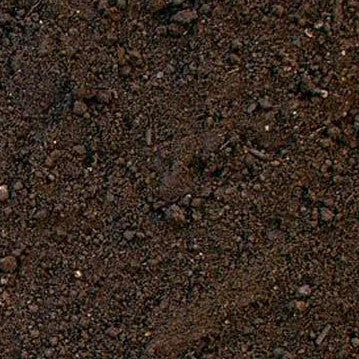
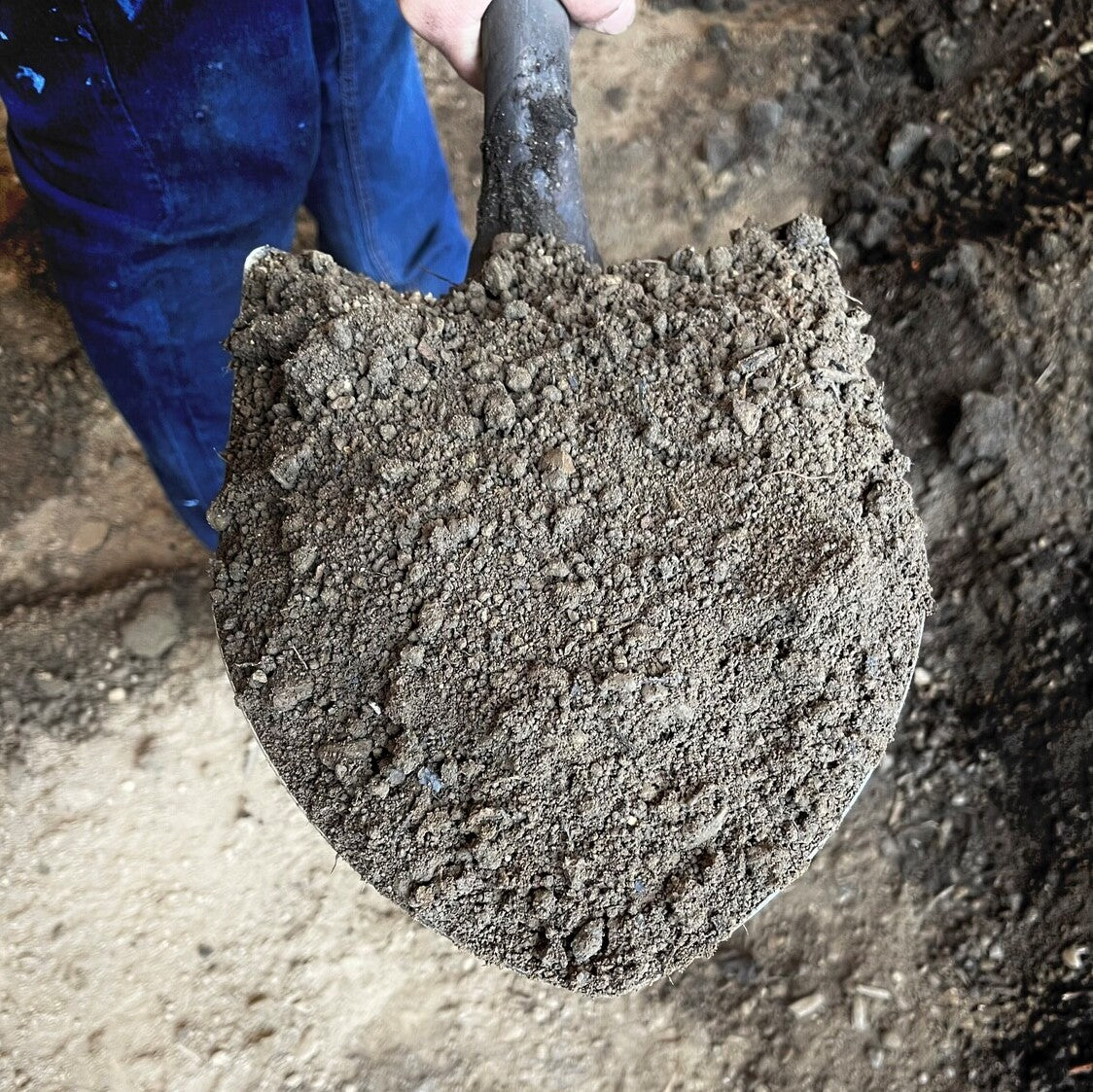
Quality topsoil for lawns, gardens, and landscape projects. Nutrient rich and ready to support strong root development and healthy plant establishment.
My experience with Mulch Mound was great and super easy. I ordered two yards of screened topsoil and was able to get it delivered within 2 days. They came in my requested time frame (afternoon) and dropped it off where I asked on my driveway. The topsoil was exactly what was a...
Tell us what you're looking for
Thanks! We received your request.
Something went wrong. Please try again.
How Much Material Do I Need?
For lawn areas in Elwood, 4 to 6 inches of topsoil is the standard working depth over native sandy loam to support strong grass establishment. Garden beds and raised planters typically need 8 to 12 inches of blended soil to sustain root development through the full growing season from late April through October.
Use our free soil calculator
What is a yard?
A yard is approximately 27 cubic feet. As a general guideline, one yard of material can cover an area of about 100-160 square feet at a 2-3 inch depth.
We hand-pick and partner with the best yards in your region, keep only the ones our buyers rate well, and back each load with our guarantee.
Mulch Mound Guarantee
If your soil isn't the quantity or quality you ordered, we'll make it right.
About this soil
Quality topsoil for lawns, gardens, and landscape projects. Nutrient rich and ready to support strong root development and healthy plant establishment.
My experience with Mulch Mound was great and super easy. I ordered two yards of screened topsoil and was able to get it delivered within 2 days. They came in my requested time frame (afternoon) and dropped it off where I asked on my driveway. The topsoil was exactly what was a...
How Much Material Do I Need?
For lawn areas in Elwood, 4 to 6 inches of topsoil is the standard working depth over native sandy loam to support strong grass establishment. Garden beds and raised planters typically need 8 to 12 inches of blended soil to sustain root development through the full growing season from late April through October.
Use our free soil calculator
What is a yard?
A yard is approximately 27 cubic feet. As a general guideline, one yard of material can cover an area of about 100-160 square feet at a 2-3 inch depth.
My experience with Mulch Mound was great and super easy. I ordered two yards of screened topsoil and was able to get it delivered within 2 days. Th...
Read full review
My experience with Mulch Mound was great and super easy. I ordered two yards of screened topsoil and was able to get it delivered within 2 days. They came in my requested time frame (afternoon) and dropped it off where I asked on my driveway. The topsoil was exactly what was advertised, clean with no rocks or other debris. The price was reasonable. I plan to use them again in a couple weeks to order compost for my garden beds.
Measure your project area in feet and decide on the depth you need, whether that is 4 inches for lawn top-dressing or 12 inches for a raised garden bed. Multiply length by width by depth in feet, then divide by 27 to convert to cubic yards. For Elwood projects, adding 10 percent to your estimate accounts for settling, since even quality topsoil will compact slightly after the first few significant rain events work their way through it.
Soil Types We Deliver in Elwood
Finding quality bulk topsoil by the yard in Elwood is straightforward when you order directly from our delivery team. Long Island's naturally sandy soil often lacks the structure and nutrients that lawns and gardens need to perform well. We deliver every order by the cubic yard, dropped right to your driveway or yard so your project can begin right away.
Screened Top Soil
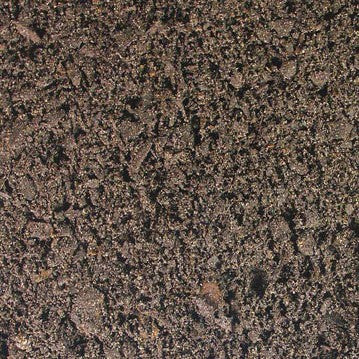
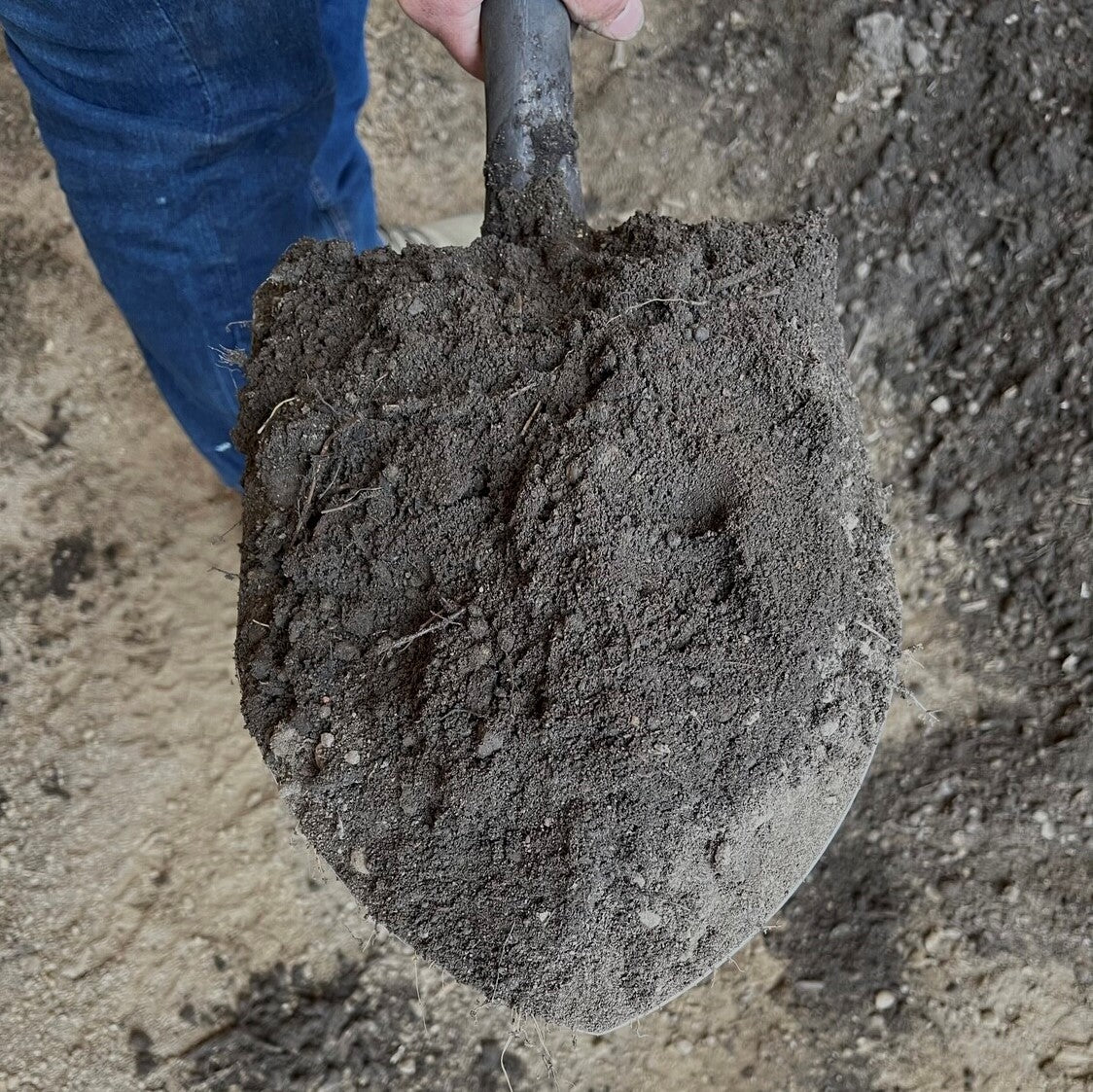
Our screened top soil arrives clean, fine, and free of rocks and debris, making it easy to spread for lawn repairs, grade work, or new planting beds. In this part of Long Island where native sandy soils can drain too freely and lack body, the screened style delivers the structure and nutrients your landscape needs.
Gardening Blend
Our standard gardening blend combines topsoil and compost in a single premixed formula that is ready to plant from the moment it arrives. It gives transplants and seeds a strong start, making it a popular choice for homeowners who want new raised beds and gardens to establish quickly and reliably.
Garden Compost
Our standard garden compost is a nutrient-rich organic amendment that improves soil structure, feeds plants slowly over time, and helps sandy or thin ground hold moisture through the growing season. It suits vegetable beds, flower borders, and shrub plantings, and works especially well mixed into native Long Island soil before planting.
Complete Your Outdoor Soil Project
After your soil work is complete, finish the project with a layer of mulch to lock in moisture and reduce erosion from Elwood's frequent rain events throughout the year. Decorative stone works well around the perimeter of graded areas and raised beds to define edges cleanly and prevent soil from washing out during heavy downpours.
What type of soil should I use to improve my Elwood yard?
For most Elwood properties built on native sandy loam, a blended topsoil with added organic matter is the most effective upgrade. It improves nutrient retention and moisture-holding capacity without creating drainage problems, since sandy loam already drains freely and the last thing you want is to introduce a heavy clay-dominant mix that causes waterlogging during Elwood's wetter months.
Answer
How deep should I add topsoil when seeding a new lawn area in Elwood?
For lawn seeding in Elwood, 4 to 6 inches of quality topsoil gives grass roots enough material to establish before they reach the native sandy loam beneath. Shallow soil layers dry out quickly in sandy conditions, so the added depth makes a meaningful difference in how evenly the lawn fills in and how well it holds up during dry summer stretches without constant irrigation.
Answer
Can I use bulk soil to fill low spots in my yard that pond after heavy rain?
Yes, and in Elwood where 46 inches of annual rainfall can expose grading problems very quickly, filling low spots with a firm topsoil and re-grading the surface is one of the most practical fixes available. Work the fill in layers rather than all at once, and firm each layer lightly with a tamper so the soil does not settle unevenly after the next significant rain event.
Answer
When is the best time of year to do soil work in Elwood?
Late April through May is ideal once the last frost has passed around April 27 and the soil is workable but not overly saturated from spring rain. Fall is the second-best window, from early September through mid-October, which gives you enough time to grade, seed, or plant before the November 1 first frost shuts down establishment for the year.
Answer
How much topsoil do I need for a standard raised garden bed?
A raised bed that is 4 feet by 8 feet and 12 inches deep needs roughly 1.2 cubic yards of soil. For Elwood vegetable gardeners, filling raised beds with a blended garden soil mix rather than native sandy loam gives you full control over drainage and fertility from the start, which translates directly into stronger plant growth and better yields through the growing season.
Answer
Will adding topsoil actually help with the poor water retention in my sandy loam yard?
It will, especially if the topsoil you choose has a meaningful organic matter content. In Elwood's sandy loam, organic material works like a slow-release sponge that holds moisture and nutrients in the root zone. Even a 3-inch layer of quality topsoil blended into the top 6 inches of existing soil can noticeably improve how long moisture stays available to roots after a rain before the sandy base pulls it down.
Answer
Is bulk topsoil safe to use directly in vegetable gardens?
Our bulk topsoil works well as a structural base or fill material, but for edible beds we recommend our garden soil blend, which is screened and formulated with compost for higher fertility. Given Elwood's sandy loam base, a richer garden soil mix in raised vegetable beds compensates for the low nutrient retention of the native ground and supports the heavier feeding that vegetables like tomatoes, peppers, and squash need through a long Zone 7b growing season.
Mulch Mound Pro Tip
When grading low spots in an Elwood yard, work in layers rather than dumping all the fill soil at once. Adding fill in 2 to 3 inch lifts and firming each layer with a tamper or lawn roller gives the surface much more stability after heavy rain. The sandy loam underneath can shift as water moves through it, and layered compaction prevents the uneven settling that leaves new low spots forming right where you filled the old ones.
Mulch Mound Pro Tip
If you are prepping a new vegetable bed in Elwood, do not simply pile fresh soil on top of the existing ground surface. Till or loosen the native sandy loam 6 to 8 inches deep before adding your new soil on top. This breaks up any surface crust and creates a seamless transition zone so vegetable roots can travel down through both layers without hitting a hard boundary between old and new soil.
Mulch Mound Pro Tip
Elwood's 46 inches of annual rainfall means any bare soil left exposed after grading is vulnerable to erosion and nutrient runoff, particularly during active rain periods in spring and fall. After placing your topsoil, seed or plant as quickly as the schedule allows and apply a light straw mulch or erosion mat over slopes to hold the surface until vegetation establishes. Even a single heavy rain in May or early October can wash away a surprising amount of freshly placed fine-textured topsoil before it has had time to settle and knit together.
The Unique Landscape of Elwood
Elwood's native sandy loam is workable and well-drained, but those same qualities that make it easy to dig also mean it struggles to retain the nutrients and moisture that healthy lawns and garden beds demand across a full growing season. When you are grading a yard, filling raised beds, or repairing low spots that collect water, the native soil often lacks the organic content needed to support strong plant establishment. With a growing season that opens after April 27 and runs through early November, there is a real and productive window to get soil work done right and see results before frost shuts things down. Bulk topsoil or blended garden soil lets you correct deficiencies where they exist, whether that is a thin lawn area, a new vegetable bed, or a slope that needs stabilizing. Because Elwood receives about 46 inches of rain annually, proper grading and soil composition also directly affect how water moves away from foundations and hardscaping after heavy events. Getting the right soil in place before planting makes every other landscape effort more effective and longer-lasting.