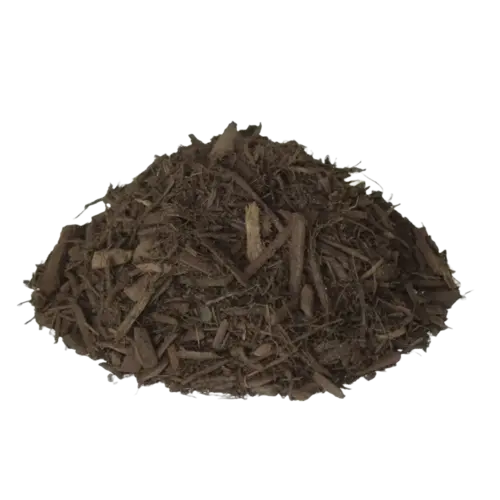
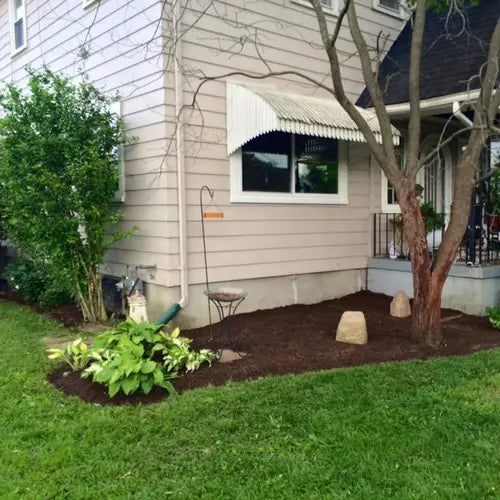
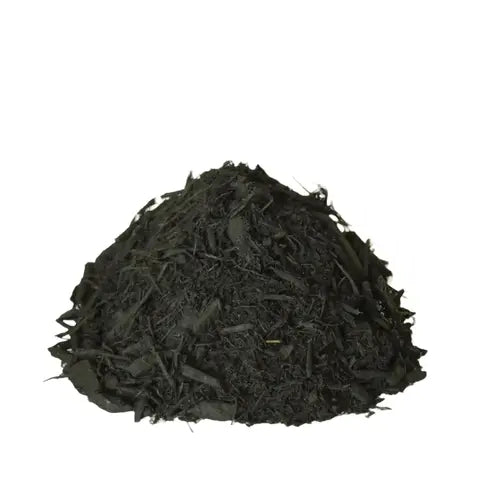
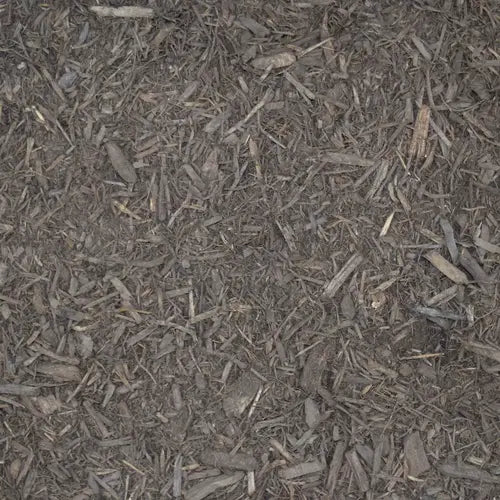
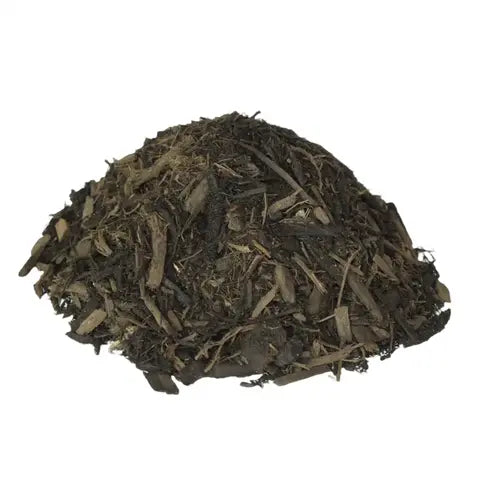
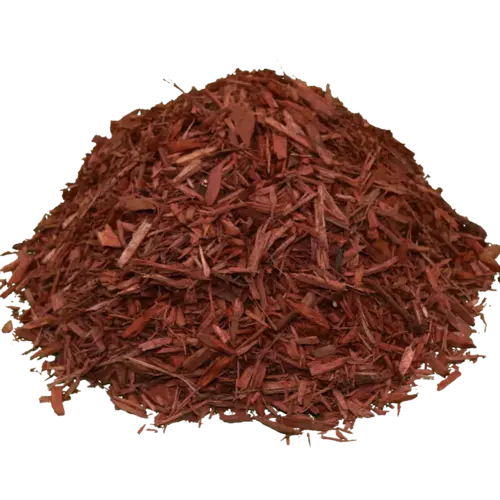
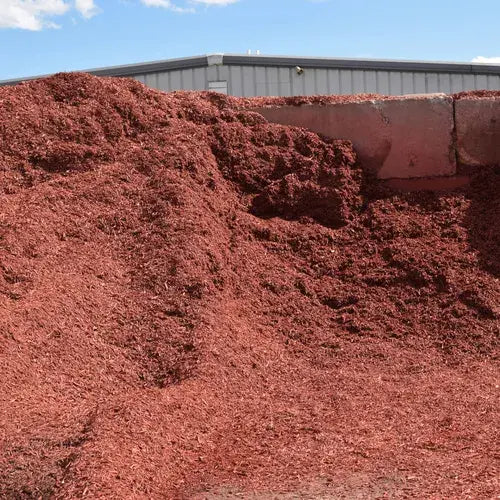
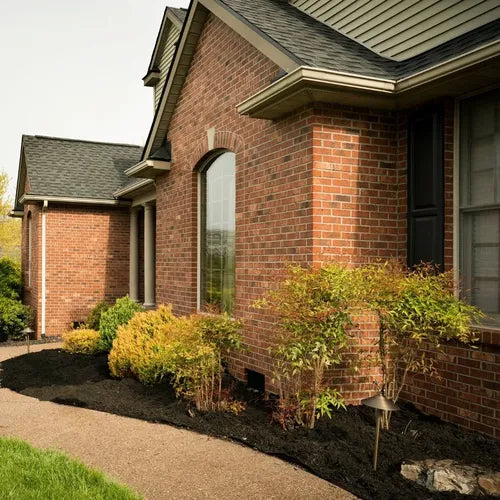
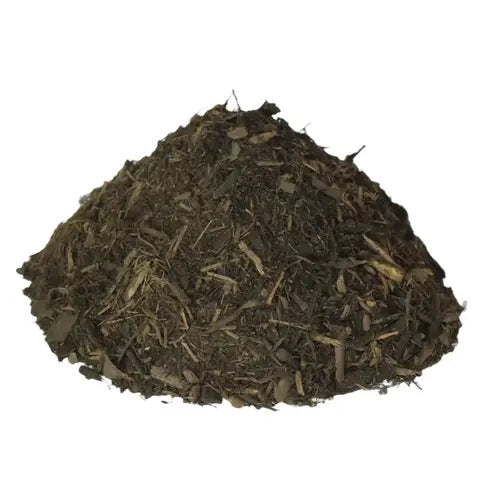
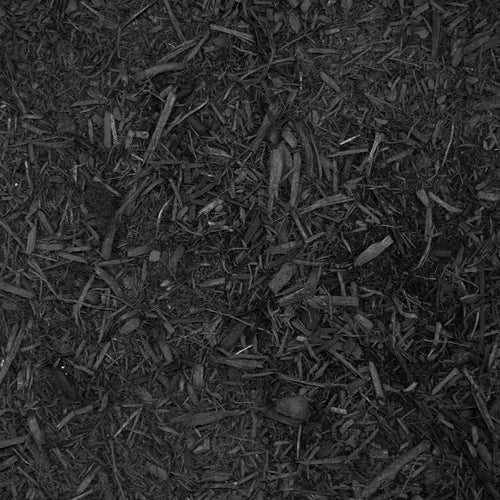
Warm brown double shredded mulch with lasting color that looks freshly applied for weeks. Spreads smooth, stays put, and gives beds a natural, polished appearance.
Mulch Mound delivered a yard of pea gravel to us. Delivery was on time, driver was friendly and hit a bullseye on the “tarp target”. We used the pea gravel (which was diameter as specified) to fill several muskrat holes around our pond. I would definitely recommend Mulch Mo...
Warm brown double shredded mulch with lasting color that looks freshly applied for weeks. Spreads smooth, stays put, and gives beds a natural, polished appearance.
Mulch Mound delivered a yard of pea gravel to us. Delivery was on time, driver was friendly and hit a bullseye on the “tarp target”. We used the pea gravel (which was diameter as specified) to fill several muskrat holes around our pond. I would definitely recommend Mulch Mo...
How Much Material Do I Need?
For Lake Grove's fast-draining sandy loam, a 3-inch layer of mulch is the sweet spot that balances moisture retention and oxygen flow to roots. Beds with larger ornamental plants may benefit from a full 4-inch application to maximize weed suppression through the long Zone 7b growing season.
Use our free mulch calculator
What is a yard?
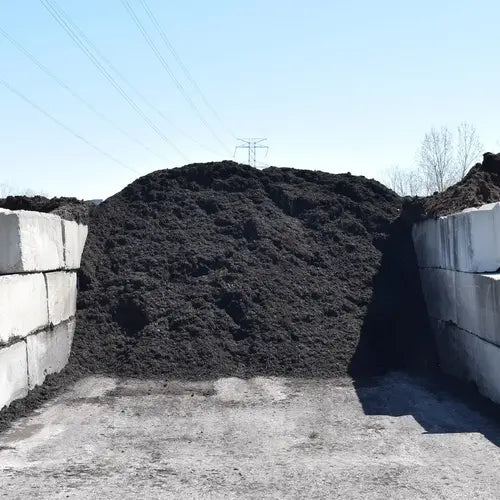
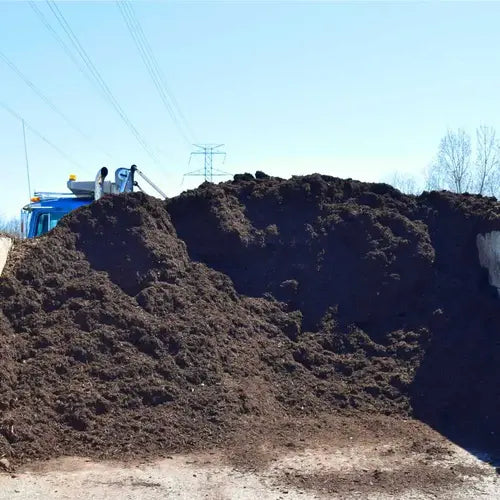
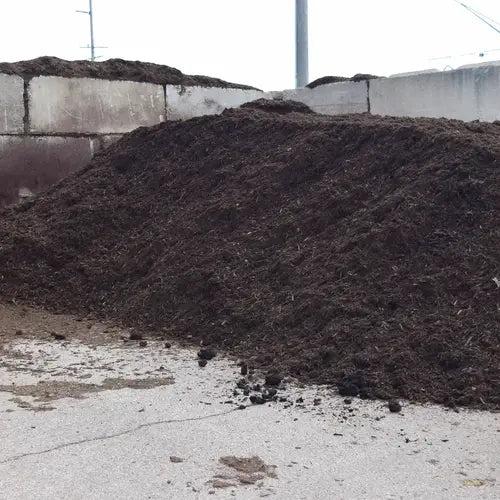
A yard is approximately 27 cubic feet. As a general guideline, one yard of material can cover an area of about 100-160 square feet at a 2-3 inch depth.
Mulch Mound delivered a yard of pea gravel to us. Delivery was on time, driver was friendly and hit a bullseye on the “tarp target”. We used the ...
Read full review
Mulch Mound delivered a yard of pea gravel to us. Delivery was on time, driver was friendly and hit a bullseye on the “tarp target”. We used the pea gravel (which was diameter as specified) to fill several muskrat holes around our pond. I would definitely recommend Mulch Mound to a friend!
UPDATE!
I can’t say enough good things about Mulch Mound! If you read my review below you will see I had a problem with my order. Mulch Mound was...
Read full review
UPDATE!
I can’t say enough good things about Mulch Mound! If you read my review below you will see I had a problem with my order. Mulch Mound was quick to respond and solved the issue with my delivery. Will definitely be a customer next year.
First time purchase from Mulch Mound!! First what I liked! Easy to order online and straight forward pricing and delivery. The driver was on time and courteous and delivered my Mulch exactly where I requested! The product is of good quality and comparable to others I have purchased from before. Now what I DID’NT LIKE! I have been mulching the same house and yard for almost 20 years. I always order the same amount and don’t have any issues with covering the same area but this year I fell about a yard short. I was home when the mulch was delivered and when the driver dumped it I noticed that it seemed a bit less than I was used to. I didn’t apply it any thicker than usual and probably a bit thinner than usual because I was worried about running out.
To estimate how much mulch you need in Lake Grove, measure the length and width of each bed in feet and multiply to get square footage. Divide that number by 100 to get the cubic yards needed for a 3-inch layer, which is the recommended depth for sandy loam beds that need strong moisture retention. Add up all your bed areas before ordering to make sure one delivery covers your full project.
Mulch vs. No Mulch: The Difference
Lake Grove's combination of warm summers, 46 inches of annual rainfall, and fast-draining sandy loam creates ideal conditions for rapid organic mulch decomposition. Natural hardwood mulches break down more quickly here than in cooler or drier climates, which means they are steadily feeding your soil with organic matter throughout the growing season. Dyed mulches use a more processed wood base that decomposes more slowly, making them a better choice when you want longer-lasting color and coverage with less frequent top-dressing.
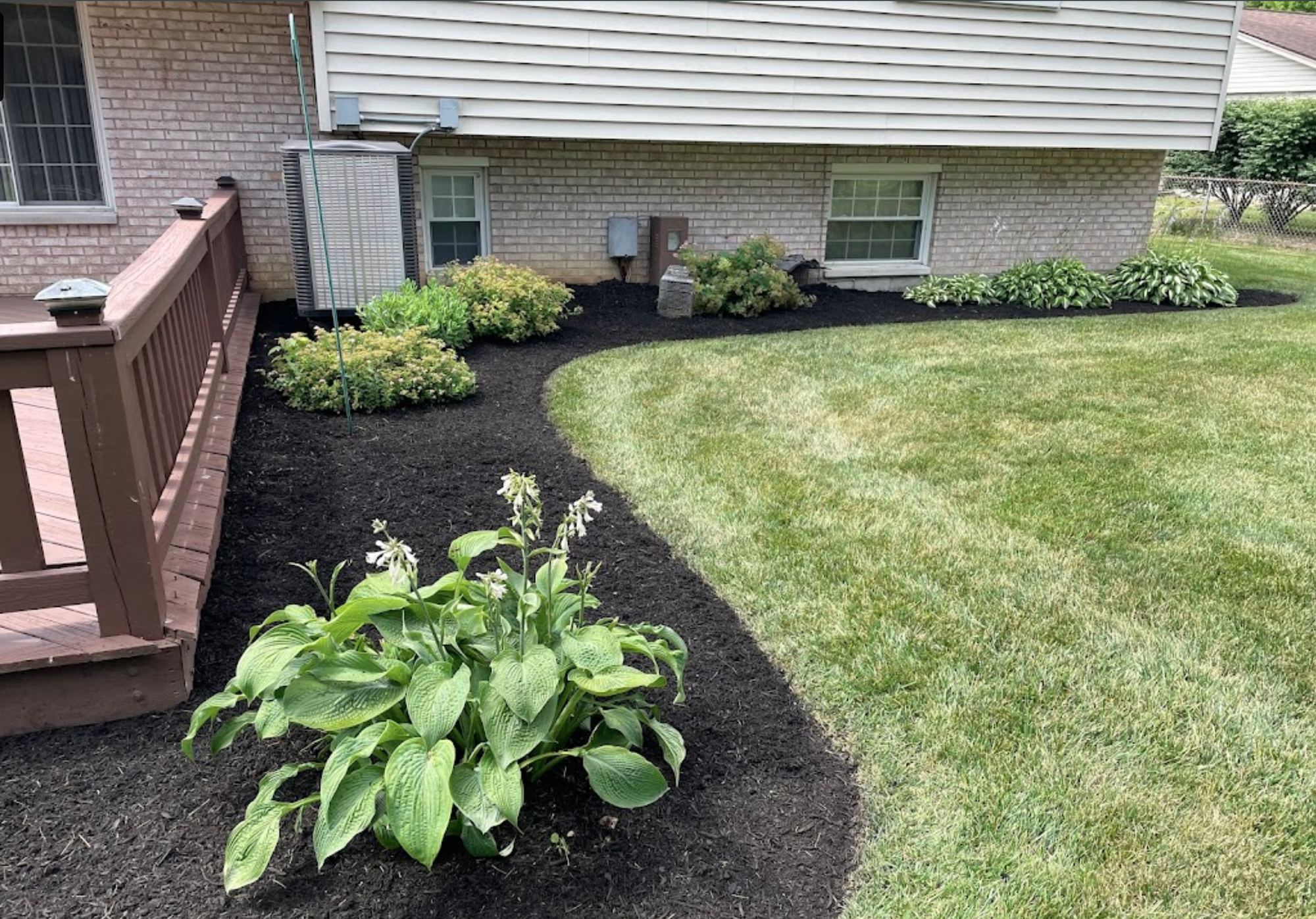
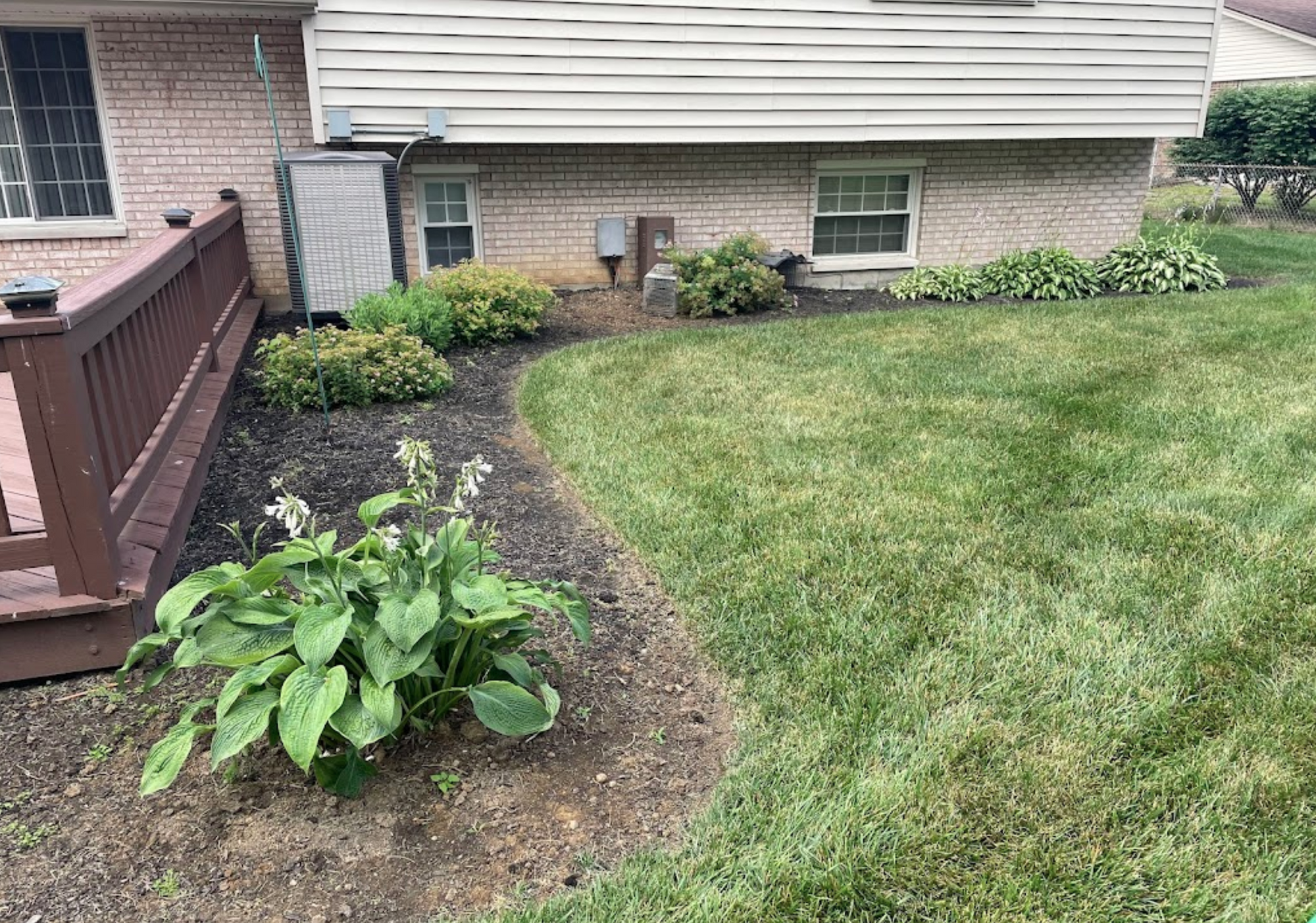
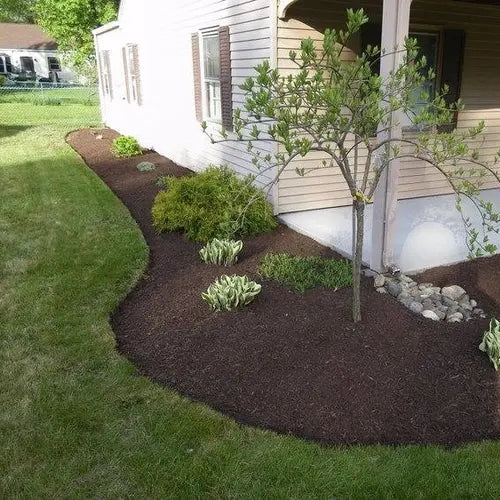
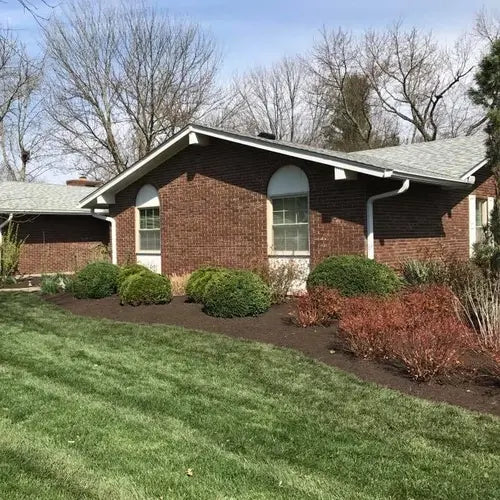
Before
After
Best Mulch Choice for Lake Grove Lawns
Most yards in the Lake Grove area sit on Sandy Loam type of soil. Lake Grove's sandy loam lacks the clay particles and organic matter that help heavier soils retain structure and nutrients in planting beds. Without regular organic additions, sandy loam beds tend to lose nutrients through leaching, especially during the wet spring months when rainfall moves water through the soil quickly.
Hardwood Mulch
Hardwood mulch is particularly well suited for Lake Grove's sandy loam beds because as it breaks down it contributes organic material and mild nutrients directly into the soil profile. This gradual decomposition process improves soil structure over time, helping sandy loam hold moisture and nutrients a little longer between waterings and rain events.
Complete Your Outdoor Mulch Project
If your sandy loam beds need more than moisture help, pairing mulch with a quality topsoil or garden soil can build up organic content before you mulch over the top. Adding stone edging or border gravel around your beds also keeps mulch neatly contained through Lake Grove's rainy spring and fall seasons.
Before laying mulch in your Lake Grove beds, pull back any existing layer and check for compaction beneath it. Sandy loam can compact over time despite its drainage properties, especially in high-foot-traffic areas. Loosen the top 2 inches of soil and rake it smooth before applying fresh mulch. This allows new moisture to penetrate the soil rather than sitting on a hard crust just below your mulch layer.
Mulch Mound Pro Tip
Keep mulch pulled back 2 to 3 inches from the base of shrub and tree trunks in your Lake Grove yard. The humidity that builds under mulch during Long Island summers creates conditions favorable for fungal disease and crown rot. This is especially important for newly planted trees and shrubs in Zone 7b, where the growing season is long enough for fungal problems to develop from early spring through late fall.
Mulch Mound Pro Tip
Lake Grove receives about 46 inches of rain per year, which is enough to compact loose mulch and create thin spots over time. Check your beds after heavy spring and fall rains and rake mulch back to an even depth across the entire bed. Topping off with a fresh half-inch layer after a hard rain keeps your beds looking sharp and maintains the moisture-retention benefits that your sandy loam soil needs most throughout the growing season.
Frequently Asked Questions
Click a question to see the answer
Answer
How often should I refresh mulch in Lake Grove given the rainfall we get?
In Lake Grove, the combination of 46 inches of annual rainfall and fast-draining sandy loam means mulch breaks down faster than it would in heavier clay soils. Plan to top-dress your beds once a year, typically in mid-spring after the last frost around April 7, and again in late fall before the November frost to ensure consistent coverage through the cold months.
Answer
Will mulch help with the dry spells my garden hits during summer on Long Island?
Yes, mulch is one of the most effective tools for managing the dry spells that hit Lake Grove gardens during July and August. Sandy loam loses moisture quickly, but a 3-inch layer of mulch can cut surface evaporation significantly, helping plant roots access water between rain events without requiring daily irrigation.
Answer
My beds are in sandy loam. Does mulch actually make a measurable difference in how often I need to water?
Absolutely. Sandy loam in Lake Grove drains so efficiently that unprotected beds can become dry enough to stress plants within a day or two of rain. Mulch acts as a barrier that slows evaporation and gives roots time to absorb moisture before it percolates too deep into the soil profile.
Answer
What is the best time of year to put down mulch in Lake Grove?
The ideal timing in Lake Grove is late April, after the last frost passes around April 7 and soil temperatures have begun to warm. Applying too early can trap cold and delay planting, while waiting too long into May means missing the window to suppress early-season weed germination before weeds take hold.
Answer
How deep should I apply mulch around my plants in my Lake Grove yard?
For Lake Grove's sandy loam beds, a depth of 2 to 3 inches is ideal. Going thinner than 2 inches will not provide enough insulation or moisture retention, and going deeper than 4 inches can limit oxygen exchange at the root zone and encourage excess moisture buildup around plant crowns.
Answer
Does dyed mulch hold its color well given how much rain Lake Grove gets each year?
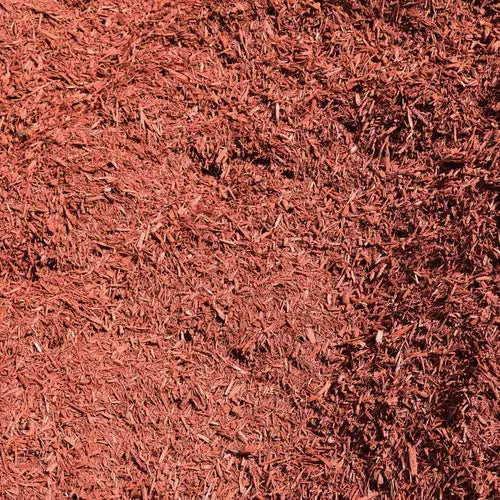
Dyed mulch performs reasonably well in Lake Grove's climate, but the 46 inches of annual rainfall does accelerate color fading compared to drier regions. Expect vibrant color to last one full season before noticeable fading occurs. Natural hardwood mulches weather gracefully to a silver-gray that many Lake Grove homeowners find equally attractive over time.
Answer
Can mulch help protect my plants over the winter in Zone 7b?
Yes. Mulch applied in late October or early November before Lake Grove's first frost around November 7 acts as an insulating blanket over root zones. This is especially helpful for marginally hardy perennials in Zone 7b that can be damaged by soil freeze-thaw cycles during December and January cold snaps on Long Island.
The Unique Landscape of Lake Grove
Lake Grove's sandy loam soil is notoriously fast-draining, which means plant beds can dry out quickly even after a good rain. While the area receives about 46 inches of rain per year, that moisture moves through sandy loam so rapidly that plant roots often experience drought stress between storms. A consistent layer of mulch slows that moisture loss dramatically, acting as a buffer between the soil surface and the drying effects of Long Island's summer sun and wind. With a last frost date around April 7 and a first frost as late as November 7, Lake Grove gardeners have a long growing season to protect. Mulch also moderates soil temperature swings, which are especially important in Zone 7b where spring and fall can bring wide daily temperature ranges. Keeping beds mulched throughout the season reduces weeding time and helps maintain the curb appeal that Lake Grove homeowners work hard to achieve.













 +2
+2