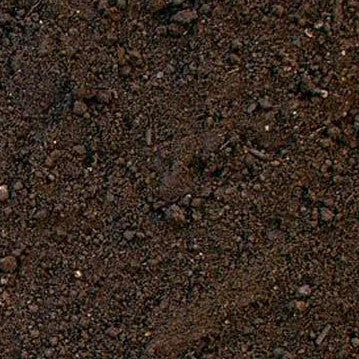
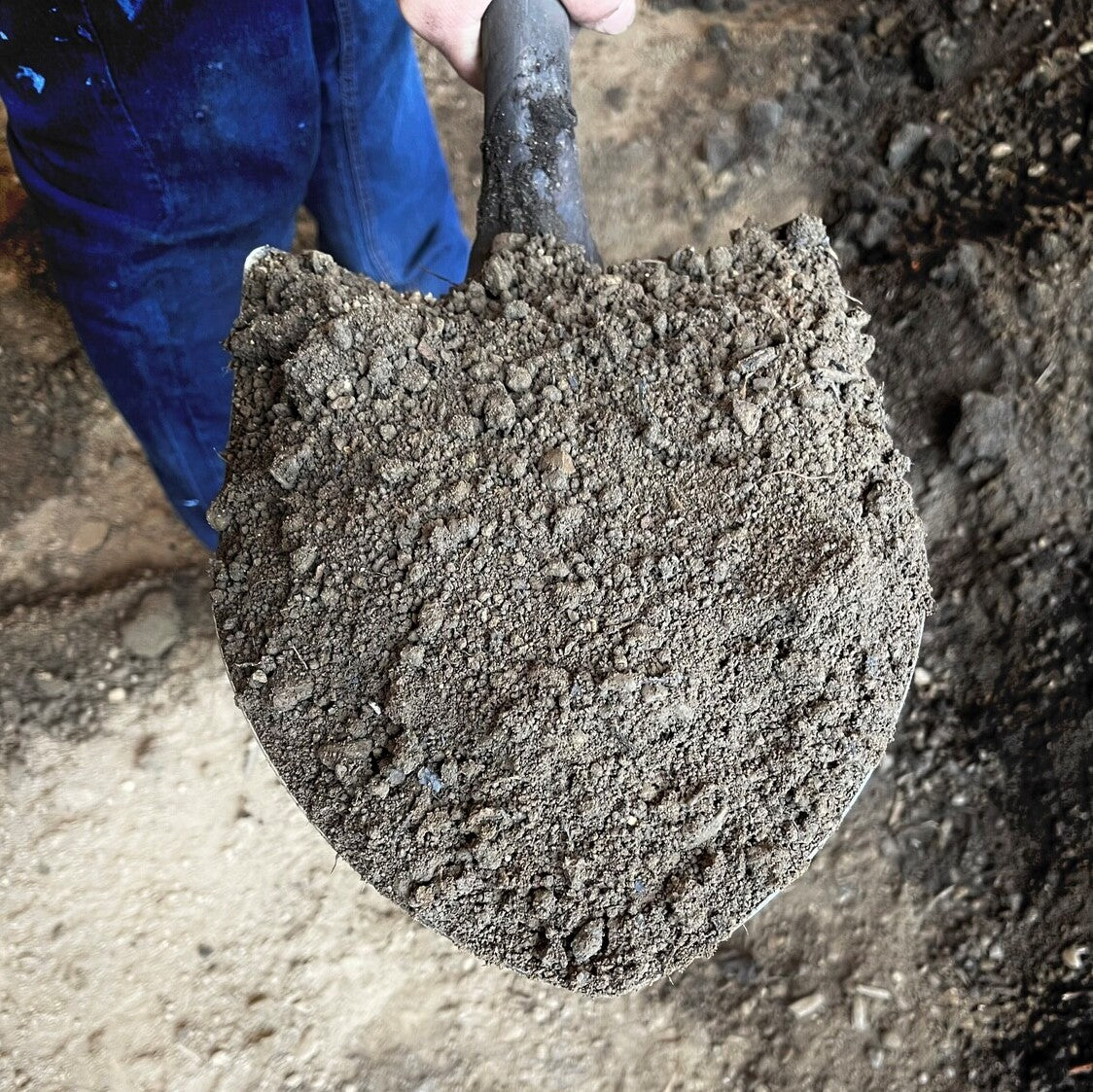
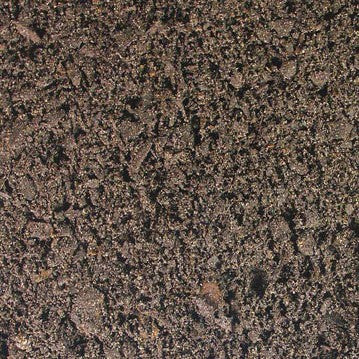
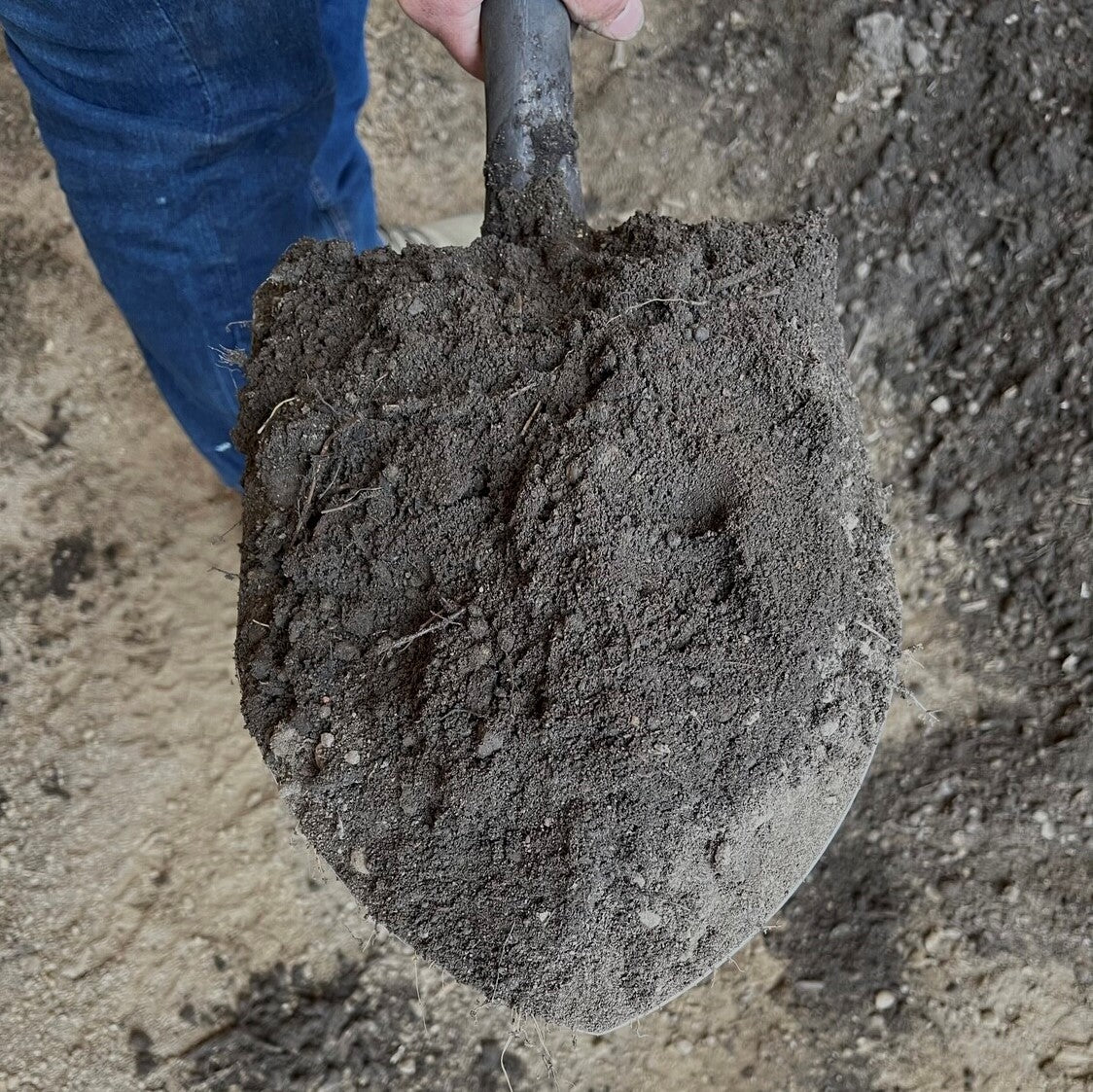
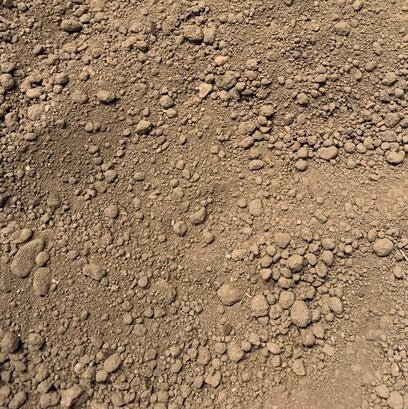
Quality topsoil for lawns, gardens, and landscape projects. Nutrient rich and ready to support strong root development and healthy plant establishment.
This review compares my experience with Mulch Mound compared to another local company that has delivered soil to me. The soil purchased from Mulch Mound was for two more of my large raised beds for flowers and vegetables-- I have 8 total beds. 1st- the ordering process was v...
Quality topsoil for lawns, gardens, and landscape projects. Nutrient rich and ready to support strong root development and healthy plant establishment.
This review compares my experience with Mulch Mound compared to another local company that has delivered soil to me. The soil purchased from Mulch Mound was for two more of my large raised beds for flowers and vegetables-- I have 8 total beds. 1st- the ordering process was v...
How Much Material Do I Need?
For new garden beds in Lake Grove's sandy loam, adding 4 to 6 inches of quality soil gives roots a meaningful improvement in moisture retention and nutrient access. For lawn leveling, a 1 to 2 inch topdress is usually enough to smooth out grade variations without burying existing turf.
Use our free soil calculator
What is a yard?
A yard is approximately 27 cubic feet. As a general guideline, one yard of material can cover an area of about 100-160 square feet at a 2-3 inch depth.
This review compares my experience with Mulch Mound compared to another local company that has delivered soil to me. The soil purchased from Mulch...
Read full review
This review compares my experience with Mulch Mound compared to another local company that has delivered soil to me. The soil purchased from Mulch Mound was for two more of my large raised beds for flowers and vegetables-- I have 8 total beds. 1st- the ordering process was very easier with Mulch Mound and I was impressed with the follow-ups regarding my order and delivery. The soil calculator was easy to use but would not let me order 1.5 yards so I have too much left over soil. The wait time for delivery was very short and the actual delivery was excellent. The soil was deposited in the exact location requested. The biggest difference between the two companies was the quality of the soil. The Mulch Mound was not adequately ground up or pulverized. There a significant number of larger and smaller dirt clumbs that seemed to be clay and very difficult to break up. In fact, I have a 12 inch bolder of dirt that is solid. I never have had big dirt clods or a boulder with the other company. So, I am not sure if the Mulch Mound dirt is just landfill dirt or actual garden soil with compost like the other company, The other reviews were very positive about their soil quality so I may have just received a lower quality batch. I just hope this will be good for growing.
To figure out how much soil you need for a Lake Grove project, measure the length, width, and desired depth of your fill area in feet, then multiply all three numbers and divide by 27 to convert to cubic yards. For lawn leveling projects, keep in mind that Lake Grove's sandy loam means you should rarely need more than a 2-inch topdressing before grass seed is applied.
Complete Your Outdoor Soil Project
Once your beds are graded and filled, adding a layer of mulch on top locks in the moisture your new soil provides, which is especially important during Lake Grove's dry summer stretches when sandy loam drains quickly. Stone edging or border gravel can also be paired with soil work to create clean, defined beds that hold their shape through heavy rains.
What kind of soil should I bring in to improve my Lake Grove garden beds that are already in sandy loam?
For Lake Grove gardens planted in sandy loam, a blended topsoil with added compost or organic matter is the best choice. It improves moisture retention without blocking the natural drainage your native soil already provides. Look for a loamy blend that adds structure and nutrients, especially if you are growing vegetables or moisture-loving perennials that struggle in unamended sandy loam.
Answer
How much topsoil do I need to level out a patchy and uneven lawn in Lake Grove?
For lawn leveling in Lake Grove, you generally need about one cubic yard of topsoil per 100 square feet at a 3-inch fill depth. If your low spots are shallow, a half-inch topdress of screened topsoil raked into the surface can level things out without smothering existing grass. Always use a soil blend that closely matches the sandy loam texture of the surrounding area to avoid creating drainage transitions that cause pooling.
Answer
Can I use bulk soil to build raised vegetable beds in Lake Grove, and is it worth the effort?
Absolutely. Raised vegetable beds are an excellent solution for Lake Grove gardeners who are frustrated by sandy loam's tendency to dry out quickly and hold few nutrients. Fill raised beds with a rich garden soil blend to give vegetables the moisture retention, organic matter, and consistent fertility that native soil cannot provide on its own. With Zone 7b's long season from April through November, well-built raised beds can be extremely productive.
Answer
How does Lake Grove's sandy loam affect how deep I need to work soil amendments into my beds?
In Lake Grove's sandy loam, organic amendments tend to migrate downward over time because there is little clay to hold them in the upper profile. Tilling new soil 6 to 8 inches deep rather than just surface dressing helps integrate the amendment more thoroughly and gives root systems access to improved conditions through the full growing season.
Answer
Is bulk topsoil safe to use directly on a lawn area or does it need to be blended with something first?
Screened topsoil can absolutely be used in lawn areas in Lake Grove as long as you select a blend with a texture close to your existing sandy loam. Avoid heavy clay-based soils, which can create a layering effect that traps water above your native soil and causes soft, soggy patches during Lake Grove's wet spring months.
Answer
When is the best time of year to have soil delivered and spread on my Lake Grove property?
The best windows for bringing in soil in Lake Grove are early spring after the ground thaws and before your last frost around April 7, or early fall in September when soil temperatures are still warm enough to support grass seeding or plant establishment before the November freeze. Avoid working wet soil during March, when spring rains keep Lake Grove yards saturated and difficult to grade properly.
Answer
Will adding topsoil actually help with the drainage issues I have in certain parts of my yard?
Bulk soil can help manage drainage in targeted areas, but in Lake Grove it depends on the type of drainage problem you are dealing with. If a low spot in your yard pools after rain, filling and grading with quality topsoil can redirect water flow effectively. However, if your yard has a high water table or compacted subsoil below the sandy loam layer, topsoil alone may not be enough and a drainage solution may also be needed.
Mulch Mound Pro Tip
When filling new garden beds in Lake Grove, resist the temptation to pile all your new soil on top of the existing sandy loam without any integration. Use a tiller or garden fork to blend the top 3 to 4 inches of native soil with your new material before adding the remaining depth. This eliminates the abrupt soil transition that can cause water to pond at the interface layer, which is a common issue on Long Island properties with layered soil profiles.
Mulch Mound Pro Tip
If you are using bulk topsoil to repair bare or patchy lawn areas in Lake Grove, wait until late April or early September for best results. Seeding into new soil just before summer heat arrives means your seed will face drought stress in shallow sandy loam before roots have time to establish. Both the spring and fall windows in Lake Grove offer cooler temperatures and more reliable soil moisture for new grass to take hold successfully.
Mulch Mound Pro Tip
For raised vegetable gardens in Lake Grove, fill to at least 10 to 12 inches of quality soil to give plants a deep enough root zone to avoid the dry and nutrient-poor sandy loam below. This depth is especially important for root vegetables like carrots and beets, which struggle to form properly in the loose and lean native soil. With Zone 7b's long frost-free season, a well-built raised bed can support two full planting cycles per year.
The Unique Landscape of Lake Grove
Lake Grove's native sandy loam is a workable but nutrient-lean foundation that benefits greatly from quality soil amendments before any serious gardening or lawn project. Sandy loam drains fast, which is a blessing during heavy rains but a real challenge during dry stretches when it sheds water before roots can absorb it. Homeowners grading new beds, leveling lawns, or establishing raised vegetable gardens need a soil blend that adds organic matter and improves moisture retention without choking the natural drainage that Long Island yards rely on. The growing season in Lake Grove runs from the last frost around April 7 through the first frost in early November, giving you roughly seven months to work the land productively. Bringing in quality topsoil or garden soil gives you the control to build beds on your own terms rather than fighting the limitations of what is already in the ground. Whether you are filling a low spot in the lawn, building up a new garden bed, or establishing foundation plantings, the right soil delivers a head start that Lake Grove's native ground simply cannot provide on its own.