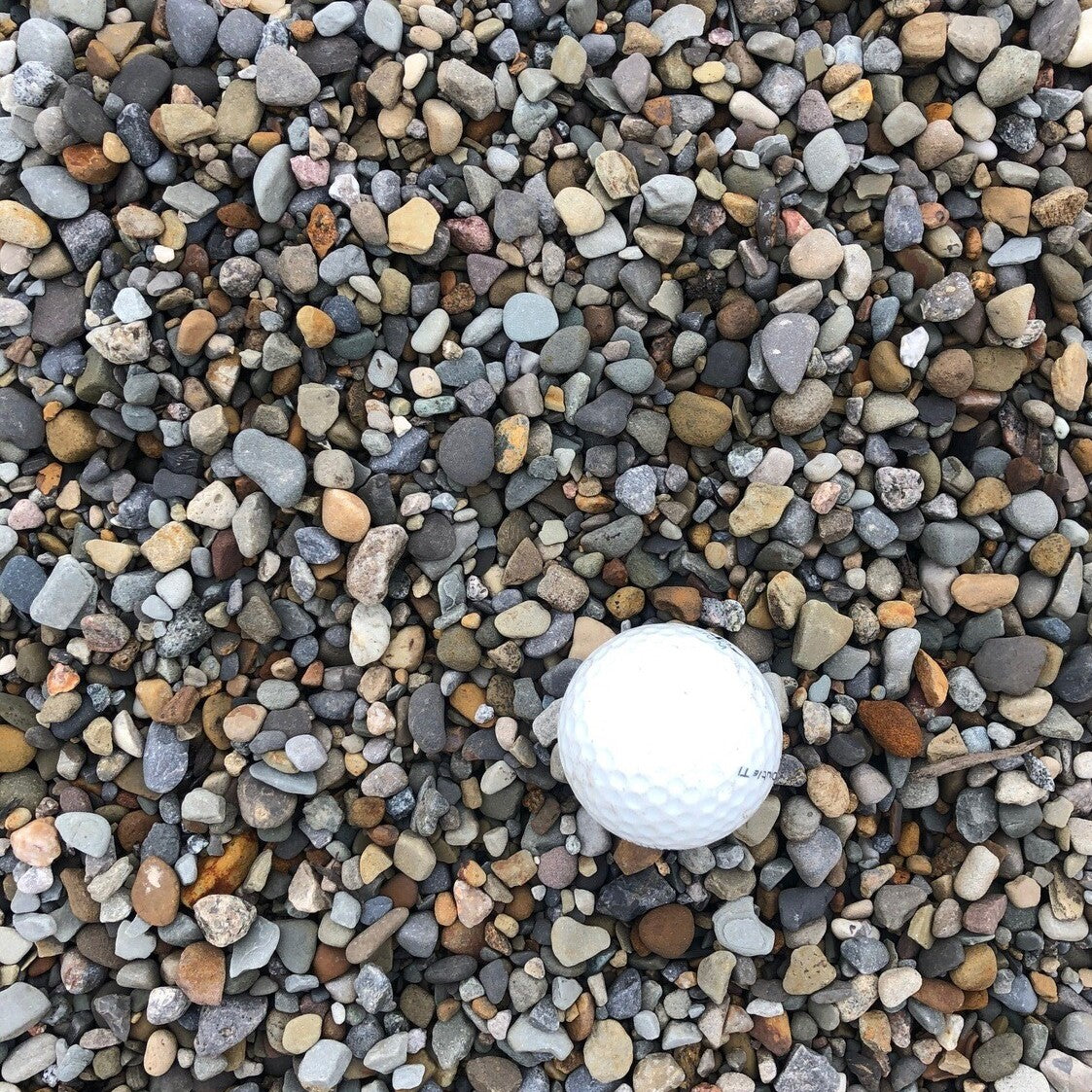
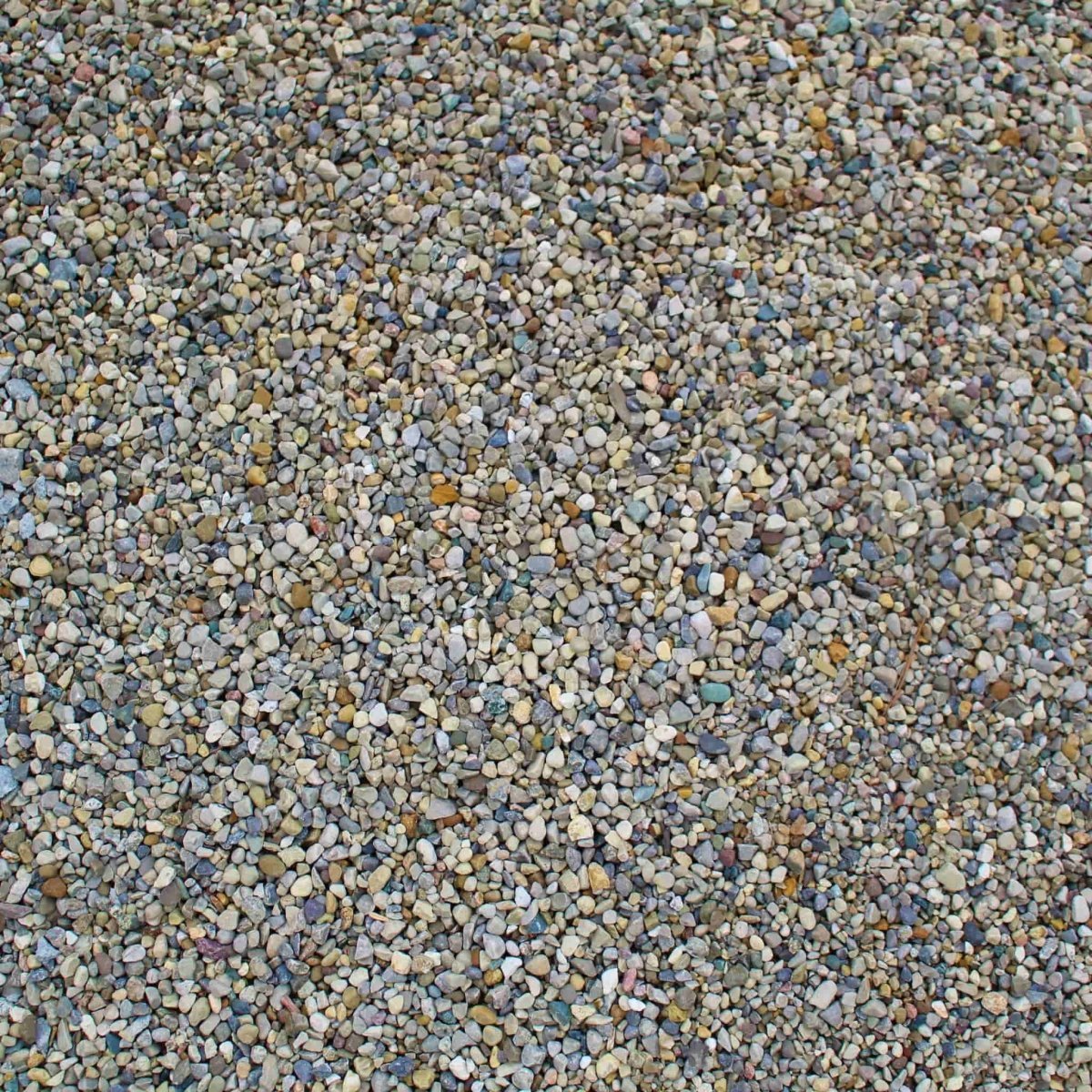
Classic pea gravel with smooth, rounded edges and natural earth tones. A versatile favorite for pathways, patios, drainage, and decorative ground cover.
Mulch Mound delivered a yard of pea gravel to us. Delivery was on time, driver was friendly and hit a bullseye on the “tarp target”. We used the pea gravel (which was diameter as specified) to fill several muskrat holes around our pond. I would definitely recommend Mulch Mo...
Classic pea gravel with smooth, rounded edges and natural earth tones. A versatile favorite for pathways, patios, drainage, and decorative ground cover.
Mulch Mound delivered a yard of pea gravel to us. Delivery was on time, driver was friendly and hit a bullseye on the “tarp target”. We used the pea gravel (which was diameter as specified) to fill several muskrat holes around our pond. I would definitely recommend Mulch Mo...
How Much Material Do I Need?
For decorative ground cover or pathway stone in Lake Grove, a 2 to 3 inch depth provides good coverage and weed suppression through the long growing season. For drainage swales or areas designed to manage Lake Grove's seasonal rain runoff, go 4 inches deep to ensure the stone layer stays functional and does not get displaced during heavy rain events.
Use our free stone calculator
What is a yard?
A yard is approximately 27 cubic feet. As a general guideline, one yard of material can cover an area of about 100-160 square feet at a 2-3 inch depth.
Mulch Mound delivered a yard of pea gravel to us. Delivery was on time, driver was friendly and hit a bullseye on the “tarp target”. We used the ...
Read full review
Mulch Mound delivered a yard of pea gravel to us. Delivery was on time, driver was friendly and hit a bullseye on the “tarp target”. We used the pea gravel (which was diameter as specified) to fill several muskrat holes around our pond. I would definitely recommend Mulch Mound to a friend!
To calculate how much stone you need for a Lake Grove project, multiply the length by the width of your area in feet, then multiply by your desired depth in feet and divide by 27 to get cubic yards. For drainage applications in Lake Grove where water management is the goal, a minimum depth of 3 inches is recommended to allow adequate flow through the stone layer without the sandy loam below clogging the base over time.
Complete Your Outdoor Stone Project
Pairing stone borders with a quality mulch in adjacent plant beds creates a clean, structured look that holds up well through Lake Grove's rainy seasons. If you are working on a grading or drainage project, bulk topsoil can help you establish the proper slope before stone is placed, ensuring water moves where you want it to go.
Before spreading stone in a Lake Grove garden border or pathway, take time to grade the surface so water drains away from your home's foundation and any plant beds. Sandy loam is easy to shape and grade, which is a real advantage when establishing stone areas. Even a gentle 1 to 2 percent slope away from structures is enough to redirect rainwater and prevent pooling beneath your stone layer during Lake Grove's wet spring season.
Mulch Mound Pro Tip
If you are installing stone near existing trees or large shrubs in your Lake Grove yard, avoid laying solid landscape fabric under the stone within the root zone. Tree roots in sandy loam spread widely in search of moisture, and heavy fabric can impede both root expansion and water infiltration. Use a permeable geotextile fabric instead, or plan to refresh the stone layer every few years as some natural soil mixing occurs around root zones.
Mulch Mound Pro Tip
Lake Grove's 46 inches of annual rainfall means that poorly placed stone can redirect water in ways you did not intend, especially on properties with any change in grade. Before your stone delivery arrives, walk your yard during or after a rain event and observe where water naturally flows. This tells you exactly where stone drainage features will be most effective and helps you avoid accidentally directing runoff toward your foundation or a neighboring property.
The Unique Landscape of Lake Grove
Stone is one of the most practical landscaping materials for Lake Grove properties because it works with the area's natural drainage rather than against it. Sandy loam soil drains quickly, and stone pathways, borders, and ground cover areas allow rain to percolate through naturally without pooling or eroding the way exposed soil does. With 46 inches of annual rainfall, Lake Grove yards can see significant surface water movement during heavy spring and fall storms, and strategic stone placement helps redirect that flow and protect beds and foundations. Stone also eliminates the maintenance overhead of mulched or planted areas in corners, borders, and high-traffic zones where keeping up with a growing season that lasts from April through November can be overwhelming. Decorative stone adds texture and contrast to Lake Grove landscapes without the need for seasonal replacement, making it a genuinely low-maintenance alternative in spots where mulch would need to be refreshed every year. Whether you are building a pathway, lining a driveway border, or creating a dry creek bed to manage water flow, stone delivers durability and visual interest that holds up through every season Long Island delivers.
Frequently Asked Questions
Click a question to see the answer
Answer
What type of stone works best for a garden pathway in Lake Grove?
For garden pathways in Lake Grove, pea gravel and crushed stone are both popular choices. Pea gravel has a smooth, natural look and allows rainwater to drain straight through, which matters in an area with 46 inches of annual rainfall. Crushed stone compacts slightly better underfoot and is a good choice for pathways that see regular foot traffic. Either option works well over Lake Grove's sandy loam base, which naturally supports drainage beneath the stone layer.
Answer
Can I use stone to help with the drainage problem in the back corner of my Lake Grove yard?
Yes, stone is one of the best drainage tools available for Lake Grove yards. A dry creek bed or drainage swale lined with river stone or washed gravel can redirect surface water away from low spots, foundations, and beds that tend to pool during the heavy spring rains Long Island typically receives in March and April. Stone allows water to move through and absorb into the sandy loam below rather than eroding the surface.
Answer
How much stone do I need to cover a decorative border around my house foundation in Lake Grove?
For a foundation border in Lake Grove, figure on about 1 cubic yard of stone per 50 square feet at a 2-inch depth. A 2 to 3 inch layer provides good coverage and weed suppression while keeping the stone deep enough to stay in place through heavy rain runoff along the house perimeter. Wider borders of 18 to 24 inches look proportional on most Lake Grove homes and provide better protection against foundation moisture.
Answer
Will decorative stone get too hot in the summer and damage the plants growing next to it in my yard?
Dark stones like black lava rock or dark granite can absorb and radiate significant heat during Lake Grove's July and August afternoons, which can stress plants growing immediately adjacent. Lighter-colored stones like pea gravel or tan crushed limestone reflect more heat and are a safer choice near plant beds in Zone 7b summers. Keep any stone ground cover a few inches away from plant stems and trunks to reduce heat and moisture concentration at the crown.
Answer
Does stone actually need any maintenance over time or is it truly set it and forget it once it is down?
Stone is about as low-maintenance as a landscape material gets in Lake Grove, but a couple of tasks do come up over time. Sandy loam soil can work its way up through stone during freeze-thaw cycles in winter, causing the layer to look muddy or uneven by spring. Installing a landscape fabric barrier beneath the stone at the time of installation prevents most soil migration and keeps your stone looking clean through multiple seasons.
Answer
Is stone a realistic low-maintenance alternative to grass in the difficult spots in my Lake Grove yard?
Stone is an excellent lawn alternative for Lake Grove areas where growing grass is difficult, such as under dense shade trees, along narrow side yards, or in spots where foot traffic prevents turf from establishing. Unlike grass, stone requires no mowing, watering, or fertilizing through Lake Grove's seven-month growing season. It also handles the dry mid-summer stretches that often leave struggling turf patches in sandy loam soils looking thin and brown.
Answer
How do I keep stone from slowly sinking into my sandy loam soil over the years?
Because Lake Grove's sandy loam is loose and relatively fine-textured, stone can gradually sink into the soil surface over several seasons, especially in areas that receive foot traffic or heavy rain. The most effective solution is to install a layer of landscape fabric directly on the graded soil surface before placing your stone. The fabric stabilizes the interface between the stone and the soil, preventing mixing while still allowing the excellent drainage that sandy loam and stone together naturally provide.





 +2
+2



