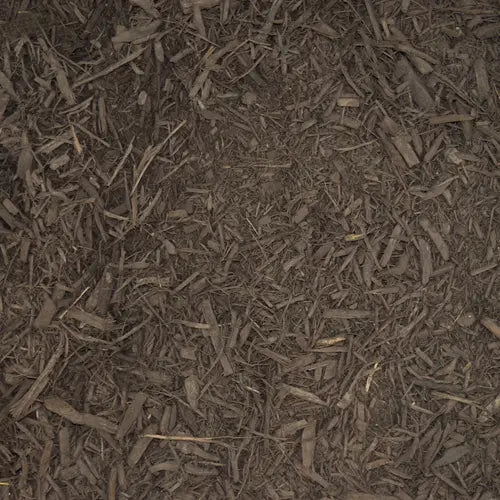
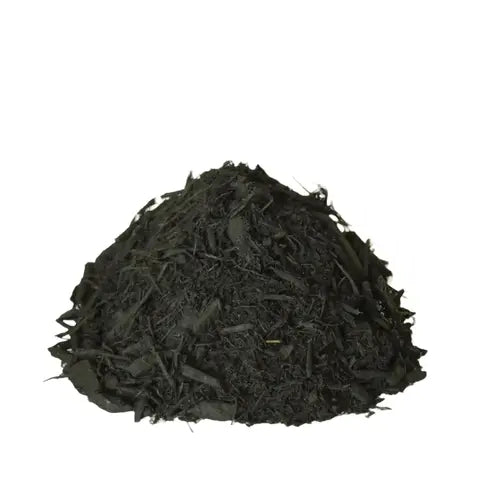
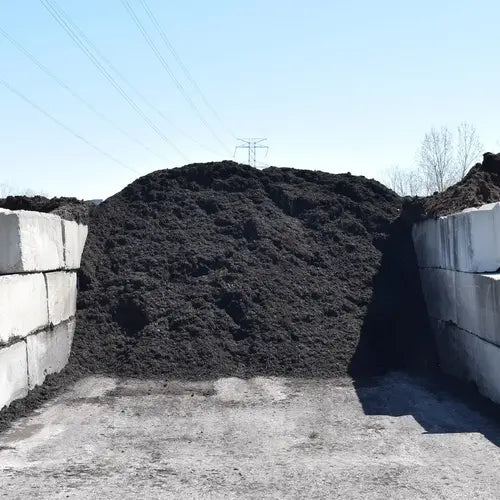
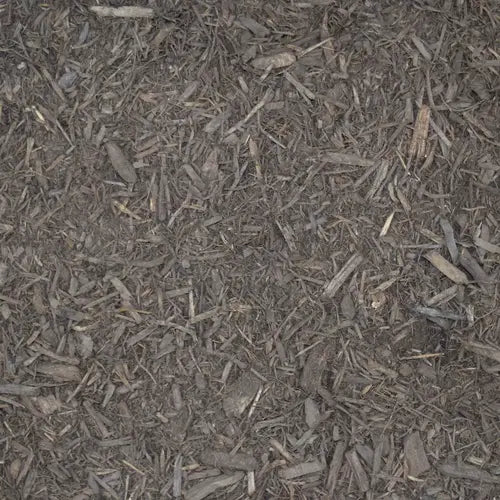
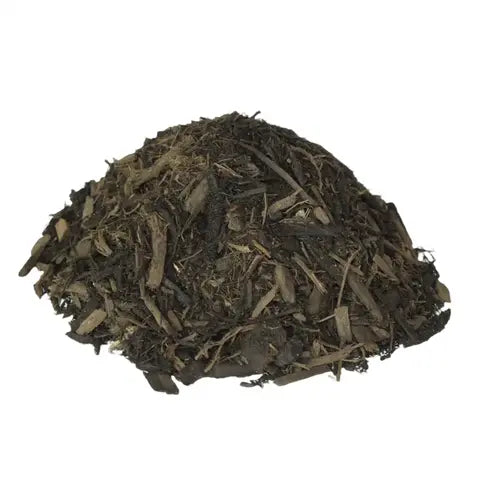
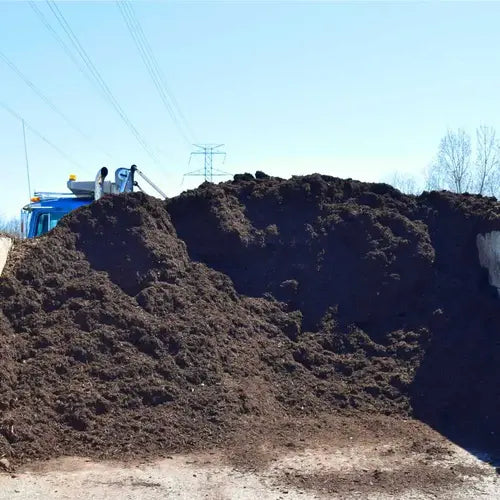
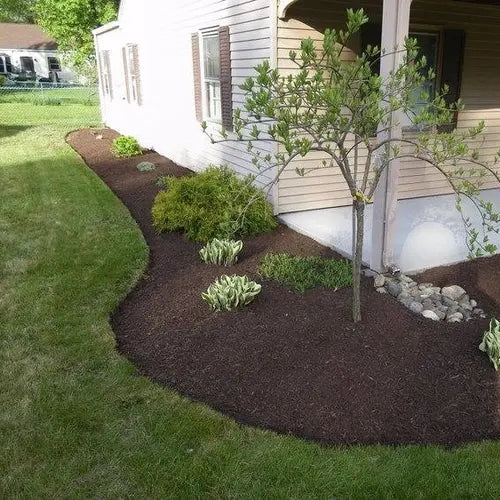
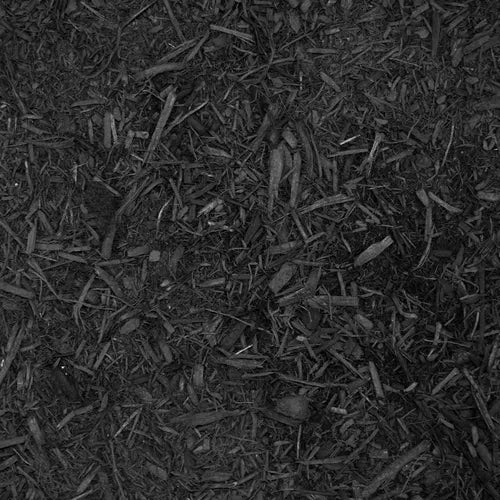
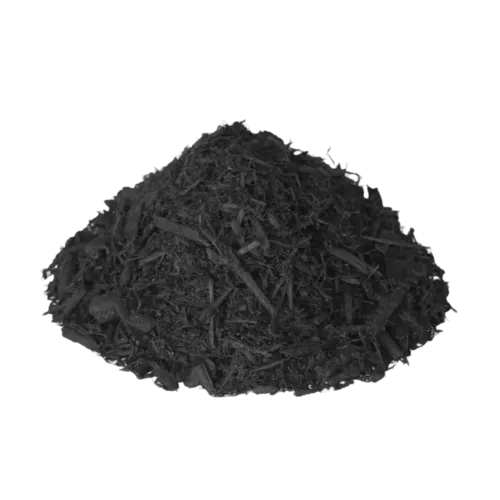
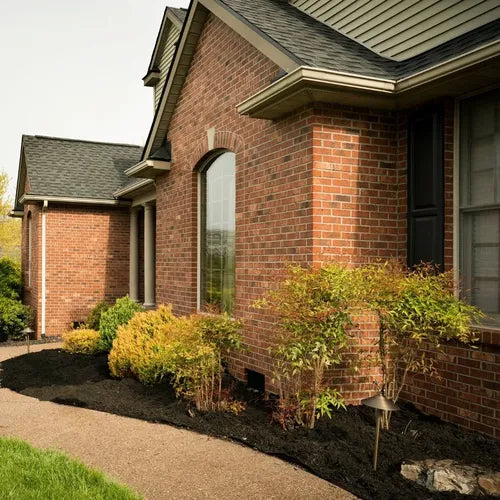
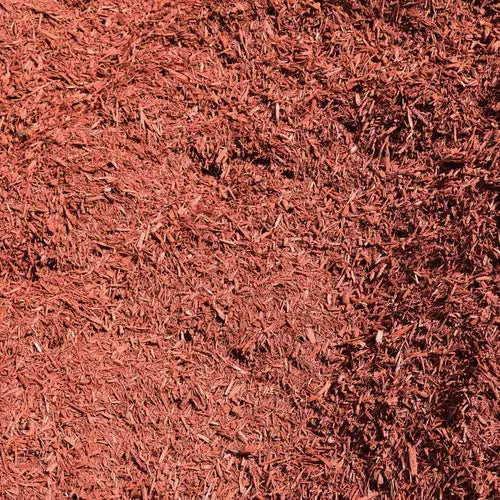
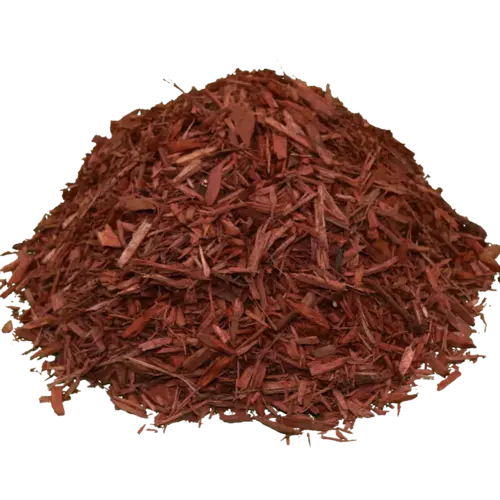
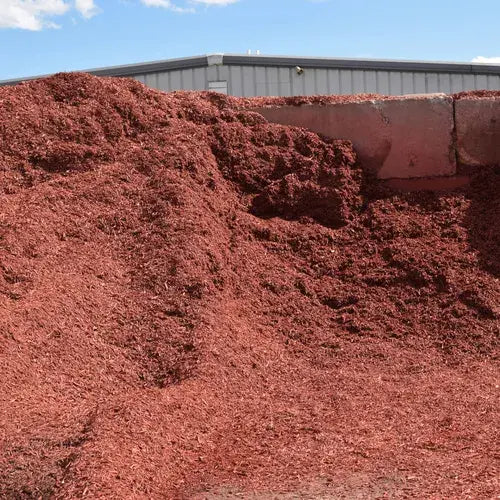
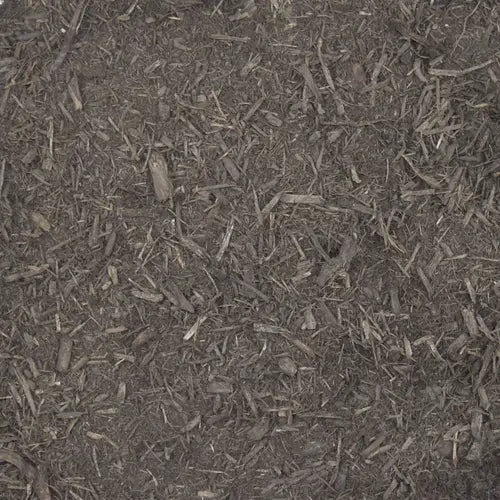
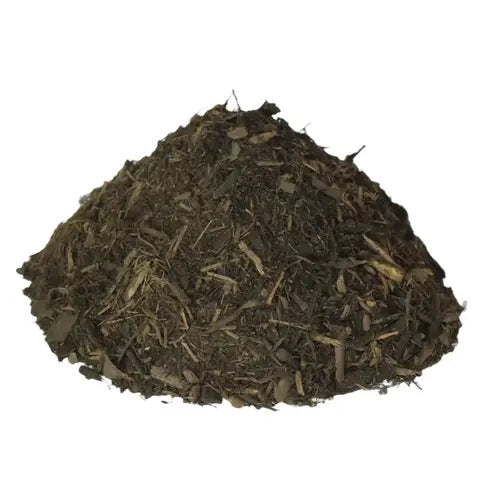
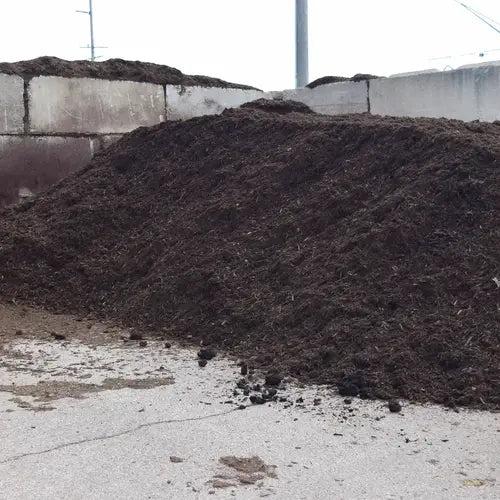
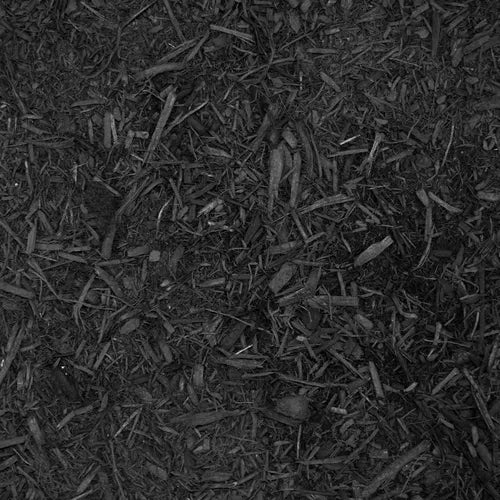
Warm brown double shredded mulch with lasting color that looks freshly applied for weeks. Spreads smooth, stays put, and gives beds a natural, polished appearance.
I highly recommend Mulch Mound. The quality of the mulch is very good. The ordering system on their website makes it very easy. The delivery driver did a great job placing the mulch on the driveway. To finish off, the pricing was very reasonable as well.
Warm brown double shredded mulch with lasting color that looks freshly applied for weeks. Spreads smooth, stays put, and gives beds a natural, polished appearance.
I highly recommend Mulch Mound. The quality of the mulch is very good. The ordering system on their website makes it very easy. The delivery driver did a great job placing the mulch on the driveway. To finish off, the pricing was very reasonable as well.
How Much Material Do I Need?
For most Massapequa Park garden beds in sandy loam soil, a 3-inch depth is the minimum effective layer, and 4 inches is ideal for beds in exposed or full-sun areas. One cubic yard of mulch covers approximately 100 square feet at 3 inches deep.
Use our free mulch calculator
What is a yard?
A yard is approximately 27 cubic feet. As a general guideline, one yard of material can cover an area of about 100-160 square feet at a 2-3 inch depth.
I highly recommend Mulch Mound. The quality of the mulch is very good. The ordering system on their website makes it very easy. The delivery driver...
Read full review
I highly recommend Mulch Mound. The quality of the mulch is very good. The ordering system on their website makes it very easy. The delivery driver did a great job placing the mulch on the driveway. To finish off, the pricing was very reasonable as well.
They offered a quick turnaround and delivered high quality mulch at a reasonable price. They also dropped it off exactly where I told them to put i...
Read full review
They offered a quick turnaround and delivered high quality mulch at a reasonable price. They also dropped it off exactly where I told them to put it. Good service!
To estimate your mulch needs, measure the length and width of each bed in feet and multiply them together to get square footage, then use our calculator to find the cubic yards needed for a 3-inch depth. In Massapequa Park, where sandy loam means beds need that full 3 inches to hold moisture properly, it is better to round up than come up short mid-project. One cubic yard covers approximately 100 square feet at 3 inches deep, so even modestly sized beds add up faster than most homeowners expect.
Mulch vs. No Mulch: The Difference
Massapequa Park's combination of 46 inches of annual rainfall and warm zone 7b summers means any mulch you apply will experience significant moisture and heat exposure throughout the growing season. Natural hardwood mulch responds to those conditions by gradually breaking down and adding organic matter to the sandy loam, which is a meaningful benefit for local soils that are naturally low in that organic content. Dyed mulches prioritize appearance and typically break down more slowly, which is appealing if visual consistency is the primary goal for front-yard beds.
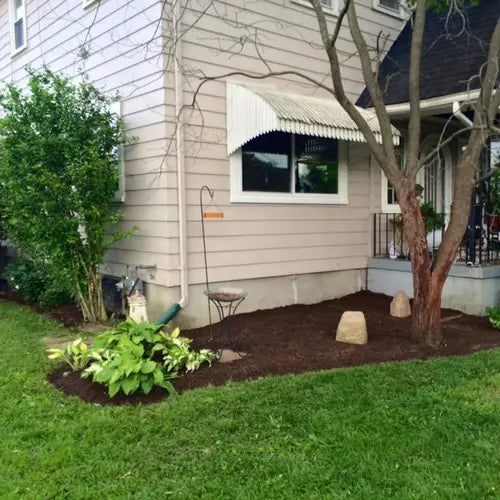
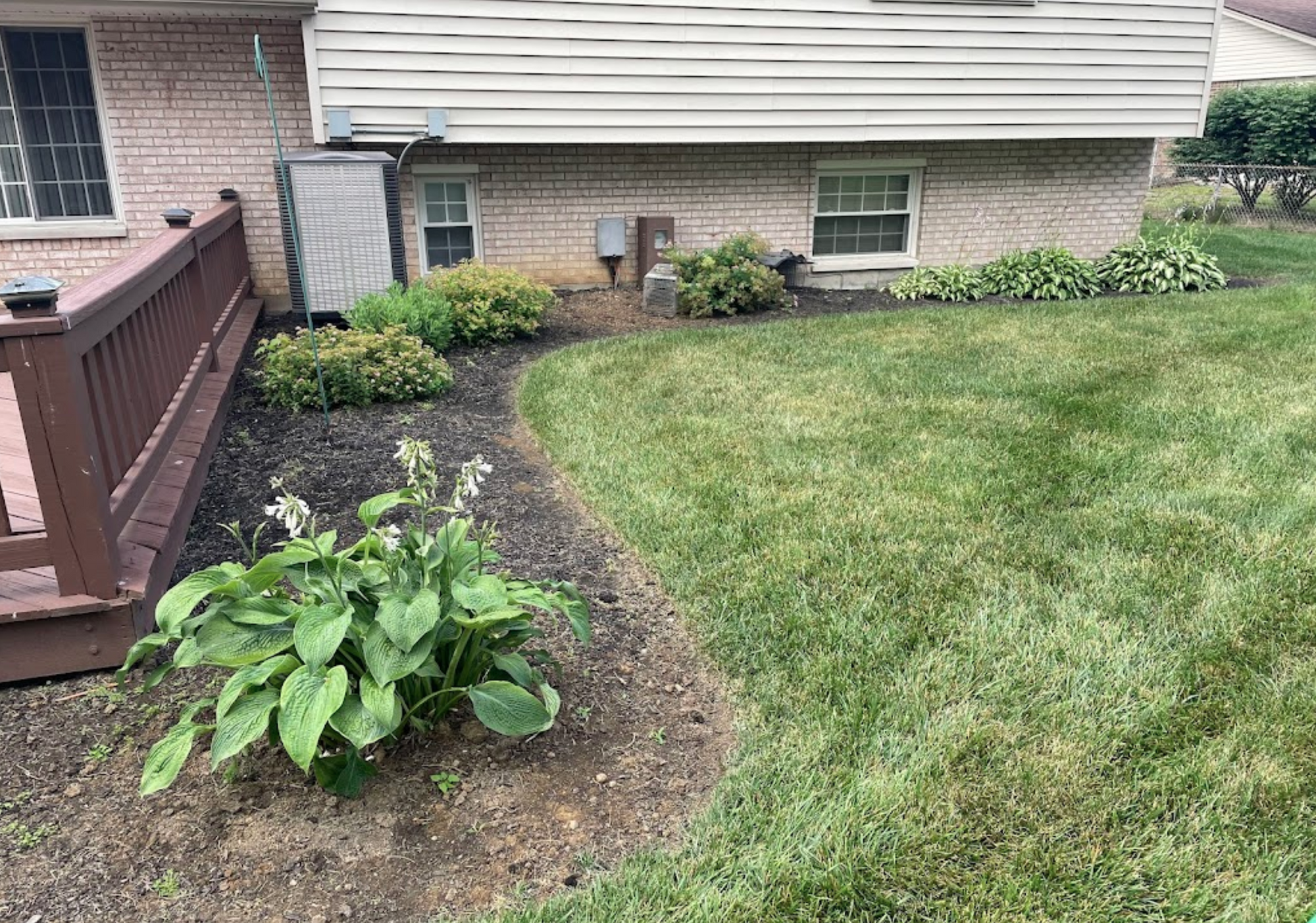
Before
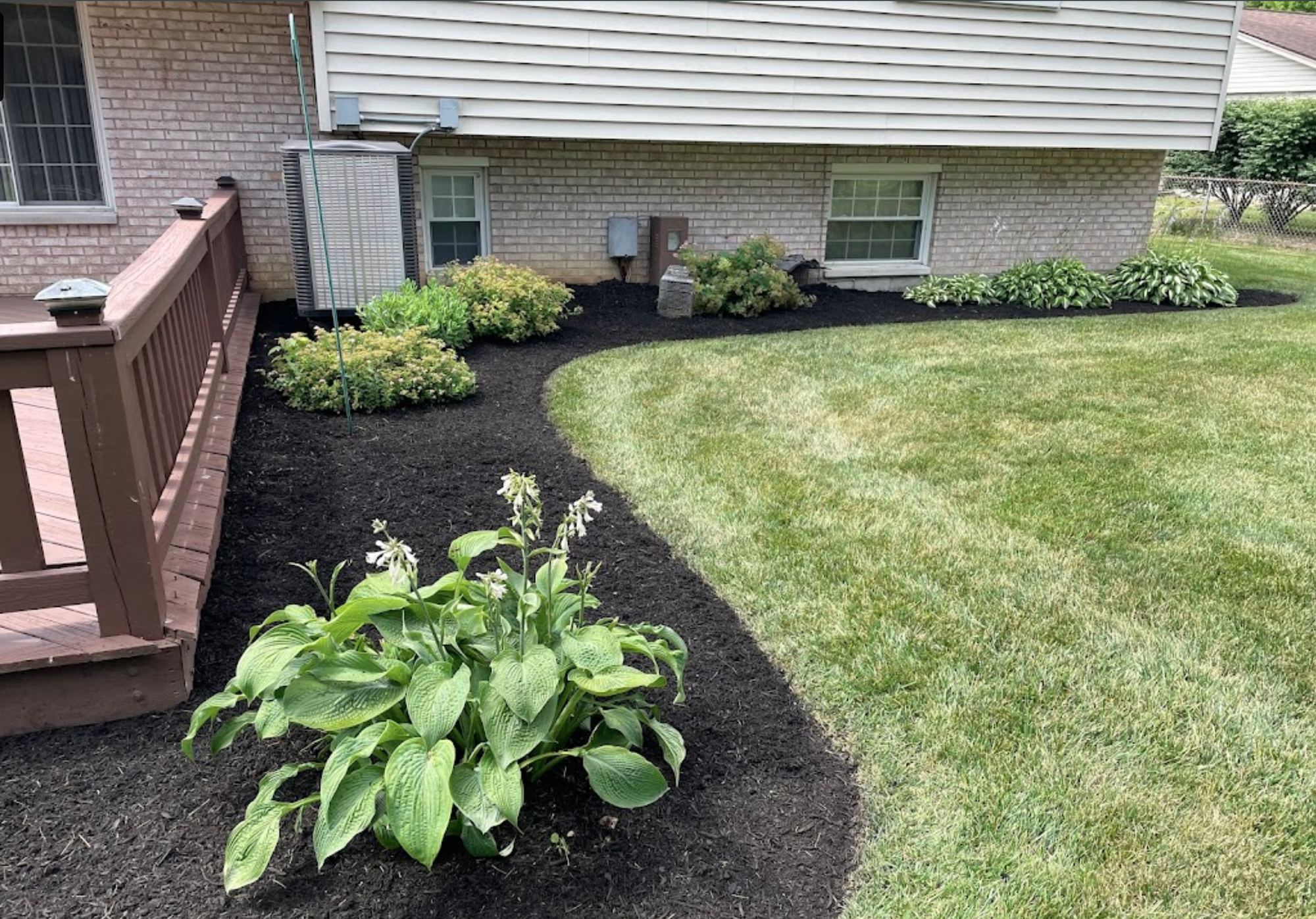
After
Best Mulch Choice for Massapequa Park Lawns
Most yards in the Massapequa Park area sit on Sandy Loam type of soil. Massapequa Park's sandy loam drains so freely that unprotected garden beds can lose surface moisture within a day or two after rain, making consistent mulching essential for keeping plant roots adequately hydrated through the growing season.
Hardwood Mulch
Hardwood mulch is particularly well-suited to Massapequa Park's sandy loam because as it decomposes it contributes organic matter that improves the soil's water-holding capacity and encourages the microbial activity that sandy soils typically lack.
Complete Your Outdoor Mulch Project
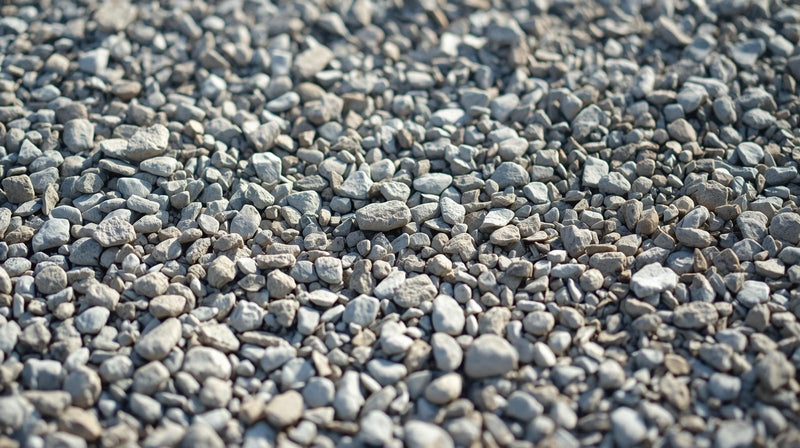
If you are starting new beds or improving existing ones, pairing your mulch order with a bulk topsoil or garden soil delivery helps build the organic matter your sandy loam is lacking before you lay mulch on top. Decorative stone from our inventory also works well alongside mulch for edging, path borders, and low-maintenance zones in Massapequa Park landscapes.
In Massapequa Park, the window between the last frost on April 15 and the soil fully warming up is a critical time to get mulch down. Wait until the soil has warmed slightly before applying your spring layer, as covering cold sandy loam too early can keep it from warming and delay planting. A brief warmup in late April is usually the right moment to get your beds covered and ready for the growing season ahead.
Mulch Mound Pro Tip
Massapequa Park's sandy loam has naturally low organic matter, so choosing natural hardwood mulch over dyed or rubber options pays real dividends beyond aesthetics. As the hardwood breaks down over the growing season it feeds microorganisms in the soil and slowly builds the organic layer your sandy loam lacks. Over several years this consistent addition will noticeably improve how your beds hold water and nutrients between storms.
Mulch Mound Pro Tip
With 46 inches of annual rainfall, Massapequa Park gardens see enough moisture to keep mulch breaking down steadily, but that also means bare soil between plants can compact and crust over after heavy downpours. Keeping a consistent mulch layer prevents that surface crusting, which would otherwise reduce water infiltration and cause more runoff across your yard. Check your mulch depth in fall before the November 8 frost arrives and top off any areas that have thinned out over the summer.
Frequently Asked Questions
Click a question to see the answer
Answer
How much mulch do I need to keep my garden beds from drying out in Massapequa Park's summer heat?
Because Massapequa Park's sandy loam soil releases moisture quickly, we recommend a 3-inch layer for most ornamental beds. That depth creates enough of a barrier to meaningfully slow evaporation between rain events. If you have areas that receive full afternoon sun and strong southwest winds off the water, bumping up to 4 inches in those spots is worth the extra material.
Answer
Will mulch help protect my plants during that late frost window around April 15?
Keeping a consistent mulch layer through early spring helps buffer the soil temperature swings that are common in Massapequa Park as cold nights follow warm days in April. It will not stop a hard frost from damaging tender above-ground growth, but it does keep root zones warmer and more stable, which helps plants recover faster after a frost event. Just be careful not to pile mulch directly against plant stems going into that transition period.
Answer
When should I refresh my mulch with a new top-off in Massapequa Park?
With 46 inches of annual rainfall spread across the year, Massapequa Park mulch breaks down at a moderate pace. Most homeowners find that adding a 1 to 2 inch top-off each spring, after the last frost around April 15, keeps beds looking fresh and performing well. If your existing layer has fully decomposed into the sandy loam below, that is actually a benefit to soil structure, but it does mean you will want to replenish the full depth.
Answer
Does dyed mulch hold its color well given all the rain we get on Long Island?
Dyed mulches have improved significantly and most hold their color reasonably well through Massapequa Park's rainy seasons. The first few heavy rains after application will cause some color bleed, especially on driveways and walkways, so it is worth planning your installation a day or two before a dry stretch when possible. By the time fall rains arrive the color will have set and you will get good visual impact through the rest of the season.
Answer
I have a lot of surface tree roots near my beds. Does mulch type matter for those areas?
Near surface roots, natural hardwood mulch is a better choice than dyed or rubber options because it breaks down and feeds the soil food web that tree roots depend on. In Massapequa Park's sandy loam, which is naturally low in organic matter, that decomposition is a real bonus. Keep the mulch a few inches away from the root flare itself to prevent moisture buildup against the bark.
Answer
Can mulch help with the erosion I see in my yard after big rainstorms?
Massapequa Park sees plenty of heavy downpours that can sheet across low-elevation yards, and mulch does help by breaking the impact of raindrops and slowing surface runoff. Natural shredded hardwood mulch, which interlocks as it settles, stays in place better than chips during those rain events. If you have a slope, a coarser double-ground hardwood at 4 inches will perform well and resist displacement.
Answer
Is there a mulch that will also improve my sandy loam soil over time?
Natural hardwood mulch is the best option for long-term soil improvement in Massapequa Park. As it decomposes it adds organic matter that sandy loam is typically lacking, improving both moisture retention and nutrient availability. After two or three seasons of consistent mulching you should notice your beds holding moisture noticeably better between rain events.
The Unique Landscape of Massapequa Park
Massapequa Park's sandy loam soil drains quickly, which means garden beds can dry out faster than homeowners expect, especially during summer stretches between the area's 46 inches of annual rainfall. A proper layer of mulch slows that moisture loss significantly, giving plant roots more time to absorb water before it percolates past the root zone. The zone 7b growing season runs roughly from mid-April through early November, meaning beds need protection from both the April 15 last frost and the November 8 first frost. Mulch acts as an insulating blanket during those shoulder seasons, keeping soil temperatures stable when overnight temperatures swing. Weed pressure is also considerable in Long Island's warm, humid summers, and a thick mulch layer is one of the most effective tools for keeping beds manageable without constant chemical intervention.