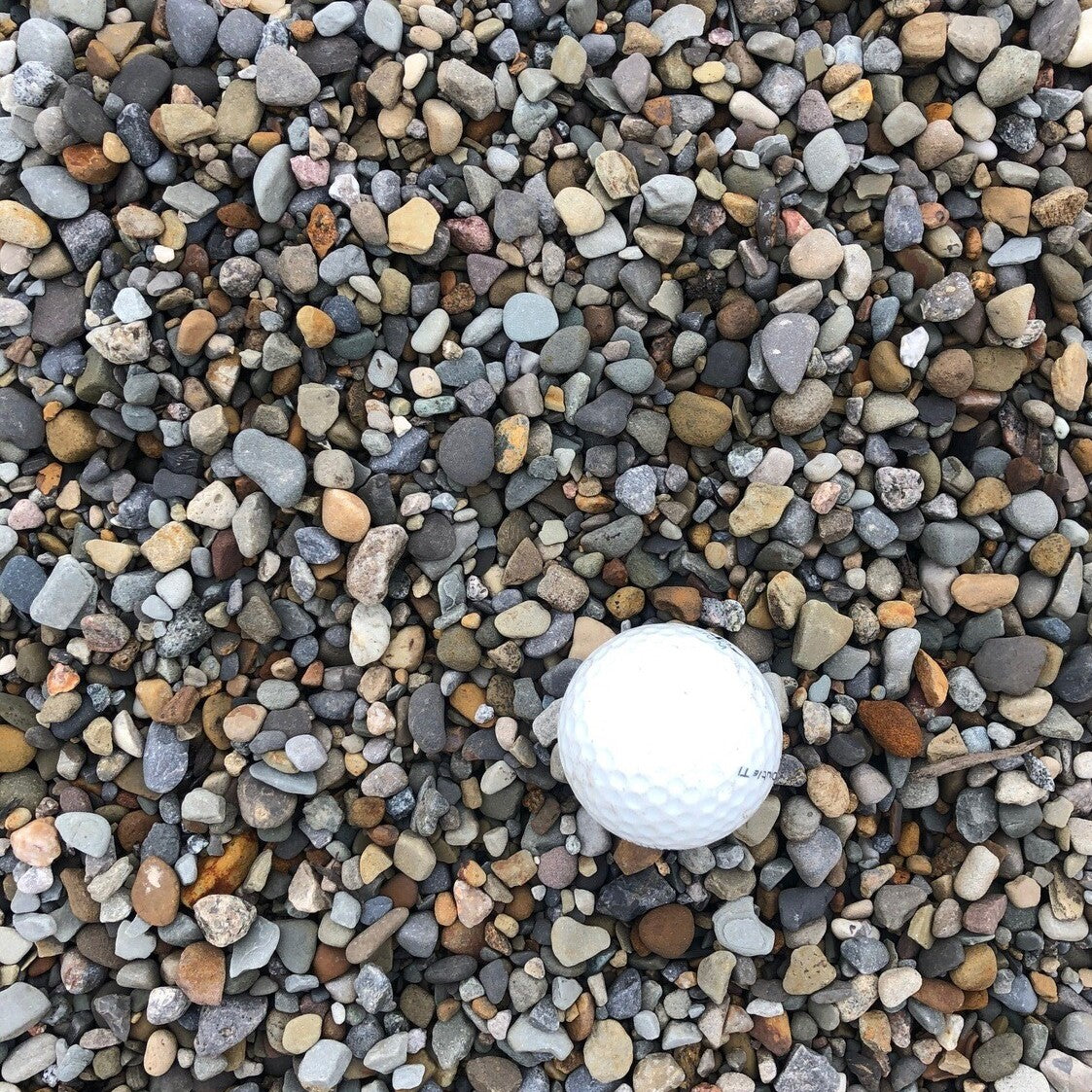
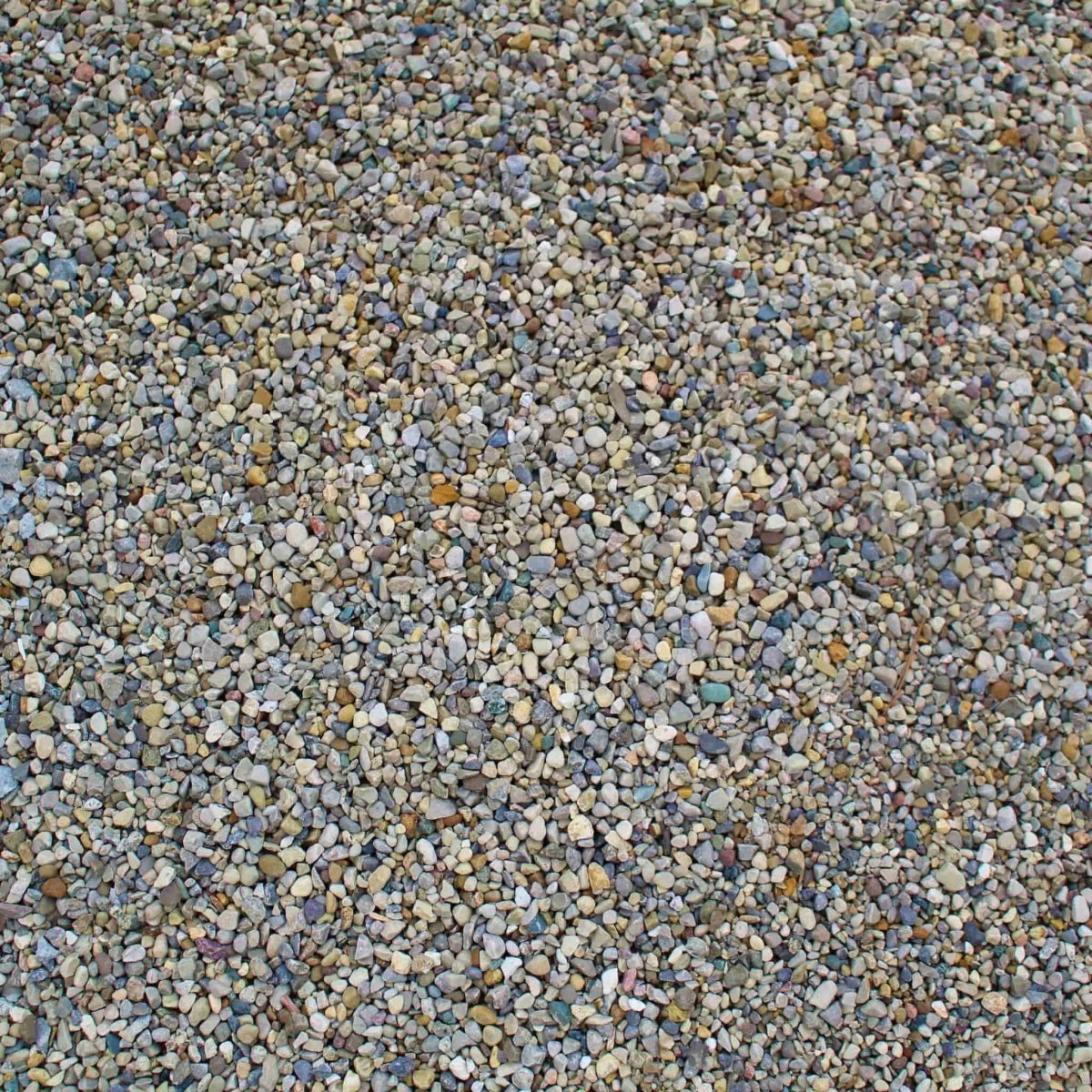
Classic pea gravel with smooth, rounded edges and natural earth tones. A versatile favorite for pathways, patios, drainage, and decorative ground cover.
I contacted Mulch Mound for #57 river rocks and it was easy and fast to get a delivery right before the holiday weekend. Stone was delivered as promised and place exactly where I asked. Excellent service! I will be ordering mulch next!
Classic pea gravel with smooth, rounded edges and natural earth tones. A versatile favorite for pathways, patios, drainage, and decorative ground cover.
I contacted Mulch Mound for #57 river rocks and it was easy and fast to get a delivery right before the holiday weekend. Stone was delivered as promised and place exactly where I asked. Excellent service! I will be ordering mulch next!
How Much Material Do I Need?
For decorative ground cover in Massapequa Park, a 2 to 3 inch layer of stone is typical for ornamental beds and borders. Drainage applications such as dry wells and French drains require deeper installations, typically 12 inches or more of clean crushed stone depending on the volume of water being managed.
Use our free stone calculator
What is a yard?
A yard is approximately 27 cubic feet. As a general guideline, one yard of material can cover an area of about 100-160 square feet at a 2-3 inch depth.
I contacted Mulch Mound for #57 river rocks and it was easy and fast to get a delivery right before the holiday weekend. Stone was delivered as pro...
Read full review
I contacted Mulch Mound for #57 river rocks and it was easy and fast to get a delivery right before the holiday weekend. Stone was delivered as promised and place exactly where I asked. Excellent service! I will be ordering mulch next!
Measure your stone project area carefully before ordering, noting both the square footage and the intended depth, since stone is denser than mulch and small increases in depth add up quickly in total weight and volume. For Massapequa Park drainage projects, it is common to underestimate how much stone a swale or dry well holds, so measure the full excavated volume before placing your order. Using our calculator with accurate dimensions prevents both costly over-ordering and frustrating shortfalls mid-installation.
Complete Your Outdoor Stone Project
A stone installation looks most polished when paired with clearly defined planting areas, and adding a bulk soil delivery to build up adjacent garden beds before stone placement gives your Massapequa Park landscape a layered, finished appearance. Mulch in nearby planting areas complements stone hardscape by creating visual contrast while continuing to improve the sandy loam soil that stone alone cannot amend.
In Massapequa Park, the best time to install stone paths, borders, and drainage features is in the fall before the November 8 first frost. The soil is workable, the ground is firm from the summer, and completing installation in fall means the drainage benefits are in place before the winter rain and snowmelt season begins. Any minor settling that occurs over winter is easy to correct with a quick top-off and regrading in early spring after the April 15 last frost.
Mulch Mound Pro Tip
When using decorative stone around foundation plantings in Massapequa Park, take a few minutes to grade the stone surface so it slopes gently away from your home. The sandy loam beneath is porous and drains well on its own, but a properly sloped stone surface ensures that even during heavy storms the water is directed away from the foundation rather than collecting at the base of your exterior walls. This small detail makes a significant difference in keeping foundations and crawl spaces dry through the rainy seasons.
Mulch Mound Pro Tip
Massapequa Park's sandy loam can allow weed seeds to germinate right up through stone beds if a barrier is not used during installation. Lay a quality, permeable landscape fabric beneath your stone before filling to suppress weeds while still allowing the area's 46 inches of annual rainfall to drain through freely. Skipping this step is the most common reason homeowners find themselves pulling weeds from stone beds just a season or two after installation, so the upfront effort pays for itself many times over.
The Unique Landscape of Massapequa Park
Massapequa Park's flat, low-elevation terrain and sandy loam soil make decorative and functional stone an excellent landscaping choice for managing both aesthetics and drainage. At 23 feet above sea level the area does not get dramatic grade changes, but even gentle slopes and flat yards can channel water in unwanted directions during heavy rain, and stone installations help redirect and slow that flow effectively. Stone paths, borders, and drainage beds also require essentially no seasonal replacement, unlike organic mulch, which means they hold up through both the wet springs and the humid zone 7b summers without needing annual attention. The zone 7b growing season is long, but stone installations work equally hard in the off-season, keeping foundation areas clear and low-lying beds defined well past the November 8 first frost. For homeowners who want a polished landscape that requires minimal ongoing labor, stone is one of the most practical and long-lasting materials available in the Massapequa Park market.
Frequently Asked Questions
Click a question to see the answer
Answer
What type of stone works best for a backyard drainage project in Massapequa Park?
For drainage work in Massapequa Park, clean crushed stone or river gravel is the standard choice because the void space between pieces allows water to move through freely. The area's 46 inches of annual rainfall means drainage solutions need to handle real volume, not just occasional light showers. A dry well or French drain filled with clean crushed stone in the 1 to 2 inch range will handle most residential drainage challenges in the flat sandy loam terrain effectively.
Answer
Will decorative stone hold up to the freeze and thaw cycles we get between November and April in Massapequa Park?
Stone is essentially unaffected by the freeze and thaw cycles that Massapequa Park sees between the first frost on November 8 and the last frost around April 15. Unlike organic materials, stone does not absorb water and crack or break down through repeated freezing. For path or border installations, you may notice minor shifting as the sandy loam beneath heaves slightly in cold snaps, but that is easy to correct in early spring by releveling the base material.
Answer
How deep should I lay stone for a pathway in my Massapequa Park yard?
For a functional path in Massapequa Park's sandy loam, a 3 to 4 inch layer of compacted stone base topped with 1 to 2 inches of decorative surface stone is a solid standard. Sandy loam is easy to excavate and provides reasonable stability, but the consistent rainfall here means you want enough depth to keep the path from becoming soft or muddy after heavy storms. A fabric weed barrier underneath also helps keep the stone layer clean and defined over time.
Answer
Is decorative stone a good choice around my foundation here in Massapequa Park?
Foundation stone borders are a popular choice in Massapequa Park and work very well with the local soil and climate. A 6 to 8 inch wide band of crushed stone or river pebble around a foundation allows roof runoff and heavy rain to drain away from the structure rather than pooling against siding or a foundation wall. The sandy loam underneath generally cooperates with this drainage intent, and stone borders require none of the seasonal replacement that wood mulch in foundation beds demands.
Answer
I want a low-maintenance front yard. Can I replace my mulch beds with stone?
Stone is a great low-maintenance alternative to mulch beds in Massapequa Park and works especially well in front yards with established ornamental shrubs that do not need regular soil amendment. Keep in mind that unlike hardwood mulch, stone will not add organic matter to the sandy loam over time, so if you have plants that benefit from soil improvement, make sure the beds are well-amended before converting. Decorative river stone or pea gravel over a weed barrier can give your front yard a clean, consistent look that holds up through all four seasons.
Answer
What size stone is best for a gravel driveway apron or parking area in Massapequa Park?
For a driveway apron or small parking area in Massapequa Park, 3/4 inch crushed stone compacts well and provides a stable surface that does not shift excessively underfoot or under vehicle weight. The sandy loam base here is relatively stable once the top few inches are excavated and a compacted base is established. A 4 to 6 inch depth of crushed stone is standard for this type of application, and the good drainage characteristics of local soil mean you are unlikely to deal with standing water issues if the surface is graded correctly.
Answer
How do I keep my decorative stone from washing away during big rainstorms?
Massapequa Park gets enough rainfall that lightweight decorative stone in exposed areas can scatter during heavy downpours. Choosing stone that is at least 1 inch in diameter for any exposed surface is the most practical fix, as smaller material like pea gravel moves more easily in strong runoff. A properly installed weed barrier beneath the stone also helps anchor the base layer, and adding a stone or metal edging border around beds will keep material from migrating into lawns or walkways after a storm.