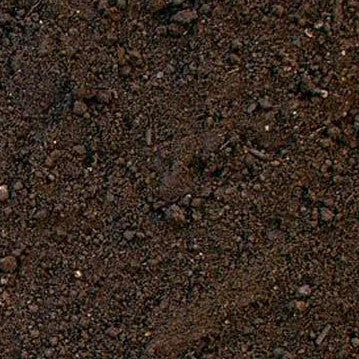
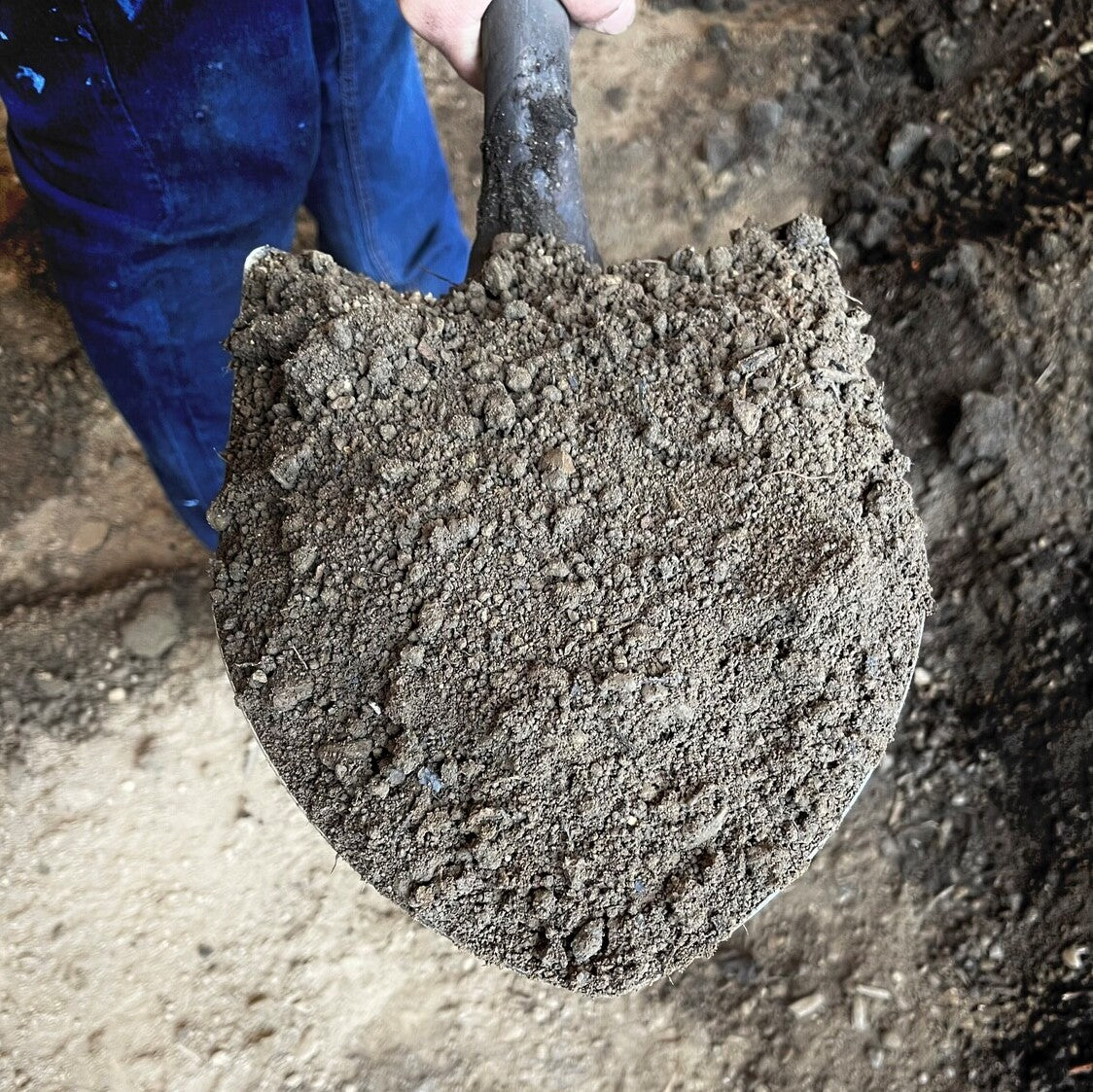
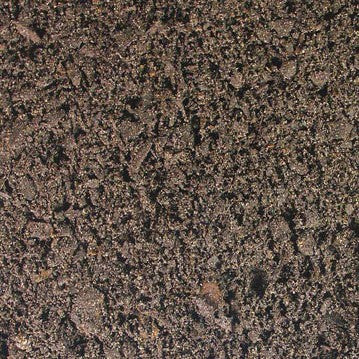
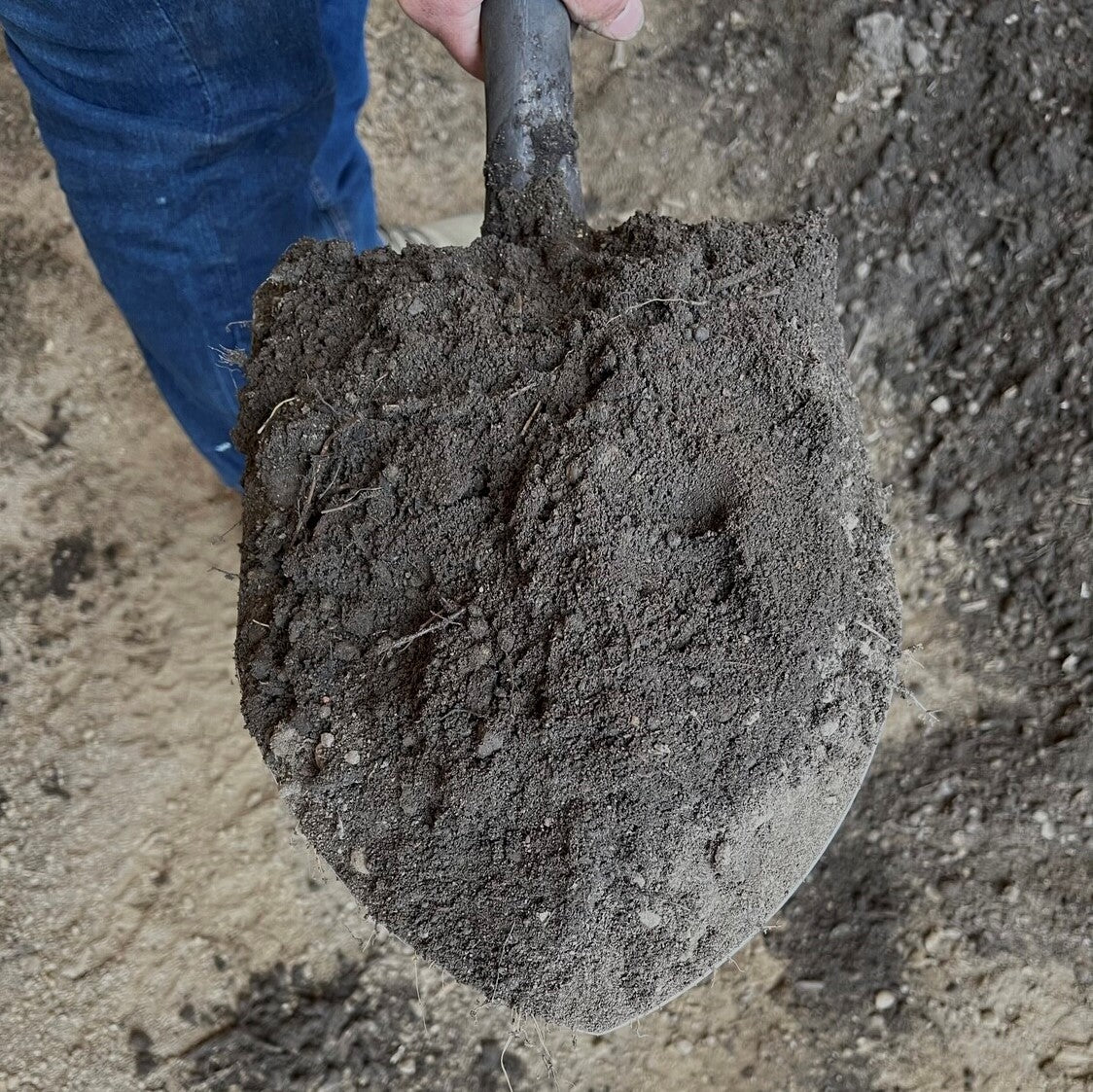
Quality topsoil for lawns, gardens, and landscape projects. Nutrient rich and ready to support strong root development and healthy plant establishment.
The website was intuitive and easy to navigate. The material was delivered the date and time it was scheduled, it was dropped off in the area i had specified on top of my tarp with no issues.
I ordered soil, the Gardening Blend that I received had too many plastic and metal p...
Quality topsoil for lawns, gardens, and landscape projects. Nutrient rich and ready to support strong root development and healthy plant establishment.
The website was intuitive and easy to navigate. The material was delivered the date and time it was scheduled, it was dropped off in the area i had specified on top of my tarp with no issues.
I ordered soil, the Gardening Blend that I received had too many plastic and metal p...
How Much Material Do I Need?
For lawn leveling in New Hyde Park, a 1 to 2 inch topdressing is usually sufficient to correct minor low spots in sandy turf without smothering existing grass. For new garden beds or raised planting areas, aim for at least 8 to 12 inches of quality topsoil or garden blend to give roots the depth and fertility they need above the sandy native substrate.
Use our free soil calculator
What is a yard?
A yard is approximately 27 cubic feet. As a general guideline, one yard of material can cover an area of about 100-160 square feet at a 2-3 inch depth.
The website was intuitive and easy to navigate. The material was delivered the date and time it was scheduled, it was dropped off in the area i had...
Read full review
The website was intuitive and easy to navigate. The material was delivered the date and time it was scheduled, it was dropped off in the area i had specified on top of my tarp with no issues.
I ordered soil, the Gardening Blend that I received had too many plastic and metal pieces for my liking thus lowering the score from a perfect 5/5 to a 4/5
Measure the length and width of your project area in feet, then decide how deep you need to add soil, keeping in mind that New Hyde Park's sandy base compacts little and what you place is roughly what you get. Multiply length by width by depth in feet and divide by 27 to convert to cubic yards. For raised beds built over sandy soil, plan for at least 10 to 12 inches of quality blended material for the best plant performance.
Complete Your Outdoor Soil Project
Top off your soil project with a layer of organic mulch to protect the new surface from New Hyde Park's summer sun and lock in the moisture that sandy-based blends can still lose quickly without cover. Decorative stone borders or edging can also define your new beds and reduce mulch migration during the region's heavier rainstorms.
What kind of soil should I add to New Hyde Park's naturally sandy ground for a vegetable garden?
A blended garden soil rich in compost and organic matter is the best starting point for building over New Hyde Park's sandy native ground. Sandy soil drains nutrients out of the root zone quickly, so you want a product with good water-holding capacity and a steady supply of organic content. Working a quality garden blend at least 8 to 12 inches deep into the existing sandy soil creates a root zone that retains moisture and fertility through the full growing season from mid-April through mid-November.
Answer
My lawn has low spots that collect water after rainstorms. Will topsoil help fix this?
Yes, topdressing or filling low spots with screened topsoil is one of the most effective ways to correct drainage and surface pooling in New Hyde Park lawns. The area's sandy base means the low spots themselves drain reasonably well overall, but the depressions still concentrate surface water during the 46 inches of annual rainfall before it can fully absorb. Filling those spots with topsoil, raking level, and overseeding gives you a smooth surface that sheds water evenly across the yard.
Answer
How much topsoil do I need to build a raised garden bed in New Hyde Park?
A standard 4-by-8-foot raised bed filled to 12 inches deep requires about 0.15 cubic yards of soil, but most homeowners build beds 10 to 12 inches tall, so ordering a half yard per bed gives comfortable coverage with a little left over. New Hyde Park's sandy soil makes raised beds especially appealing because you completely control the growing medium above native ground, eliminating the fertility and moisture-retention challenges that come with gardening directly in sandy substrate.
Answer
Can I use bulk topsoil for grading around my foundation to improve drainage?
Topsoil works well for final grade shaping around foundations, with the goal of sloping the ground away from the house at roughly 6 inches of drop over the first 10 feet. New Hyde Park properties on sandy soil tend to drain well overall, but improper grading near foundations can still direct surface runoff toward basement walls during the heavier rain events that account for a meaningful portion of the area's 46 inches of annual precipitation. Proper grading with quality fill is one of the most cost-effective ways to protect a home's foundation long term.
Answer
When is the best time to spread topsoil and seed a new lawn in New Hyde Park?
Early fall is the prime window for lawn establishment in New Hyde Park, typically from late August through mid-October, when soil temperatures are still warm but air temperatures have cooled enough to favor cool-season grass germination. The first frost around November 15 gives fall-seeded lawns about 6 to 8 weeks to establish before the ground cools. Spring seeding after the last frost around April 15 is a second option, though summer heat can arrive quickly and stress new grass before it fully roots in sandy soil.
Answer
Does New Hyde Park's sandy soil affect how quickly topsoil settles after it is placed?
Sandy soil below does not compact and shift the way clay subsoil does, which is helpful because your grade lines tend to stay more predictable after a topsoil application. However, the loose interface between sandy native soil and fresh topsoil can allow the new layer to shift slightly during heavy rains if it has not been firmed. Tamping the topsoil gently with a roller before seeding or planting helps stabilize it and ensures the surface stays level through New Hyde Park's wetter months.
Answer
What is the difference between topsoil and garden soil, and which one should I use?
Topsoil is a natural mineral soil used primarily for grading, filling, and creating a base layer, while garden soil or a blended garden mix contains added compost and organic amendments designed specifically to support plant growth. In New Hyde Park, where native sandy soil lacks organic matter, garden blends are the better choice for planting beds, vegetable gardens, and raised planters. Topsoil is more appropriate for lawn leveling, filling depressions, and rough grading where organic content is less critical.
Mulch Mound Pro Tip
When adding topsoil over New Hyde Park's native sandy ground, till or scarify the top 2 to 3 inches of the existing surface before placing new soil. This creates a rough transition zone that allows roots and soil organisms to move freely between layers. Without this step, you can end up with a sharp boundary where water pools at the interface instead of draining smoothly through, defeating one of the main drainage advantages that sandy soil is supposed to provide.
Mulch Mound Pro Tip
New Hyde Park's long frost-free window from April 15 to November 15 gives you roughly 7 full months of productive growing, but sandy soil leaches nutrients faster than that long season demands. Work a slow-release granular fertilizer into your new topsoil or garden blend at planting time, and plan for a mid-season refresh in July to keep nutrient levels where plants need them through the second half of the growing season.
Mulch Mound Pro Tip
If you are leveling a lawn in New Hyde Park, avoid placing topsoil more than one inch deep over existing grass in a single application. A thick soil cap applied all at once can smother grass crowns before they push through, even in well-drained sandy conditions. Spread half an inch to one inch, water it in, let the grass grow through, and repeat the process if deeper corrections are needed.
The Unique Landscape of New Hyde Park
New Hyde Park sits on a naturally sandy substrate that provides excellent drainage but almost no inherent fertility, making quality topsoil essential for any serious gardening or lawn project in the area. Sandy soil compacts unevenly and tends to settle, creating low spots in lawns that collect water after heavier rainstorms and gradually turn into muddy, bare patches over multiple seasons. Garden beds built entirely on native sandy ground need a substantial volume of amended topsoil to hold nutrients long enough for vegetables, perennials, and annuals to thrive through the full growing season. Zone 7b offers a long frost-free window between the last frost around April 15 and the first frost around November 15, but that advantage is wasted on soil that cannot feed and support consistent plant growth. Bringing in quality topsoil or a blended garden mix is the most direct way to transform New Hyde Park's sandy landscape into productive, healthy ground.