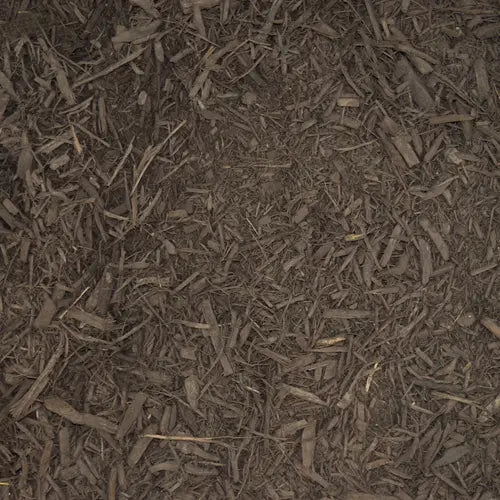
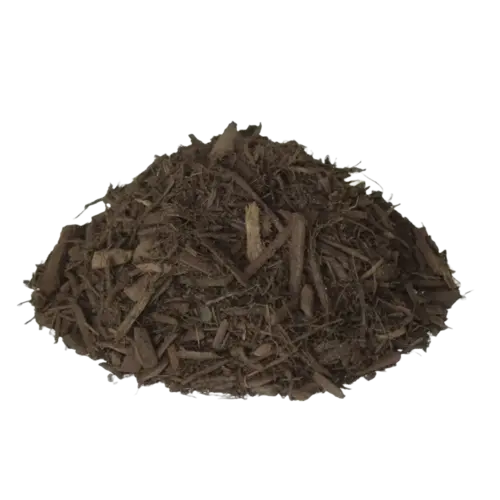
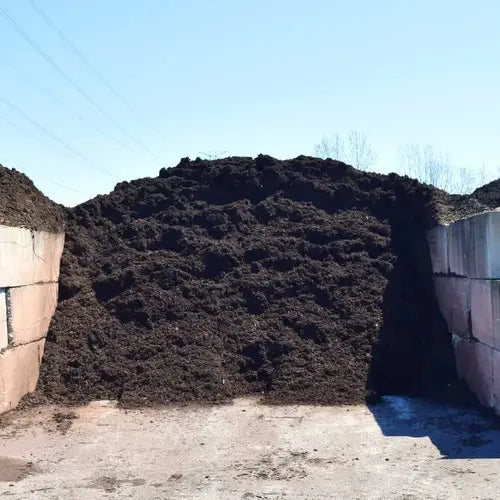
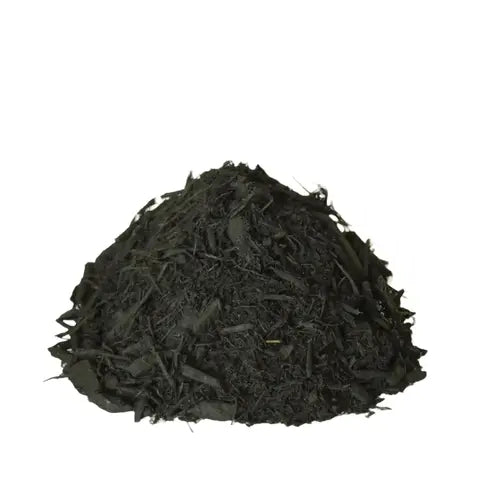
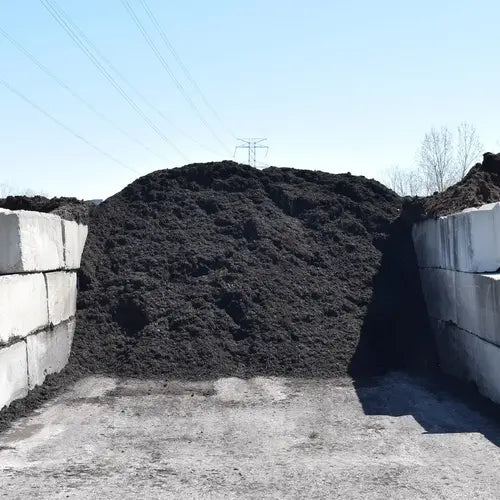
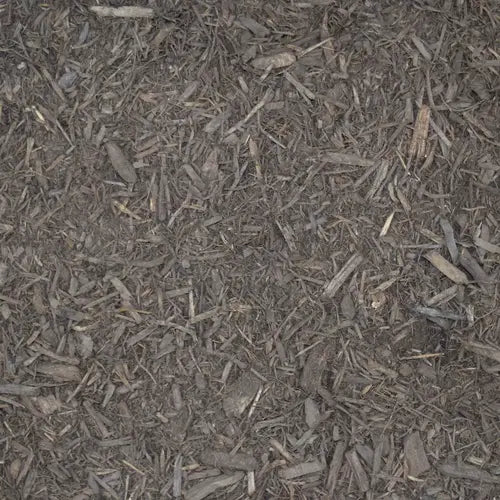
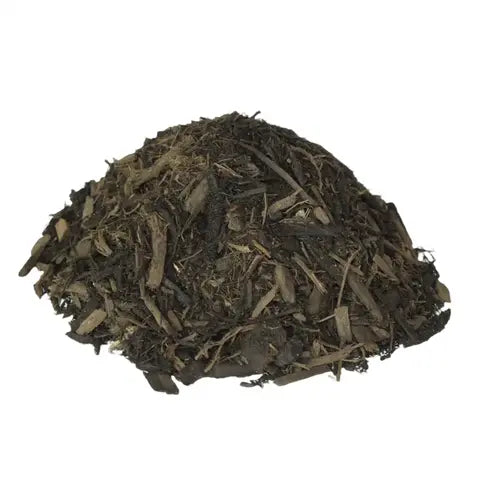
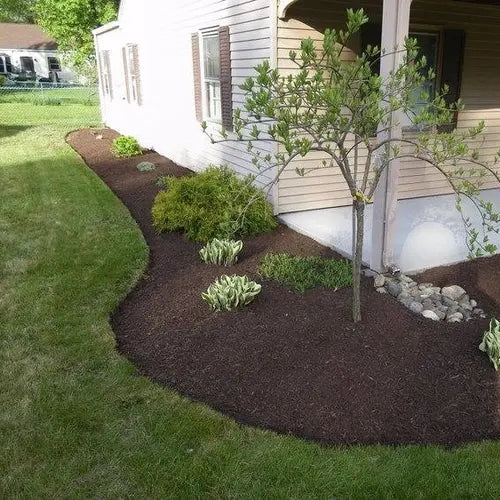
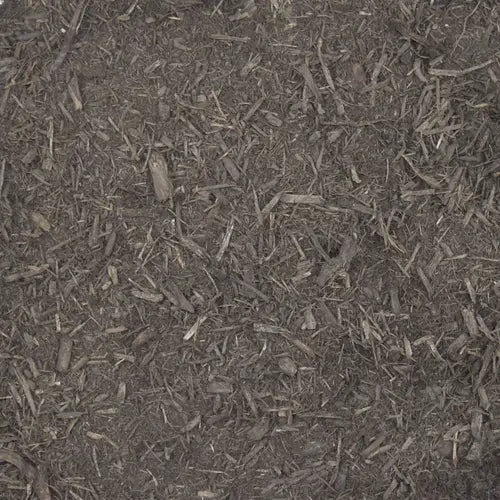
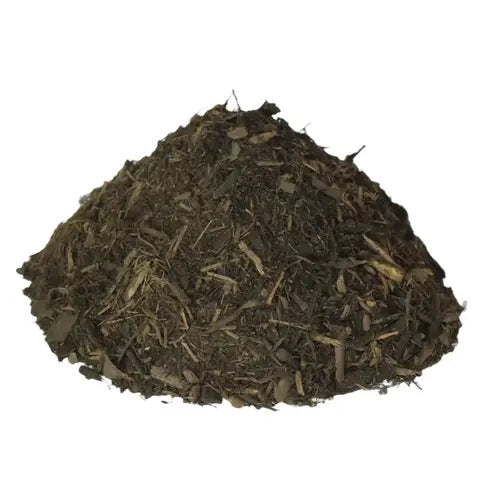
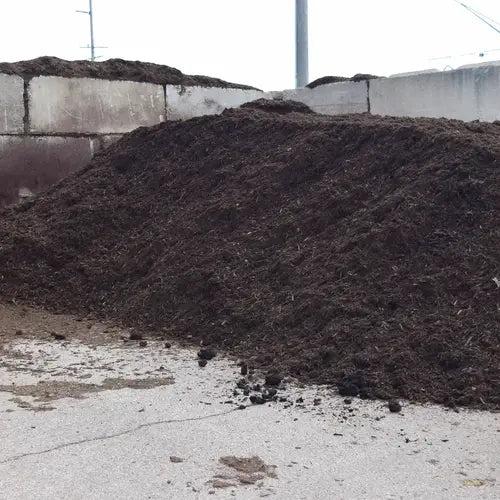
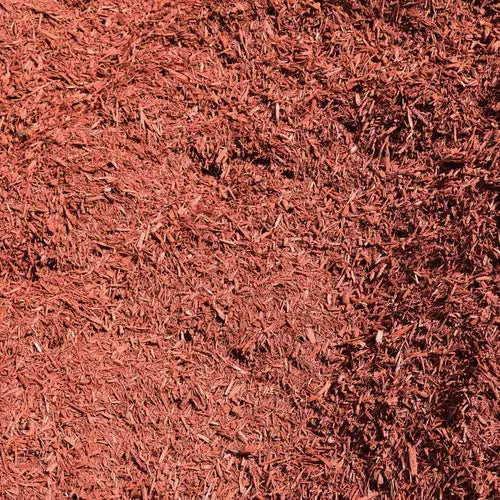
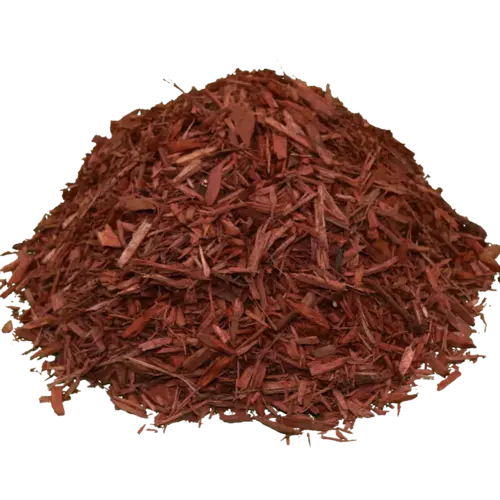
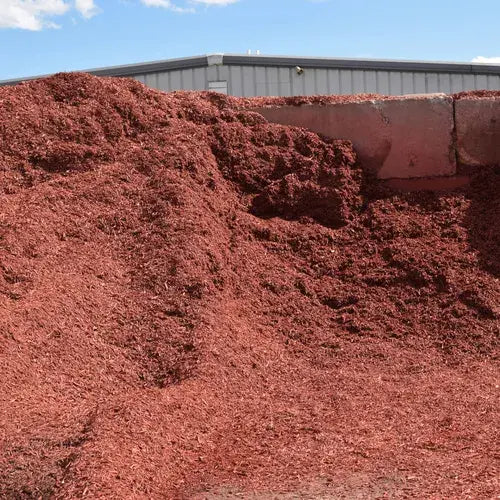
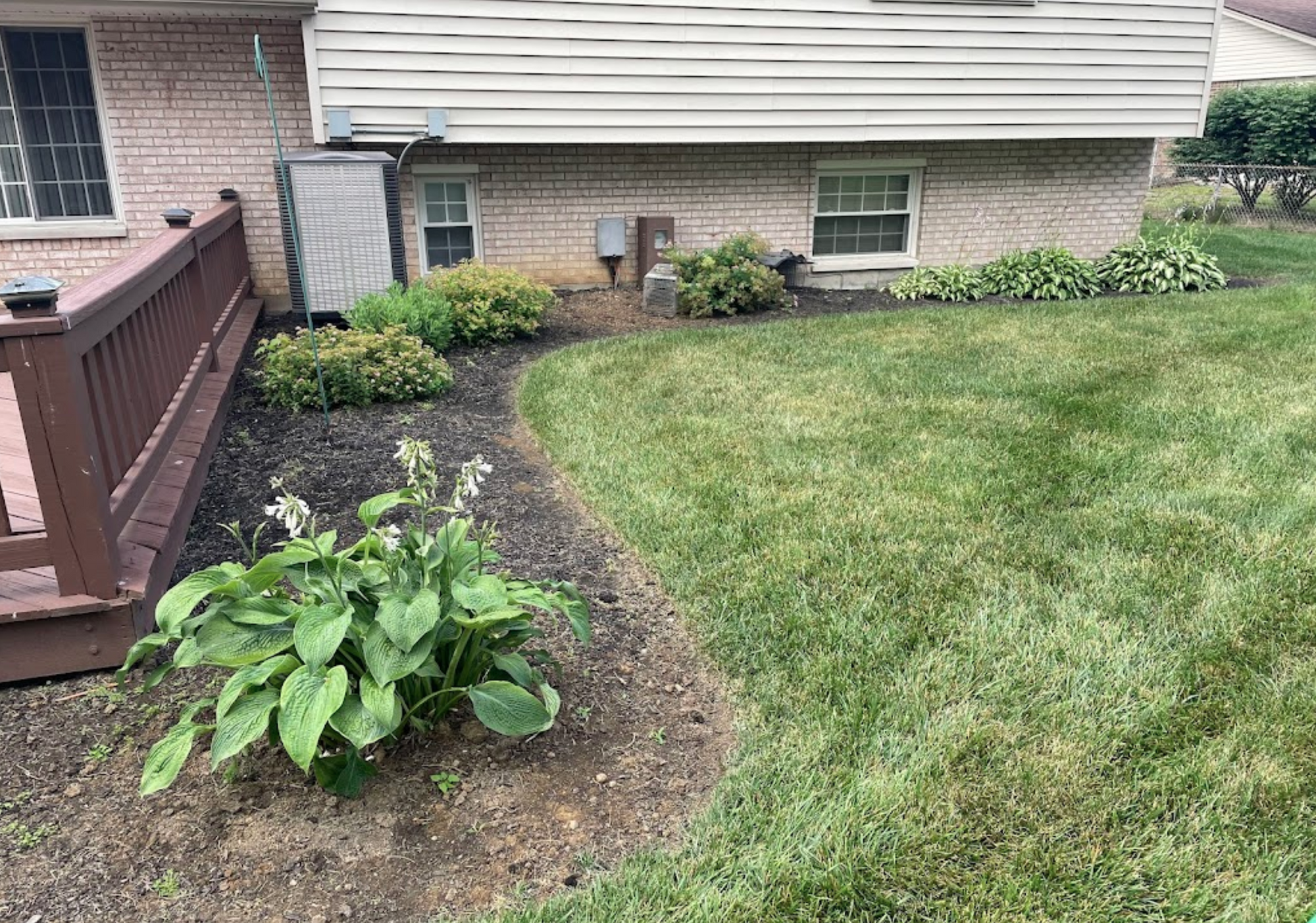
Warm brown double shredded mulch with lasting color that looks freshly applied for weeks. Spreads smooth, stays put, and gives beds a natural, polished appearance.
Mulch Mound made it so easy! So happy with the pricing, turn around time, delivery and product. I submitted my online order on a Thursday. The mulch was delivered to the designated location by a local landscape company at 8:30 a.m. the following Saturday morning. We had the...
Warm brown double shredded mulch with lasting color that looks freshly applied for weeks. Spreads smooth, stays put, and gives beds a natural, polished appearance.
Mulch Mound made it so easy! So happy with the pricing, turn around time, delivery and product. I submitted my online order on a Thursday. The mulch was delivered to the designated location by a local landscape company at 8:30 a.m. the following Saturday morning. We had the...
How Much Material Do I Need?
For North Merrick's sandy loam beds, apply a 2.5 to 3 inch layer to provide meaningful moisture retention without over-mulching, since sandy loam drains freely and does not hold excess moisture the way heavier soils do.
Use our free mulch calculator
What is a yard?
A yard is approximately 27 cubic feet. As a general guideline, one yard of material can cover an area of about 100-160 square feet at a 2-3 inch depth.
Mulch Mound made it so easy! So happy with the pricing, turn around time, delivery and product. I submitted my online order on a Thursday. The mu...
Read full review
Mulch Mound made it so easy! So happy with the pricing, turn around time, delivery and product. I submitted my online order on a Thursday. The mulch was delivered to the designated location by a local landscape company at 8:30 a.m. the following Saturday morning. We had the job completed by that afternoon. We chose the natural brown mulch, and the plant beds are beautiful.
Good quality, great price, fast delivery. All online - no submitting forms and waiting for days for quotes.
Getting mulch should be this easy from ...
Read full review
Good quality, great price, fast delivery. All online - no submitting forms and waiting for days for quotes.
Getting mulch should be this easy from everyone. Only Mulch Mound is ACTUALLY this simple.
I highly recommend Mulch Mound. The quality of the mulch is very good. The ordering system on their website makes it very easy. The delivery driver...
Read full review
I highly recommend Mulch Mound. The quality of the mulch is very good. The ordering system on their website makes it very easy. The delivery driver did a great job placing the mulch on the driveway. To finish off, the pricing was very reasonable as well.
To estimate how many cubic yards you need, measure the length and width of each bed in feet and multiply to get square footage, then plan for a 3-inch depth given North Merrick's fast-draining sandy loam. Divide total cubic feet by 27 to convert to cubic yards. A little extra is worth ordering since sandy loam beds often absorb and settle mulch faster than denser soil types.
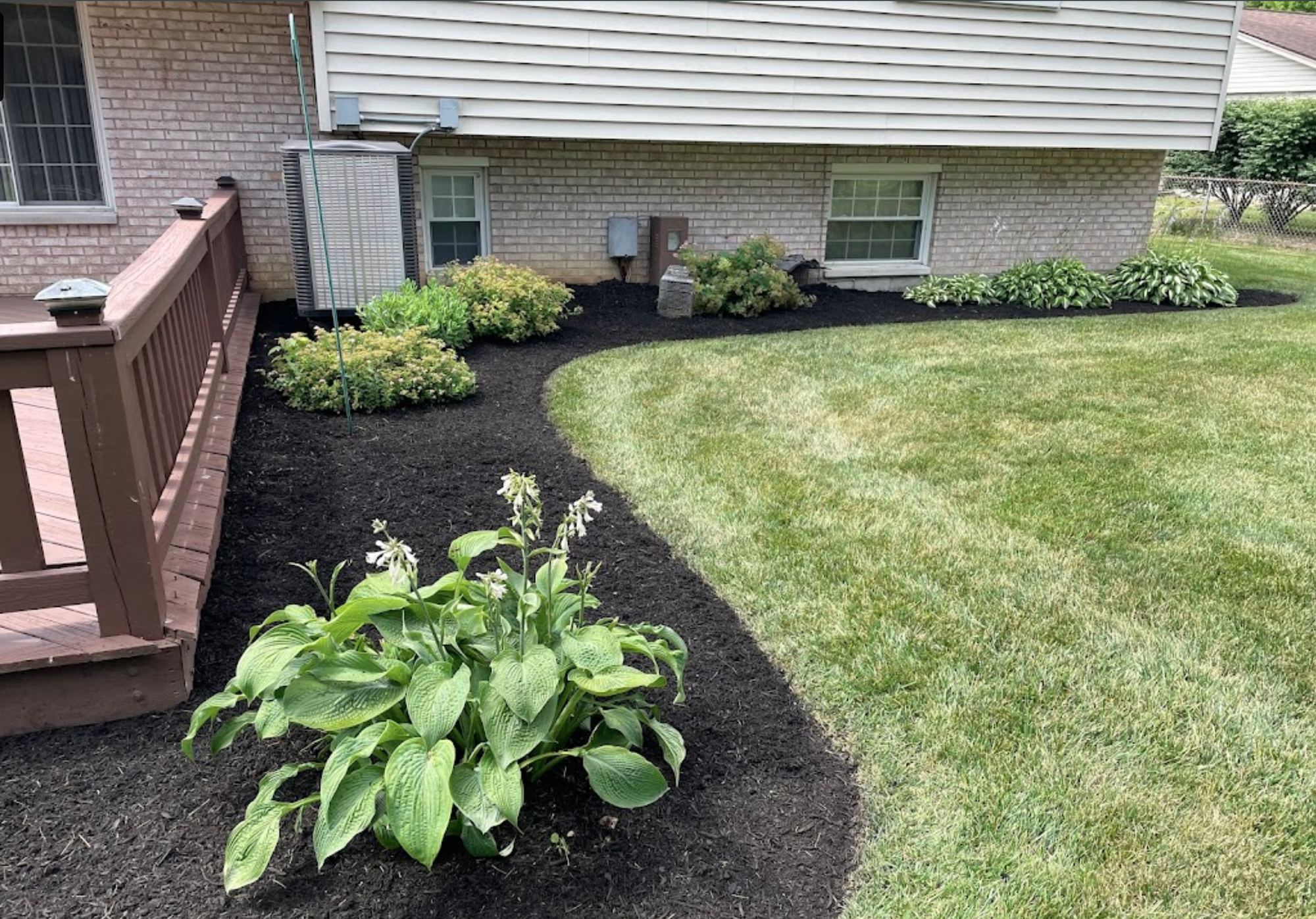
Mulch vs. No Mulch: The Difference
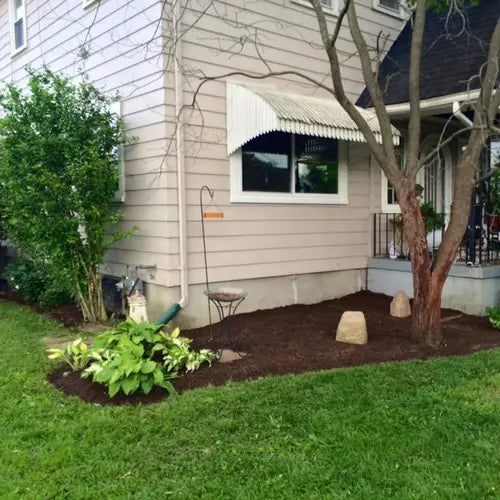
North Merrick's zone 7b climate means warm, humid summers that accelerate the breakdown of natural wood mulches, so you will typically see organic mulch decompose faster here than in cooler inland areas. Natural hardwood mulch adds organic matter back into sandy loam as it breaks down, which is genuinely beneficial for North Merrick soil over multiple seasons. Dyed mulches break down at a similar rate but are processed to retain color longer, making them a good choice for high-visibility beds where appearance is a priority through the full growing season.
Before
After
Best Mulch Choice for North Merrick Lawns
Most yards in the North Merrick area sit on Sandy Loam type of soil. North Merrick's sandy loam is low in organic matter and drains quickly, which means plant beds can become nutrient-poor and dry without regular mulch coverage to protect and gradually enrich the soil surface.
Hardwood Mulch
Hardwood mulch is particularly well-suited to North Merrick's sandy loam because as it decomposes it releases organic compounds that improve the soil's ability to retain both moisture and nutrients, gradually counteracting the naturally lean character of sandy loam soil.
Complete Your Outdoor Mulch Project
Pair your mulch order with a bulk topsoil delivery to build up low spots in your beds before mulching, or add decorative stone along pathways and foundation borders to complement the organic mulch look throughout your North Merrick landscape.
North Merrick's growing season starts in earnest after April 3, and that early spring window is a great time to layer fresh mulch before weeds get established. Sandy loam warms quickly in spring, which is good for plants but also accelerates weed germination. Getting mulch down in that first week or two after the last frost gives you a real head start on suppression before crabgrass and other common Long Island weeds take hold.
Mulch Mound Pro Tip
When mulching around trees and shrubs in North Merrick, avoid the common mistake of building mulch up into a volcano shape against the trunk. Instead, create a flat donut shape that keeps mulch a few inches away from the bark. This is especially important in North Merrick's humid summers, where bark moisture can promote fungal issues on ornamental shrubs that are already stressed by sandy loam's low nutrient content.
Mulch Mound Pro Tip
North Merrick receives about 46 inches of rain per year, which sounds like plenty but arrives unevenly, with wet springs and drier midsummer stretches. Organic mulch helps buffer both extremes. During wet periods it slows surface runoff on slopes, and during dry stretches it reduces evaporation from the sandy loam underneath. Choosing a hardwood mulch that breaks down gradually gives you the best of both worlds across the full growing season.
Frequently Asked Questions
Click a question to see the answer
Answer
How often should I refresh mulch in my North Merrick yard?
Because North Merrick sits in growing zone 7b with a long active season from early April through mid-November, organic mulches break down relatively quickly in warm, moist conditions. Most homeowners in this area find that refreshing mulch once per year, typically in spring after April 3, keeps beds looking tidy and maintains the moisture-retention benefits that sandy loam soil really depends on.
Answer
Will mulch help with the dry spells we get on Long Island in summer?
Yes, significantly. North Merrick's sandy loam drains quickly, so surface moisture evaporates fast during the warm dry stretches that often hit in July and August. A 3-inch layer of mulch can cut soil moisture loss considerably, reducing how often you need to water and protecting plants during periods when rainfall drops below the annual 46-inch average.
Answer
Is there a best time of year to put down mulch in North Merrick?
Late spring, around the second or third week of April after the last frost date of April 3, is ideal for North Merrick yards. The soil has warmed enough to support active root growth, and laying mulch at this point helps lock in that warmth and moisture right at the start of the growing season. A light top-off in fall before November 15 can also help insulate roots heading into winter.
Answer
How deep should I apply mulch in my garden beds?
For North Merrick's sandy loam beds, 2 to 3 inches is the recommended depth. Sandy loam does not hold water the way clay-heavy soils do, so you want enough mulch to meaningfully slow evaporation without going so deep that you smother plant roots or create a habitat for pests near the stem.
Answer
Should I pull old mulch out before adding new mulch?
In most North Merrick yards you can simply rake existing mulch to break up any matted layers before adding a fresh top layer. If the old mulch has fully decomposed into a dark, earthy material, leave it in place since it is actually adding organic matter to your sandy loam, which benefits nutrient retention over time.
Answer
Does dyed mulch hold its color well in North Merrick's weather?
Dyed mulch generally holds color for one season in North Merrick's climate. With 46 inches of annual rainfall and strong summer sun common to Long Island, the pigment will fade over time, though it typically looks good through the main outdoor season. If long-term color consistency matters to you, plan to refresh dyed mulch each spring for the best curb appeal.
Answer
Can mulch attract pests or create problems near my home's foundation?
Mulch piled directly against a foundation can trap moisture and invite insects, which is a real concern in North Merrick's humid summers. Keep mulch pulled back 2 to 4 inches from your home's exterior. Using stone along the foundation border and organic mulch further out in the beds is a popular approach for North Merrick homeowners.
The Unique Landscape of North Merrick
North Merrick's sandy loam soil drains quickly, which means plant beds lose moisture faster than homeowners expect, especially during the dry stretches that hit Long Island in July and August. A consistent layer of mulch acts as a thermal blanket, keeping root zones cooler when summer temperatures climb and helping plants stay hydrated between waterings. With 46 inches of rain spread across the year and a growing season that runs from the last frost around April 3 through the first frost around November 15, mulch also helps regulate soil temperature during the shoulder seasons when overnight lows swing dramatically. Without mulch coverage, North Merrick's sandy loam is prone to surface crusting after heavy rain events, which can restrict water infiltration and stress shallow-rooted plants. Keeping a fresh layer of mulch in your beds each season is one of the most effective maintenance steps you can take for a landscape in this zone.