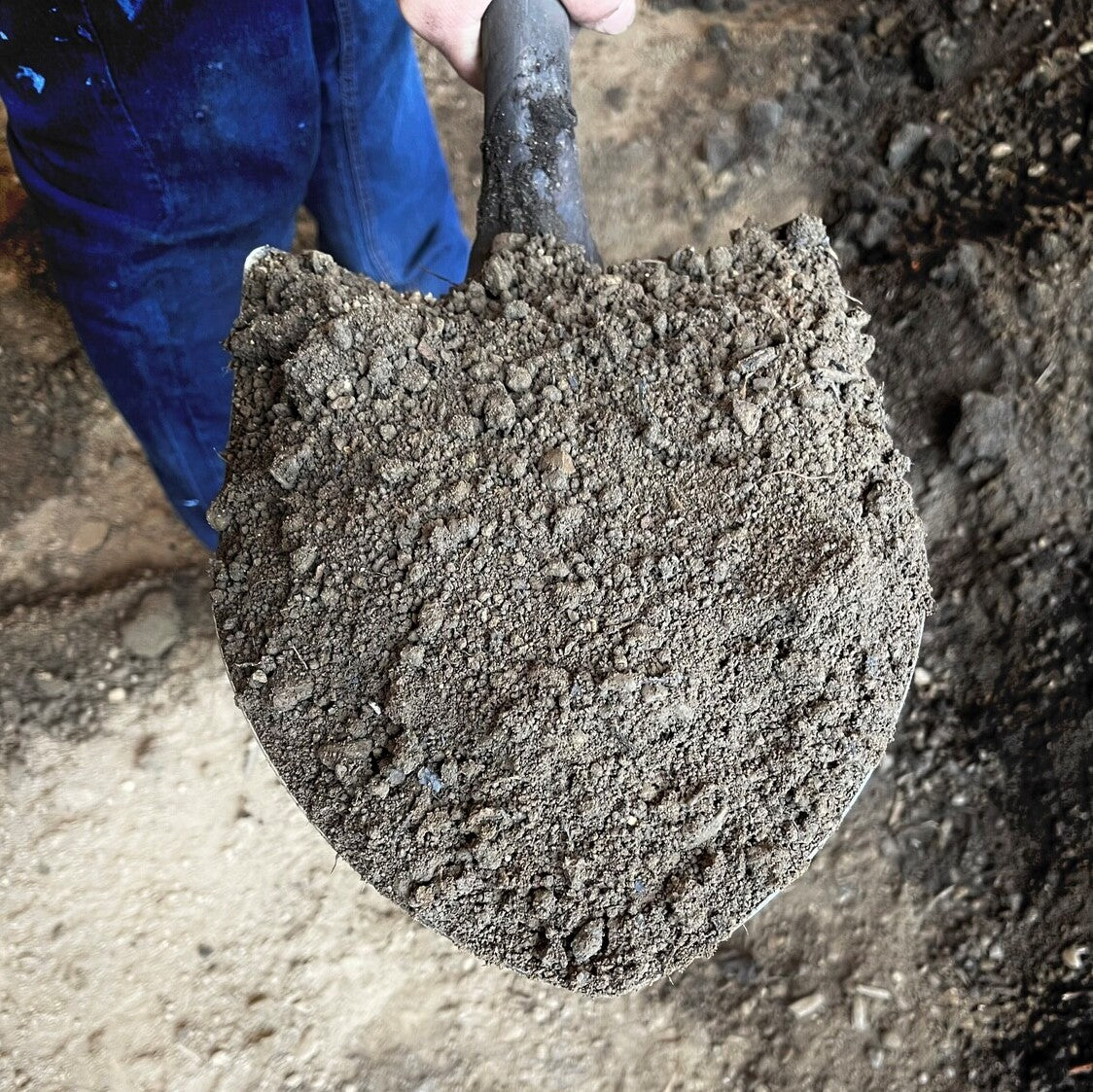
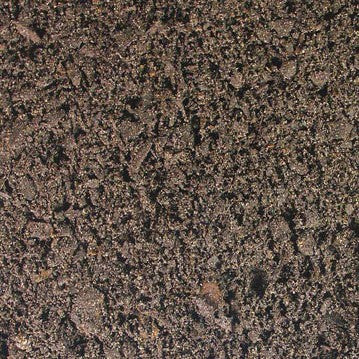
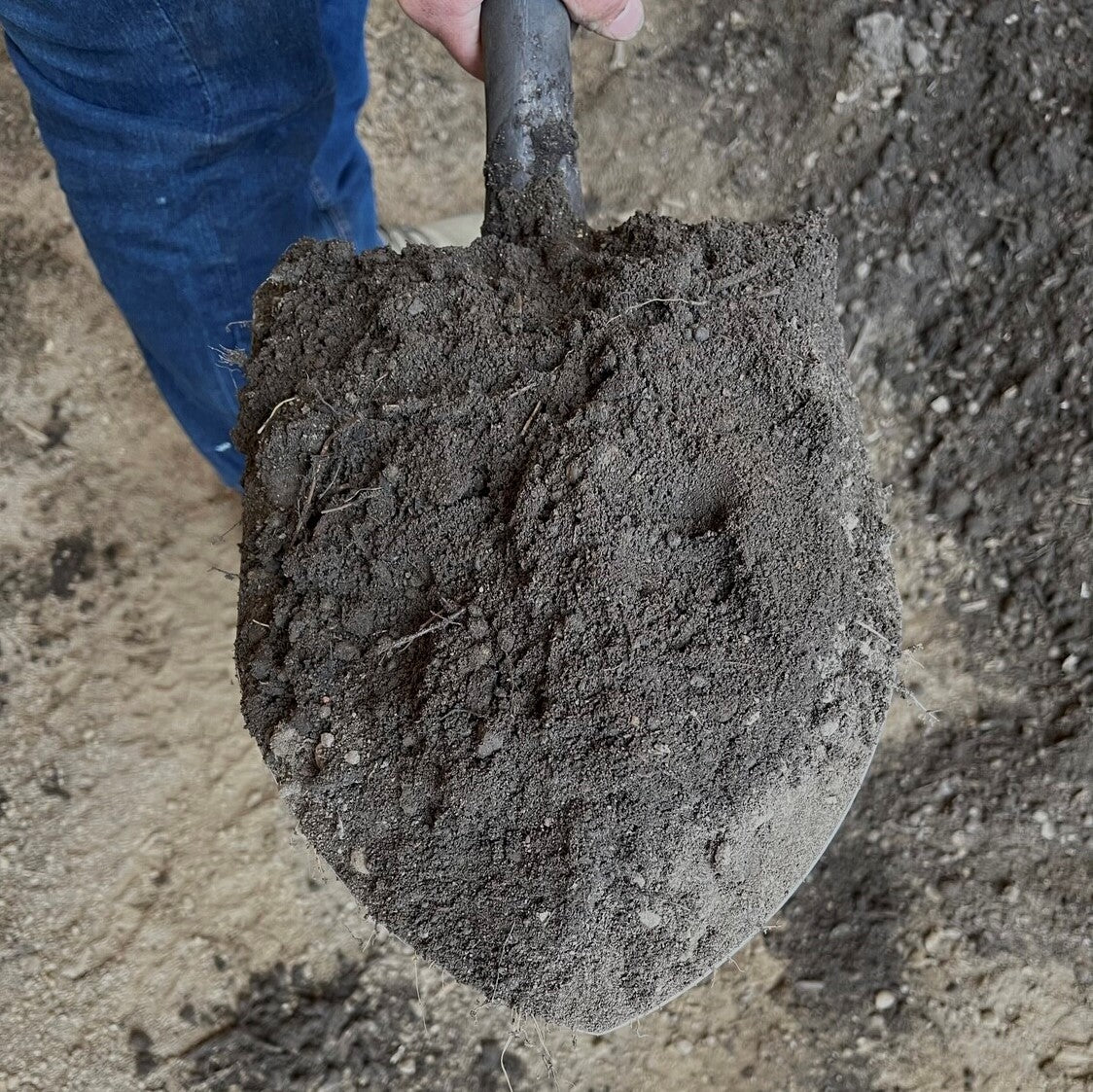
Quality topsoil for lawns, gardens, and landscape projects. Nutrient rich and ready to support strong root development and healthy plant establishment.
The website was intuitive and easy to navigate. The material was delivered the date and time it was scheduled, it was dropped off in the area i had specified on top of my tarp with no issues.
I ordered soil, the Gardening Blend that I received had too many plastic and metal p...
Quality topsoil for lawns, gardens, and landscape projects. Nutrient rich and ready to support strong root development and healthy plant establishment.
The website was intuitive and easy to navigate. The material was delivered the date and time it was scheduled, it was dropped off in the area i had specified on top of my tarp with no issues.
I ordered soil, the Gardening Blend that I received had too many plastic and metal p...
How Much Material Do I Need?
For garden bed preparation in North Merrick, plan on 4 to 6 inches of quality soil to give roots a nutrient-rich layer above the native sandy loam, and for lawn leveling aim for at least 4 inches in any filled areas to support healthy turf establishment.
Use our free soil calculator
What is a yard?
A yard is approximately 27 cubic feet. As a general guideline, one yard of material can cover an area of about 100-160 square feet at a 2-3 inch depth.
The website was intuitive and easy to navigate. The material was delivered the date and time it was scheduled, it was dropped off in the area i had...
Read full review
The website was intuitive and easy to navigate. The material was delivered the date and time it was scheduled, it was dropped off in the area i had specified on top of my tarp with no issues.
I ordered soil, the Gardening Blend that I received had too many plastic and metal pieces for my liking thus lowering the score from a perfect 5/5 to a 4/5
Measure your project area carefully before ordering, especially for lawn leveling projects where North Merrick's uneven sandy loam substrate can create hidden low spots. Multiply length by width by intended depth in feet, then divide by 27 to get cubic yards. For raised beds, add 10 to 15 percent extra to account for settling, which happens faster in warm zone 7b conditions.
Complete Your Outdoor Soil Project
After grading and soil work is complete, finish your project with bulk mulch to protect newly prepared beds and lock in moisture, or use decorative stone to create defined borders and pathways that frame your freshly landscaped North Merrick yard.
My yard in North Merrick has low spots that fill with water after rain. Can bulk soil fix that?
Low spots are common in North Merrick yards, and bulk soil is a straightforward solution for leveling them. With 46 inches of annual rainfall, low areas can stay saturated for days after a storm, which stresses grass and can damage established plantings. Filling low spots with quality topsoil and then re-seeding creates a more even grade that drains properly and keeps your lawn healthy throughout the wet season.
Answer
What kind of soil should I use to fill raised vegetable beds in North Merrick?
For raised vegetable beds in North Merrick, you want a blend that holds moisture better than the native sandy loam but still drains well enough to prevent root rot. A quality garden or topsoil blend with visible organic matter is ideal. Since your growing season runs from around April 3 to November 15, filling beds with rich soil gives warm-season vegetables like tomatoes and peppers the nutrients they need to produce through the whole summer.
Answer
How much topsoil do I need to lay sod or seed a new lawn area in North Merrick?
For new lawn establishment over North Merrick's existing sandy loam, a 4-inch layer of quality topsoil is generally recommended before seeding or laying sod. Sandy loam alone does not retain enough moisture to support germinating seed reliably, especially during the dry spells that hit Long Island in midsummer. Adding a good topsoil layer creates a much more forgiving growing environment for new grass.
Answer
When is the best time to add bulk soil to my North Merrick yard?
Spring is the most popular time in North Merrick, with deliveries typically starting after April 3 once the ground has fully thawed and dried out enough to work with. Early fall, around September, is also an excellent window for lawn repairs and bed preparation before the first frost arrives around November 15. Both windows give plants and grass enough time to establish roots before the next seasonal extreme.
Answer
Will bulk soil help my garden beds drain better or worse than my native North Merrick soil?
It depends on the blend you choose. North Merrick's native sandy loam already drains well, so if your goal is to improve moisture retention and nutrient content for garden beds, choose a topsoil blend that includes compost or organic matter. If drainage is a concern in a low area, you may want to address grading first before adding soil so you are not simply burying the drainage problem.
Answer
Can I use bulk topsoil to topdress my existing lawn in North Merrick?
Yes, topdressing with a thin layer of quality topsoil is an effective way to improve a thin or patchy North Merrick lawn. Apply no more than a quarter to half inch at a time so existing grass can grow through it. Sandy loam lawns in this area often thin out in summer heat, and topdressing in early fall before the November 15 frost gives overseeded areas the best chance to fill in before winter.
Answer
How do I know how many yards of soil to order for my project?
Measure your project area in square feet and decide on your target depth. For a 4-inch layer over 500 square feet, you would need roughly 6 cubic yards. For North Merrick projects, it is generally smart to order slightly more than your calculation suggests because sandy loam areas often have uneven sub-surfaces that require extra fill in spots you may not notice until you start spreading.
Mulch Mound Pro Tip
If you are preparing vegetable beds in North Merrick, time your soil delivery to arrive a week or two before your last frost date of April 3. This gives you time to spread the soil, let it settle slightly, and work in any amendments before planting. Sandy loam warms up fast in spring, which is one of zone 7b's advantages, and having your beds ready early lets you start warm-season crops as soon as nighttime temperatures cooperate.
Mulch Mound Pro Tip
For lawn leveling in North Merrick, spread soil in thin passes rather than dumping large amounts in one spot. North Merrick's existing turf is often rooted into sandy loam that compacts unevenly, and thin lifts let you achieve a more accurate grade while keeping existing grass alive wherever possible. Check your work with a level board or long straightedge to catch any remaining low spots before seeding or sodding.
Mulch Mound Pro Tip
North Merrick homeowners doing major soil work should be aware that the area's 46 inches of annual rainfall includes some heavy spring rain events that can erode freshly placed soil before it has time to settle and grow in. After spreading bulk soil, seed or cover it with straw erosion matting as quickly as possible to hold it in place. Bare soil on sloped areas is especially vulnerable to wash during spring storms.
The Unique Landscape of North Merrick
North Merrick sits on a base of sandy loam that is common across much of Long Island, and while sandy loam drains well, topsoil depths are often shallow and nutrient levels can be inconsistent from yard to yard. If you are building new garden beds, leveling out lawn areas, or filling raised beds, bringing in quality bulk soil gives you control over the growing medium rather than relying on whatever native layer is present. With the growing season running from April 3 through November 15 in zone 7b, establishing good soil structure before planting pays dividends all season long. North Merrick also receives 46 inches of rain per year, and properly structured soil helps ensure that rainfall moves into the root zone rather than running off compacted or depleted surfaces. Whether you are seeding a new lawn section after winter damage or preparing vegetable beds for spring planting, a fresh layer of quality soil sets the foundation for everything that grows above it.