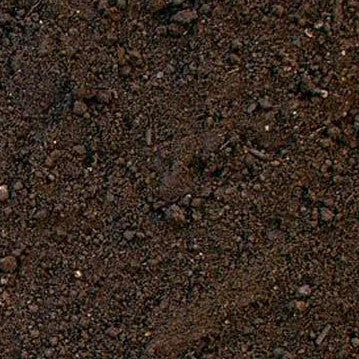
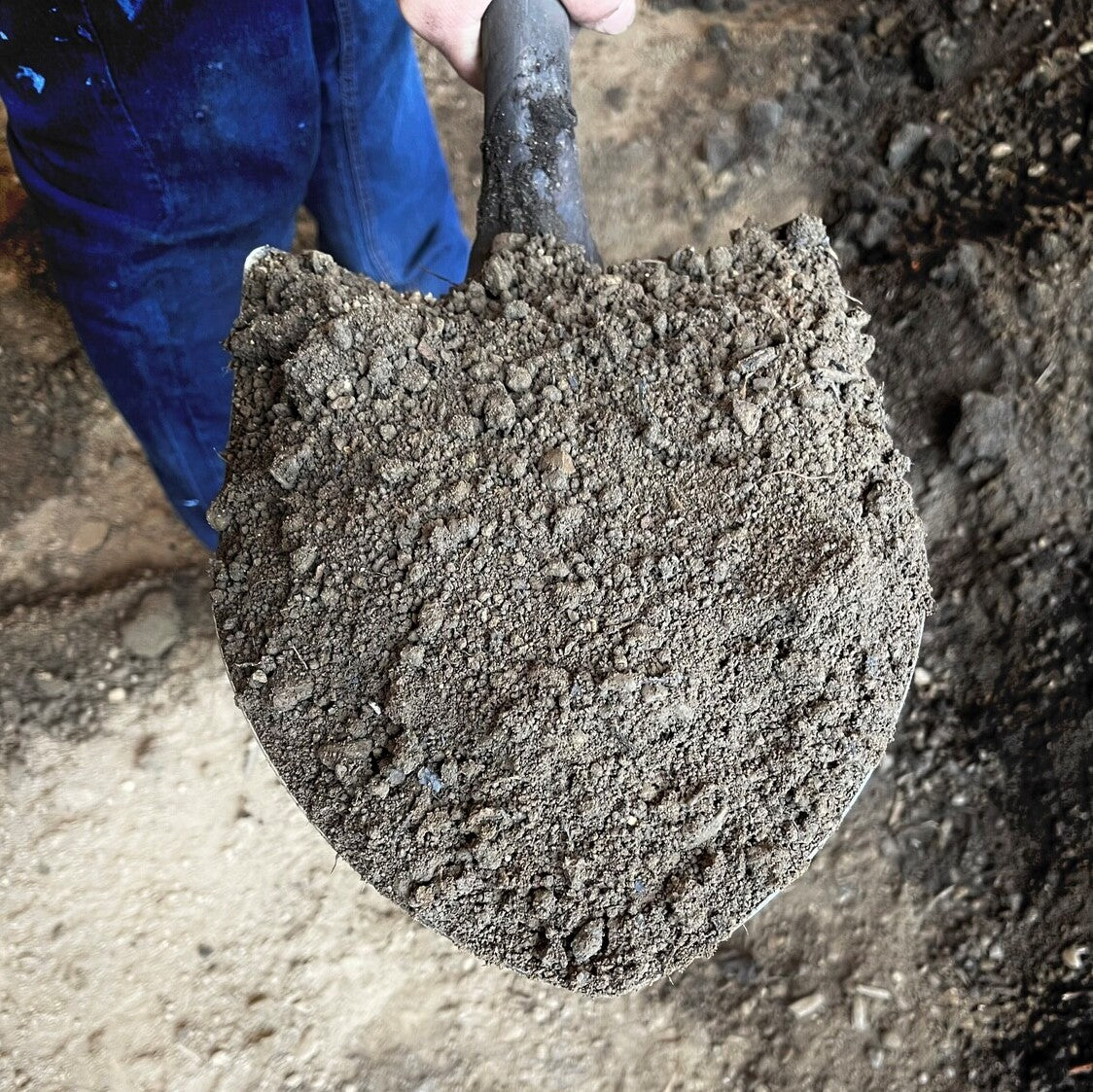
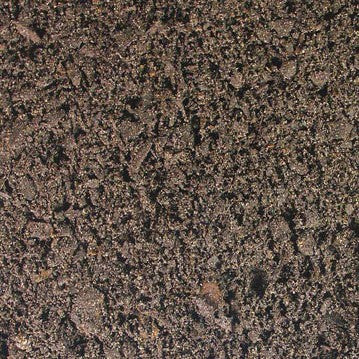
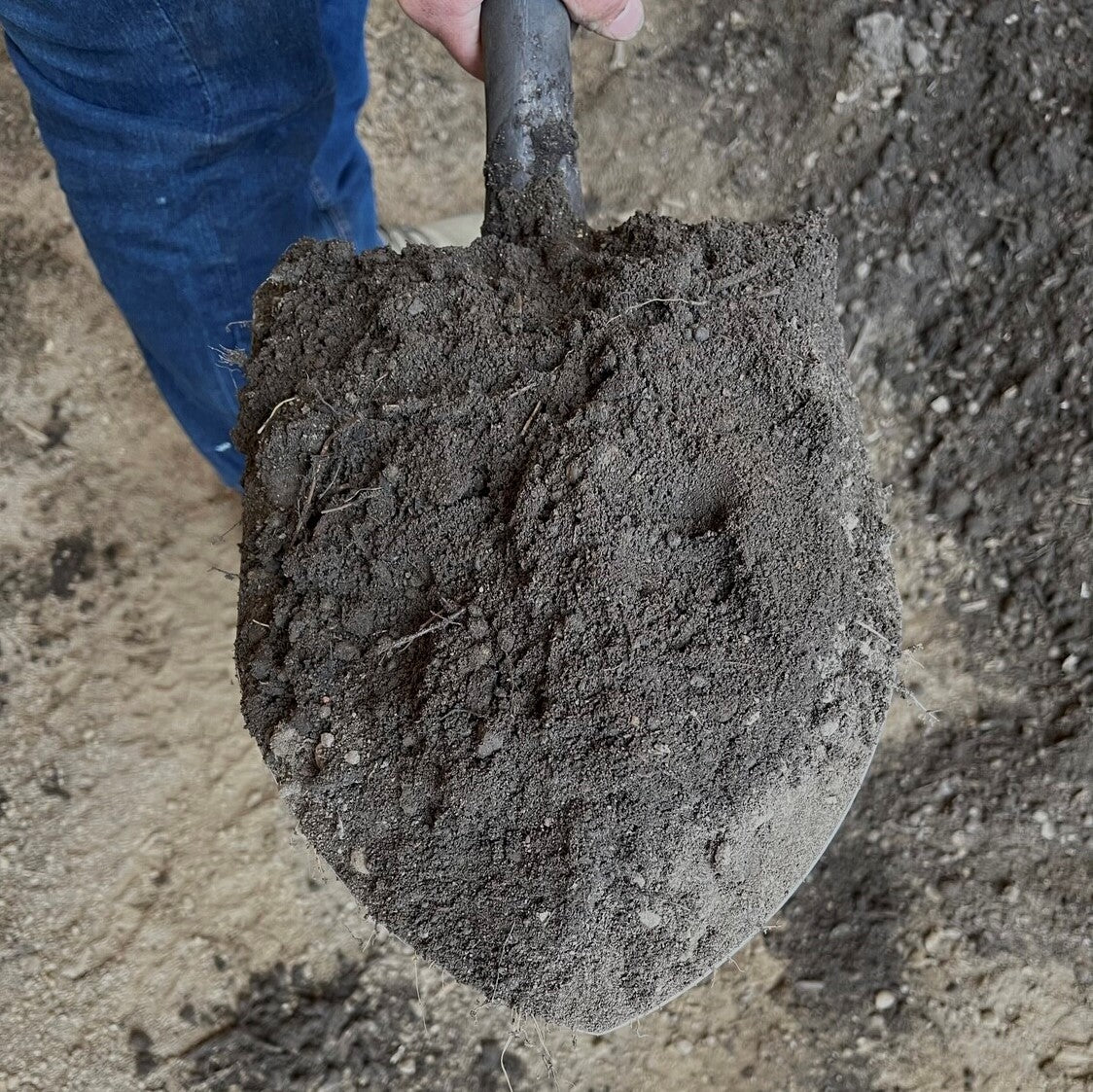
Quality topsoil for lawns, gardens, and landscape projects. Nutrient rich and ready to support strong root development and healthy plant establishment.
We ordered 3 yards of the garden soil, delivered mext day. We used in raised beds 6x3x2. It was more than needed for both but the soil looked good! I added some perlite to add some drainage since this is a little dense.
Quality topsoil for lawns, gardens, and landscape projects. Nutrient rich and ready to support strong root development and healthy plant establishment.
We ordered 3 yards of the garden soil, delivered mext day. We used in raised beds 6x3x2. It was more than needed for both but the soil looked good! I added some perlite to add some drainage since this is a little dense.
How Much Material Do I Need?
For planting beds in North New Hyde Park, 6 to 8 inches of topsoil over native sandy loam is a reliable starting depth for most ornamentals and vegetables. Lawn repairs typically need only 1 to 2 inches of topsoil spread evenly and raked into the existing grade before reseeding.
Use our free soil calculator
What is a yard?
A yard is approximately 27 cubic feet. As a general guideline, one yard of material can cover an area of about 100-160 square feet at a 2-3 inch depth.
We ordered 3 yards of the garden soil, delivered mext day. We used in raised beds 6x3x2. It was more than needed for both but the soil looked good!...
Read full review
We ordered 3 yards of the garden soil, delivered mext day. We used in raised beds 6x3x2. It was more than needed for both but the soil looked good! I added some perlite to add some drainage since this is a little dense.
Measure your project area in feet, multiply length by width, and then multiply by your target depth in feet. Divide that number by 27 to convert cubic feet to cubic yards. For North New Hyde Park lawn leveling, where you are typically applying thin lifts over existing turf, even a modest-sized low spot can require more material than expected once you account for settling over the first few rainfall events.
Complete Your Outdoor Soil Project
Once your soil grade is set, a layer of bulk mulch over planting beds will protect the fresh topsoil from erosion during North New Hyde Park's heavier rain events and reduce weed pressure while new plants establish. Decorative stone borders help contain topsoil in sloped beds and give finished edges a clean, defined look.
How do I know if I should amend my existing sandy loam or just bring in fresh topsoil?
If your native North New Hyde Park soil is healthy but simply low in organic matter, amending it with compost and a thin layer of topsoil is often enough for garden beds. But if you are starting a raised bed, filling a graded area, or dealing with compacted or chemically depleted ground, bringing in bulk topsoil gives you a clean productive layer to work from. Sandy loam degrades quickly under foot traffic and heavy planting, so fresh topsoil is often the faster path to good results.
Answer
What depth of topsoil do I need for a new vegetable garden in North New Hyde Park?
For vegetables in North New Hyde Park, a minimum of 8 to 12 inches of quality topsoil gives roots the room and nutrients they need through the Zone 7b growing season. Tomatoes, squash, and root vegetables especially benefit from the deeper range. If you are building on top of the native sandy loam, 8 inches is a practical starting point since the underlying soil still offers drainage support for excess water.
Answer
Can I use bulk topsoil to level low spots in my North New Hyde Park lawn?
Yes, bulk topsoil or a sandy loam blend works well for lawn leveling here. Apply no more than half an inch to an inch at a time over existing turf to avoid smothering the grass. For deeper depressions, you may need to remove the sod, fill with topsoil, tamp lightly, and reseed. Given North New Hyde Park's 46 inches of annual rainfall, leveled spots establish quickly when seeded in early September before cooler temperatures set in.
Answer
Is the topsoil you deliver suitable for raised bed vegetable gardens in North New Hyde Park?
Our bulk topsoil is well-suited as a base layer for raised beds, and many North New Hyde Park gardeners mix it with compost at a ratio of roughly two-thirds topsoil to one-third compost for vegetable production. This blend holds moisture better than straight topsoil, which matters here because raised beds in full sun can dry out faster than in-ground beds, especially during summer heat stretches in Zone 7b.
Answer
When is the best time to have topsoil delivered for spring garden prep in North New Hyde Park?
The ideal window is between late March and mid-April, before the April 15 average last frost date but after the ground has thawed and drained from winter. Ordering during this window lets you prep and fill beds so they are ready to plant as soon as the frost risk has passed. Trying to work wet soil too early can compact it and undo much of the benefit you get from fresh topsoil.
Answer
How much topsoil do I need to fill a standard raised bed in North New Hyde Park?
A typical 4-foot by 8-foot raised bed that is 12 inches deep requires approximately 1.2 cubic yards of soil. If you are building multiple beds or filling deeper boxes, ordering by the cubic yard is far more cost-effective than buying bags. Measure length times width times depth in feet, then divide by 27 to calculate the cubic yards needed for your specific setup.
Answer
Will bulk topsoil help with drainage problems in low-lying areas of my North New Hyde Park yard?
Topsoil alone will not resolve standing water issues in low-lying areas. For those situations, a gravel or stone base layer combined with regrading is usually needed first. However, once drainage is addressed, topsoil can be used to raise and reshape those areas so water flows away from the problem zone. North New Hyde Park's sandy loam subbase actually helps once the grade is corrected, since water percolates through it reasonably well.
Mulch Mound Pro Tip
North New Hyde Park's sandy loam base is naturally low in organic matter, so the topsoil you bring in will perform best if you blend it slightly into the top few inches of native soil rather than simply laying it on top as a separate layer. This integration approach reduces the sharp transition between materials and encourages roots to grow deeper rather than staying confined to the imported layer. A garden fork or tiller set to a shallow depth makes this easy before planting.
Mulch Mound Pro Tip
If you are planning a fall lawn overseeding in North New Hyde Park, a light topdressing of topsoil applied in mid-August sets you up for strong germination in September. Spread no more than a quarter to half an inch over existing turf, rake it lightly to work it into the grass canopy, and seed immediately after. The long warm tail of the Zone 7b growing season gives cool-season grasses time to root deeply before the November 17 first frost.
Mulch Mound Pro Tip
When filling raised beds in North New Hyde Park, account for the fact that bulk topsoil will settle by roughly 10 to 15 percent over the first growing season as it compacts and organic material decomposes. Fill beds slightly above the rim at installation so you are not left with a sunken surface after the first few rainfall events. Topping off with a thin layer of compost the following spring is a simple way to keep the bed level and nutrient-rich without a full soil replacement.
The Unique Landscape of North New Hyde Park
North New Hyde Park's native sandy loam is a workable base but it falls short when you need deep nutrient content for vegetable gardens, raised beds, or lawn repairs. The sandy fraction of this soil type drains rapidly, which means nutrients can leach out before plant roots fully absorb them over the course of the growing season. At 115 feet of elevation, local yards also tend to have modest but noticeable grade variations that accumulate over time and benefit from targeted topdressing with quality topsoil or fill. Zone 7b's long growing season, running from mid-April to mid-November, puts steady demand on garden soil, and depleted native ground will show the strain by midsummer. Bringing in bulk topsoil lets North New Hyde Park homeowners control the quality of what their plants are rooting into rather than trying to rehabilitate exhausted native sandy loam.






 +1
+1


