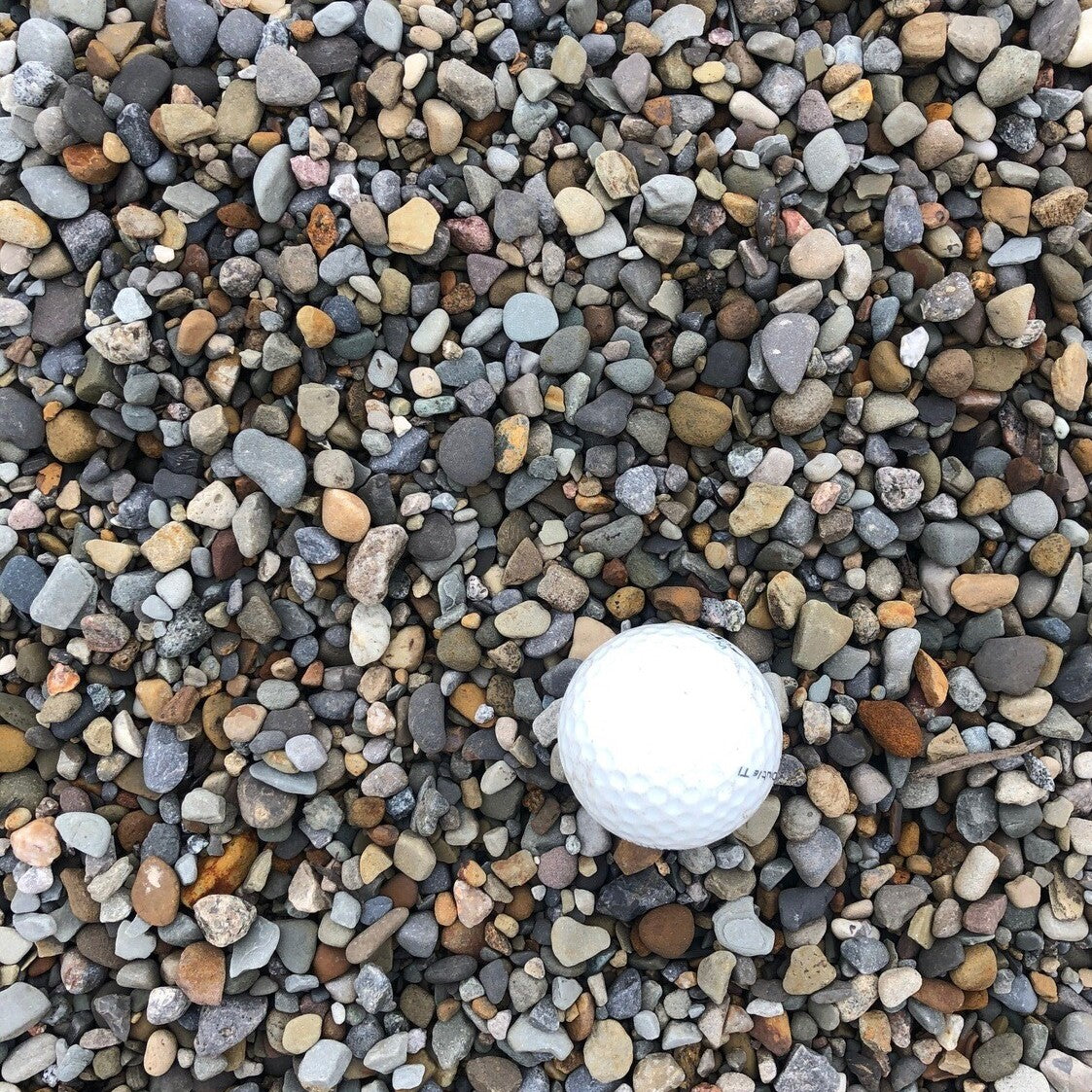
Classic pea gravel with smooth, rounded edges and natural earth tones. A versatile favorite for pathways, patios, drainage, and decorative ground cover.
I used Mulch Mound to have 3 cubic yards of garden soil delivered. The process was easy and I love that I didn't have to call anyone. I placed my order online, picked my delivery date, laid out my tarp and the dirt was delivered. My delivery had to be pushed back, but I was ke...
Classic pea gravel with smooth, rounded edges and natural earth tones. A versatile favorite for pathways, patios, drainage, and decorative ground cover.
I used Mulch Mound to have 3 cubic yards of garden soil delivered. The process was easy and I love that I didn't have to call anyone. I placed my order online, picked my delivery date, laid out my tarp and the dirt was delivered. My delivery had to be pushed back, but I was ke...
How Much Material Do I Need?
For decorative beds and pathway coverage in North New Hyde Park, a 2 to 3 inch layer of stone is the practical standard for most applications. Drainage applications like French drains or dry creek beds may require deeper fills of 6 inches or more depending on the grade and volume of water being managed.
Use our free stone calculator
What is a yard?
A yard is approximately 27 cubic feet. As a general guideline, one yard of material can cover an area of about 100-160 square feet at a 2-3 inch depth.
I used Mulch Mound to have 3 cubic yards of garden soil delivered. The process was easy and I love that I didn't have to call anyone. I placed my o...
Read full review
I used Mulch Mound to have 3 cubic yards of garden soil delivered. The process was easy and I love that I didn't have to call anyone. I placed my order online, picked my delivery date, laid out my tarp and the dirt was delivered. My delivery had to be pushed back, but I was kept informed via text, which was great. So why not 5 stars? The description of garden soil on the website is "A balanced mix of topsoil and organic amendments ready for raised beds, flower gardens, and new planting areas. Good drainage, solid nutrients, easy to work with." What I got was more like fill dirt. It had a lot of gravel, a lot of clay, and random trash mixed in. I didn't test the soil to see if it actually had "amendments" because I already have compost and alpaca manure ready to add, but if I'd known the quality of the dirt was going to be the same as the bagged dirt I bought last year, I probably would have gotten 2 yards of top soil and a yard of leaf compost for better quality, especially since the leaf compost is cheaper. Photo of my mountain of dirt and just some of the trash I found in it.
To calculate stone coverage, measure length and width in feet, multiply for square footage, then multiply by your target depth in inches and divide by 324 to get cubic yards. In North New Hyde Park, adding 10 percent to your estimate accounts for settling, any low spots in the base, and material lost along edges during installation and spreading.
Complete Your Outdoor Stone Project
Pairing decorative stone borders with fresh mulch in your planting beds creates a clean, layered look that suits North New Hyde Park's suburban yards and reduces overall maintenance demands. Adding quality topsoil under any areas being regraded before stone placement ensures proper drainage and a stable, long-lasting base.
Before laying stone in any North New Hyde Park planting bed or border, compact the base and install landscape fabric cut precisely to fit the area. Sandy loam has a tendency to migrate upward through gravel over time, especially after the freeze-thaw cycles common between November and April here. A quality woven fabric barrier slows that process significantly and keeps your stone layer looking clean and even for several years longer than an unprotected installation.
Mulch Mound Pro Tip
If you are installing a stone pathway in your North New Hyde Park yard, setting the finished stone surface slightly below the surrounding lawn grade will prevent gravel from scattering onto the grass during mowing and keep rain runoff from washing material off the path. Excavate 4 to 5 inches, lay a compacted crushed stone base, and finish with your decorative surface layer. This layered approach also gives you much better drainage performance under the path during North New Hyde Park's heavier rainfall months.
Mulch Mound Pro Tip
Crushed stone around air conditioning units, sheds, and fence lines in North New Hyde Park does double duty as a no-mow surface and a moisture management zone. These tight areas are often difficult to mulch properly and tend to hold moisture against structures when organic materials are used. A 2 to 3 inch stone layer here promotes airflow, drains quickly after rain, and eliminates the trimming work that comes with trying to maintain turf in confined spaces.
The Unique Landscape of North New Hyde Park
North New Hyde Park's 46 inches of annual rainfall creates real erosion and drainage challenges in residential yards, and decorative stone is one of the most effective long-term solutions for vulnerable areas. Sandy loam soil along slopes, pathways, or near foundations can wash and shift over time, and a layer of crushed stone or gravel stabilizes those areas without requiring ongoing seasonal maintenance. Zone 7b's long freeze-thaw season from late November through mid-April can heave and crack traditional paved surfaces, making loose stone pathways and gravel borders a practical alternative that moves with the ground rather than against it. Stone also eliminates the need for mulch in areas where you want zero plant growth, such as around utility equipment, along fence lines, or under raised decks. Whether used for drainage, aesthetics, or reducing weekly maintenance, bulk stone fits the practical demands of a North New Hyde Park landscape.
Frequently Asked Questions
Click a question to see the answer
Answer
What size stone works best for a backyard pathway in North New Hyde Park?
For a walking path, pea gravel or three-eighths inch crushed stone gives a comfortable surface that drains well and stays in place under normal foot traffic. Larger decorative stones like river rock tend to shift and are harder to walk on. In North New Hyde Park, good drainage under the path material is important given the rainfall levels, so laying a compacted gravel base beneath the walking surface will prevent the path from becoming muddy or sinking over time.
Answer
How much stone do I need to cover the area around my foundation in North New Hyde Park?
A 2 to 3 inch layer of crushed stone along a foundation border is standard for both drainage and weed suppression. Measure the linear footage of your foundation, estimate a width of 18 to 24 inches, and multiply to get square footage, then divide by 100 to get approximate cubic yards needed for a 3-inch depth. This type of foundation border is especially practical in North New Hyde Park because it directs rain runoff away from the house and reduces moisture buildup against basement walls.
Answer
Will stone help with drainage issues in low areas of my North New Hyde Park yard?
Yes, gravel and crushed stone are central to most residential drainage solutions here. For low spots that collect water, digging a simple French drain filled with washed gravel and covered with filter fabric can redirect water through North New Hyde Park's sandy loam and away from problem areas. The sandy loam subsoil actually helps because it percolates water reasonably well once you give it a clear gravel pathway to follow.
Answer
Does decorative stone hold up well through North New Hyde Park winters?
Stone is one of the most winter-durable landscaping materials available and it handles Zone 7b freeze-thaw cycles without cracking, heaving, or fading. Unlike mulch, it does not break down or get displaced by snow plowing. The only maintenance consideration is that fine stone like pea gravel can shift if snow removal equipment goes over it repeatedly, so keeping stone borders slightly away from heavily plowed areas is a good practice for North New Hyde Park homeowners.
Answer
What is the difference between river rock and crushed stone for a North New Hyde Park landscape bed?
River rock is smooth and rounded, which makes it attractive for decorative beds, water features, and accent areas. Crushed stone has angular edges that lock together and resist shifting, making it the better choice for driveways, pathways, and drainage applications. In North New Hyde Park yards with any slope, crushed stone stays put better than river rock during the heavy rain events that can accompany summer storms in this region.
Answer
Can I use stone to replace mulch in my low-maintenance planting beds in North New Hyde Park?
Stone can replace mulch in beds where you want minimal ongoing maintenance and are not relying on organic decomposition to feed the soil. It is best used in areas with established shrubs or ornamental grasses rather than vegetable beds or annual plantings that benefit from soil improvement. In North New Hyde Park, using a layer of landscape fabric under the stone helps prevent the material from sinking into the sandy loam over time, which is a common issue without that barrier.
Answer
How do I prevent stone from migrating into my lawn in North New Hyde Park?
Steel or aluminum edging installed along the perimeter of a stone bed is the most reliable way to keep material from migrating into turf. Plastic edging tends to heave over time with North New Hyde Park's freeze-thaw cycles, so metal is the better long-term choice. Installing the edging with the top edge slightly above grade gives you a clean visual border and a physical barrier that holds up through the full Zone 7b season.