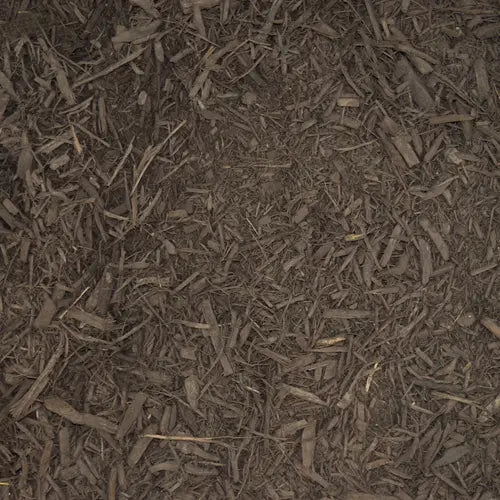
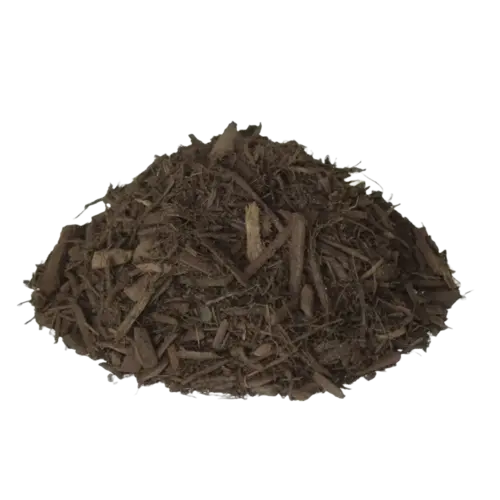
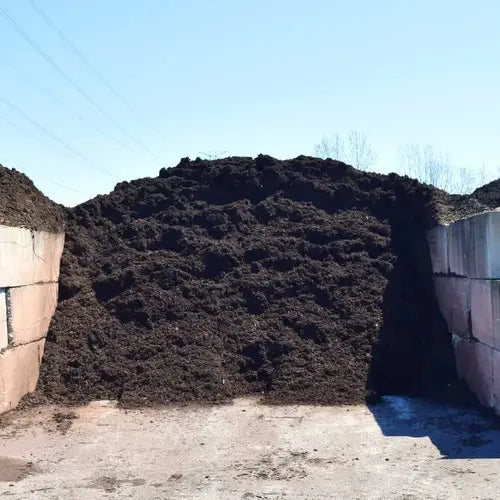
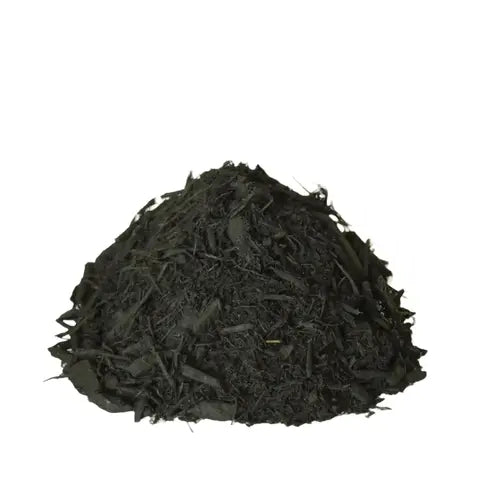
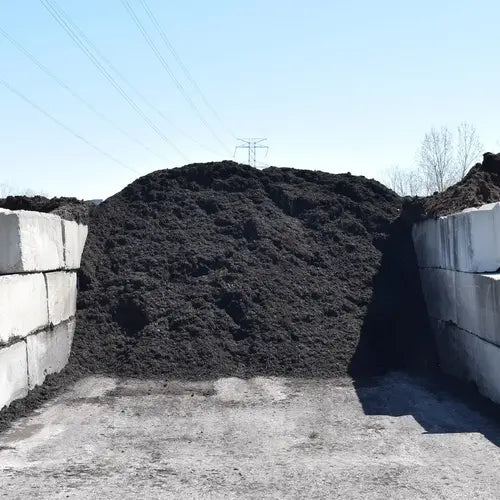
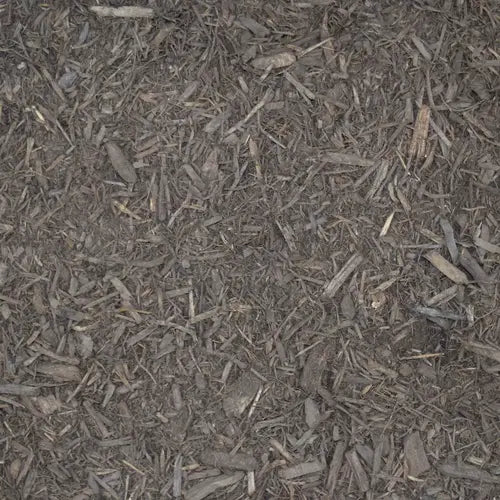
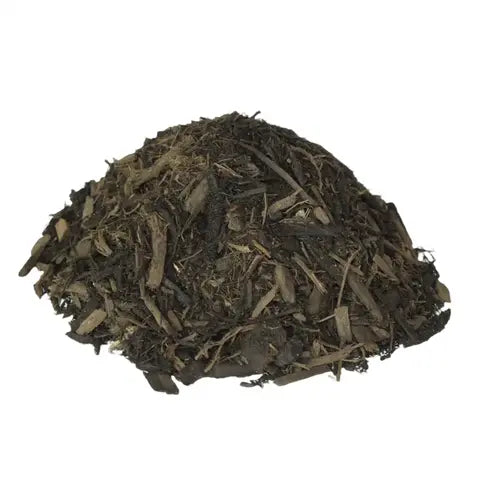
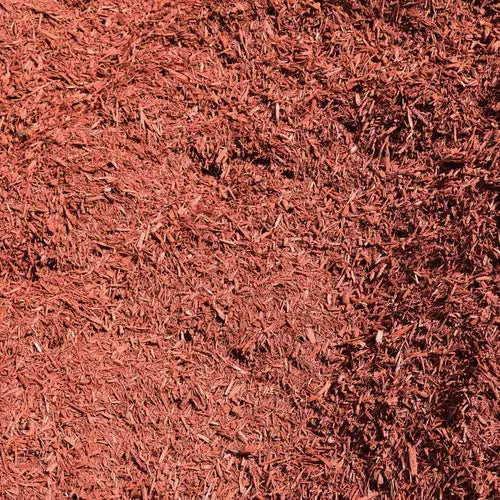
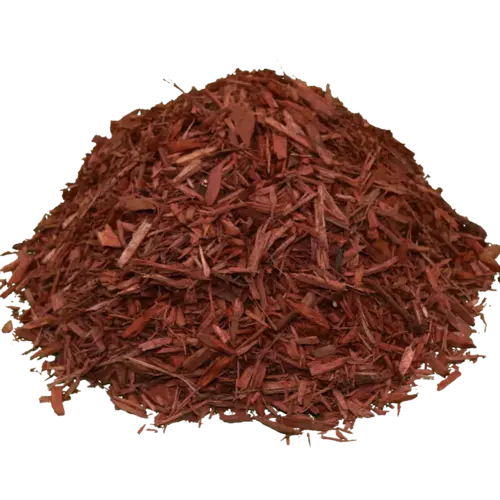
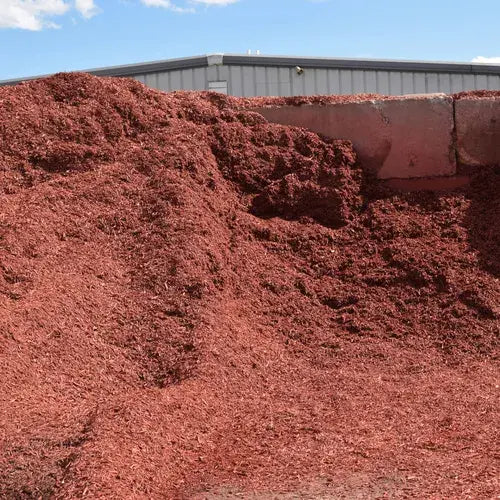
Warm brown double shredded mulch with lasting color that looks freshly applied for weeks. Spreads smooth, stays put, and gives beds a natural, polished appearance.
A GREAT experience! The ordering process was clear and easy. The price was real good and delivery was right on the drive as asked and on time. It is a real nice product and I had the bags before this product is so much nicer and no bags to deal with or loading and unloading th...
Warm brown double shredded mulch with lasting color that looks freshly applied for weeks. Spreads smooth, stays put, and gives beds a natural, polished appearance.
A GREAT experience! The ordering process was clear and easy. The price was real good and delivery was right on the drive as asked and on time. It is a real nice product and I had the bags before this product is so much nicer and no bags to deal with or loading and unloading th...
How Much Material Do I Need?
For most planting beds in Silver Springs Shores, apply a 3-inch layer to give sandy soil adequate moisture protection, or bump up to 4 inches in beds with newly planted shrubs or perennials that are still getting established.
Use our free mulch calculator
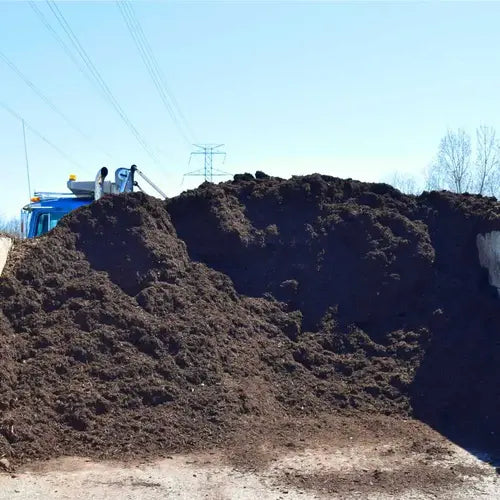
What is a yard?
A yard is approximately 27 cubic feet. As a general guideline, one yard of material can cover an area of about 100-160 square feet at a 2-3 inch depth.
A GREAT experience! The ordering process was clear and easy. The price was real good and delivery was right on the drive as asked and on time. It i...
Read full review
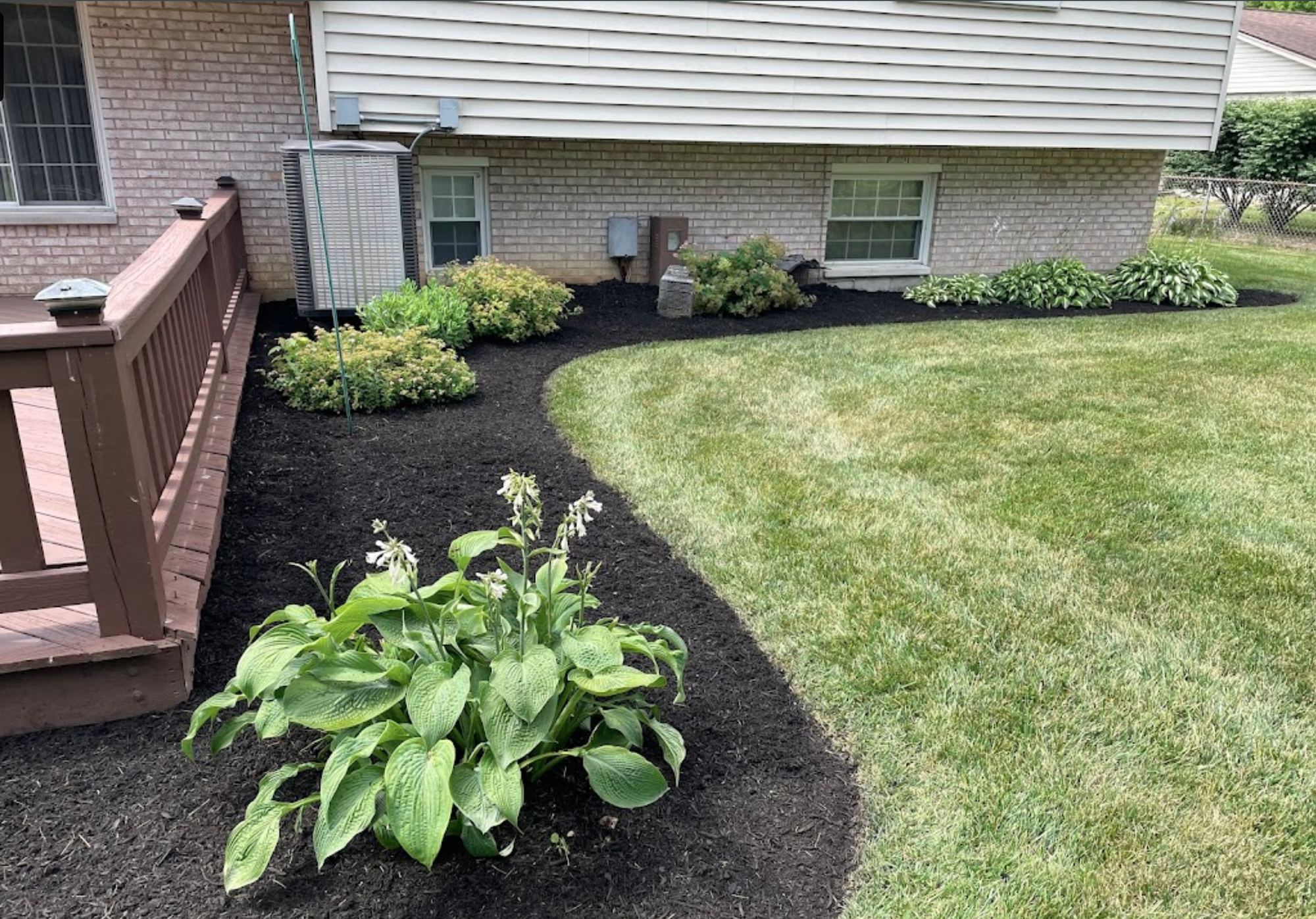
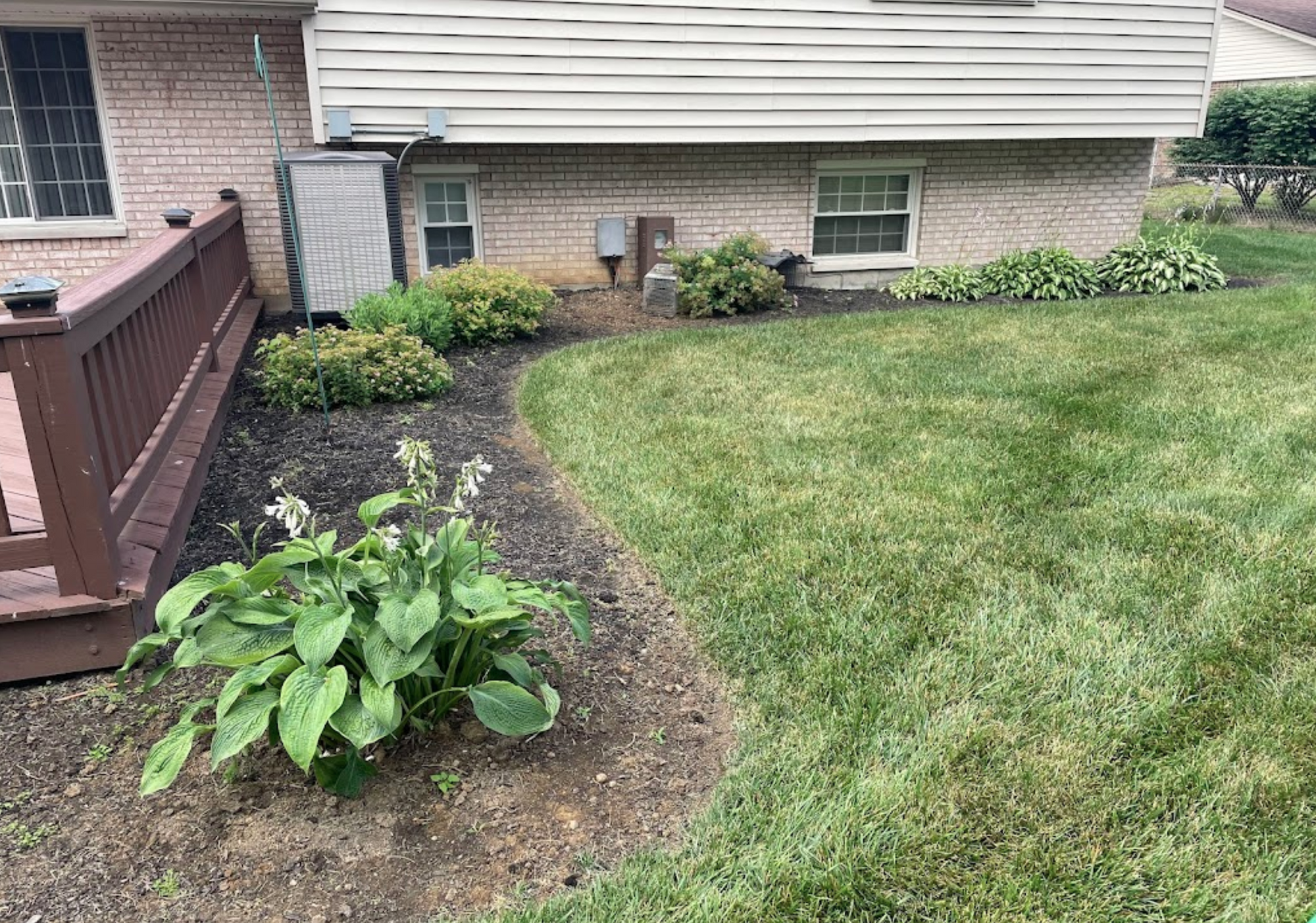
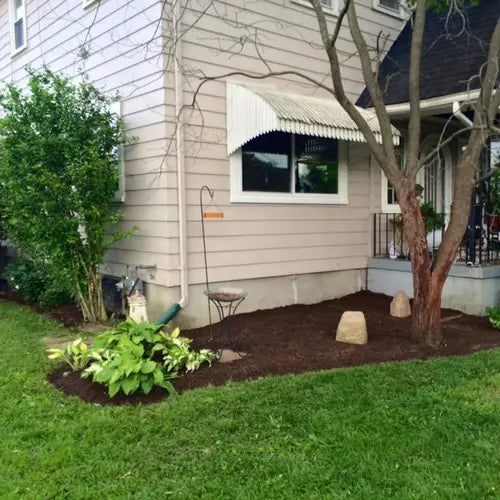
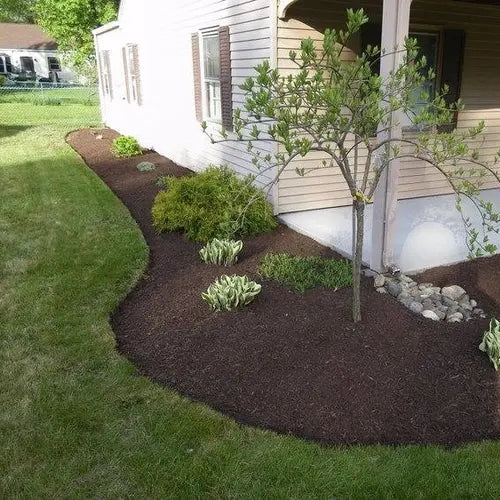
A GREAT experience! The ordering process was clear and easy. The price was real good and delivery was right on the drive as asked and on time. It is a real nice product and I had the bags before this product is so much nicer and no bags to deal with or loading and unloading the car which is a BIG nuisance. I’ll be back! Before and after photos enclosed and looks great and the big pile of mulch right on the big tarp and the driver stayed on the driveway which was a great plus!!
Measure the length and width of each bed in feet and multiply those together to get the square footage, then multiply by your desired depth in inches and divide by 12 to find the cubic feet you need. In Silver Springs Shores, where sandy soil dries so quickly, aim for a full 3 inches of coverage rather than skimping. Rounding up by about 10 percent is a good habit because some material always shifts around during spreading.
Mulch vs. No Mulch: The Difference
Silver Springs Shores's long warm season accelerates the breakdown of organic mulch, which means natural hardwood options will feed your sandy soil as they decompose but will need replenishing more often than they would in a cooler climate. Dyed mulches use a slower-breaking base wood that holds color well through the intense Florida sun and heat, making them a popular choice for front-yard beds where curb appeal matters. Your choice ultimately comes down to whether you want the soil-building benefit of natural mulch or the extended color life that dyed products offer under Zone 9a conditions.
Before
After
Best Mulch Choice for Silver Springs Shores Lawns
Most yards in the Silver Springs Shores area sit on Sandy type of soil. Sandy soil in Silver Springs Shores holds very little moisture or nutrients on its own, so plant beds left bare or covered with a thin layer of mulch struggle through the long summer dry spells between rainstorms.
Hardwood Mulch
Hardwood mulch breaks down into humus that directly addresses the weaknesses of Silver Springs Shores's sandy soil, gradually increasing water retention and adding the organic matter that young root systems need to establish and thrive through the long growing season.
Complete Your Outdoor Mulch Project
If your sandy Silver Springs Shores beds need a nutrient boost before you mulch, adding a layer of our bulk garden soil first will give roots a much better growing environment. Our decorative stone is also a great option for edging mulched beds or creating clean borders between lawn areas and planting zones.
In Silver Springs Shores, the transition from dry spring to rainy summer is a critical window for your mulch beds. Apply your fresh layer in late February or early March, right after the last frost risk around February 15, so the mulch is in place before temperatures climb. This timing lets you protect roots during the warm-up while getting maximum benefit from the moisture retention when the summer heat arrives in earnest.
Mulch Mound Pro Tip
Sandy soil in Silver Springs Shores lacks the organic matter that supports healthy microbial activity, but mulch breaks that cycle over time. As hardwood mulch decomposes through the warm months, it feeds beneficial fungi and bacteria that slowly convert your sandy ground into richer, more water-retentive soil. If you keep a consistent mulch layer over several years and avoid heavy tilling, you will notice your beds holding moisture noticeably longer than when you first started.
Mulch Mound Pro Tip
With 51 inches of annual rainfall, Silver Springs Shores beds can swing between waterlogged and bone-dry within the same week during summer storm season. A 3-inch mulch layer acts as a buffer in both directions, slowing drainage through the sand during heavy rains and then reducing evaporation between storms. Avoid piling mulch against plant stems or in pooling low spots so that water moves through freely rather than sitting on the surface after a downpour.
Frequently Asked Questions
Click a question to see the answer
Answer
How thick should I apply mulch in Silver Springs Shores given how fast the sandy soil dries out?
A 3-inch layer is the right target for Silver Springs Shores beds. Sandy soil loses moisture fast, and anything shallower than 2 inches will not provide enough insulation to meaningfully slow evaporation during the hot months. Going beyond 4 inches can create a matted barrier that repels water during our heavy summer downpours, so 3 inches hits the sweet spot for moisture retention without runoff problems.
Answer
Will heavy summer rain wash my mulch away or push it around my planting beds?
Silver Springs Shores gets most of its 51 inches of rain in intense afternoon storms between June and September. Shredded hardwood and double-ground mulch knit together well and resist displacement far better than nugget or chunk styles. If your beds slope at all, using a finer-textured mulch and keeping a solid border in place will help hold everything where you put it during those hard-hitting afternoon downpours.
Answer
Does mulch really matter in Silver Springs Shores since we rarely get hard freezes?
Yes, it still matters quite a bit. Even though Silver Springs Shores only averages a frost window from around December 15 to February 15, the sandy soil here has almost no thermal mass to protect root systems when overnight temperatures dip. A layer of mulch insulates roots during those cold snaps and then continues working all year by retaining moisture and feeding soil biology as it breaks down through the long warm season.
Answer
How often do I need to replenish mulch in Silver Springs Shores's climate?
Because Zone 9a stays warm for most of the year, organic mulch breaks down faster here than it would in a cooler climate. Plan on a fresh top-dress at least once a year, and twice a year works well if your beds are planted with moisture-sensitive tropicals or annuals. The best times to refresh are late February after the last frost risk passes and again in early June before the rainy season kicks in.
Answer
Is dyed mulch safe to use around my vegetable garden or edible plants in Silver Springs Shores?
Most dyed mulches available today use iron oxide or carbon-based colorants that are considered safe around edibles, but it is always worth confirming with your supplier. For vegetable beds in Silver Springs Shores, a natural hardwood or pine mulch is generally the preferred choice because it breaks down into organic matter that actually improves the sandy soil over time. Save the colored mulch for ornamental beds where aesthetics are the priority.
Answer
What type of mulch works best around tree roots in my Silver Springs Shores yard?
Natural double-ground hardwood mulch is excellent around tree bases in Silver Springs Shores. It mimics the forest floor environment that tree roots thrive in, adds organic matter to the otherwise nutrient-poor sandy soil, and maintains a cooler root zone during the long summer. Keep it pulled back 2 to 3 inches from the actual trunk to prevent moisture from sitting against the bark, which can encourage rot in our humid conditions.
Answer
Can I use pine bark mulch in Silver Springs Shores, or will it make my soil too acidic?
Pine bark mulch does have a slightly acidic pH, but for most Silver Springs Shores landscapes that is actually a benefit. Many plants that thrive in Zone 9a, including azaleas, gardenias, and blueberries, prefer mildly acidic soil. If you are mulching around plants that prefer a neutral pH, a natural hardwood mulch is a better fit. The sandy soil here tends to have a variable pH depending on your specific yard, so a simple soil test before choosing your mulch type is a smart first step.
The Unique Landscape of Silver Springs Shores
Silver Springs Shores sits in USDA Zone 9a with sandy soil that drains so quickly plant beds can dry out within hours of a summer rainstorm. That same sandy composition holds almost no organic matter on its own, leaving roots starved for nutrients unless you actively amend the surface layer. A consistent mulch cover slows evaporation dramatically, which matters enormously during the long stretch of heat between March and November when the sun beats down on exposed ground. The 51 inches of annual rainfall Silver Springs Shores receives tends to arrive in concentrated bursts, and without mulch those torrents wash away topsoil and compact bare sandy beds. Mulch also moderates soil temperature swings, protecting roots during the brief but real frost window that runs from mid-December through mid-February. Keeping beds covered year-round is one of the most practical things a Silver Springs Shores homeowner can do to hold their landscape together.








 +2
+2