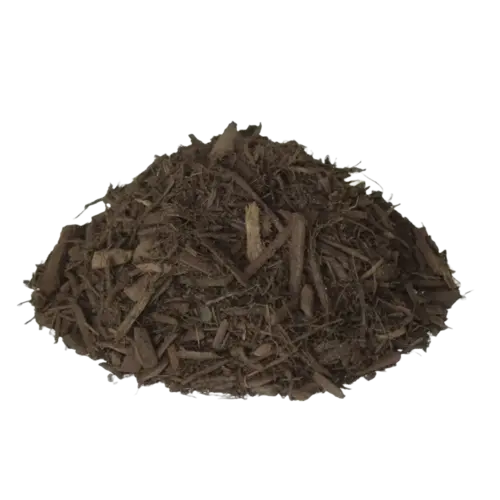
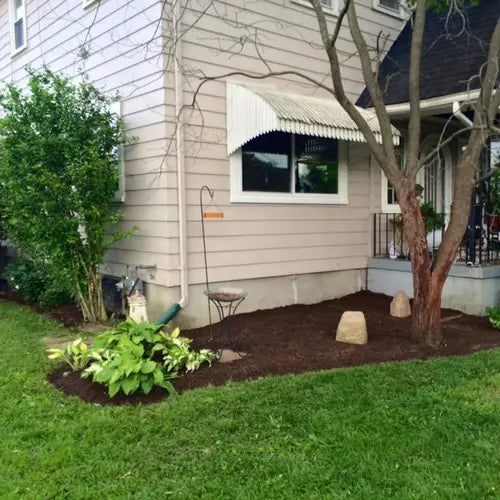
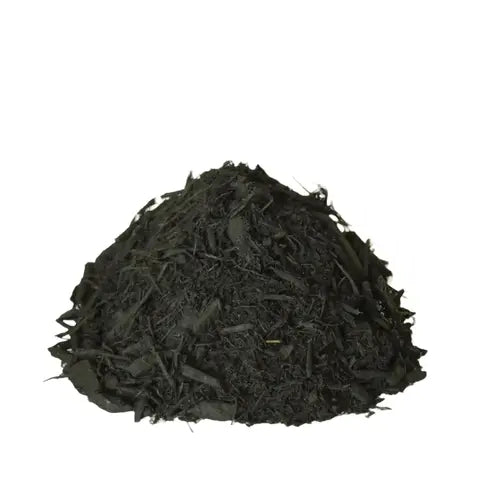
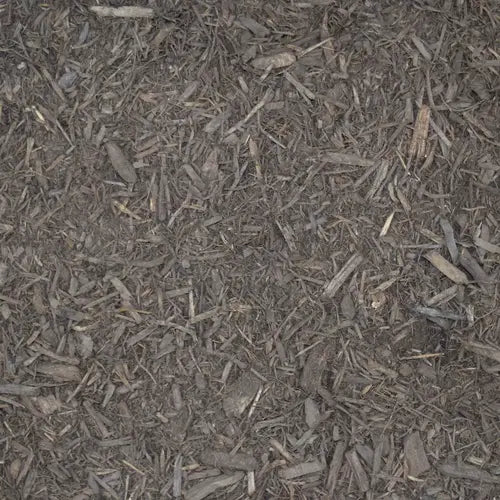
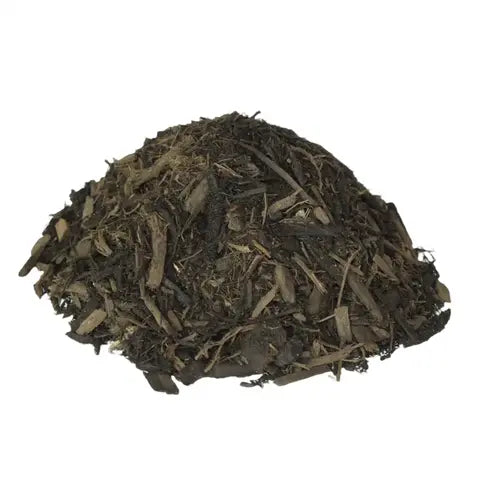
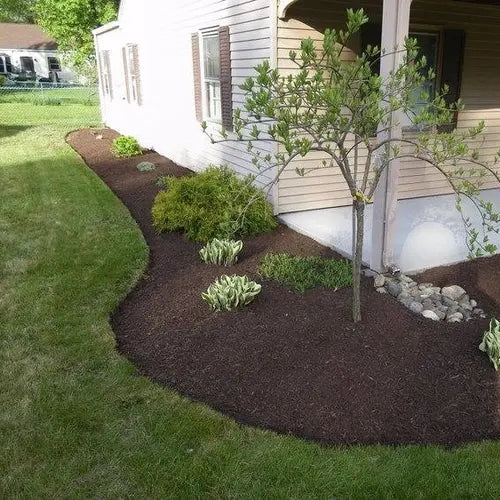
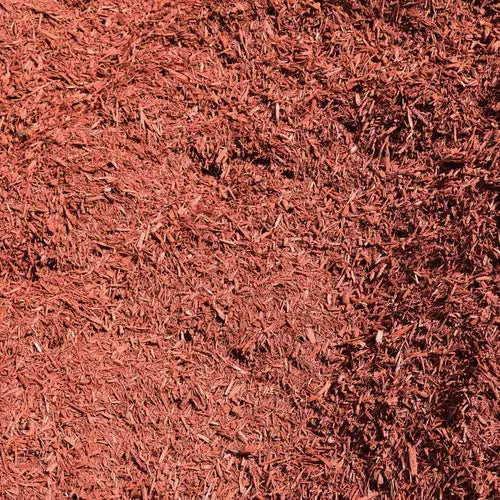
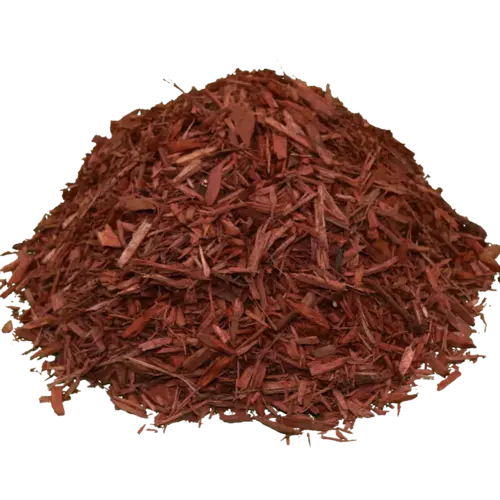
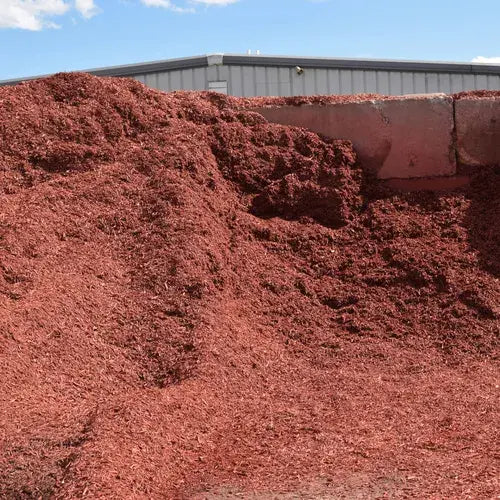
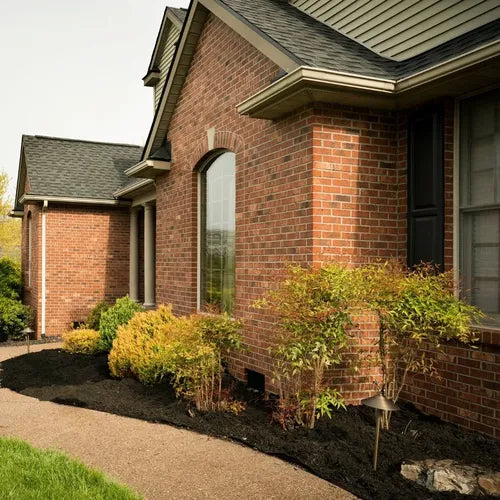
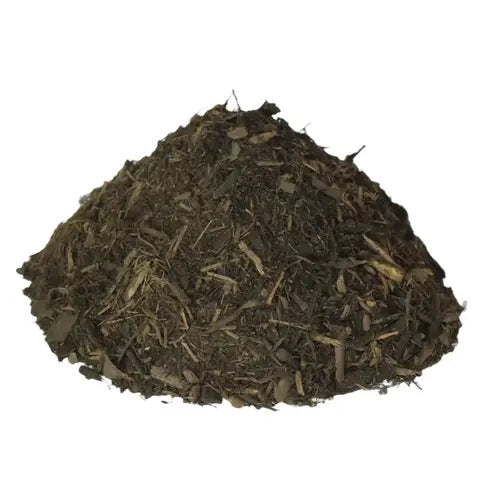
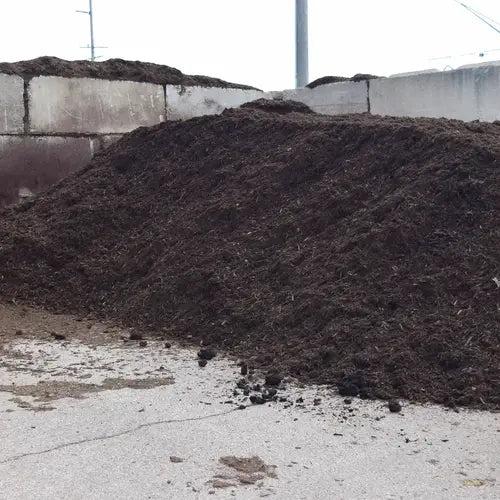
Warm brown double shredded mulch with lasting color that looks freshly applied for weeks. Spreads smooth, stays put, and gives beds a natural, polished appearance.
UPDATE!
I can’t say enough good things about Mulch Mound! If you read my review below you will see I had a problem with my order. Mulch Mound was quick to respond and solved the issue with my delivery. Will definitely be a customer next year.
First time purchase from Mulch ...
Warm brown double shredded mulch with lasting color that looks freshly applied for weeks. Spreads smooth, stays put, and gives beds a natural, polished appearance.
UPDATE!
I can’t say enough good things about Mulch Mound! If you read my review below you will see I had a problem with my order. Mulch Mound was quick to respond and solved the issue with my delivery. Will definitely be a customer next year.
First time purchase from Mulch ...
How Much Material Do I Need?
For Stony Brook's sandy loam soil, a 3-inch layer is the right depth for most ornamental beds, providing meaningful moisture retention without blocking rainfall from reaching roots. Slopes or areas prone to erosion from heavy rain may benefit from a slightly thicker 4-inch application to hold material in place.
Use our free mulch calculator
What is a yard?
A yard is approximately 27 cubic feet. As a general guideline, one yard of material can cover an area of about 100-160 square feet at a 2-3 inch depth.
UPDATE!
I can’t say enough good things about Mulch Mound! If you read my review below you will see I had a problem with my order. Mulch Mound was...
Read full review
UPDATE!
I can’t say enough good things about Mulch Mound! If you read my review below you will see I had a problem with my order. Mulch Mound was quick to respond and solved the issue with my delivery. Will definitely be a customer next year.
First time purchase from Mulch Mound!! First what I liked! Easy to order online and straight forward pricing and delivery. The driver was on time and courteous and delivered my Mulch exactly where I requested! The product is of good quality and comparable to others I have purchased from before. Now what I DID’NT LIKE! I have been mulching the same house and yard for almost 20 years. I always order the same amount and don’t have any issues with covering the same area but this year I fell about a yard short. I was home when the mulch was delivered and when the driver dumped it I noticed that it seemed a bit less than I was used to. I didn’t apply it any thicker than usual and probably a bit thinner than usual because I was worried about running out.
Mulch Mound made it so easy! So happy with the pricing, turn around time, delivery and product. I submitted my online order on a Thursday. The mu...
Read full review
Mulch Mound made it so easy! So happy with the pricing, turn around time, delivery and product. I submitted my online order on a Thursday. The mulch was delivered to the designated location by a local landscape company at 8:30 a.m. the following Saturday morning. We had the job completed by that afternoon. We chose the natural brown mulch, and the plant beds are beautiful.
Measure the length and width of each bed in feet and multiply to get your square footage, then plan for 3 inches of depth to account for Stony Brook's fast-draining sandy loam. One cubic yard covers roughly 108 square feet at 3 inches deep, so add up all your bed areas before placing your order to avoid running short once you have already started spreading.
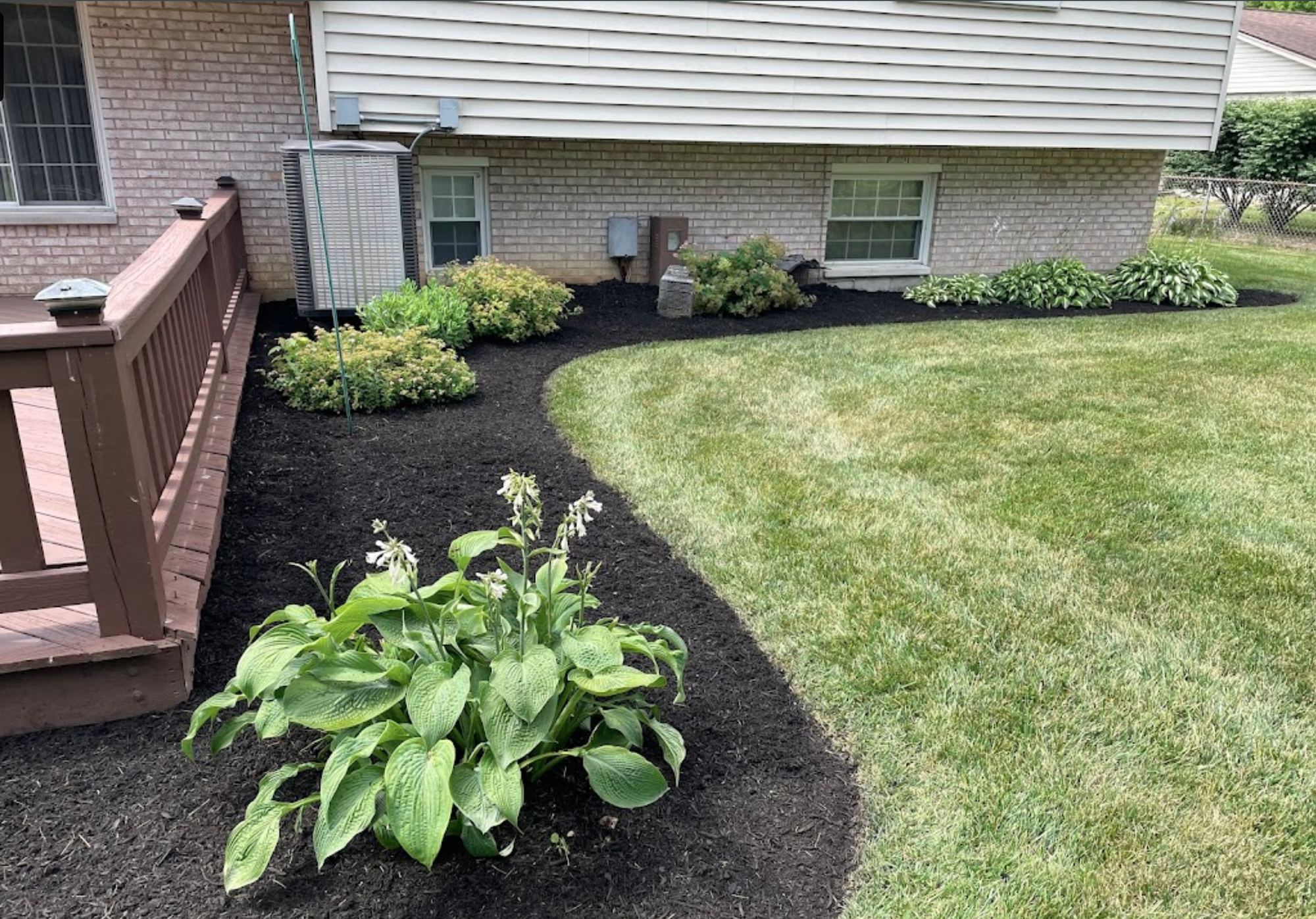
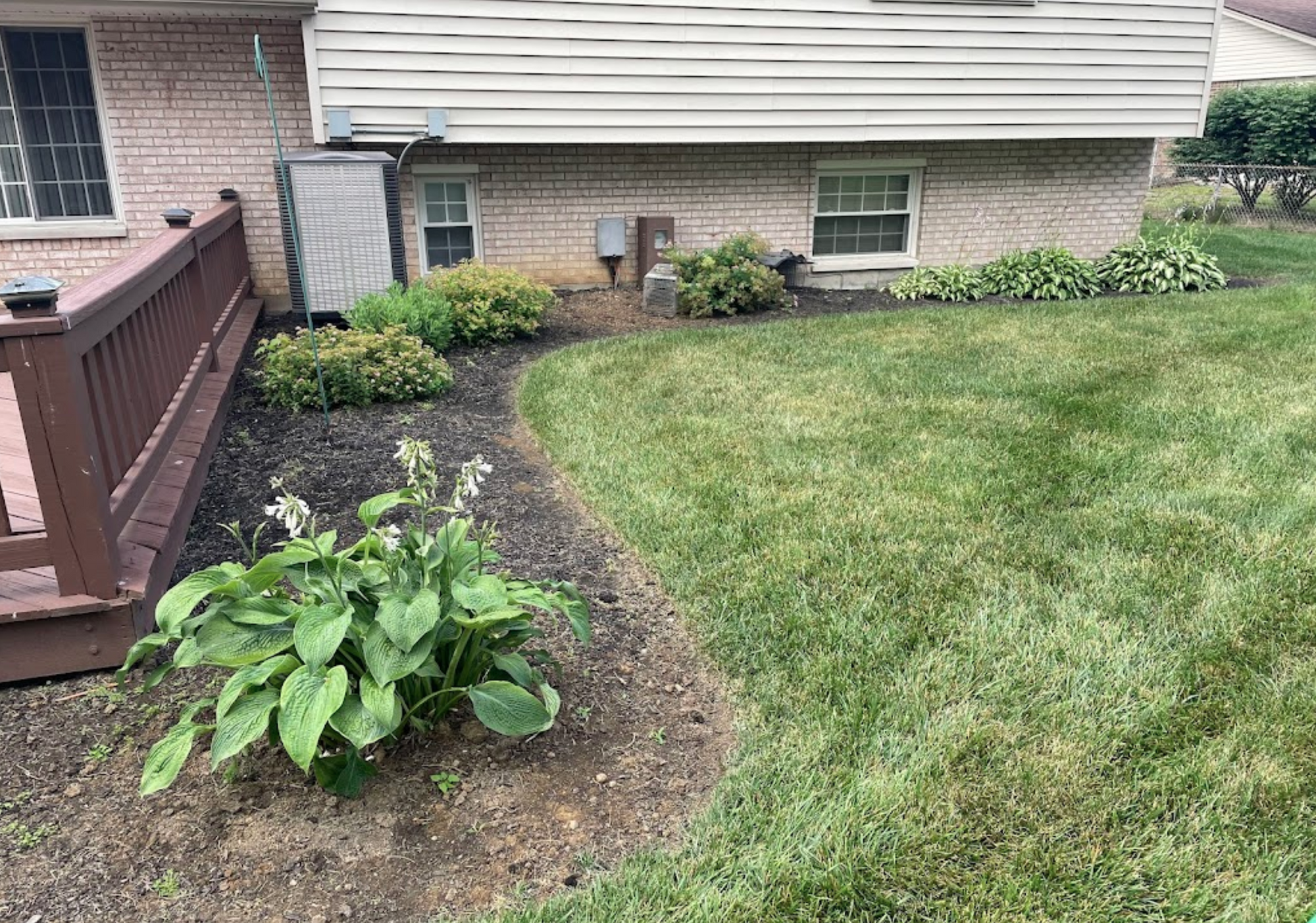
Mulch vs. No Mulch: The Difference
Stony Brook's warm humid summers and 47 inches of annual rainfall mean natural wood mulch breaks down noticeably faster here than in drier parts of the Northeast. That decomposition is actually a benefit for sandy loam soil, which is naturally low in organic matter and readily absorbs the nutrients released as hardwood mulch breaks down season after season. Dyed mulch resists that breakdown longer and holds vibrant color through Stony Brook's wet seasons, making it a strong choice for high-visibility beds where aesthetics take priority over soil building.
Before
After
Best Mulch Choice for Stony Brook Lawns
Most yards in the Stony Brook area sit on Sandy Loam type of soil. Sandy loam soil in Stony Brook holds nutrients poorly because its large, coarse particles allow water and minerals to leach downward quickly, leaving plant roots searching for nutrition between waterings and rain events. Organic mulch on top of sandy loam slows that leaching process and continuously adds organic content to the soil as it decomposes.
Hardwood Mulch
Hardwood mulch is particularly well-suited for Stony Brook's sandy loam because it decomposes into humus-rich material that improves the soil's ability to hold both moisture and nutrients over time. After several seasons of annual topdressing, hardwood mulch can measurably increase the organic content of sandy loam beds, reducing how much supplemental watering and fertilizing those beds require.
Complete Your Outdoor Mulch Project
Pair your mulch order with bulk topsoil to refresh low spots or build raised beds that give Stony Brook's naturally lean sandy loam a nutrient-rich boost before planting season. Add decorative stone along borders and pathways to anchor your design and cut down on weed pressure in areas where mulch alone is not the right fit.
In Stony Brook, keep mulch pulled back two to three inches from the base of shrubs and tree trunks. The combination of zone 7b humidity and the moisture-retaining properties of mulch creates ideal conditions for fungal issues if material is piled directly against bark. A small gap around each plant goes a long way toward protecting woody stems through the long growing season that runs from mid-April through early November.
Mulch Mound Pro Tip
Time your spring mulch application to coincide with the warming trend after April 15, once soil temperatures have started climbing consistently above 50 degrees. Applying too early traps cold in Stony Brook's sandy loam and can slow bulb emergence and perennial root development. Waiting until the ground has genuinely warmed means mulch is trapping heat rather than cold.
Mulch Mound Pro Tip
With 47 inches of annual rainfall delivering moisture to Stony Brook throughout the growing season, mulch does serious work preventing nutrient runoff from sandy loam beds that would otherwise lose fertility quickly. After heavy rain events, walk your beds and use a garden rake to redistribute any material that has shifted or washed to low corners, so every square foot of bed stays protected heading into the next round of rain.
Frequently Asked Questions
Click a question to see the answer
Answer
How thick should I apply mulch given how sandy and fast-draining our Stony Brook soil is?
With sandy loam soil, a 3-inch layer is the sweet spot because the soil's natural drainage means moisture evaporates quickly from the top inch or two without enough surface protection. Going thicker than 4 inches can actually prevent Stony Brook's rainfall from reaching plant roots, which is a concern given that our 47 annual inches often arrive in concentrated bursts rather than steady light rain.
Answer
When is the best time to put down fresh mulch in Stony Brook before winter arrives?
The ideal window is late October, after the leaves have mostly fallen but before the November 5 first frost locks the ground. Applying a fresh layer at that point gives your sandy loam soil a thermal blanket heading into winter, which reduces the frost heaving that repeatedly disturbs shallow perennial roots during Stony Brook's freeze-thaw cycles.
Answer
Will mulch actually help my plants survive the spring freeze-thaw period before our last frost on April 15?
Yes, a consistent 2 to 3 inch mulch layer buffers the freeze-thaw swings that are common in zone 7b between February and mid-April. Without that insulating layer, Stony Brook's sandy loam can heave and compress repeatedly during that stretch, disturbing the shallow roots of perennials and shrubs right when they are beginning their spring push.
Answer
Does the 47 inches of rain we get each year break down mulch faster here than in drier parts of the country?
Yes, the combination of Stony Brook's rainfall, summer humidity, and warm zone 7b temperatures does accelerate organic mulch breakdown compared to drier climates. Plan to top-dress your beds with a fresh inch or two each spring after the April 15 last frost to maintain coverage and keep benefiting from mulch's weed-suppressing and moisture-retaining properties.
Answer
My yard has mostly sandy loam. Will mulch actually make a meaningful difference in how much I need to water?
Absolutely. Sandy loam has large particles that drain freely and offer little resistance to evaporation at the surface. A proper mulch layer can reduce soil moisture loss by 25 to 50 percent, which matters most during the dry stretches that Stony Brook experiences in July and August when rainfall can fall behind plant demand.
Answer
Should I pull out the old mulch before adding new mulch in spring, or can I just put fresh mulch on top?
In Stony Brook, you generally do not need to remove old mulch unless it has packed into a dense mat that sheds water rather than absorbing it. Simply rake the existing layer to break it up and add a fresh inch on top, allowing the older material to continue breaking down and feeding organic matter back into the sandy loam beneath your beds.
Answer
What is the practical difference between natural hardwood mulch and dyed mulch for my Stony Brook garden beds?
Natural hardwood mulch breaks down within one to two growing seasons and adds humus-rich organic matter back to Stony Brook's sandy loam, which is naturally low in nutrients and organic content. Dyed mulch holds its color longer through wet Stony Brook seasons and resists fading from rain and sun, but it decomposes more slowly and contributes less organic value to the soil over time.
The Unique Landscape of Stony Brook
Stony Brook's native sandy loam drains freely, which means plant beds can dry out surprisingly fast even with 47 inches of annual rainfall spread across the year. A proper mulch layer acts as a buffer between your soil and the elements, slowing evaporation during summer heat and insulating roots as temperatures drop toward the November 5 first frost. Stony Brook's Long Island location also brings high humidity-driven weed pressure from late spring through early fall, and mulch is one of the most effective tools for suppressing germination before weeds can establish. Because zone 7b winters are mild enough to trigger frost heaving but cold enough to stress shallow roots, mulch provides critical insulation from December through early April. After a growing season that stretches nearly seven months between the April 15 last frost and November 5 first frost, well-decomposed mulch also feeds Stony Brook's sandy loam with organic matter it naturally lacks.