

About this soil

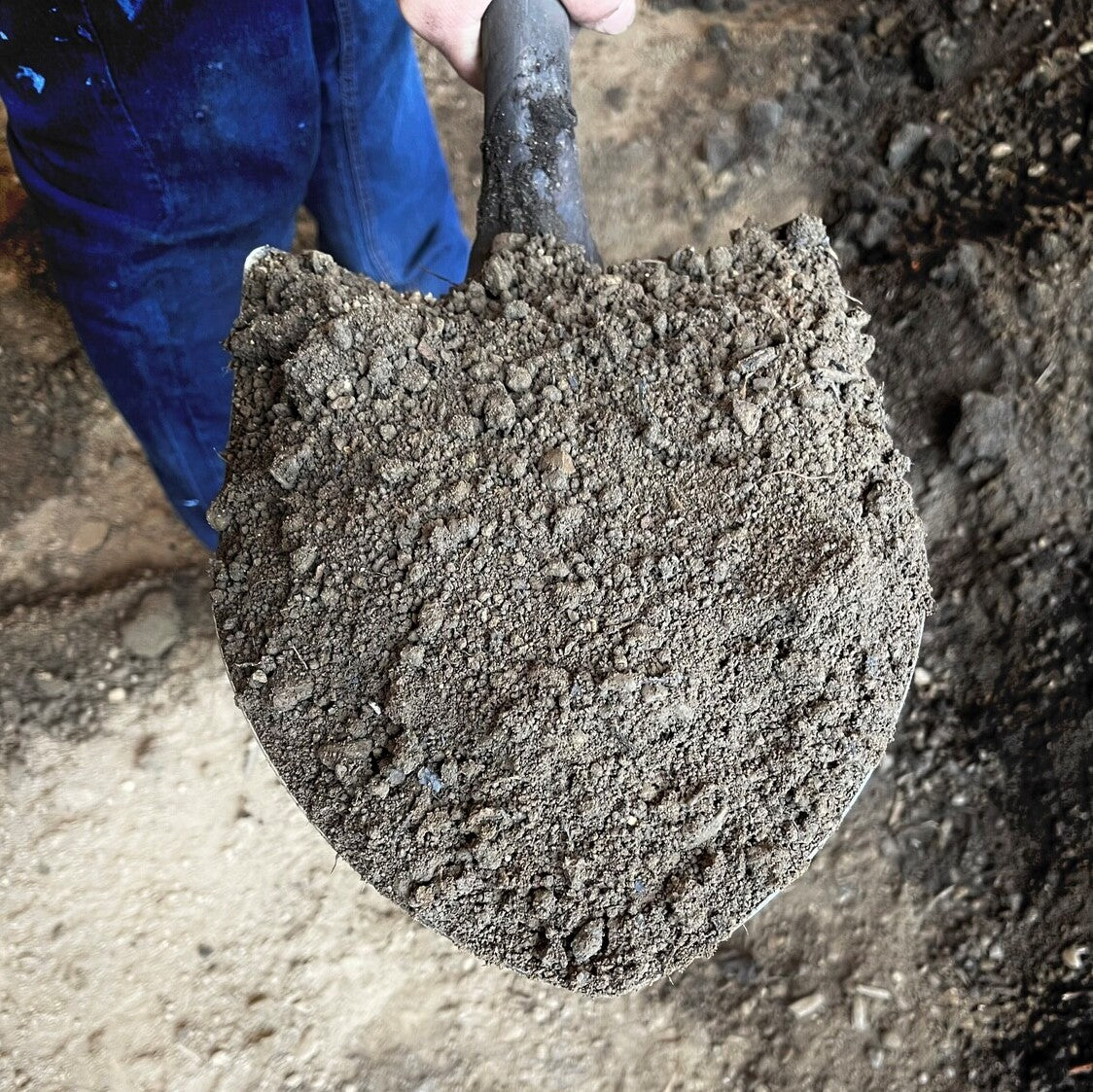
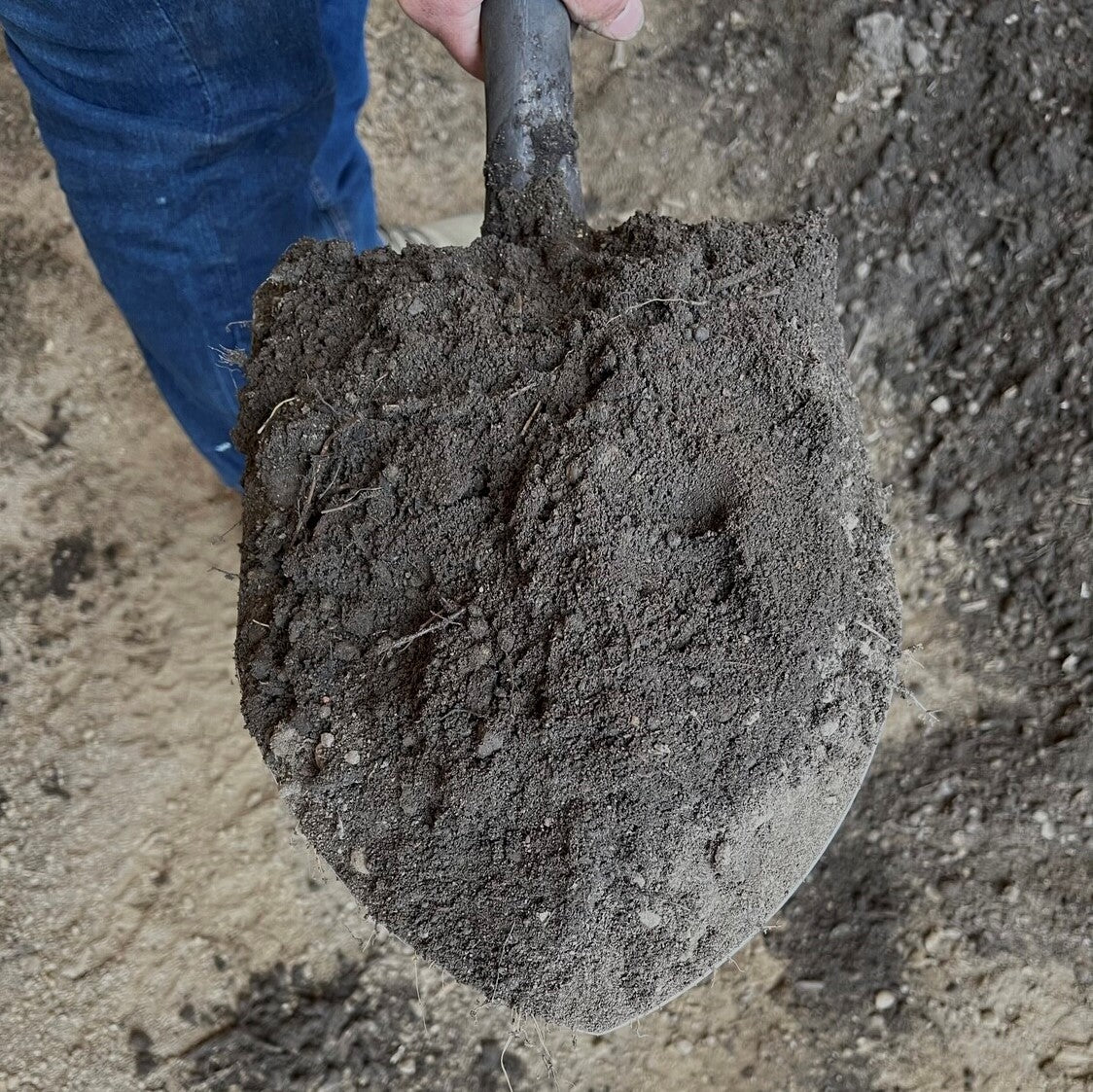
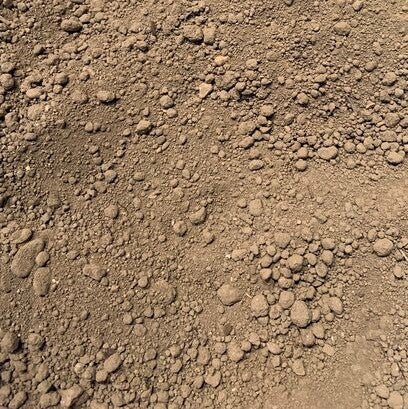
Quality topsoil for lawns, gardens, and landscape projects. Nutrient rich and ready to support strong root development and healthy plant establishment.

I used Mulch Mound to have 3 cubic yards of garden soil delivered. The process was easy and I love that I didn't have to call anyone. I placed my order online, picked my delivery date, laid out my tarp and the dirt was delivered. My delivery had to be pushed back, but I was ke...

Stony Brook Soil Delivery

Stony Brook Soil Delivery

4.7
137 reviews
Regular price $67.00 per yard
Regular price Sale price $67.00
Sale Sold out
Type
Style
Minimum of 3
1 tree planted for every order

About this soil

Quality topsoil for lawns, gardens, and landscape projects. Nutrient rich and ready to support strong root development and healthy plant establishment.

I used Mulch Mound to have 3 cubic yards of garden soil delivered. The process was easy and I love that I didn't have to call anyone. I placed my order online, picked my delivery date, laid out my tarp and the dirt was delivered. My delivery had to be pushed back, but I was ke...

For lawn topdressing over Stony Brook's sandy loam, a quarter to half-inch layer spread and raked in is usually enough to fill voids and improve surface grade without smothering existing grass. For new garden beds or raised planters, a minimum of 8 to 12 inches of quality topsoil gives roots the depth they need to establish and thrive through the full seven-month growing season.
Use our free soil calculator

A yard is approximately 27 cubic feet. As a general guideline, one yard of material can cover an area of about 100-160 square feet at a 2-3 inch depth.

View full details

How It Works

Getting started is easy — just follow these simple steps

1

Choose your soil

Make sure you adjust the quantity to your home's needs. You can use our calculator to estimate how much you'll need.

2

Select your delivery date

Select a delivery date you'd like for the product to be dropped off at your home

3

Sit back and wait

Sit back, wait, and let us work our magic to make sure the highest quality product is delivered to your driveway.

What Stony Brook Customers Like About Our Soil

4.7
out of 5 based on 137 reviews
Google Reviews

Need Help Calculating How Much Soil You Need?

Use our NEW Trace from Satellite tool to get an estimate for your project based on an aerial view of your property

Try Our Calculator
📍

Measure your project area in feet and multiply length by width, then decide on your target depth before placing an order. For raising a Stony Brook lawn by a half inch, you will need roughly one cubic yard per 650 square feet of surface area. For a raised bed 12 inches deep, you will need about one cubic yard per 27 square feet, so measure your beds carefully before calling in your order.

Complete Your Outdoor Soil Project

Combine your topsoil order with bulk mulch to immediately protect your new beds from Stony Brook's rainfall and slow the moisture loss that sandy loam soil is prone to after watering or rain. Add crushed stone for pathways and drainage channels around garden areas to keep beds accessible and free of standing water even after heavy spring or fall rain events.

Map of Stony Brook, New York

Areas We Deliver Soil in Stony Brook, New York

No cities found for this region.

See All Locations

Frequently Asked Questions

Click a question to see the answer

Answer

What kind of topsoil should I use to actually improve my sandy loam yard in Stony Brook?

The best choice for Stony Brook is a screened topsoil blend with higher organic content than native sandy loam, which helps retain moisture and nutrients that the coarse base soil loses quickly to drainage. Look for a blend with some loamy content mixed in, which improves water retention without creating the drainage problems that heavy clay-based soils can cause in our wet springs.

Answer

How much topsoil do I need to level out my Stony Brook lawn that has developed low spots over the winter?

The freeze-thaw cycles between November and mid-April in Stony Brook cause gradual settling and the formation of low spots in sandy loam lawns. For typical leveling work, plan on a quarter-inch to half-inch layer of topsoil spread over problem areas and worked in before reseeding in early May, when soil temperatures support good germination.

Answer

Can I use bulk topsoil to build raised vegetable beds in Stony Brook, or do I need something special?

Bulk topsoil is one of the best investments you can make for raised vegetable beds in Stony Brook. Zone 7b gives you a generous growing window from mid-April through early November, and filling beds with quality screened topsoil blended with compost gives your vegetables a nutrient-dense root zone that can support multiple successions of crops through the season.

Answer

What time of year is best to add topsoil to my Stony Brook lawn for good results?

The two best windows are early fall in September and October, and spring after April 15 once the ground has fully thawed and dried out from winter. Fall topdressing gives grass seed time to root before the November 5 first frost, while spring applications let you take advantage of the entire growing season ahead for a lawn to fill in and establish.

Answer

My backyard near the water erodes badly after heavy rains. Will adding topsoil help stabilize it?

Sandy loam in Stony Brook's waterfront areas is particularly vulnerable to erosion because the particles are light and mobile. Using a heavier screened topsoil blend to rebuild eroded areas, combined with immediate reseeding or sod installation, is the most effective way to stabilize slopes and shoreline-adjacent beds before the next heavy rain season arrives.

Answer

How deep should I work new topsoil into my existing sandy loam before planting a garden bed?

For best results in Stony Brook, till new topsoil 4 to 6 inches into existing sandy loam before planting, which blends the layers and creates a deeper and more fertile root zone. This is especially important for vegetable gardens and perennial beds that will be asked to produce for years without a complete soil refresh and will pull heavily on whatever nutrients are available.

Answer

Is bulk soil delivery worth it for a small raised bed project, or is it really only for large landscaping jobs?

Bulk delivery makes economic sense for projects of nearly any size in Stony Brook. Even a single cubic yard, which fills a standard 4-by-4 raised bed to about 12 inches deep, is far more cost-effective than buying bagged soil from a garden center, and you avoid the repeated trips that add up quickly once you start pricing out multiple bags.

Mulch Mound Pro Tip

In Stony Brook, always test drainage in an area before adding topsoil for a lawn or garden bed. Dig a hole about 12 inches deep, fill it with water, and watch how quickly it drains away. Sandy loam typically empties in under an hour, which is a good sign for root health. If drainage seems unusually slow in a particular spot, loosen the subsoil and mix in coarse sand before laying your topsoil layer to prevent waterlogging.

Mulch Mound Pro Tip

When building raised vegetable beds in Stony Brook, avoid filling them with straight bulk topsoil and instead blend the soil with aged compost at roughly a two-to-one ratio. Zone 7b's long growing window from mid-April through early November means your vegetables will pull nutrients heavily from the root zone through multiple planting cycles, and a compost-enriched blend sustains that production without requiring constant fertilizer applications.

Mulch Mound Pro Tip

If you are grading topsoil around your Stony Brook home's foundation, slope the surface away from the structure at a rate of about one inch per foot for the first six feet outward. At 98 feet of elevation on mostly flat Long Island terrain, rainwater has very few natural outlets and will find its way into basements and crawl spaces if the grade is flat or pitched inward. Quality topsoil that compacts and holds shape makes it far easier to establish and maintain that protective slope over the years.

The Unique Landscape of Stony Brook

Stony Brook's native sandy loam drains well but falls short when it comes to supporting the lush lawns and productive garden beds that Long Island homeowners expect from a zone 7b growing climate. With 47 inches of annual rainfall, nutrients leach through sandy loam quickly, leaving beds deficient in the organic matter plants need to thrive from late April through early November. Whether you are grading a new lawn area, filling raised vegetable beds, or repairing low spots that developed over winter, bulk topsoil gives you a workable and nutrient-ready foundation that native sandy loam cannot provide on its own. Stony Brook's relatively flat terrain at 98 feet of elevation means drainage is often a design challenge, and quality fill soil lets you establish grades that move water away from foundations and garden areas. Adding screened topsoil to existing beds also creates the looser, moisture-retentive root zone that vegetables and perennials need to perform through the full length of Stony Brook's growing window.
