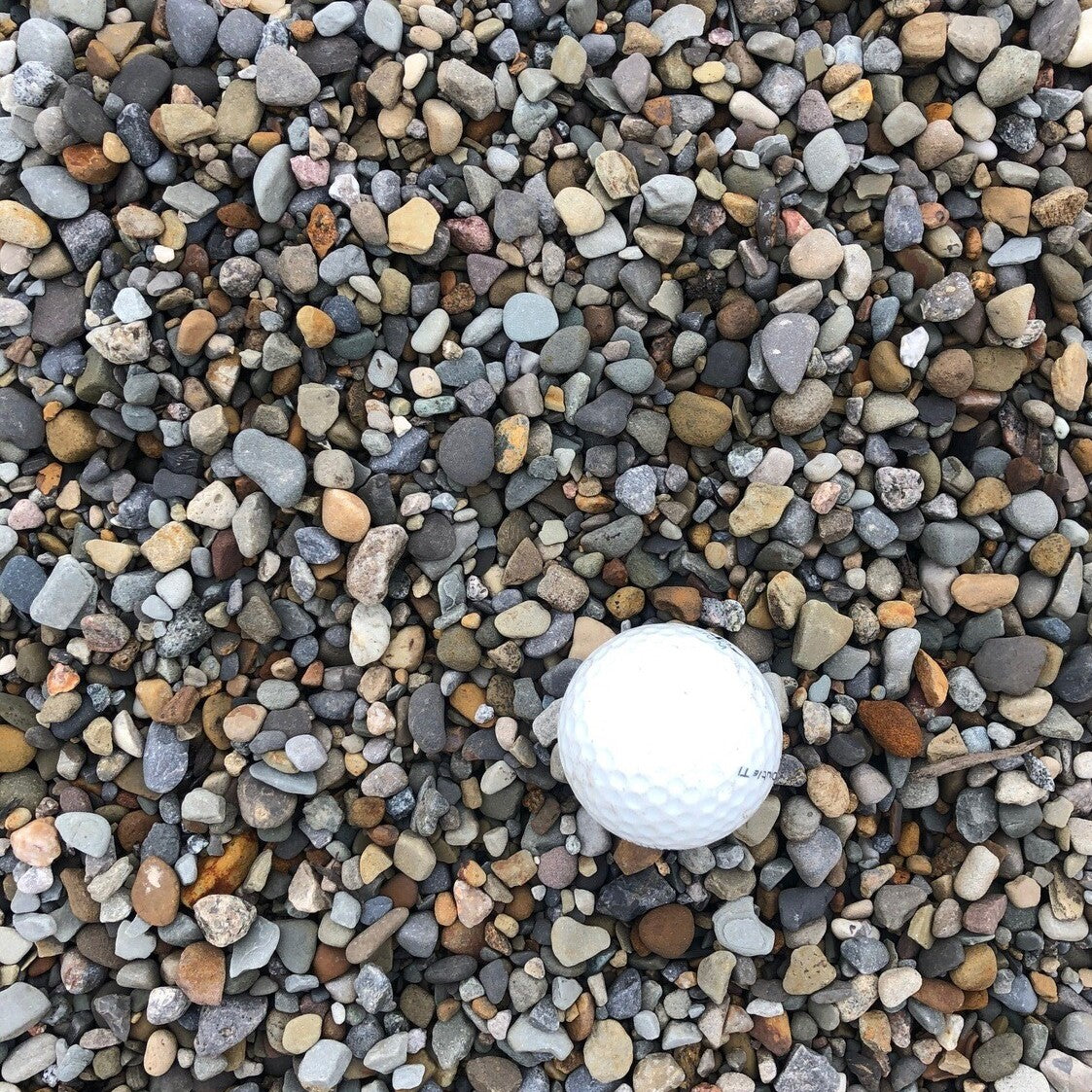
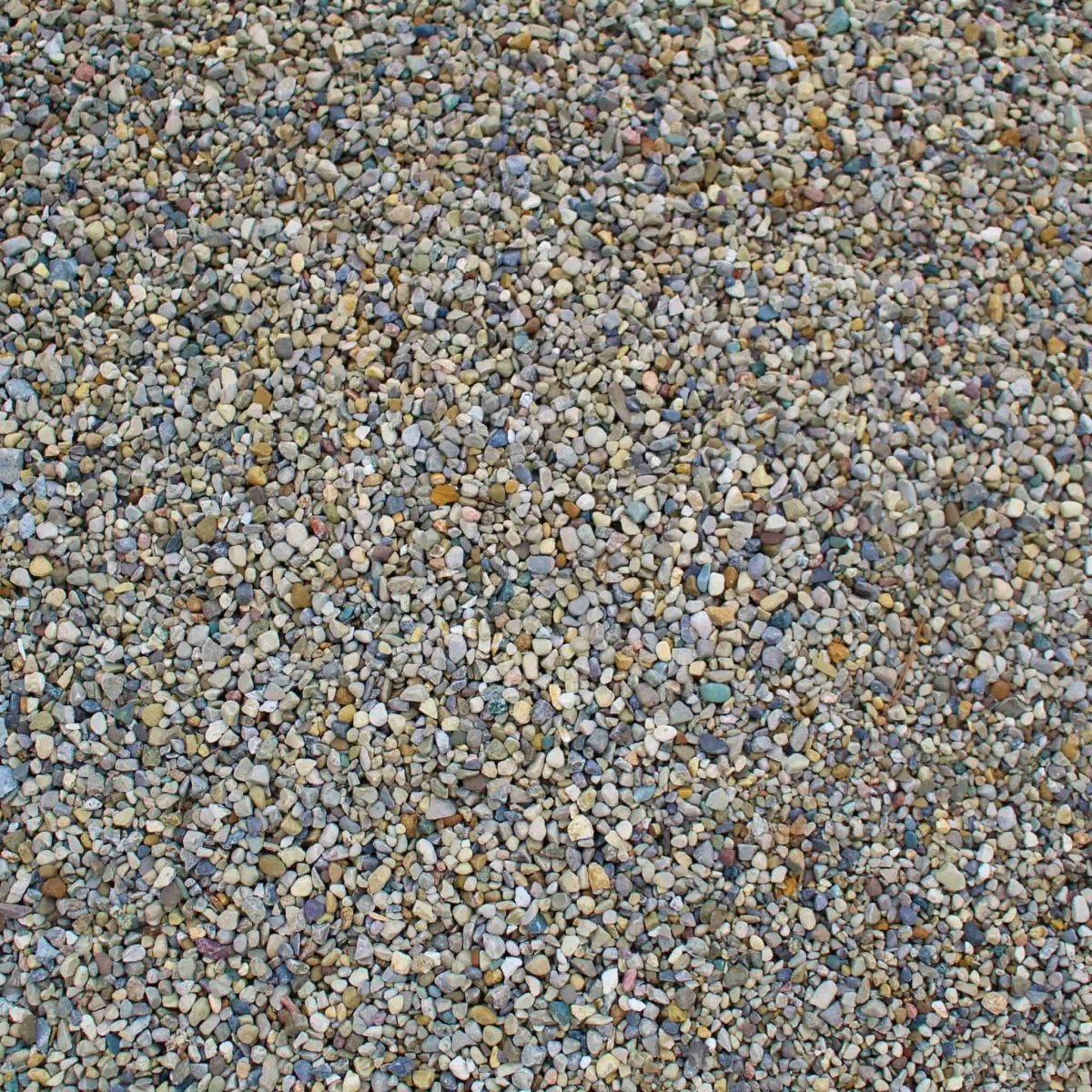
About this stone

Classic pea gravel with smooth, rounded edges and natural earth tones. A versatile favorite for pathways, patios, drainage, and decorative ground cover.

The driver nailed it on putting the gravel I ordered in front of my trailer and between the sidewalk. Very satisfied with how my flowerbeds look now.

Stony Brook Stone Delivery

Stony Brook Stone Delivery

4.7
137 reviews
Regular price $87.00 per yard
Regular price Sale price $87.00
Sale Sold out
Type
Size
Minimum of 3
1 tree planted for every order

About this stone

Classic pea gravel with smooth, rounded edges and natural earth tones. A versatile favorite for pathways, patios, drainage, and decorative ground cover.

The driver nailed it on putting the gravel I ordered in front of my trailer and between the sidewalk. Very satisfied with how my flowerbeds look now.

For decorative groundcover in Stony Brook beds, a 2-inch layer of stone provides solid coverage and allows Stony Brook's rainfall to pass through to the soil without pooling on the surface. For drainage trenches or dry creek beds, a minimum depth of 6 to 8 inches is recommended to handle the heavier rain events that roll through Stony Brook during spring and fall.
Use our free stone calculator

A yard is approximately 27 cubic feet. As a general guideline, one yard of material can cover an area of about 100-160 square feet at a 2-3 inch depth.

View full details

How It Works

Getting started is easy — just follow these simple steps

1

Choose your stone

Make sure you adjust the quantity to your home's needs. You can use our calculator to estimate how much you'll need.

2

Select your delivery date

Select a delivery date you'd like for the product to be dropped off at your home

3

Sit back and wait

Sit back, wait, and let us work our magic to make sure the highest quality product is delivered to your driveway.

From The Mouths of Stony Brook Folks

4.7
out of 5 based on 137 reviews
Google Reviews

Need Help Calculating How Much Stone & Gravel You Need?

Use our NEW Trace from Satellite tool to get an estimate for your project based on an aerial view of your property

Try Our Calculator
📍

Measure your project area in square feet and determine your desired depth before ordering bulk stone for your Stony Brook project. One cubic yard covers approximately 160 square feet at 2 inches deep or about 80 square feet at 4 inches deep. For drainage applications over sandy loam, err toward ordering slightly more than your estimate so you can fill low spots and transitions completely without a second delivery.

Complete Your Outdoor Stone Project

Combine your stone order with bulk topsoil to properly grade the surrounding areas and direct water where you want it to go, especially important on Stony Brook's flat terrain where drainage relies heavily on surface slope. Adding mulch to adjacent plant beds keeps the overall landscape design cohesive and helps sandy loam retain the moisture that stone-covered areas no longer hold.

Map of Stony Brook, New York

Areas We Deliver Stone & Gravel in Stony Brook, New York

No cities found for this region.

See All Locations
Mulch Mound Pro Tip

In Stony Brook, always compact crushed stone in two-inch lifts rather than dumping the full depth at once and compacting only the top. Sandy loam underneath shifts when it becomes saturated from rain, and compacting in stages creates a more stable foundation that resists settling over multiple seasons. Renting a plate compactor for an afternoon is the difference between a pathway that holds its surface for a decade and one that needs resetting every other year.

Mulch Mound Pro Tip

Use stone strategically in the shaded spots under your Stony Brook property's mature trees where grass consistently struggles to establish. The combination of root competition, canopy shade, and the acidic soil conditions that build up under large oaks and maples makes healthy turf nearly impossible in those areas, and a layer of decorative river rock solves the problem permanently without the cycle of reseeding and remulching that never fully works.

Mulch Mound Pro Tip

Before ordering stone for a drainage project in Stony Brook, trace the natural water flow path across your yard after a rain event and note exactly where water sits longest. Because most Stony Brook properties sit at relatively modest elevations near the water table, directing drainage correctly on the first installation prevents costly corrections down the road. Installing stone in the right channel from the start saves both material and labor compared to reworking a system that was laid in the wrong location.

The Unique Landscape of Stony Brook

In Stony Brook, decorative and functional stone is one of the most durable landscaping choices available because it holds up to everything a zone 7b climate delivers, from humid summer heat to the repeated freeze-thaw cycles that run from November through mid-April. Sandy loam soil shifts and settles over time, and stone pathways, borders, and groundcover resist that movement far better than organic edging or wood materials. With 47 inches of annual rainfall spreading moisture across the year, drainage is a consistent challenge in Stony Brook, and strategically placed stone can redirect surface water away from foundations and plant beds without requiring any ongoing maintenance. In shaded sections under mature trees where Stony Brook's grass struggles year after year, stone groundcover replaces the cycle of repeated reseeding and remulching that never quite solves the problem. Whether you are creating a classic coastal-style border along your driveway or installing a dry creek bed to manage a drainage swale, stone delivers lasting value that suits Stony Brook's character.

Frequently Asked Questions

Click a question to see the answer

Answer

What type of stone works best for a backyard pathway in Stony Brook that holds up year-round?

For Stony Brook backyards, three-quarter-inch crushed stone compacts well and creates a stable walking surface that handles zone 7b freeze-thaw cycles without heaving the way larger stones sometimes do. River rock in the one to two inch range is a good option if you prefer a more natural coastal look, and it stays in place well on the slightly sloped terrain that many Stony Brook properties have.

Answer

How do I keep decorative stone from sinking into my sandy loam soil over time?

Sandy loam's loose and mobile particles mean decorative stone can gradually migrate downward without a proper barrier in place beneath it. Always install a layer of landscape fabric or a two-inch sand setting bed before placing your stone, which prevents it from disappearing into the soil after a few seasons of Stony Brook's rainfall and winter freeze-thaw activity.

Answer

Will a stone border around my foundation actually help with water drainage during Stony Brook's heavy rains?

Yes, a six-inch-wide band of crushed stone along your foundation acts as a permeable drainage buffer that allows Stony Brook's rainfall to percolate down quickly rather than pooling against siding and masonry. Pair it with a slight outward slope in your surrounding topsoil and you have a very effective passive drainage system that requires no maintenance once it is set.

Answer

How deep should I lay crushed stone for a driveway or parking pad that holds up through our Stony Brook winters?

For a driveway or parking area in Stony Brook, plan on a four-inch compacted base of three-quarter-inch crushed stone with a two-inch finish layer on top. Zone 7b frost depth is relatively shallow compared to northern New England, but a proper stone base prevents the soft spots and rutting that sandy loam develops after heavy rain saturates the ground and traffic loads are applied.

Answer

Does stone get too hot to walk on barefoot around a pool or patio during Stony Brook summers?

Light-colored stone such as white marble chips or buff limestone reflects heat and stays noticeably cooler than dark materials under Stony Brook's summer sun. If you are installing stone in a barefoot-traffic area around a pool, choosing a lighter tone and keeping it rinsed off makes a real difference, since wet stone stays significantly cooler than dry stone on a hot July afternoon.

Answer

How much stone do I need for a dry creek bed to handle drainage runoff in my Stony Brook yard?

A dry creek bed in Stony Brook designed for typical storm drainage should be at least 8 inches deep and 12 to 18 inches wide, filled with a combination of larger river rock and smaller gravel. Because Stony Brook's sandy loam already drains relatively well on its own, the creek bed mainly needs to handle surface overflow during heavier rain events that deliver an inch or more in a short period.

Answer

Will stone edging around my Stony Brook garden beds help keep lawn grass from invading the planting areas?

Stone borders do an excellent job defining Stony Brook garden beds and blocking the aggressive lateral spread of lawn grass through sandy loam, where runners travel quickly through the loose soil. The one thing to monitor is heat reflection in south-facing beds, since stone can concentrate afternoon sun near heat-sensitive plants during the peak weeks of a Stony Brook summer.