Mulch Mound made it so easy! So happy with the pricing, turn around time, delivery and product. I submitted my online order on a Thursday. The mulch was delivered to the designated location by a local landscape company at 8:30 a.m. the following Saturday morning. We had the...
Tell us what you're looking for
Thanks! We received your request.
Something went wrong. Please try again.
How Much Material Do I Need?
Three inches is the sweet spot for Alexandria beds, deep enough to block weeds through our nine month growing season but not so deep that it stays waterlogged under 59 inches of rain. Around shallow rooted azaleas and annuals, back it down to two inches.
Use our free mulch calculator
What is a yard?
A yard is approximately 27 cubic feet. As a general guideline, one yard of material can cover an area of about 100-160 square feet at a 2-3 inch depth.
Mulch Mound made it so easy! So happy with the pricing, turn around time, delivery and product. I submitted my online order on a Thursday. The mulch was delivered to the designated location by a local landscape company at 8:30 a.m. the following Saturday morning. We had the...
How Much Material Do I Need?
Three inches is the sweet spot for Alexandria beds, deep enough to block weeds through our nine month growing season but not so deep that it stays waterlogged under 59 inches of rain. Around shallow rooted azaleas and annuals, back it down to two inches.
Use our free mulch calculator
What is a yard?
A yard is approximately 27 cubic feet. As a general guideline, one yard of material can cover an area of about 100-160 square feet at a 2-3 inch depth.
Mulch Mound made it so easy! So happy with the pricing, turn around time, delivery and product. I submitted my online order on a Thursday. The mu...
Read full review
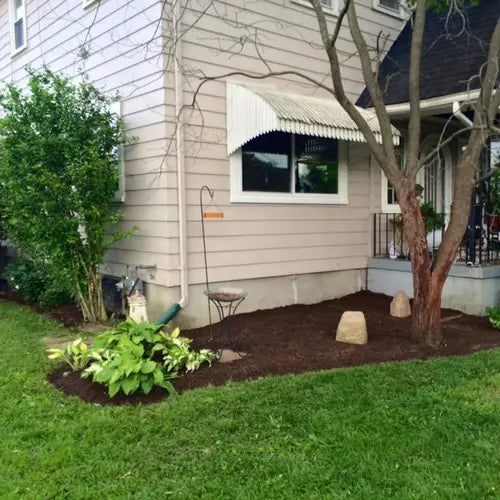
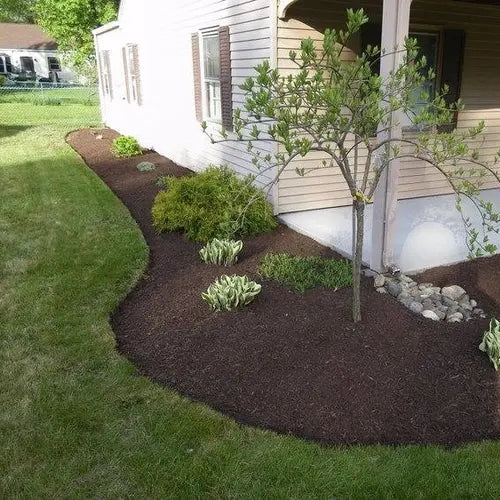
Mulch Mound made it so easy! So happy with the pricing, turn around time, delivery and product. I submitted my online order on a Thursday. The mulch was delivered to the designated location by a local landscape company at 8:30 a.m. the following Saturday morning. We had the job completed by that afternoon. We chose the natural brown mulch, and the plant beds are beautiful.
Good quality, great price, fast delivery. All online - no submitting forms and waiting for days for quotes. Getting mulch should be this easy fr...
Read full review
Good quality, great price, fast delivery. All online - no submitting forms and waiting for days for quotes. Getting mulch should be this easy from everyone. Only Mulch Mound is ACTUALLY this simple.
I highly recommend Mulch Mound. The quality of the mulch is very good. The ordering system on their website makes it very easy. The delivery driver...
Read full review
I highly recommend Mulch Mound. The quality of the mulch is very good. The ordering system on their website makes it very easy. The delivery driver did a great job placing the mulch on the driveway. To finish off, the pricing was very reasonable as well.
Measure each bed separately with a tape or a wheel, multiplying length by width, and treat curved beds as rough rectangles since a little extra is better than coming up short. Add all the bed areas together, then divide by 108 for a three inch depth. Alexandria yards often have odd wraparound beds along the slab, so sketching the layout on paper first prevents double counting corners.
Mulch vs. No Mulch: The Difference
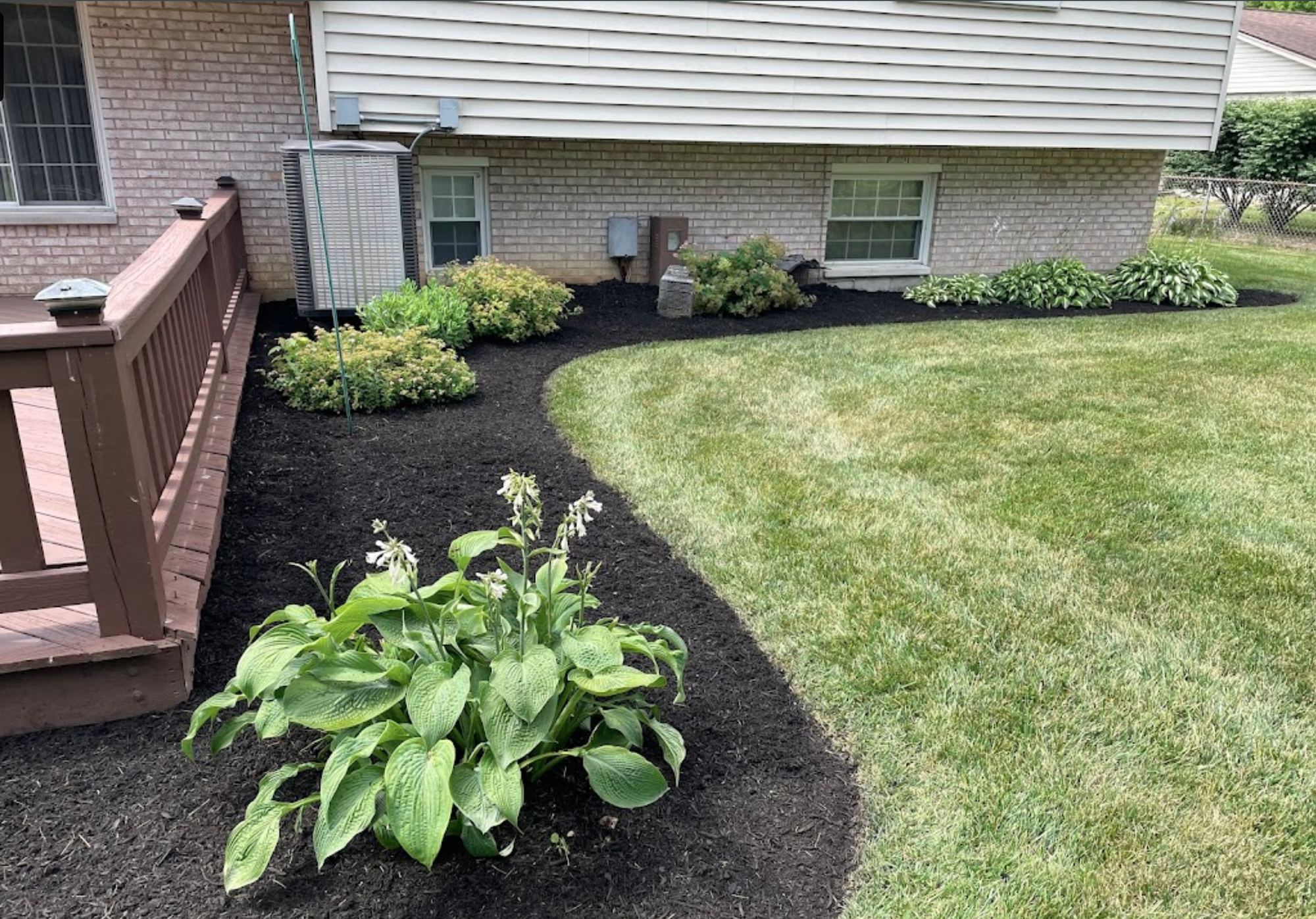
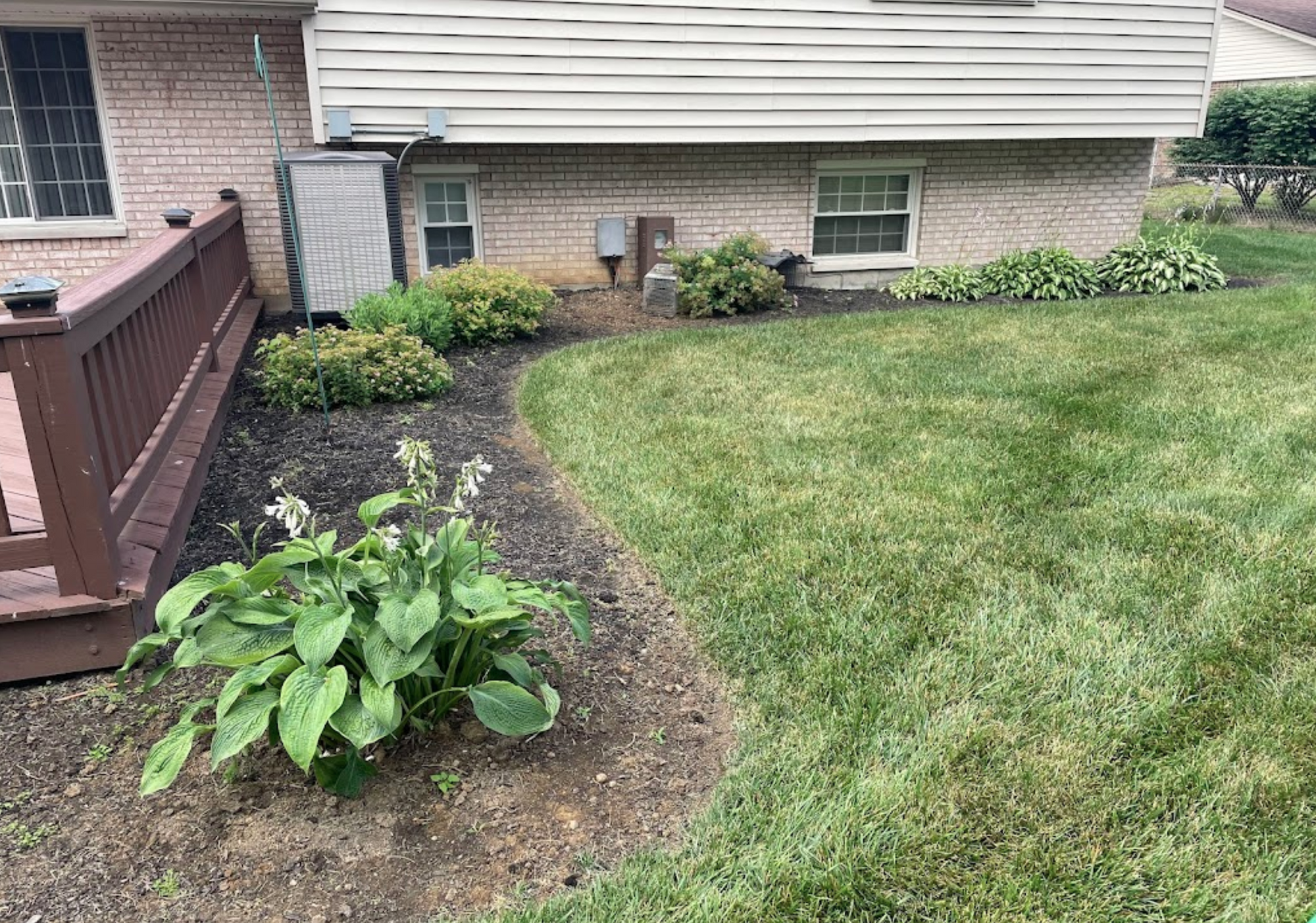
Alexandria's combination of 59 inches of annual rainfall, Zone 8b heat, and a growing season running from March 8 to November 12 creates near ideal conditions for microbial decomposition. Organic mulches like hardwood and pine bark break down considerably faster here than they would in a drier or colder region, which is a benefit for soil building but means annual replenishment. Non organic options such as river rock and lava rock never decompose, so they hold their line indefinitely but add nothing back to the silt loam.
Before
After
Best Mulch Choice for Alexandria Lawns
Most yards in the Alexandria area sit on type of soil. Alexandria's silt loam holds moisture nicely but has a strong tendency to crust and compact after heavy rain, which starves shallow roots of oxygen and makes it hard for water to soak in evenly. Beds built on this soil often look fine on the surface while the top inch has sealed into a hard pan.
Hardwood Mulch
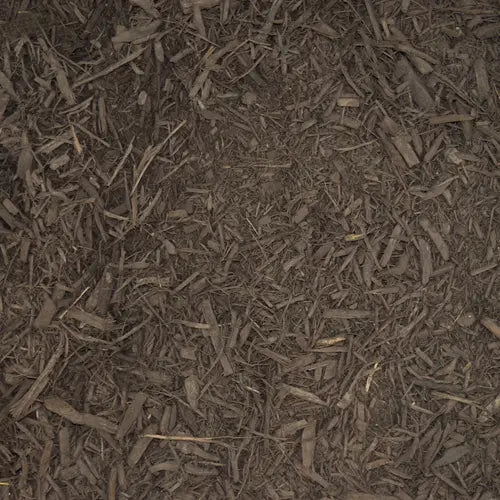
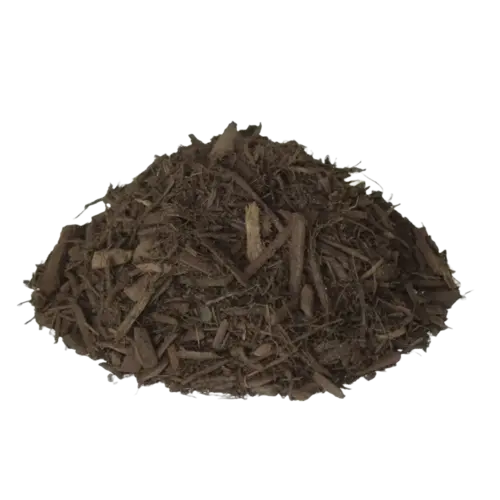
Shredded hardwood mulch is the best answer for Alexandria silt loam because it absorbs raindrop impact so the surface never crusts, and as it decomposes it feeds organic matter into the top few inches, improving structure and drainage. Over two or three seasons of hardwood, compacted silt loam becomes noticeably looser and more crumbly.
Complete Your Outdoor Mulch Project
Pair your mulch with a few yards of screened topsoil or compost to build up the beds before spreading, and add steel or stone edging to keep material from floating off during spring storms.
Before you spread new mulch, take a rake and break up the old crusted layer underneath. Alexandria's rain and heat compress last year's hardwood into a mat that actually sheds water instead of absorbing it, which is why plants sometimes wilt in a bed that looks perfectly mulched. Fluffing the existing layer restores porosity and lets you use less new material, often cutting your yardage by a third.
Mulch Mound Pro Tip
Time your mulch delivery around the forecast. Central Louisiana summer afternoons bring pop up thunderstorms almost daily from June through August, and wet mulch is dramatically heavier to move by wheelbarrow. Take delivery early in the morning, spread what you can before noon, and throw a tarp over the remaining pile. Dry hardwood mulch runs about 500 pounds per yard while soaked mulch can approach 900.
Mulch Mound Pro Tip
Watch your depth around tree trunks. The mulch volcano look is everywhere in Alexandria subdivisions, and in our humid climate it is genuinely damaging because bark stays wet year round and invites rot and boring insects. Pull mulch back so you can see the root flare where the trunk widens at the ground, then feather the layer out to three inches beyond that, ideally to the full dripline of the tree.
Frequently Asked Questions
Click a question to see the answer
Answer
How often do I need to replace mulch in Alexandria?
Most Alexandria beds need a refresh once a year, usually a light two inch top dress in late February or early March before the last frost date of March 8. Our 59 inches of annual rain and warm soil speed up decomposition, so hardwood mulch that might last two years in a drier state breaks down noticeably faster here. If you are using a shredded hardwood, expect to lose about an inch of depth per season.
Answer
Will mulch attract termites around my house near the Red River?
Formosan and native subterranean termites are a real concern throughout Rapides Parish, but mulch itself is not what draws them in. The safe practice is to keep any mulch pulled back six to twelve inches from your slab or pier foundation and never pile it against siding or weep holes. Cypress and pine bark are less appealing to termites than fresh wood chips, and keeping the layer at three inches instead of six keeps it from staying constantly damp.
Answer
Does mulch wash out during our heavy spring rains?
It can, especially the lighter pine bark nuggets on any slope. Alexandria gets intense downpours in April and May that move loose material fast, so on graded beds we recommend double shredded hardwood because the fibers knit together and lock in place. On flat beds at our typical 79 foot elevation, washout is much less of an issue and nuggets hold fine behind a solid edge.
Answer
What is the best time of year to mulch in central Louisiana?
Late winter, roughly mid February through mid March, is ideal. You get the mulch down before the March 8 last frost while soil is still cool, which suppresses the first flush of crabgrass and chamberbitter before it germinates. A second option is October, after the summer heat breaks but before the November 12 first frost, which insulates root zones through winter.
Answer
How many yards of mulch will I need for my beds?
One cubic yard covers about 108 square feet at three inches deep, which is the depth we recommend for most Alexandria landscapes. Measure each bed length times width, add them up, and divide the total square footage by 108. A typical front foundation bed on a Alexandria ranch home runs two to four yards.
Answer
Should I put landscape fabric under mulch here?
Generally no. With our silt loam and high rainfall, fabric traps a slick layer of silt on top and blocks the organic matter from working down into the soil where it is needed most. Weeds simply root in the decomposed mulch above the fabric anyway. Skip it in planting beds and save the fabric for under gravel paths and drainage areas.
Answer
Can I mulch around azaleas and camellias the same way?
Yes, and they benefit from it more than almost anything else in a Alexandria yard. Both are shallow rooted acid lovers that struggle when silt loam bakes dry in August, so a three inch pine bark or pine straw layer holds moisture and gradually acidifies the root zone. Just keep the mulch a few inches off the trunk flare so the bark does not stay wet and rot.
The Unique Landscape of Alexandria
Alexandria sits in Zone 8b with roughly 59 inches of rain falling on Rapides Parish every year, and that constant moisture is the single biggest factor shaping how mulch behaves here. The native silt loam holds water well but seals over into a crust after the heavy spring downpours that roll up from the Gulf, and bare beds turn into splash zones that fling mud onto siding and foundation plantings. A layer of mulch absorbs that impact, keeps the silt from washing toward Bayou Rapides and the low spots in your yard, and moderates soil temperature during July and August afternoons that regularly push past 95 degrees. With a long growing season stretching from the March 8 last frost to the November 12 first frost, weeds get nearly nine months to compete with your shrubs, and mulch is the cheapest way to shut them down. At only 79 feet of elevation, drainage matters more than most homeowners realize, and the right mulch at the right depth helps water move instead of pond.