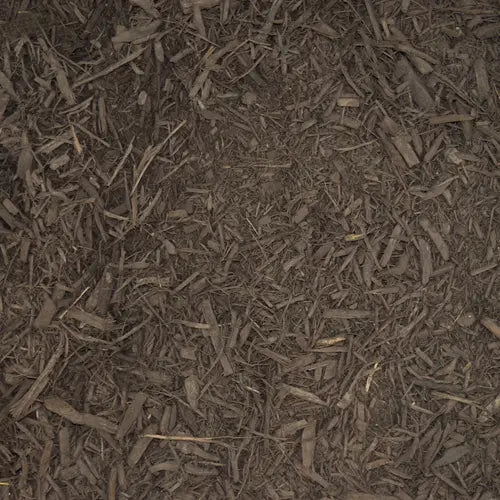
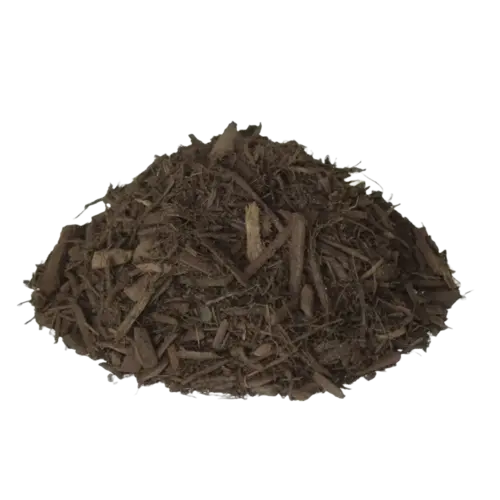
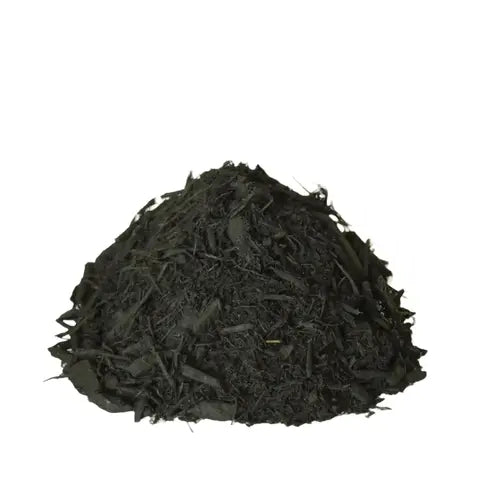
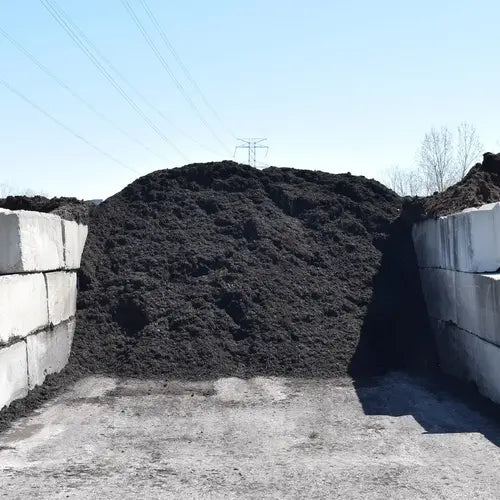
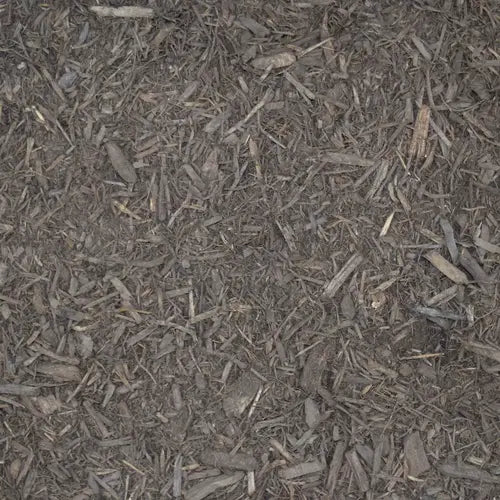
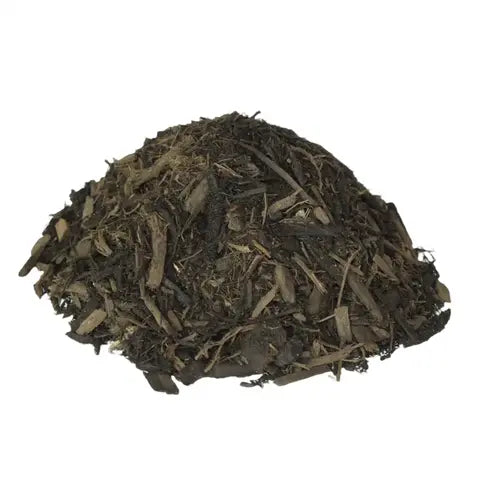
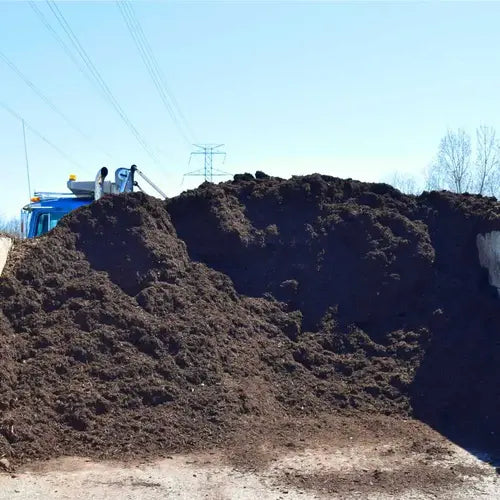
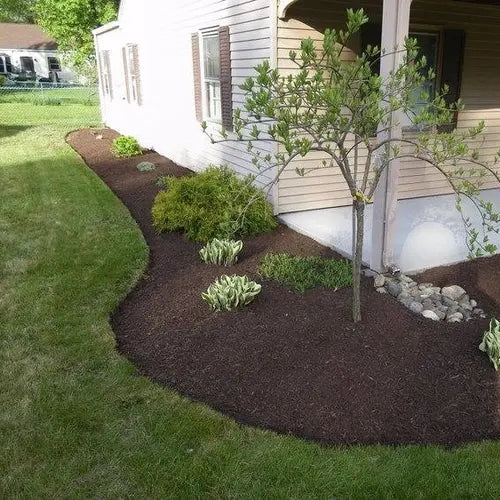
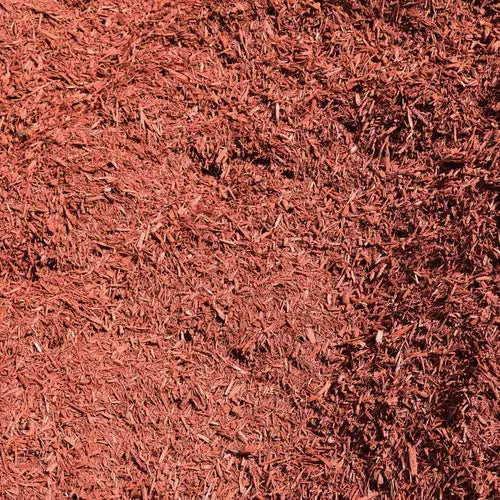
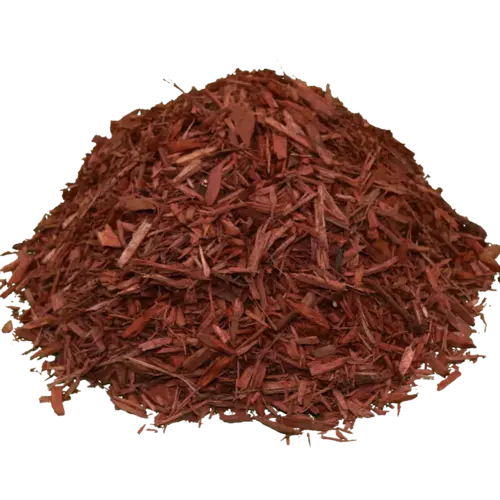
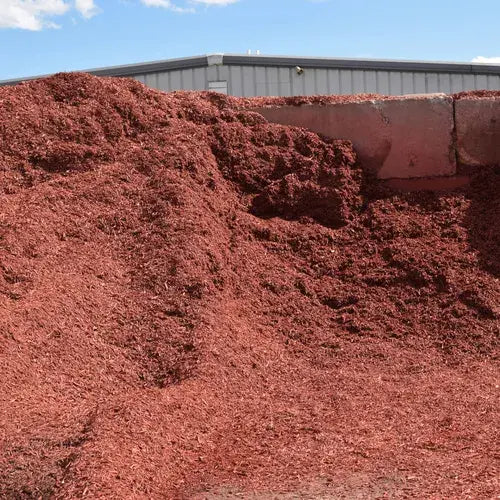
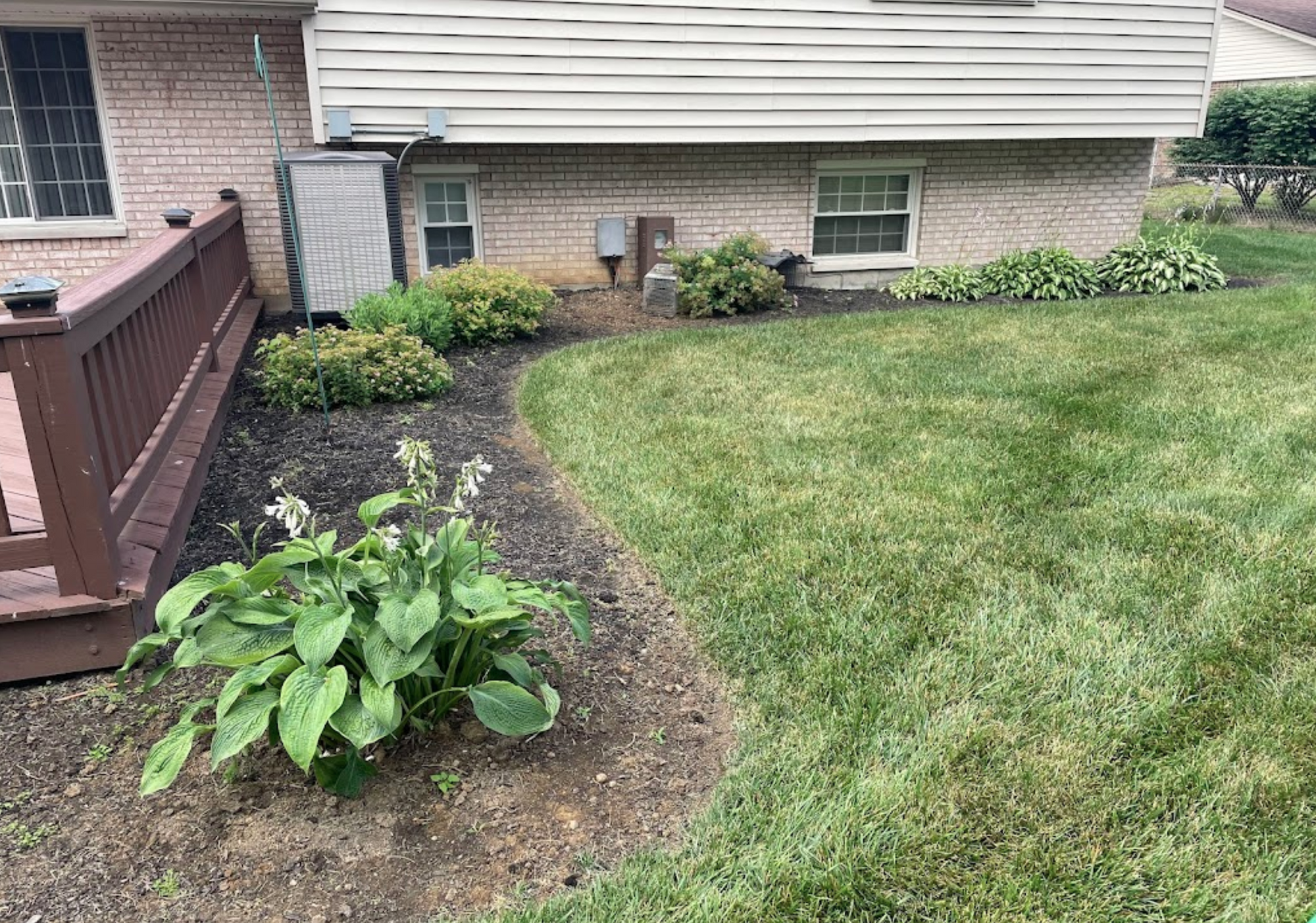
Warm brown double shredded mulch with lasting color that looks freshly applied for weeks. Spreads smooth, stays put, and gives beds a natural, polished appearance.
I can’t say enough good things about Mulch Mound! If you read my review below you will see I had a problem with my order. Mulch Mound was quick to respond and solved the issue with my delivery. Will definitely be a customer next year.
First time purchase...
Tell us what you're looking for
Thanks! We received your request.
Something went wrong. Please try again.
How Much Material Do I Need?
For most Alpharetta planting beds, a 3-inch depth provides effective weed suppression and moisture retention against the clay soil that dries hard between rain events. Trees and large shrubs growing in heavier clay areas benefit from a 4-inch layer applied in a wide ring, with mulch kept pulled back from the trunk to prevent rot.
Use our free mulch calculator
What is a yard?
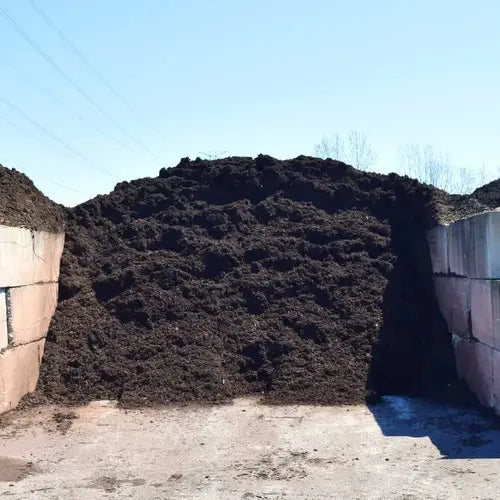
A yard is approximately 27 cubic feet. As a general guideline, one yard of material can cover an area of about 100-160 square feet at a 2-3 inch depth.
We can't take orders for this right now. Tell us what you need and we'll get back to you.
What do you need?
Thanks! We received your request.
Something went wrong. Please try again.
Hand-picked local yards
4,000+ regional deliveries
Dedicated support
Why order through Mulch Mound
The best local mulch, without the guesswork.
We hand-pick and partner with the best yards in your region, keep only the ones our buyers rate well, and back each load with our guarantee.
Mulch Mound Guarantee
If your mulch isn't the quantity or quality you ordered, we'll make it right.
About this mulch
Warm brown double shredded mulch with lasting color that looks freshly applied for weeks. Spreads smooth, stays put, and gives beds a natural, polished appearance.
I can’t say enough good things about Mulch Mound! If you read my review below you will see I had a problem with my order. Mulch Mound was quick to respond and solved the issue with my delivery. Will definitely be a customer next year.
First time purchase...
How Much Material Do I Need?
For most Alpharetta planting beds, a 3-inch depth provides effective weed suppression and moisture retention against the clay soil that dries hard between rain events. Trees and large shrubs growing in heavier clay areas benefit from a 4-inch layer applied in a wide ring, with mulch kept pulled back from the trunk to prevent rot.
Use our free mulch calculator
What is a yard?
A yard is approximately 27 cubic feet. As a general guideline, one yard of material can cover an area of about 100-160 square feet at a 2-3 inch depth.
I can’t say enough good things about Mulch Mound! If you read my review below you will see I had a problem with my order. Mulch Mou...
Read full review
UPDATE!
I can’t say enough good things about Mulch Mound! If you read my review below you will see I had a problem with my order. Mulch Mound was quick to respond and solved the issue with my delivery. Will definitely be a customer next year.
First time purchase from Mulch Mound!! First what I liked! Easy to order online and straight forward pricing and delivery. The driver was on time and courteous and delivered my Mulch exactly where I requested! The product is of good quality and comparable to others I have purchased from before. Now what I DID’NT LIKE! I have been mulching the same house and yard for almost 20 years. I always order the same amount and don’t have any issues with covering the same area but this year I fell about a yard short. I was home when the mulch was delivered and when the driver dumped it I noticed that it seemed a bit less than I was used to. I didn’t apply it any thicker than usual and probably a bit thinner than usual because I was worried about running out.
Mulch Mound made it so easy! So happy with the pricing, turn around time, delivery and product. I submitted my online order on a Thursday. The mu...
Read full review
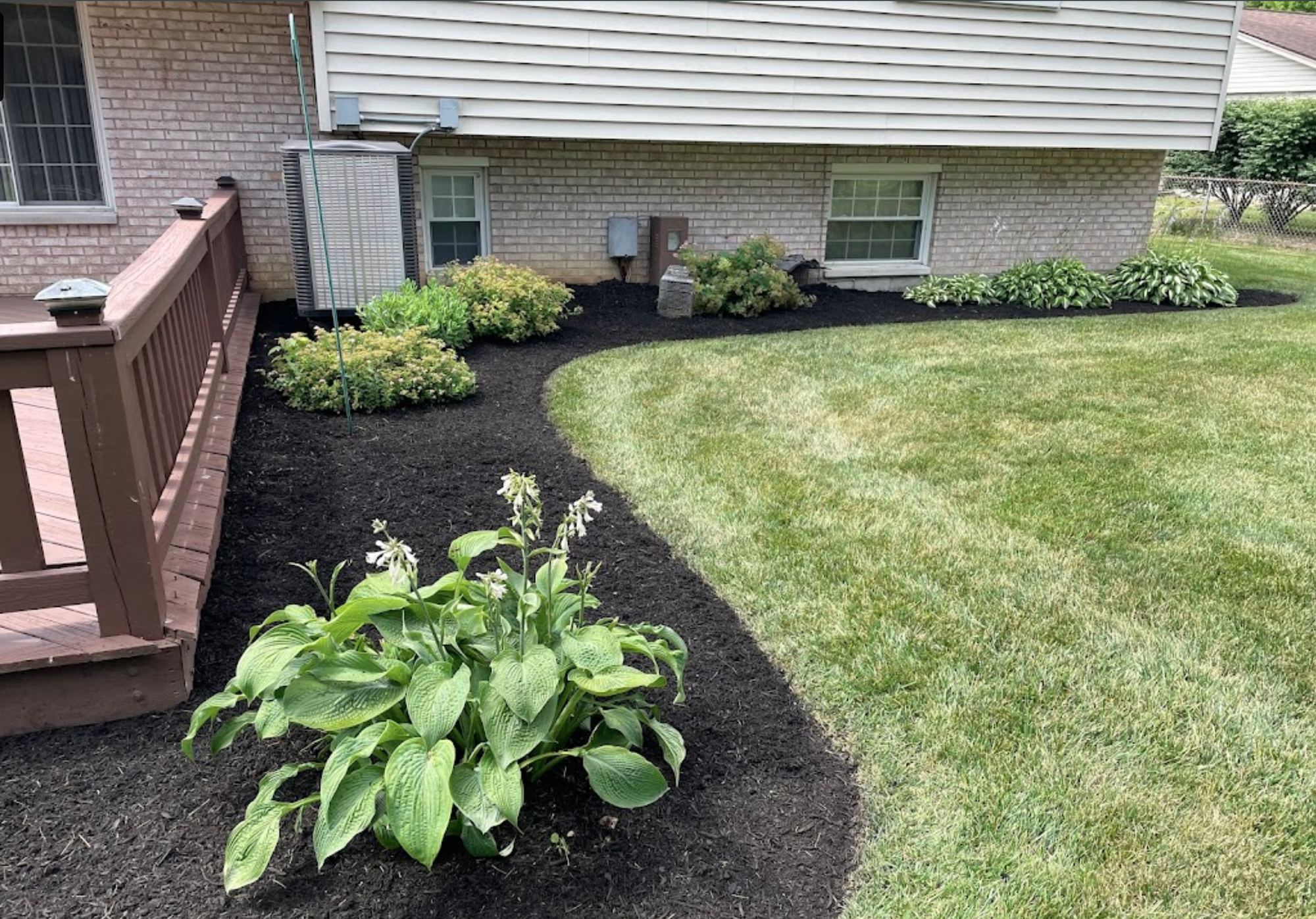
Mulch Mound made it so easy! So happy with the pricing, turn around time, delivery and product. I submitted my online order on a Thursday. The mulch was delivered to the designated location by a local landscape company at 8:30 a.m. the following Saturday morning. We had the job completed by that afternoon. We chose the natural brown mulch, and the plant beds are beautiful.
Measure the length and width of each bed in feet and multiply to get square footage, then use our calculator to determine cubic yards based on your desired depth. For Alpharetta's clay soil, 3 inches is the recommended minimum since clay compacts and causes shallow mulch layers to lose their effectiveness quickly. Add up all your bed measurements before ordering so you can take advantage of bulk pricing on a single delivery.
Mulch vs. No Mulch: The Difference
Alpharetta's warm Zone 8a summers and frequent rainfall accelerate the breakdown of natural mulches, meaning organic options like hardwood and pine tend to decompose within a season and a half and need annual replenishment. Dyed mulches use a wood base that breaks down at a similar rate but offer more consistent color through the summer, which matters in Alpharetta communities where curb appeal is a priority year-round. The choice between natural and dyed ultimately comes down to whether you prioritize long-term soil improvement or longer-lasting visual impact, and many Alpharetta homeowners use a combination strategy across different areas of their property.
Before
After
Best Mulch Choice for Alpharetta Lawns
Most yards in the Alpharetta area sit on Red Clay type of soil. Alpharetta's red clay soil drains poorly and compacts easily, which means plant beds are prone to waterlogging after heavy spring rains and then baking into a hard shell during summer dry spells. Choosing the right mulch type and applying it at the proper depth helps moderate both extremes by regulating moisture at the soil surface where plant roots need it most.
Hardwood Mulch
Hardwood mulch is particularly beneficial for Alpharetta's clay-heavy beds because as it decomposes it introduces lignin-rich organic matter that binds to clay particles and gradually opens up the soil structure. Over multiple seasons, this process creates a more crumbly and workable layer just below the mulch surface, improving drainage and making it easier for roots to penetrate what was previously a dense, impenetrable clay profile.
Mulch Types We Deliver in Alpharetta
Mulch Mound makes bulk mulch delivery in Alpharetta simple, bringing material by the cubic yard directly to your driveway, so you skip the store runs and get exactly the volume your beds need. Whether you are refreshing a front foundation planting or covering a large backyard, we have the variety and the capacity to handle projects of any size. Every order is measured to the yard and scheduled around your timeline.
Dyed Black Mulch
Bold black double shredded mulch that gives foundation beds a sharp, finished look against the red clay soil and green Georgia foliage. The deep color holds through hot, humid summers and spreads smoothly across large areas without clumping.
Dyed Brown Mulch
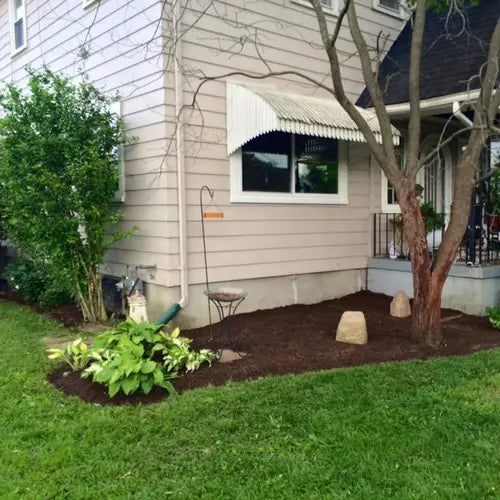
Warm brown double shredded mulch that suits the brick and stone exteriors common in North Georgia. The enhanced color stays looking fresh through weeks of summer rain and the fine texture lays flat and even across wide planting beds.
Dyed Red Mulch
Vibrant red double shredded mulch that makes a bold statement in front yard beds and entry plantings. The intense color holds through the Georgia heat and pops against green foliage, making it a popular choice for homeowners focused on curb appeal.
Natural Brown Mulch
Undyed double shredded mulch with a warm, earthy tone straight from the wood itself. A natural choice for properties with wooded buffers and mixed hardscape, it blends into the landscape cleanly without added colorants and holds well on sloped beds.
Complete Your Outdoor Mulch Project
If your beds need a soil amendment beneath the mulch, pair your order with a bulk topsoil or garden mix delivery to address Alpharetta's clay drainage issues before you mulch. Decorative stone from our stone collection is a great complement along bed borders or pathway edges to keep mulch contained after the heavy thunderstorms Alpharetta sees through summer.
Alpharetta's red clay becomes nearly waterproof when dry, causing heavy rain to sheet across bed surfaces rather than soak in. Before laying fresh mulch in spring, use a garden fork to lightly aerate the top few inches of exposed clay. That simple step dramatically improves how well moisture penetrates through your mulch layer and reaches plant roots during the dry spells that often follow March and April storms in north Fulton County.
Mulch Mound Pro Tip
Because Alpharetta sits at over 1,000 feet of elevation, overnight temperatures in late March and early October can dip well below what forecasts suggest for lower-lying Atlanta suburbs. Apply your mulch layer before these shoulder-season cold snaps rather than waiting until afterward, so the insulating effect is already in place when an unexpected frost threatens tender new growth. An established 3-inch layer can buffer root zone temperatures by several degrees on those critical borderline nights.
Mulch Mound Pro Tip
With 53 inches of annual rainfall concentrated in frequent, intense thunderstorms, Alpharetta yards can see significant mulch displacement in sloped beds after a heavy downpour. Choose a coarser shredded hardwood mulch for any bed with more than a gentle grade, since the interlocking fibers resist washing far better than fine or chip-style mulch products. Installing steel or composite bed edging along the downhill side of sloped areas also keeps your mulch investment in place after the summer's hardest rains.
Frequently Asked Questions
Click a question to see the answer
Answer
How much mulch do I need to protect my beds from Alpharetta's summer heat and drought spells?
A 3-inch layer is the standard recommendation for Alpharetta landscapes, where summer heat combined with dry stretches between rain events can dry out exposed clay soil surprisingly fast. Measure the square footage of your beds and divide by 100 to get a rough cubic yard estimate for 3 inches of depth. That layer helps keep soil temperatures stable during the hottest July and August days when clay without coverage can reach temperatures that damage shallow feeder roots.
Answer
Will mulch actually help with the red clay soil that is all over my Alpharetta yard?
Yes, and this is one of the most compelling reasons to mulch consistently in Alpharetta. As natural hardwood mulch breaks down over the season, it introduces organic matter into the underlying clay, which gradually improves drainage and aeration. It will not transform clay overnight, but after two or three seasons of regular mulching you will notice noticeably softer, more workable soil in the zone just beneath your beds.
Answer
Does dyed mulch hold its color through Alpharetta's rainy and humid summers?
Alpharetta averages 53 inches of rain per year, with a significant portion falling between April and August, which is hard on any mulch color. Quality dyed mulches use colorfast pigments that resist fading better than older formulations, but you should still expect some softening of color by midsummer. Reapplying a thin fresh layer each spring keeps beds looking polished through the full growing season.
Answer
When is the best time to put down fresh mulch in Alpharetta?
Early spring, just after Alpharetta's last average frost date of March 28, is the ideal window for a fresh mulch application. Mulching at that point locks in soil moisture before the heat builds and suppresses the first flush of warm-season weeds that germinate aggressively in Zone 8a. A second light top-dressing in early November, just ahead of the first frost around October 27, helps insulate perennial roots through winter cold.
Answer
How often do I actually need to replace or refresh my mulch in Alpharetta's climate?
In Alpharetta's warm, humid climate, organic mulches typically break down within 12 to 18 months. Hardwood mulch decomposes somewhat more slowly than pine, but both benefit from a fresh 1 to 2 inch top-dressing each spring. Rather than removing old mulch before adding new material, simply layer on top, since the decomposing material underneath is actively improving the structure of your clay soil.
Answer
Is pine straw or wood mulch better for the acidic clay soils common in Alpharetta?
Both work well in Alpharetta, but the right choice depends on your plant palette. Azaleas, gardenias, and camellias, which thrive throughout Zone 8a landscapes here, do especially well with pine straw because it maintains the slightly acidic pH those plants prefer. Hardwood mulch is a better all-purpose choice for mixed ornamental beds because it contributes more organic matter to the clay over time without pushing soil pH as aggressively in the acidic direction.
Answer
Can I pile mulch right against my house foundation in Alpharetta?
It is best to leave a 6-inch gap between any mulch and your foundation. In Alpharetta, where summer humidity stays high and afternoon thunderstorms are frequent, mulch pressed against a foundation traps moisture against siding and creates conditions that invite termites and wood rot. Keeping that buffer zone also improves airflow at ground level, which is especially important during the long humid stretches from June through September.
The Unique Landscape of Alpharetta
Alpharetta's dense red clay soil compacts tightly after rainfall and sheds water rather than absorbing it, creating a frustrating cycle of soggy beds in spring and cracked, baked ground in summer. With 53 inches of rain per year and a growing season that stretches from the last frost around March 28 through late October, mulch plays a critical role in moderating the extreme moisture swings that clay soils experience. At 1,063 feet of elevation, Alpharetta can see overnight temperatures dip unexpectedly during shoulder seasons, making a proper mulch layer essential for insulating root zones of ornamentals through those sudden cold snaps. Without adequate coverage, Alpharetta's clay beds develop a hard surface crust that resists water infiltration and accelerates runoff after heavy thunderstorms. A consistent mulch layer helps break that cycle by slowly adding organic matter to the clay as it decomposes, gradually improving soil structure and drainage season after season.