Skip to product information
1 of 5
Ashburn Soil Delivery

Ashburn Soil Delivery

Ashburn Soil Delivery

Regular price $43.00 per yard
Regular price Sale price $43.00
Sale Sold out
Type
Style
Minimum of 3

Start with your project footprint. Ashburn lawn smoothing takes minimal depth while raised bed fills need 10 to 12 inches.
Use our free soil calculator

A yard is approximately 27 cubic feet. As a general guideline, one yard of material can cover an area of about 10 feet by 10 feet at a few inches deep.

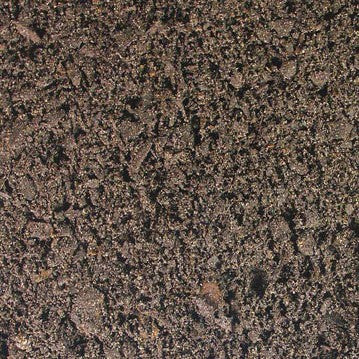
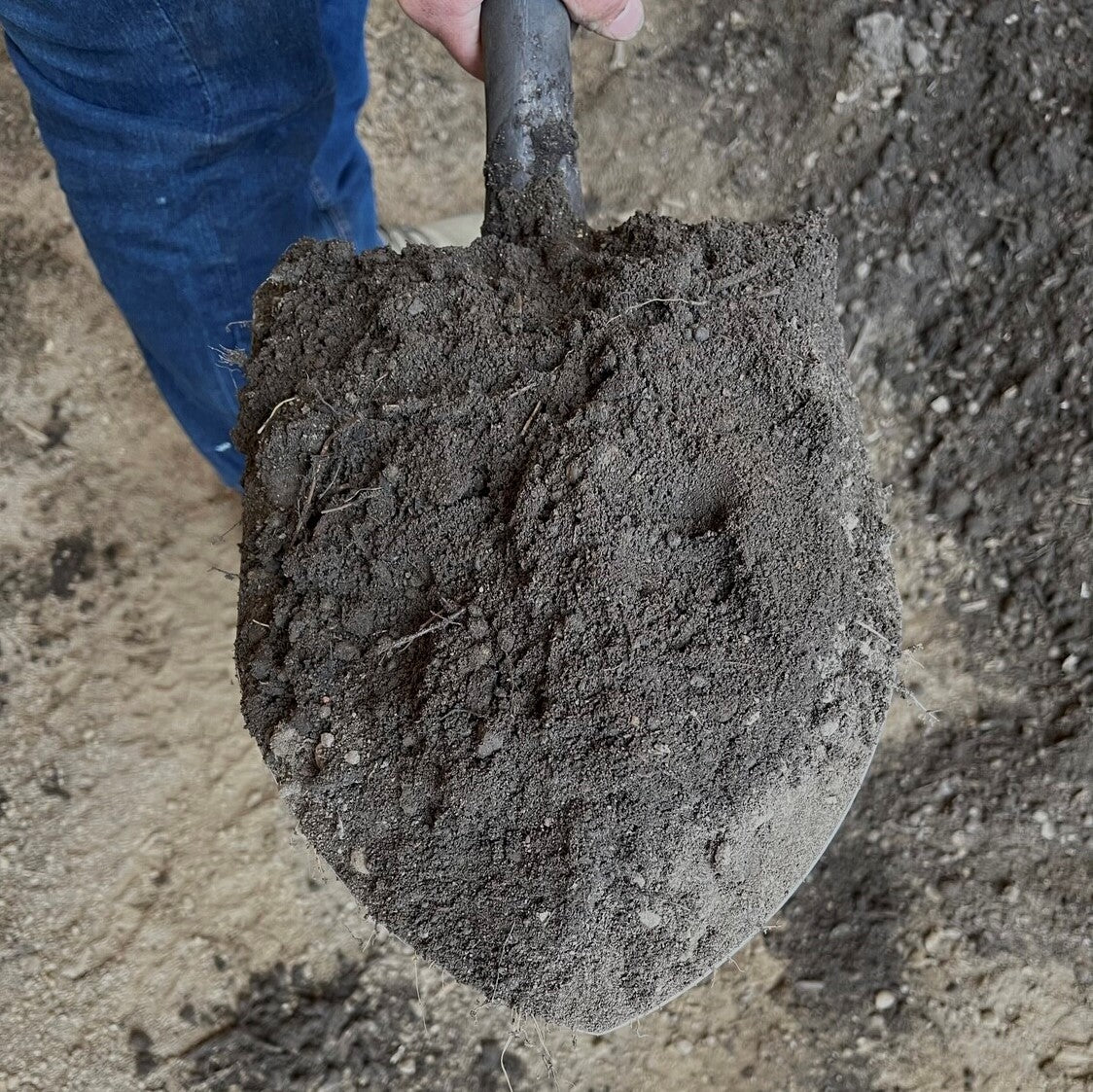
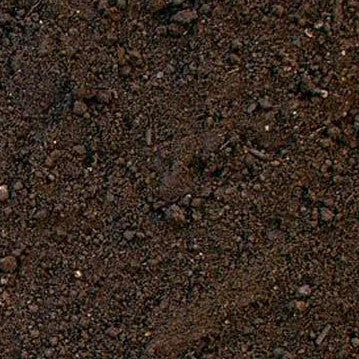
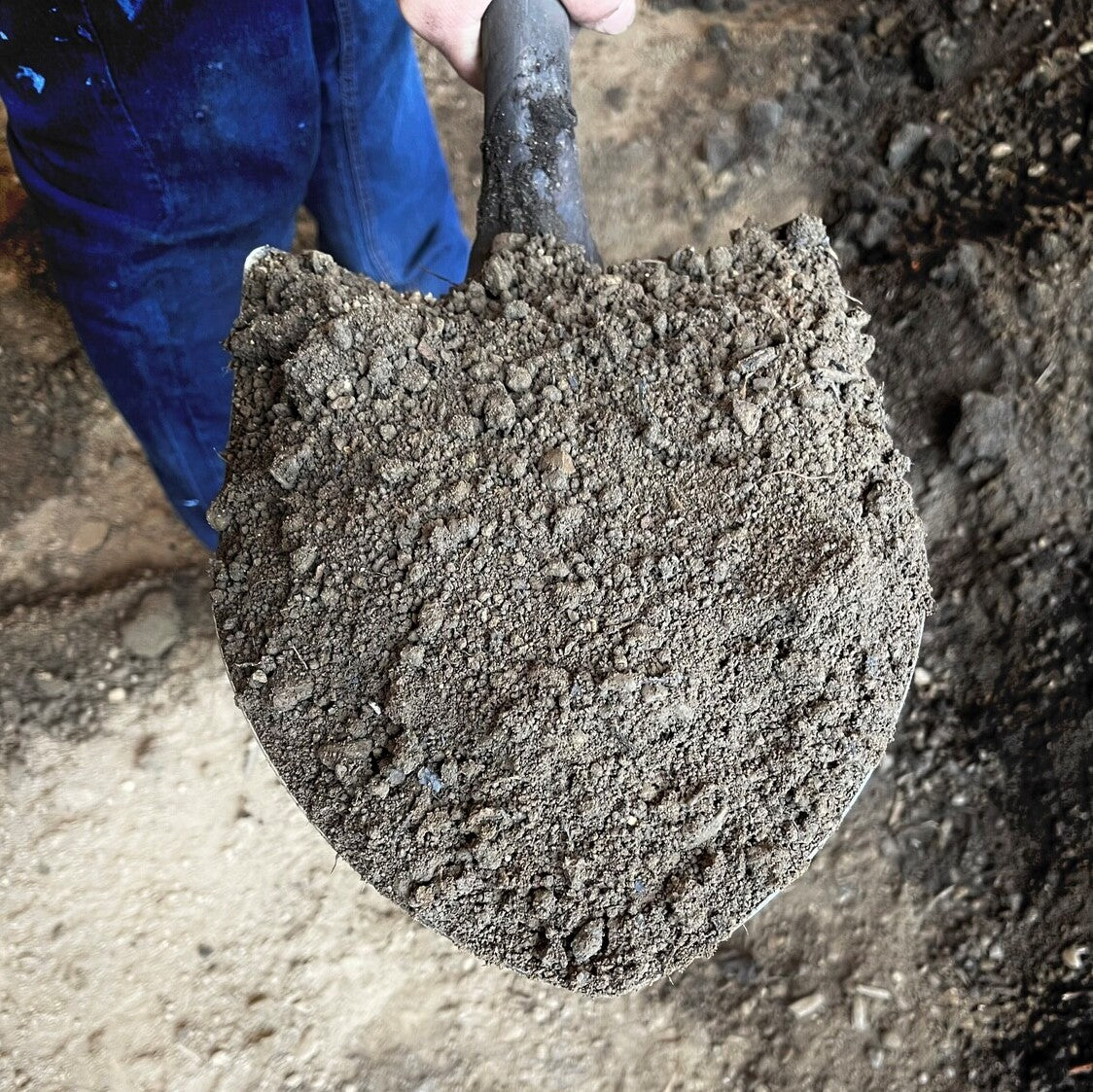
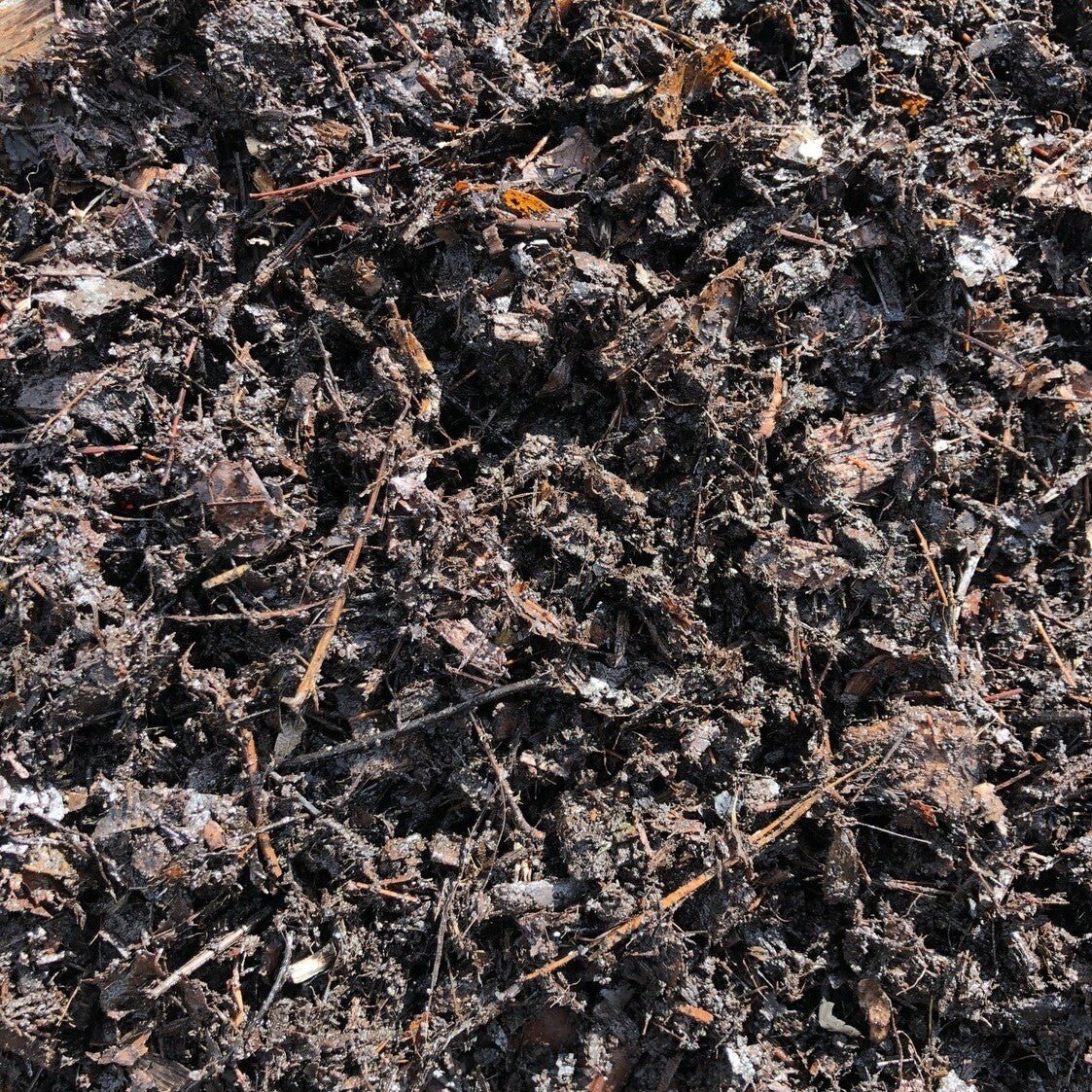
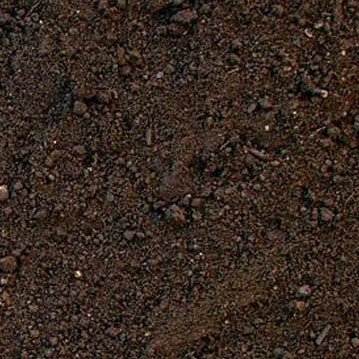
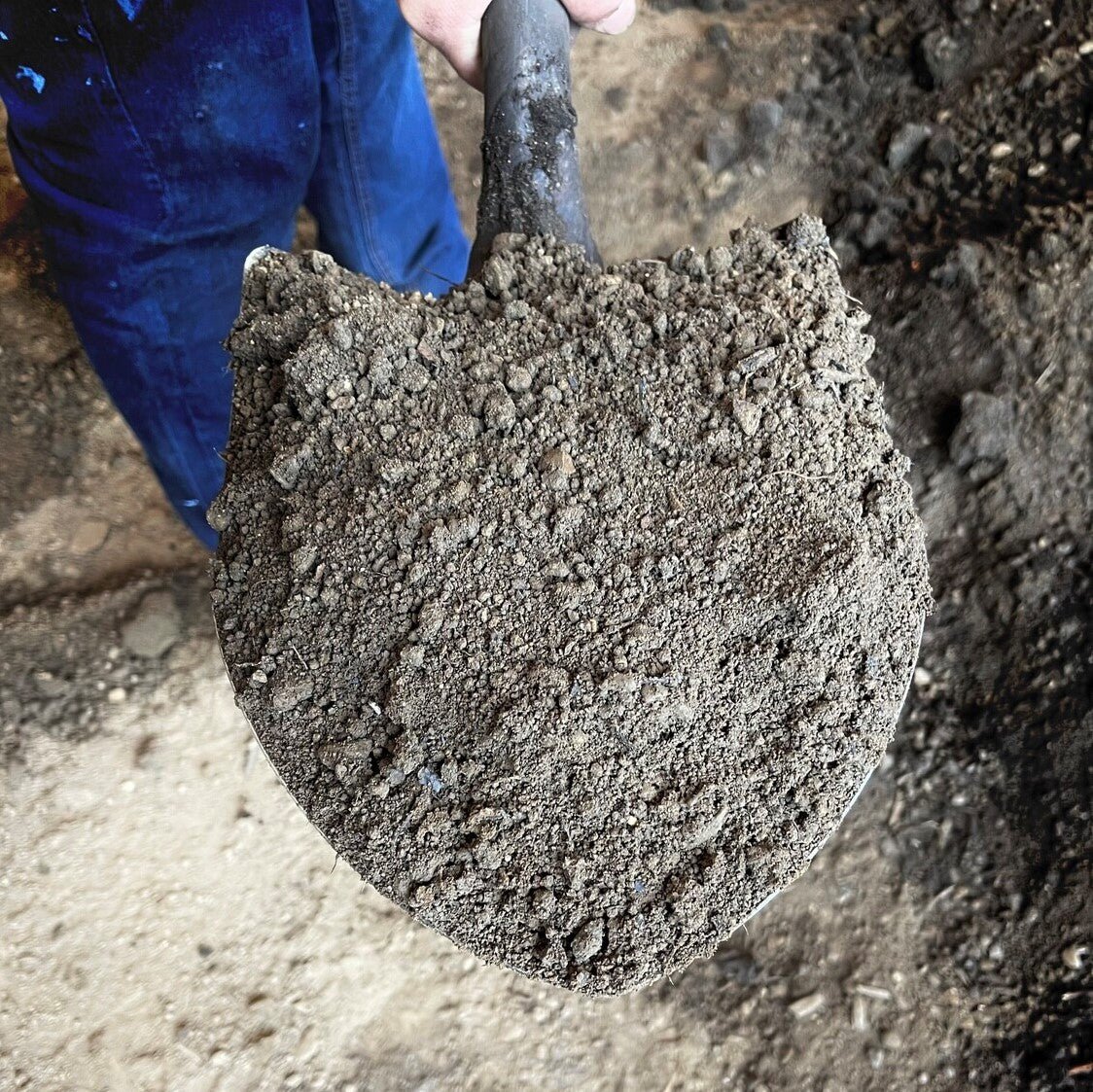
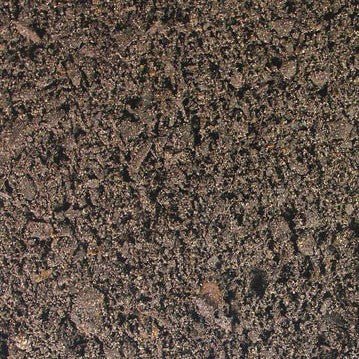
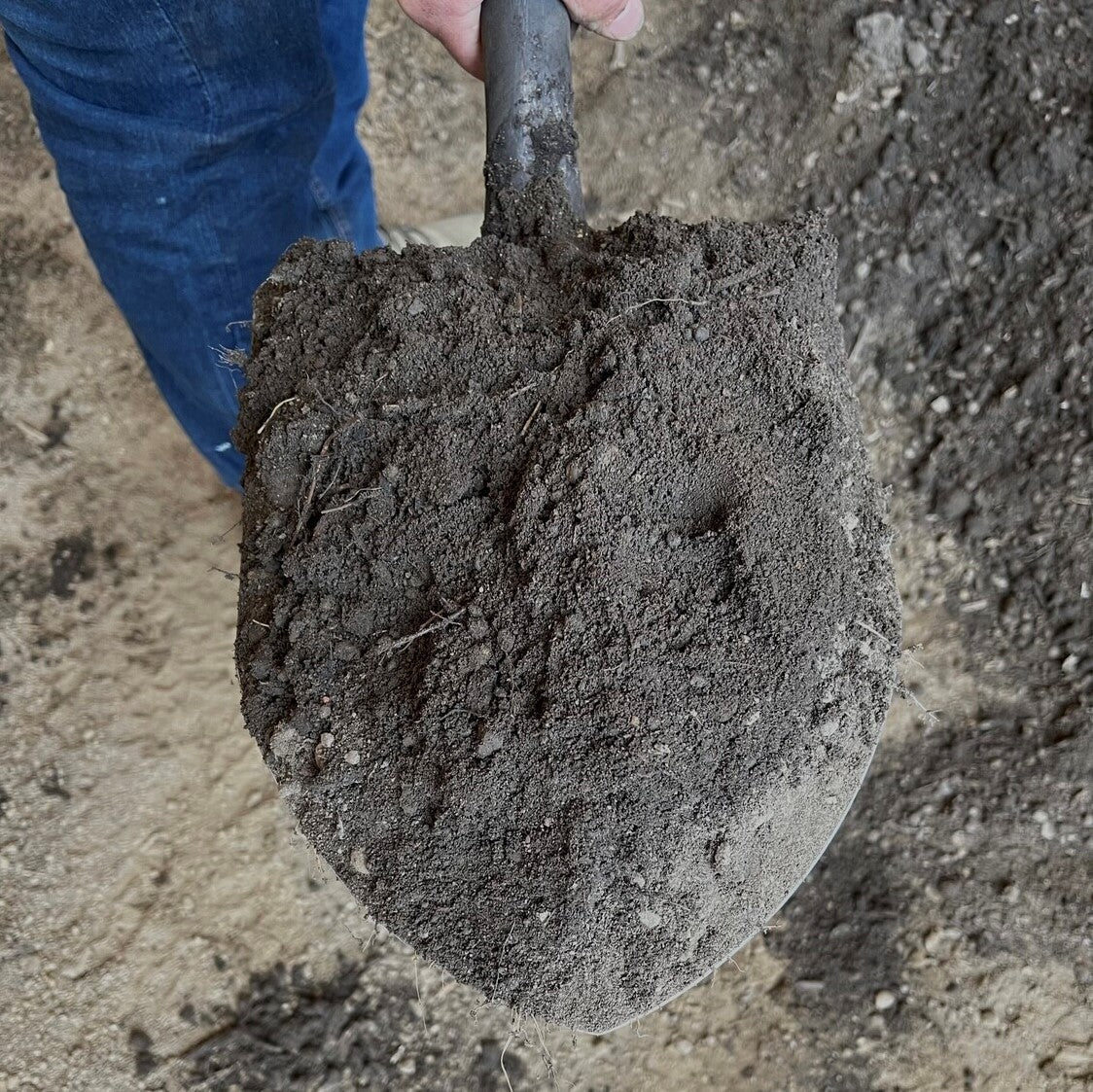
Screened topsoil processed for quality and consistency. Ashburn homeowners trust it for lawns, gardens, and property improvements. Smooth texture, reliable performance, clean material throughout. Good topsoil is the foundation Ashburn landscapes need. Proper structure supports root growth, drainage works correctly, and plants get the start they need to thrive long-term.

View full details

How It Works

Getting started is easy — just follow these simple steps

1

Choose your soil

Make sure you adjust the quantity to your home's needs. You can use our calculator to estimate how much you'll need.

2

Select your delivery date

Select a delivery date you'd like for the product to be dropped off at your home

3

Sit back and wait

Sit back, wait, and let us work our magic to make sure the highest quality product is delivered to your driveway.

What Ashburn Customers Like About Our Soil

4.9
out of 5 based on 99 reviews
Google Reviews

Need Help Calculating How Much Soil You Need?

Use our NEW Trace from Satellite tool to get an estimate for your project based on an aerial view of your property

Try Our Calculator
📍

Planning a soil project in Ashburn? Use the satellite trace tool to map your area and estimate yardage at different depths. Light fills level lawns; heavier depths prep beds for planting in our humid subtropical climate.

Complete Your Outdoor Soil Project

Start with soil, finish with mulch and stone in Ashburn. Mulch protects your planting beds, stone defines edges. All three deliver together.

Frequently Asked Questions

Click a question to see the answer

Answer

What soil is best for raised beds?

Purpose-made raised bed mix with topsoil, compost, and amendments. Much better results than filling with Ashburn's local clay loam.

Answer

How often should I add new soil?

Annual compost addition keeps raised beds productive—1–2 inches per year. Mulched in-ground beds need less frequent soil additions.

Answer

Do I need special soil for vegetables?

Vegetables thrive in rich, loose soil with good drainage. Garden mix with extra compost works great in Ashburn's zone 7a.

Answer

How do I prepare the area before adding soil?

Remove weeds, rake debris, fork or till the top 4–6 inches. Ashburn's clay loam drains better when new soil can mix in.

Answer

How do I fix clay soil?

Organics and gypsum help. Sand makes things worse. Add several inches of compost and work it into the top layer yearly.

Answer

How do I fix sandy soil?

Add organic matter—compost, aged manure, garden mix. Sandy soil drains fast and doesn't hold nutrients. Yearly additions build retention.

Answer

How do I improve drainage in heavy soil?

Incorporate compost and organic amendments heavily. With Ashburn's heavy clay subsoil, improvement takes seasons. Raised frames are the fast solution.

Mulch Mound Pro Tip

Let new soil settle for at least two weeks before planting permanent trees and shrubs. Initial settling can leave plants sitting too high or create low spots that collect water around stems.

Mulch Mound Pro Tip

Use a landscape rake for final grading of topsoil surfaces. The wide head and straight tines create smooth, level surfaces much faster than a standard bow rake or garden rake.

Mulch Mound Pro Tip

Do not spread topsoil when rain is forecast in the next day or two. Runoff carries loose soil into streets, storm drains, and neighbors' yards, wasting your material and creating problems.

The Unique Landscape of Ashburn

Good soil is the base layer for Ashburn planting—especially after cleanup, edging, or weed pulls. If your yard has spots that stay soggy or bake dry, better soil structure can help, so a fresh layer helps you re-level and plant cleanly. Ideal for leveling small lawn repairs, refreshing beds, and filling after hardscape work. Spread in thin lifts, rake smooth, and water lightly so it settles before planting. Delivered soil makes it easier to do the job once and move on to planting.
