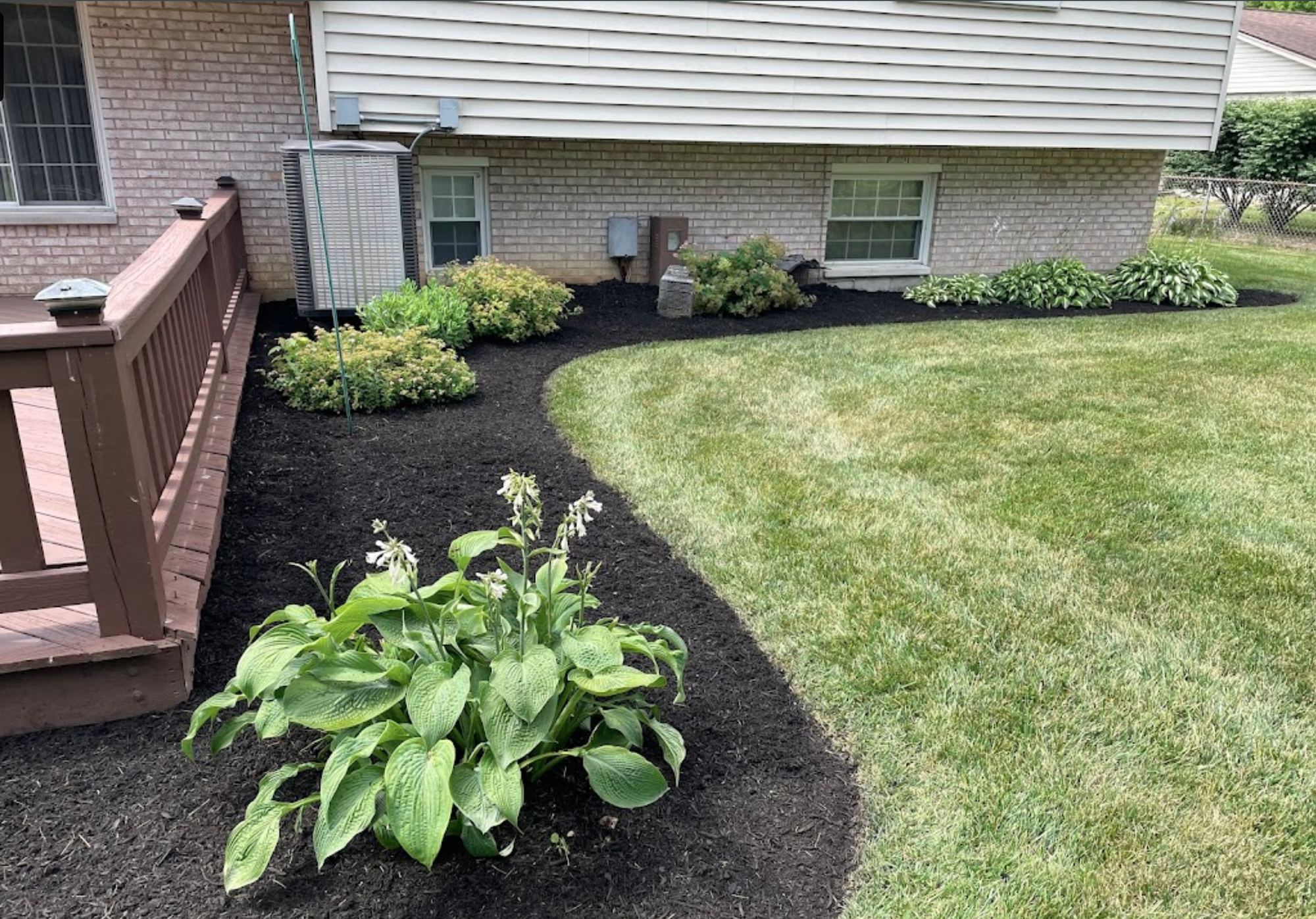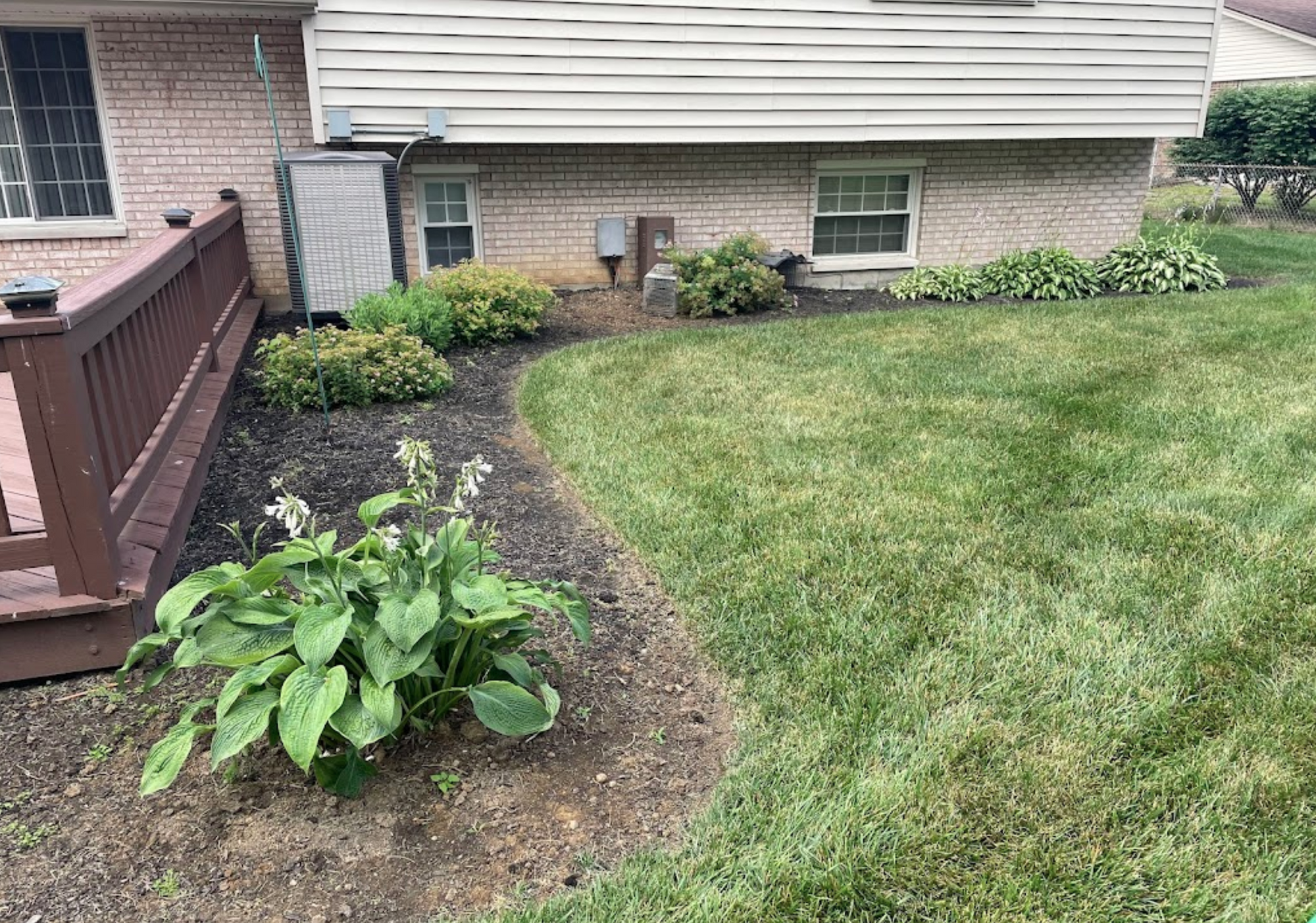
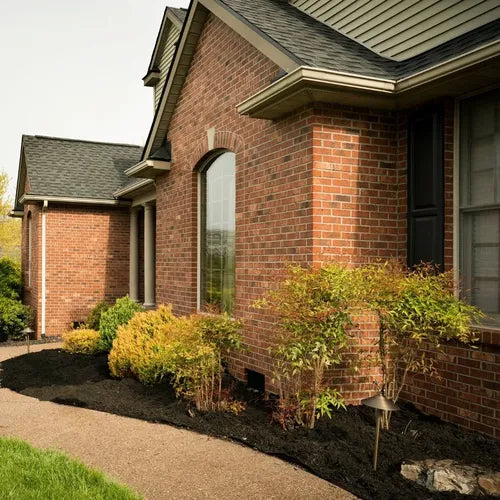
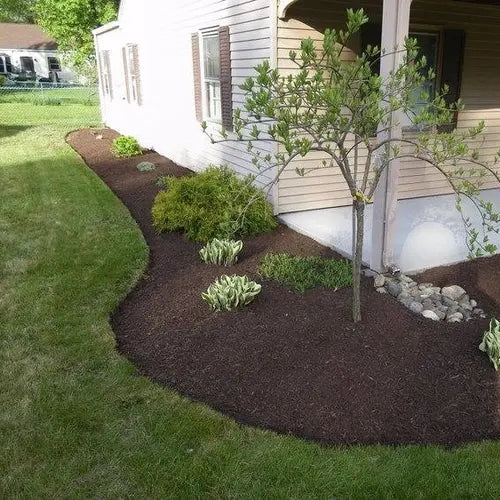
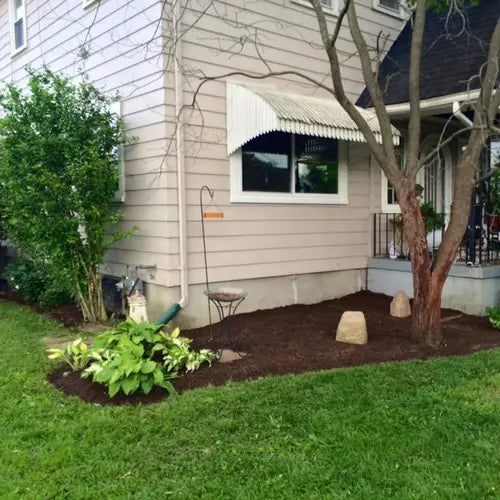



Website was easy to use. Mulch was delivered on time and exactly where specified. It makes our front yard look great just in time for spring!


Couldn't load pickup availability
Thanks! We received your request.
Something went wrong. Please try again.
Measure your beds, pick your depth. In Austin, most homeowners go with 2 to 3 inches for good weed suppression.
Use our free mulch calculator
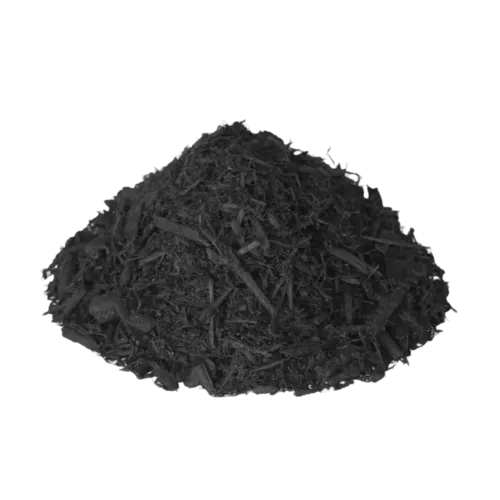
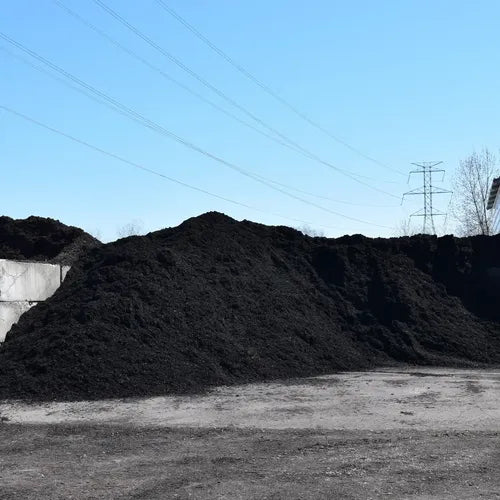
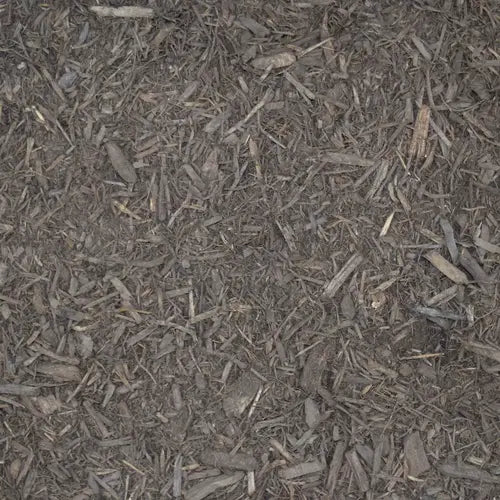
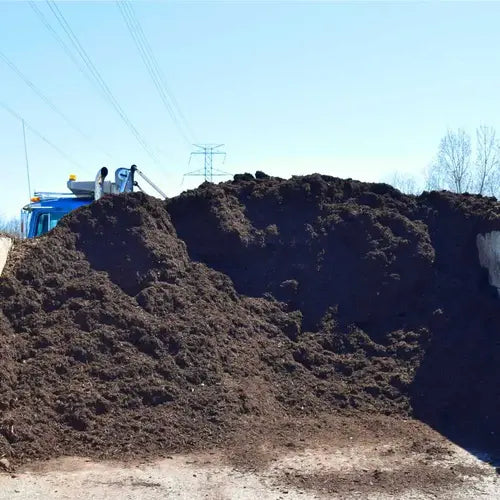
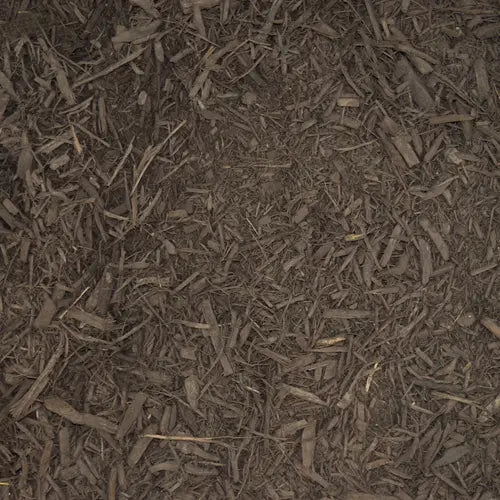
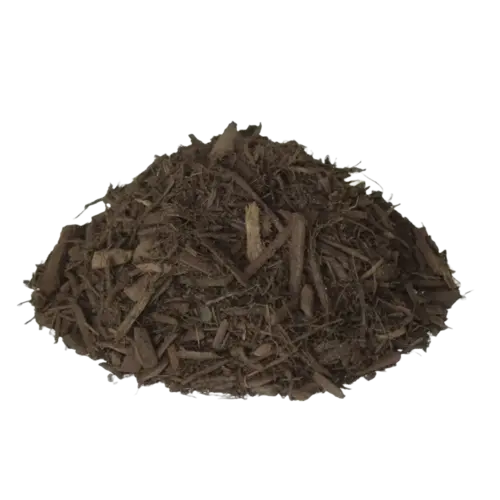
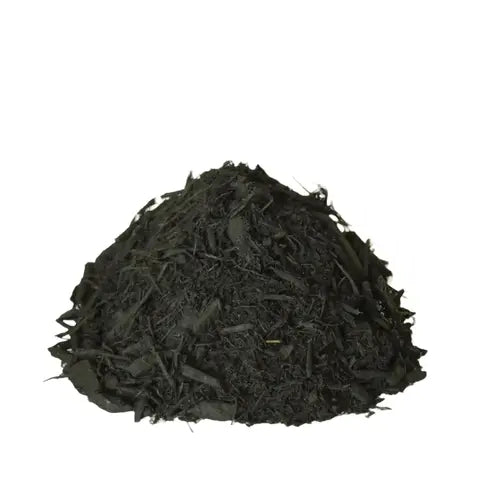
Bold black double shredded mulch that transforms beds instantly. The rich color holds strong through sun and rain, and the smooth texture spreads effortlessly.


Getting started is easy — just follow these simple steps
Make sure you adjust the quantity to your home's needs. You can use our calculator to estimate how much you'll need.
Select a delivery date you'd like for the product to be dropped off at your home
Sit back, wait, and let us work our magic to make sure the highest quality product is delivered to your driveway.
Website was easy to use. Mulch was delivered on time and exactly where specified. It makes our front yard look great just in time for spring!
A GREAT experience! The ordering process was clear and easy. The price was real good and delivery was right on the drive as asked and on time. It i...
A GREAT experience! The ordering process was clear and easy. The price was real good and delivery was right on the drive as asked and on time. It is a real nice product and I had the bags before this product is so much nicer and no bags to deal with or loading and unloading the car which is a BIG nuisance. I’ll be back! Before and after photos enclosed and looks great and the big pile of mulch right on the big tarp and the driver stayed on the driveway which was a great plus!!


 +2
+2
Prompt, accommodating, lovely mulch.
For Austin's Clay/Limestone type of soil, we recommend 2-3 inches for best weed suppression and moisture retention
Try Our CalculatorMulch works best at 2–3 inches deep—enough to suppress weeds and regulate soil temperature. Our Trace from Satellite tool lets you outline beds and get a yardage estimate. Austin yards with black clay soil especially benefit from consistent mulch cover.
Most yards in the Austin area sit on Clay/Limestone type of soil. Compaction and slow drainage can show up, and the soil often trends alkaline in many yards.
Hardwood Mulch
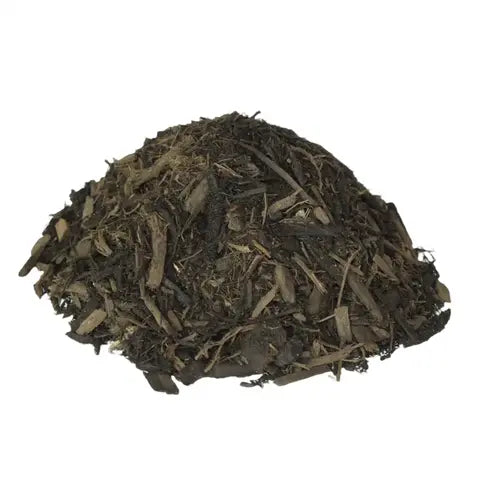
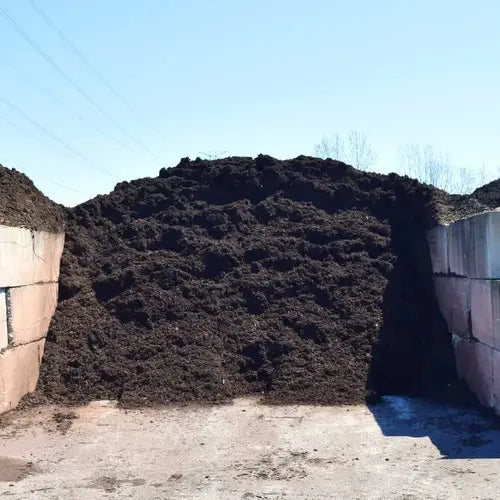
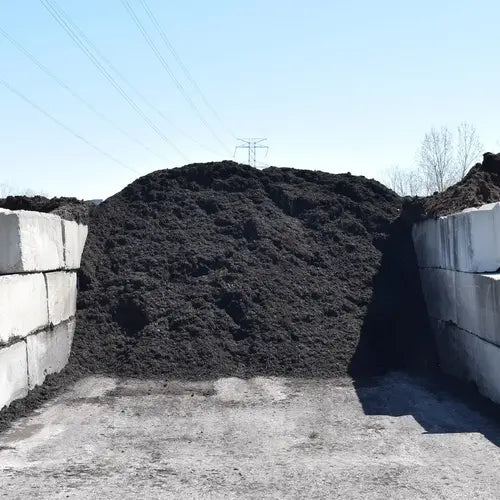
A fresh hardwood mulch layer helps keep moisture consistent and slowly improves soil tilth as it decomposes.
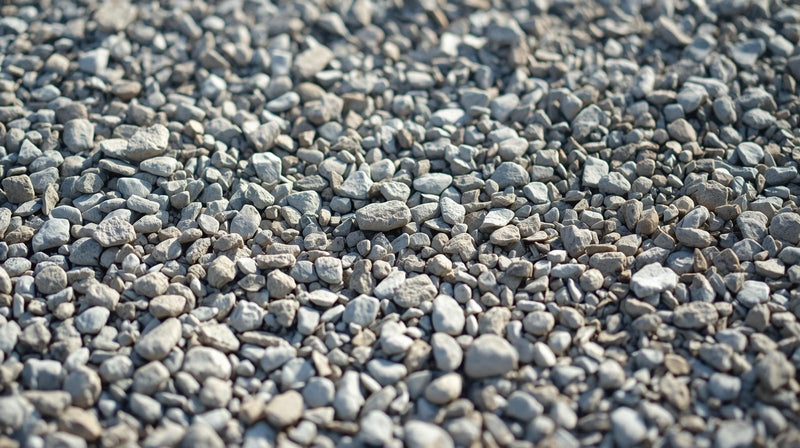
Get more done in one project. Soil builds a better planting base for Austin beds, and stone adds polish to paths and borders. Combine materials for one delivery.
Top dress annually rather than removing old mulch from your beds. The decomposing bottom layer feeds your soil with organic matter and nutrients. Just add 1 to 2 inches of fresh material on top each spring.
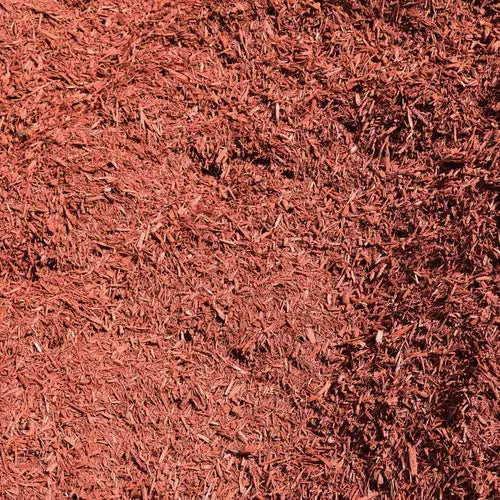
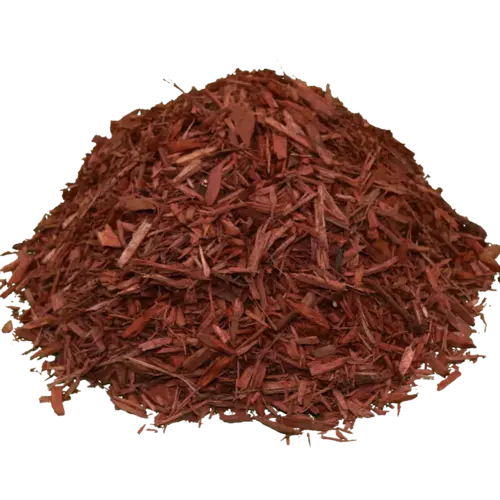
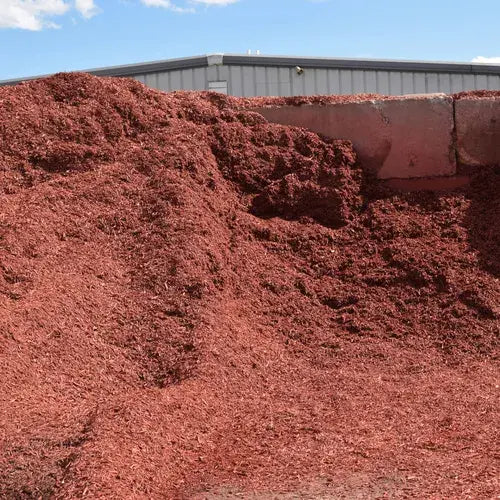
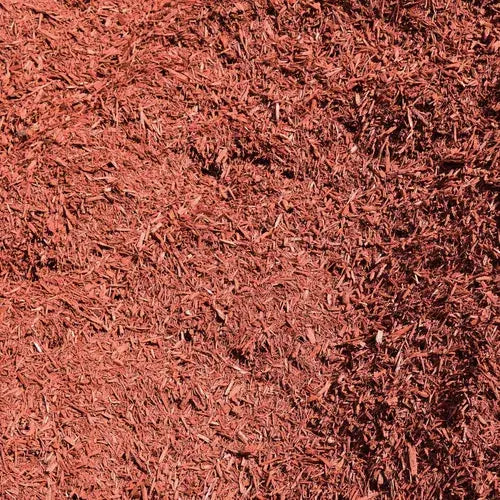
Red dyed mulch fades to pink within a few months in direct sun if not properly UV stabilized during manufacturing. Ask your supplier about colorfastness and dye quality if long-term appearance matters for your project.
Mulch reduces water evaporation from soil by up to 70 percent compared to bare ground. In hot Austin summers, this means significantly less watering, lower water bills, and healthier plants with less effort.
Mulch adds curb appeal and reduces weeding in one move. Austin heat can dry beds fast, so keeping moisture and clean edges matters. In Austin, Texas, a good mulch layer helps beds look finished while holding moisture and limiting weeds. A consistent layer reduces splashback and keeps soil from crusting after rain. Most beds do well with 2–3 inches; don’t pile it against plants. Choose natural hardwood for a classic look, or dyed mulch for bold contrast. Delivery lets you finish the project in one go—no hauling, no repeat trips.
Explore other options for landscape supply delivery in Austin, Texas