





About this mulch

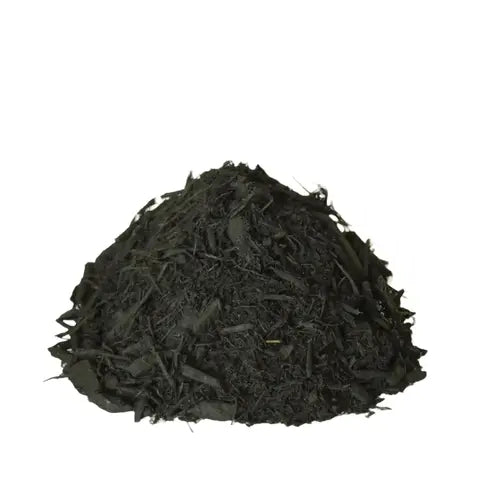
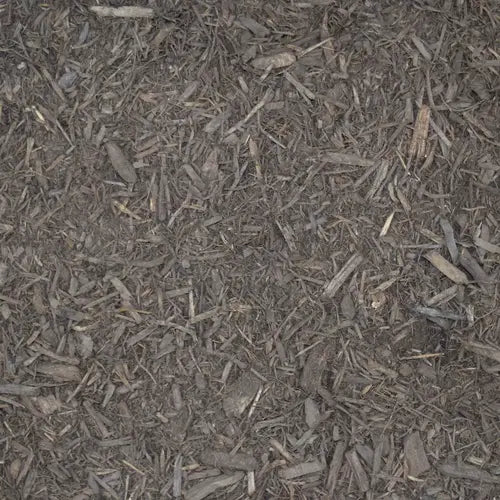
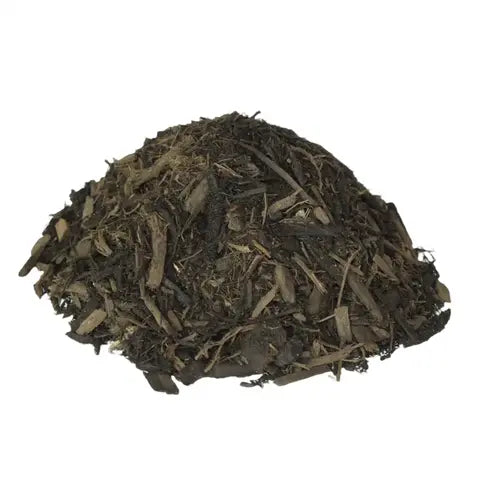
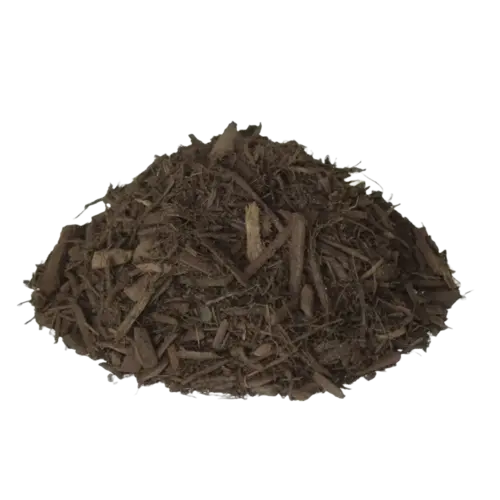
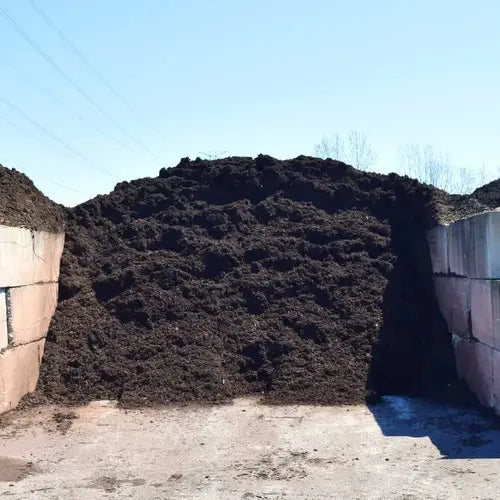
Bold black double shredded mulch that transforms beds instantly. The rich color holds strong through sun and rain, and the smooth texture spreads effortlessly.

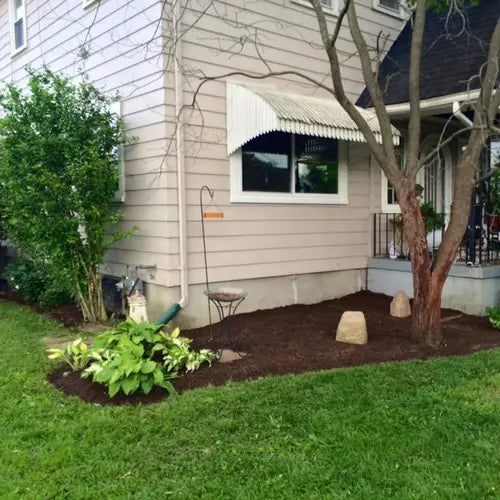
Delivery was on time and great quality Mulch. Got it done in a reasonable time and yard looks great. Couldn’t be happier!!! Thank you and will use again!!

Bellefontaine Mulch Delivery

Bellefontaine Mulch Delivery

4.7
137 reviews
Regular price $60.00 per yard
Regular price Sale price $60.00
Sale Sold out
Color
Style
Minimum of 3
1 tree planted for every order

About this mulch

Bold black double shredded mulch that transforms beds instantly. The rich color holds strong through sun and rain, and the smooth texture spreads effortlessly.

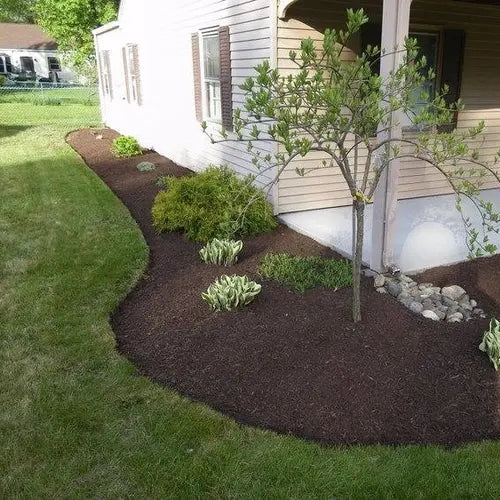
Delivery was on time and great quality Mulch. Got it done in a reasonable time and yard looks great. Couldn’t be happier!!! Thank you and will use again!!

For Bellefontaine's silt loam beds, apply two to three inches of mulch for established plantings and up to four inches in new beds where weed pressure is highest. Avoid piling mulch against stems and crowns, since silt loam's natural moisture retention already creates conditions where crown rot can develop if mulch depth is excessive.
Use our free mulch calculator

A yard is approximately 27 cubic feet. As a general guideline, one yard of material can cover an area of about 100-160 square feet at a 2-3 inch depth.

View full details

How It Works

Getting started is easy — just follow these simple steps

1

Choose your Mulch

Make sure you adjust the quantity to your home's needs. You can use our calculator to estimate how much you'll need.

2

Select your delivery date

Select a delivery date you'd like for the product to be dropped off at your home

3

Sit back and wait

Sit back, wait, and let us work our magic to make sure the highest quality product is delivered to your driveway.

What Bellefontaine Customers Are Saying

4.7
out of 5 based on 137 reviews
Google Reviews

Calculate mulch for your Bellefontaine project

For Bellefontaine's Silt Loam type of soil, we recommend 2-3 inches for best weed suppression and moisture retention

Try Our Calculator
📍

Measure the length and width of each bed in feet, then multiply by your desired depth in feet (three inches equals 0.25 feet) to get cubic feet, and divide by 27 to convert to cubic yards. Bellefontaine beds with silt loam soil tend to need a true three inch application because the surface can crust and compact after rain events, so do not underestimate your coverage area. Ordering a small overage ensures you can top off thin spots without waiting on a second delivery.

Mulch vs. No Mulch: The Difference

Bellefontaine's combination of humid summers and cool falls means organic mulches break down at a moderate pace, adding real organic matter back to the silt loam soil over one to two growing seasons. Natural hardwood mulch takes full advantage of that breakdown cycle, slowly improving soil structure as it decomposes and benefiting the native ground beneath your beds. Dyed mulches use the same wood base but include colorant that helps them retain visual appeal through the long season between April planting and October frost.

Before image
After image
Slider handle
Before
After

Complete Your Outdoor Mulch Project

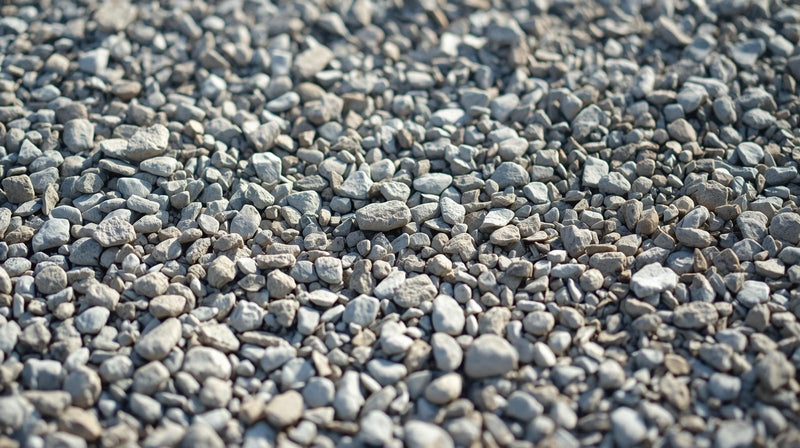
If your beds need rebuilding before mulching, consider pairing your mulch order with a bulk topsoil or garden mix delivery to raise and enrich the planting area first. Decorative stone from our inventory also pairs well with mulch for border edging or path accents common in Bellefontaine landscape designs.

Map of Bellefontaine, Ohio

Areas we deliver mulch in Bellefontaine, Ohio

No cities found for this region.

See All Locations
Mulch Mound Pro Tip

Bellefontaine's silt loam soil compacts fairly readily under foot traffic and heavy equipment. Before you spread mulch each spring, use a cultivating fork to loosen the top inch of soil along bed edges where people walk closest. This small step keeps the interface between your mulch and soil open, improving the moisture and air movement that your plants need during the warm growing months between May and October.

Mulch Mound Pro Tip

With Bellefontaine's first frost typically arriving around October 15, timing your fall mulch refresh matters considerably. Apply your insulating layer in late September, after perennials have started dying back but before the ground begins to freeze at our 1,250 foot elevation. Mulching too early in fall can keep soil warm longer, sometimes encouraging tender late growth that gets damaged by the first hard frost.

Mulch Mound Pro Tip

Bellefontaine receives about 40 inches of rain annually, and much of it arrives in concentrated spring events that can displace lightweight mulch from beds. Coarse shredded hardwood handles that rain load better than fine-textured products because water moves through it rather than sheeting off the surface and carrying material downhill. If you notice mulch washing during storms, apply a slightly heavier layer and consider edging your beds to create a small lip that holds material in place during intense rainfall.

Frequently Asked Questions

Click a question to see the answer

Answer

How thick should I apply mulch over my silt loam beds in Bellefontaine?

Silt loam holds moisture well on its own, so you do not need to overdo it. A two to three inch layer is ideal for most Bellefontaine beds. Going deeper than four inches on silt loam can trap too much moisture against plant crowns, especially during our wet springs when rainfall regularly contributes to 40 inches of annual precipitation.

Answer

Will mulch help protect my plants from Bellefontaine's early fall frosts?

Yes, a proper mulch layer acts as insulation for the root zone when temperatures drop before October 15. Three inches of hardwood mulch can buffer soil temperature swings by several degrees, giving perennials and late-season annuals extra time to harden off before a hard freeze arrives at our 1,250 foot elevation.

Answer

When is the best time of year to apply mulch here in Bellefontaine?

Most local gardeners apply mulch in two waves. The first application comes in early May, just after the April 25 last frost date passes and soils begin warming consistently. A light refresh in late September helps insulate roots heading into the October frost season and extends the finished look of your beds into fall.

Answer

Does Bellefontaine's rainfall wash mulch away from sloped beds?

It can, especially on the rolling terrain around town where beds face downhill runoff during heavy spring storms. Shredded hardwood mulch interlocks better than nugget styles and resists displacement during intense rainfall events. A three inch layer applied after tamping lightly will stay in place through most of our 40 inch annual rainfall.

Answer

How often will I need to replenish mulch in Bellefontaine's climate?

At Bellefontaine's elevation and with our warm summer humidity, organic mulches typically break down within 18 to 24 months. Plan on a fresh application every other spring to maintain depth and to keep weed suppression effective through the full growing season. Dyed mulches hold their color a bit longer but still decompose at roughly the same rate.

Answer

Can I use colored mulch near the foundation of my Bellefontaine home?

Colored mulch works well for foundation beds and stays looking fresh longer than undyed wood. Just keep mulch pulled back about two inches from the foundation itself, since Bellefontaine's wet spring season can push moisture against siding if mulch presses directly against the structure for extended periods.

Answer

What is the difference between natural and dyed mulch for my Bellefontaine yard?

Natural hardwood mulch breaks down faster in our climate and feeds the silt loam soil with organic matter as it decomposes, which is genuinely useful for improving soil structure over time. Dyed mulch maintains a consistent color through the growing season from May through October, which appeals to homeowners focused on curb appeal. Both provide solid weed suppression and moisture retention for Bellefontaine beds.

The Unique Landscape of Bellefontaine

Bellefontaine sits at 1,250 feet elevation in Logan County, where the growing season runs from late April through mid-October and spring soils warm slowly after the last frost around April 25. The native silt loam soil here holds moisture well but can compact over time, leaving plant beds prone to surface crusting that chokes shallow roots and limits water infiltration. A consistent layer of mulch buffers the temperature swings that arrive quickly at this elevation, protecting root zones when an early cold snap pushes in before October 15. With roughly 40 inches of rainfall spread across the year, mulch also slows runoff across sloped beds common in the rolling terrain around Bellefontaine. Without coverage, silt loam surfaces dry and seal after each rain event, making it harder for water to reach roots between storms. Mulch keeps that surface open, reduces weeding labor through the long growing window, and gives your beds a finished appearance from spring planting through fall cleanup.