




Ordered Dirt. Received Dirt. Would Buy Again.
About this soil
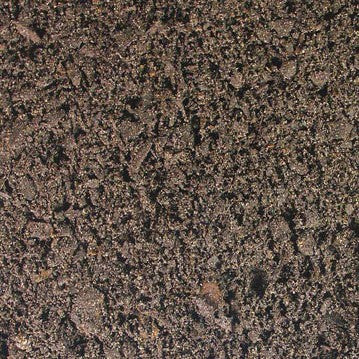
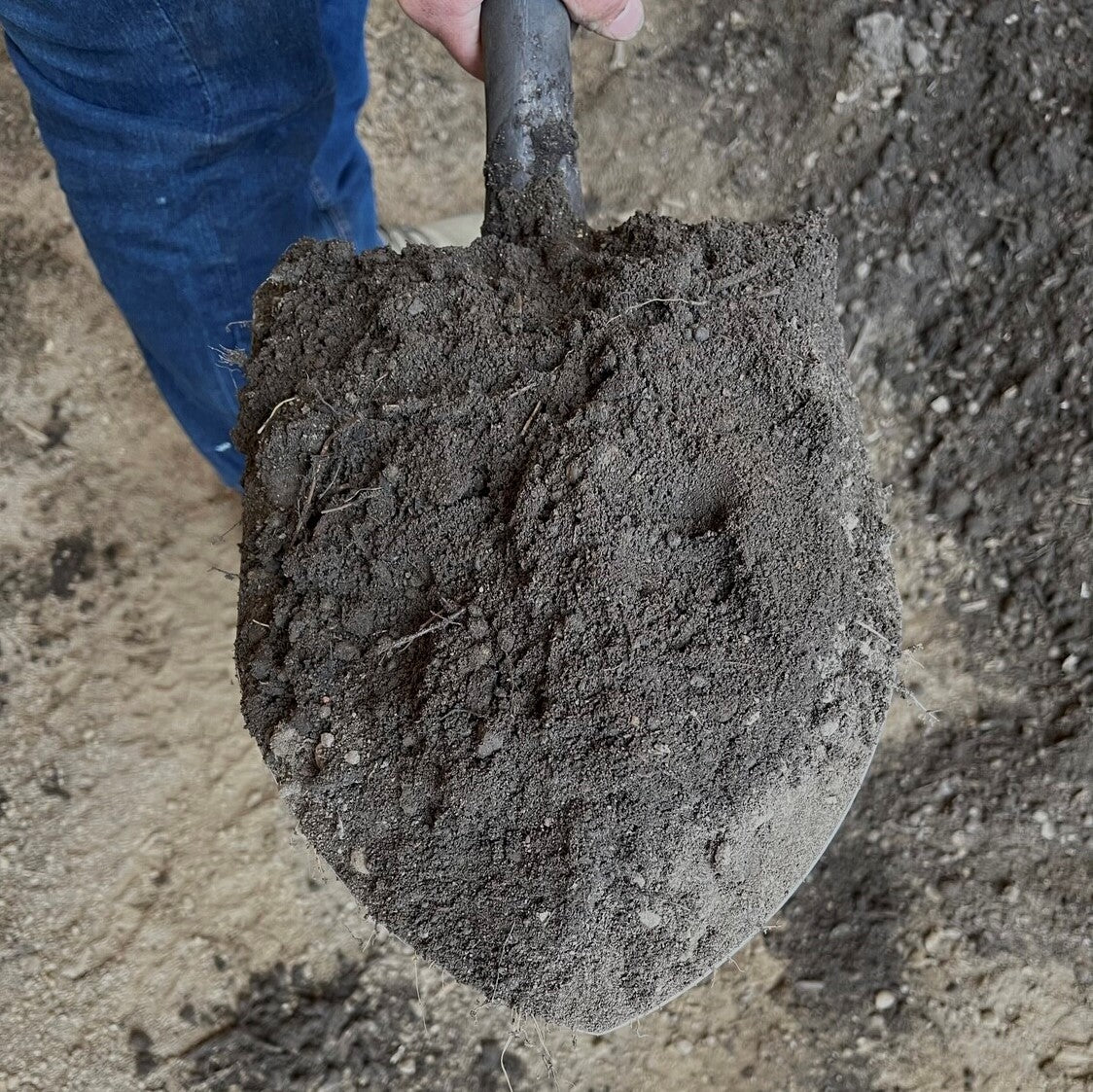
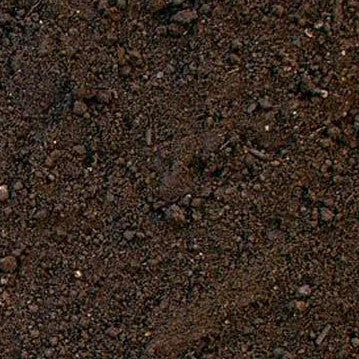
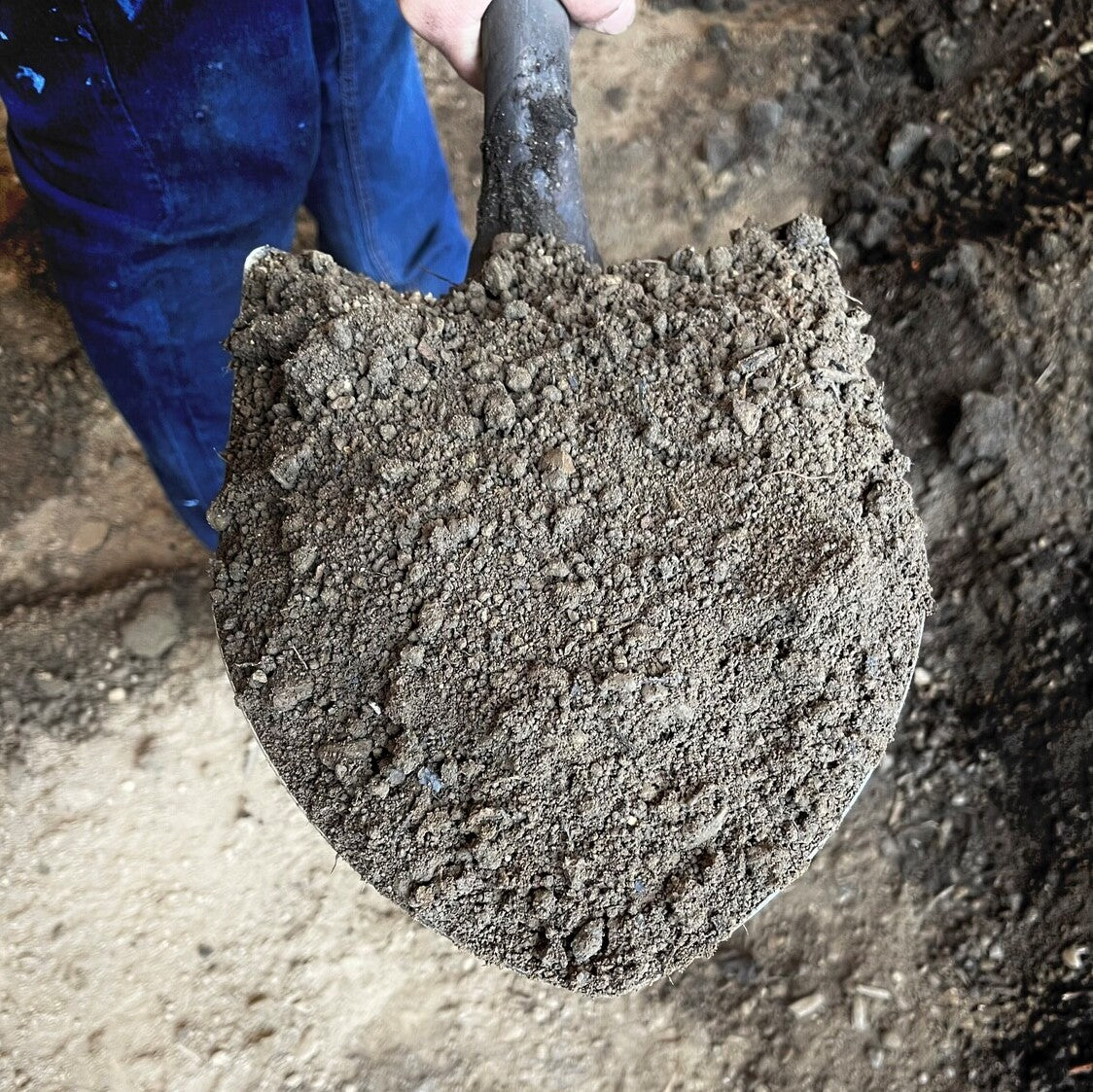
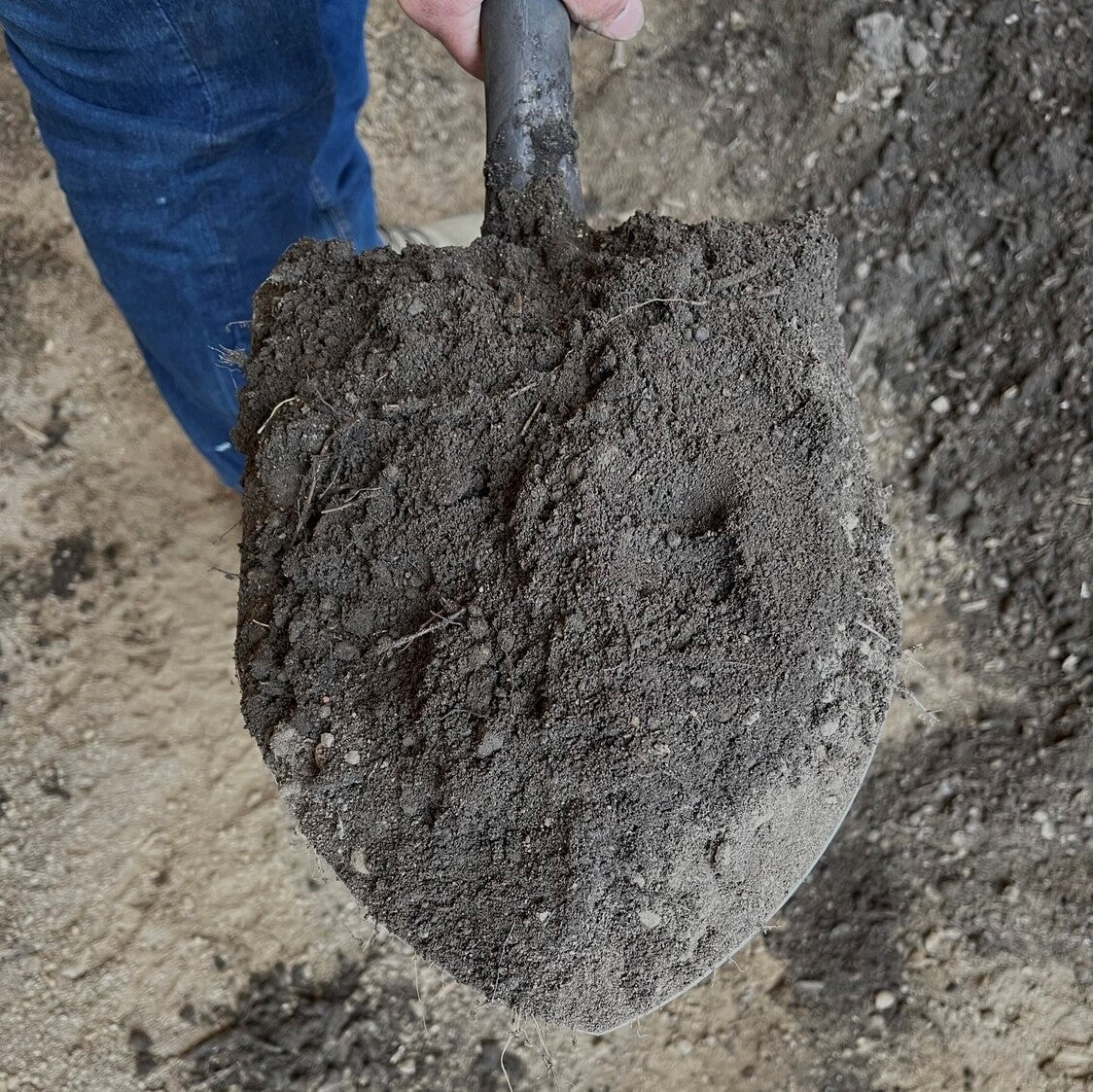
A balanced mix of topsoil and organic amendments ready for raised beds, flower gardens, and new planting areas. Good drainage, solid nutrients, easy to work with.
Ordered Dirt. Received Dirt. Would Buy Again.
Tell us what you're looking for
Thanks! We received your request.
Something went wrong. Please try again.
How Much Material Do I Need?
How Much Material Do I Need?
Measure your space, decide your depth. Bloomington lawn patches run 1 to 2 inches. New planting beds on silt loam ground need more.
Use our free soil calculator
What is a yard?
What is a yard?
FAQs
FAQs
Bloomington Soil Delivery
Bloomington Soil Delivery
Regular price
$62.00
per
yard
Regular price
Sale price
$62.00
Unit price
per
Shipping calculated at checkout.
Minimum of 4 yard
Couldn't load pickup availability
Not currently available
We can't take orders for this right now. Tell us what you need and we'll get back to you.
Hand-picked local yards
4,000+ regional deliveries
Dedicated support
Why order through Mulch Mound
The best local soil, without the guesswork.
We hand-pick and partner with the best yards in your region, keep only the ones our buyers rate well, and back each load with our guarantee.
Mulch Mound Guarantee
If your soil isn't the quantity or quality you ordered, we'll make it right.
About this soil
A balanced mix of topsoil and organic amendments ready for raised beds, flower gardens, and new planting areas. Good drainage, solid nutrients, easy to work with.
Ordered Dirt. Received Dirt. Would Buy Again.
How Much Material Do I Need?
How Much Material Do I Need?
Measure your space, decide your depth. Bloomington lawn patches run 1 to 2 inches. New planting beds on silt loam ground need more.
Use our free soil calculator
What is a yard?
What is a yard?
FAQs
FAQs
Tell us what you're looking for
Thanks! We received your request.
Something went wrong. Please try again.


How It Works
Getting started is easy — just follow these simple steps
1
Choose your soil
Make sure you adjust the quantity to your home's needs. You can use our calculator to estimate how much you'll need.
2
Select your delivery date
Select a delivery date you'd like for the product to be dropped off at your home
3
Sit back and wait
Sit back, wait, and let us work our magic to make sure the highest quality product is delivered to your driveway.


Placing an order online was so easy. Delivery was on time. When the driver realized we had a newly poured driveway they erred on the side of cautio...
Read full review
Placing an order online was so easy. Delivery was on time. When the driver realized we had a newly poured driveway they erred on the side of caution and opted not ti drive in it. The company even sent me a message explaining that call. Would recommend!
Need Help Calculating How Much Soil You Need?
Use our NEW Trace from Satellite tool to get an estimate for your project based on an aerial view of your property
Try Our Calculator1
Soil Types We Deliver in Bloomington
If you have been searching for bulk topsoil by the yard in Bloomington, Mulch Mound delivers directly to your address with flexible cubic-yard quantities for any project size. South-central Indiana's clay-heavy native ground often needs quality amendment or a fresh top layer, and our locally stocked soils are matched to what this region's landscapes actually require. From a small raised bed to a full lawn renovation, we make ordering and delivery simple.
Screened Top Soil
Our screened topsoil is sifted to a fine, even texture that spreads and rakes cleanly over bare ground. It works well for new lawn installations, sod prep, and leveling low spots. Yards with heavy clay subsoil benefit from a fresh layer of screened topsoil to give grass and new plantings a stronger start.
Gardening Blend
This balanced mix of topsoil and organic amendments arrives ready to use straight from the truck. It drains well while retaining enough moisture for flowers, vegetables, and new plantings, making it a solid choice for the warm, humid summers typical of south-central Indiana. Both raised beds and established garden spaces benefit from this blend.
Garden Compost
Garden compost is a nutrient-rich organic amendment that works well mixed into the top layer of existing beds or incorporated into new planting areas. For gardens dealing with compacted or clay-heavy soil, regular compost additions build a looser, more fertile structure over time. It suits vegetables, perennials, and any plantings that need improved soil health.
Complete Your Outdoor Soil Project
Prep your Bloomington beds with soil, protect them with mulch, define them with stone. A layered approach works best. Order together and save trips.


Service area
Areas we deliver soil in Bloomington, Indiana
Mulch Mound Pro Tip
Leaf compost mixed with topsoil improves silt loam soil structure better than peat moss alone. It also adds beneficial soil microbes and provides slow-release nutrients over the growing season.
Mulch Mound Pro Tip
Check soil drainage after filling low spots or creating new beds. Dig a test hole, fill with water, and time how long it takes to drain. More than an hour means poor drainage needs addressing.
Mulch Mound Pro Tip
Bloomington yards with native silt loam soil often need drainage amendments mixed into topsoil. Add sand to clay, compost to sand, and organic matter to both for best results with any soil type.
The Unique Landscape of Bloomington
Fresh soil helps Bloomington gardeners shape clean edges, fill low spots, and set new plants confidently. Foot traffic and weather over time can tighten soil and make planting harder, so a fresh layer helps you re-level and plant cleanly. Ideal for leveling small lawn repairs, refreshing beds, and filling after hardscape work. Spread in thin lifts, rake smooth, and water lightly so it settles before planting.