Good quality, great price, fast delivery. All online - no submitting forms and waiting for days for quotes. Getting mulch should be this easy from everyone. Only Mulch Mound is ACTUALLY this simple.
Tell us what you're looking for
Thanks! We received your request.
Something went wrong. Please try again.
How Much Material Do I Need?
Spread hardwood mulch 3 inches deep in planting beds and 2 to 3 inches around trees, keeping it off the trunk flare. Going thinner than 2 inches will not hold moisture through a Bullhead City summer.
Use our free mulch calculator
What is a yard?
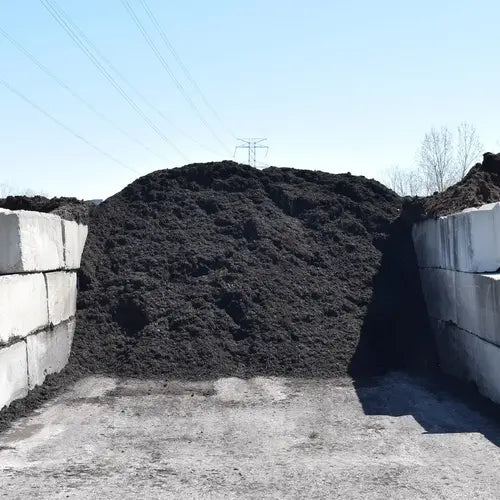
A yard is approximately 27 cubic feet. As a general guideline, one yard of material can cover an area of about 100-160 square feet at a 2-3 inch depth.
Good quality, great price, fast delivery. All online - no submitting forms and waiting for days for quotes. Getting mulch should be this easy from everyone. Only Mulch Mound is ACTUALLY this simple.
How Much Material Do I Need?
Spread hardwood mulch 3 inches deep in planting beds and 2 to 3 inches around trees, keeping it off the trunk flare. Going thinner than 2 inches will not hold moisture through a Bullhead City summer.
Use our free mulch calculator
What is a yard?
A yard is approximately 27 cubic feet. As a general guideline, one yard of material can cover an area of about 100-160 square feet at a 2-3 inch depth.
Good quality, great price, fast delivery. All online - no submitting forms and waiting for days for quotes. Getting mulch should be this easy fr...
Read full review
Good quality, great price, fast delivery. All online - no submitting forms and waiting for days for quotes. Getting mulch should be this easy from everyone. Only Mulch Mound is ACTUALLY this simple.
I highly recommend Mulch Mound. The quality of the mulch is very good. The ordering system on their website makes it very easy. The delivery driver...
Read full review
I highly recommend Mulch Mound. The quality of the mulch is very good. The ordering system on their website makes it very easy. The delivery driver did a great job placing the mulch on the driveway. To finish off, the pricing was very reasonable as well.
They offered a quick turnaround and delivered high quality mulch at a reasonable price. They also dropped it off exactly where I told them to put i...
Read full review
They offered a quick turnaround and delivered high quality mulch at a reasonable price. They also dropped it off exactly where I told them to put it. Good service!
Measure each bed separately in feet, since most Bullhead City yards have several irregular shapes rather than one big rectangle. For curved beds along a driveway, average the widest and narrowest points to get a workable width. Multiply length by width for square footage, then let the calculator convert to cubic yards at your chosen depth.
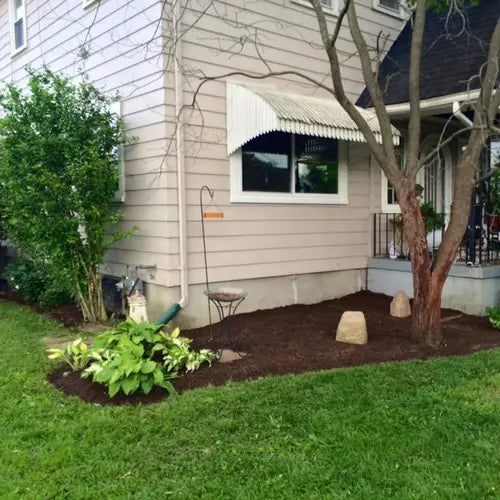
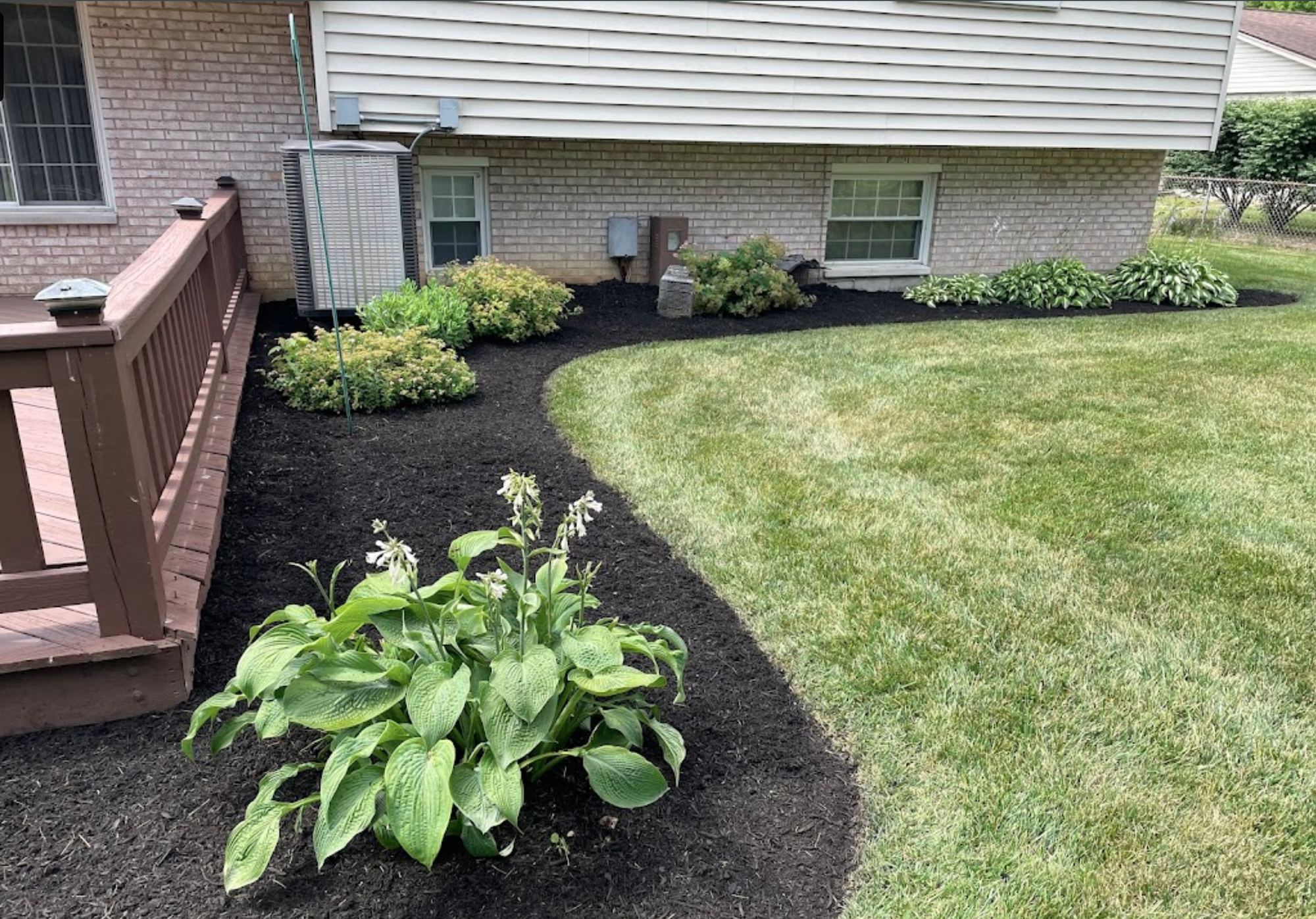
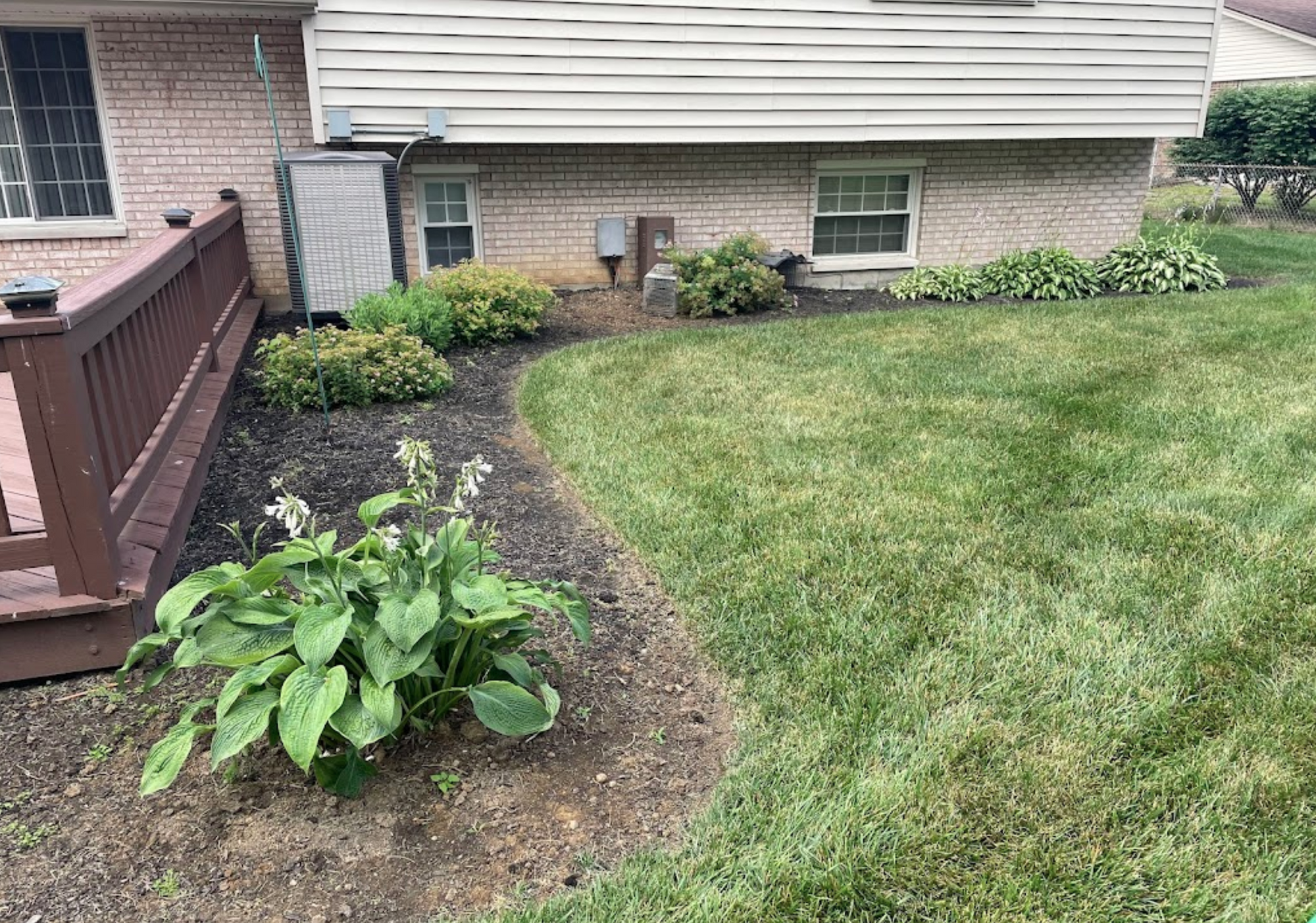
Mulch vs. No Mulch: The Difference
Bullhead City averages about 5 inches of rain a year with summer highs well above 110 degrees, which changes how mulch behaves compared to wetter climates. Decomposition is driven by moisture, so organic mulch here breaks down slowly and lasts far longer than the 12 month cycle common in the Midwest or Southeast. What does happen fast is UV bleaching, so the surface color fades long before the material itself is spent.
Before
After
Best Mulch Choice for Bullhead City Lawns
Most yards in the Bullhead City area sit on type of soil. Sandy loam in the Mohave Valley drains so quickly that irrigation water often passes below the root zone before shallow rooted shrubs and perennials can use it. It also holds very little organic matter, so nutrients wash through instead of staying available to plants.
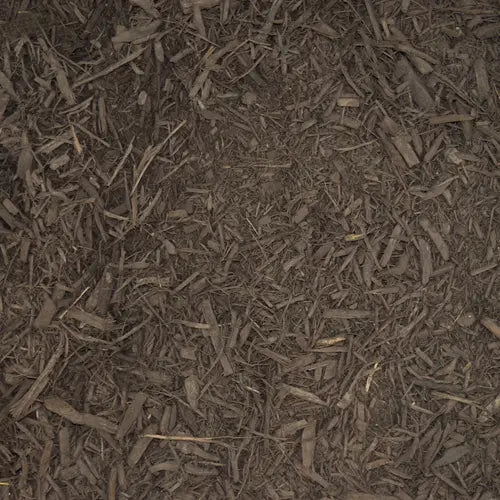
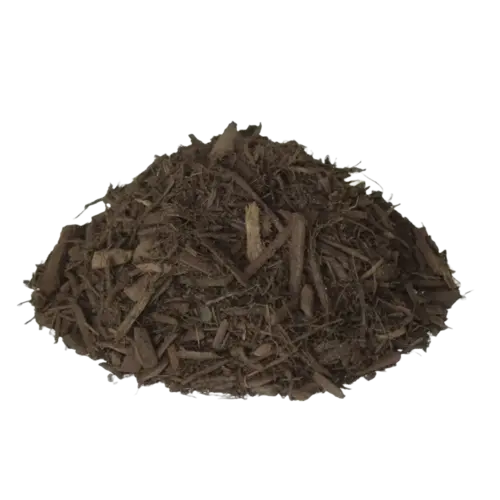
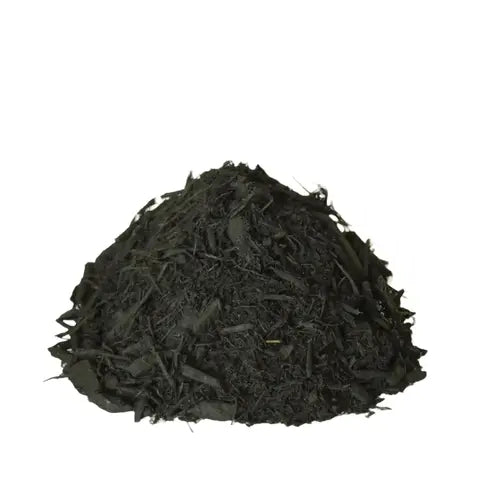
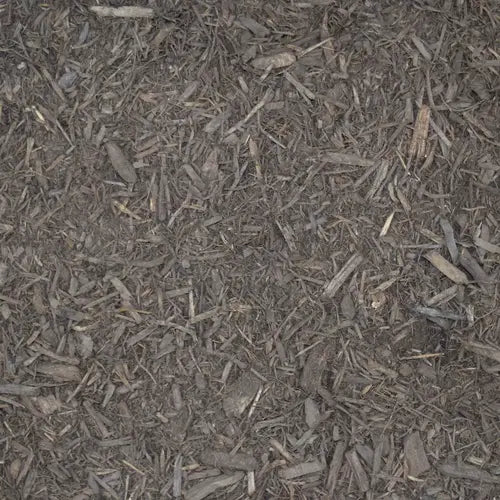
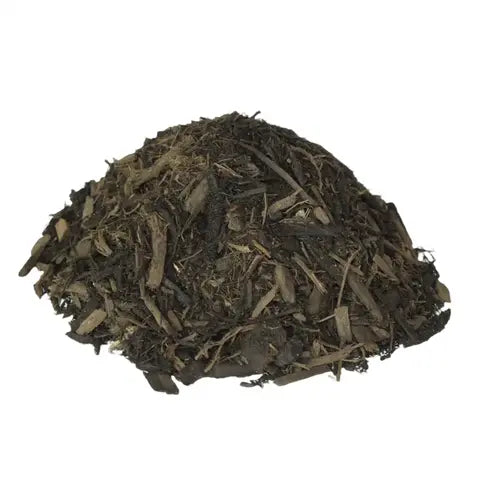
Hardwood Mulch
Shredded hardwood mulch addresses both problems at once by shading the surface and slowly feeding organic matter into the sandy loam as its lower layer breaks down. That added organic matter improves the soil's ability to hold water and nutrients, so each irrigation cycle goes further and your plants root deeper over time.
Complete Your Outdoor Mulch Project
Pair your mulch order with a few yards of compost enriched garden soil to work into sandy loam beds before spreading, and add decorative stone for the foundation perimeter strip where mulch should not go.
Water your beds deeply the day before mulch arrives. Sandy loam that is bone dry will pull moisture out of fresh mulch instead of the other way around, and you will end up with a dry layer sitting on dry soil. Pre soaking to 8 or 10 inches gives your plants a reservoir, and then the mulch goes on top to seal that moisture in. This one step makes a noticeable difference in how plants handle the first heat wave after mulching.
Mulch Mound Pro Tip
Do not use landscape fabric under mulch in Bullhead City. It blocks the organic matter from working down into sandy loam, which is the long term benefit you are paying for. It also traps heat against the soil surface and eventually clogs with dust, causing irrigation water to sheet sideways instead of soaking in. If weeds are your concern, a full 3 inch mulch depth and spot treatment work better and cost less.
Mulch Mound Pro Tip
Refresh the top inch of mulch every 12 to 18 months rather than dumping a full new layer on top. Our intense UV bleaches and lightens the surface long before the material has actually broken down, so the mulch underneath is usually still doing its job. Rake the old layer to break up any crust, then top dress with an inch of fresh hardwood. You get the color back without building up an overly deep layer that holds pests.
Frequently Asked Questions
Click a question to see the answer
Answer
Will mulch blow away in the wind we get coming up the Colorado River valley?
Fine, dry mulch will move in a 30 mile per hour gust, which Bullhead City sees regularly in spring. Choose double shredded hardwood, which knits together into a mat, rather than nuggets or chips. Water the pile thoroughly after spreading so it settles and locks together, and keep it 3 inches deep so there is enough weight to stay put.
Answer
How fast does mulch break down here with almost no rain?
Slower than almost anywhere else in the country. Decomposition needs moisture and microbial activity, and our 5 inches of annual rainfall means the only water your mulch sees is what your drip system delivers. Expect a hardwood layer to last 18 to 30 months in Bullhead City, though the top surface will sun bleach to gray within one summer.
Answer
Does mulch actually help with our sandy loam, or does the water just drain through anyway?
It helps significantly. Sandy loam drains fast, but the bigger problem is the top inch drying to powder within hours of irrigation. Mulch stops that surface crust from forming and slows evaporation so water has time to move down to roots instead of escaping upward. Over time, the bottom layer breaks down and adds organic matter, which is exactly what sandy loam lacks.
Answer
Will mulch attract scorpions or roaches around my house?
Any cool, moist habitat can shelter desert pests, so keep mulch pulled back 12 to 18 inches from your foundation and slab edges. Use a gravel or bare soil strip at the perimeter and reserve mulch for planting beds farther out. Keeping the layer at 3 inches rather than 5 or 6 also reduces the damp hiding space that bark scorpions prefer.
Answer
Can I put mulch over my drip irrigation lines?
Yes, and in Bullhead City you should. Drip tubing left exposed to direct sun degrades and cracks within a few seasons at our UV levels. Burying the lines under 3 inches of mulch protects the tubing, cuts evaporation at each emitter, and keeps the water going into the soil. Just flag your emitter locations before you spread so you can find them later.
Answer
Is it too hot to spread mulch in July?
It is workable if you start at sunrise and finish before 9 in the morning, but most Bullhead City homeowners schedule mulching for October through April. If you must do it in midsummer, water your beds deeply the night before, spread early, and water again lightly afterward so the fresh mulch settles instead of blowing around.
Answer
How many cubic yards do I need for a typical Bullhead City front yard bed?
A common front bed here runs 200 to 400 square feet. At 3 inches deep, 200 square feet takes about 2 cubic yards and 400 square feet takes about 3.7 cubic yards. One cubic yard covers roughly 108 square feet at 3 inches. Measure your beds, add them up, and round up a partial yard rather than coming up short.
The Unique Landscape of Bullhead City
Bullhead City sits in the Mohave Valley at about 925 feet, where summer afternoons regularly push past 115 degrees and the Colorado River does nothing to cool the air more than a few blocks inland. With roughly 5 inches of rain a year, every drop of irrigation water you apply is competing against evaporation the second it hits bare sandy loam. Mulch is the barrier that keeps that water in the root zone instead of steaming off the surface by mid morning. A 3 inch blanket over a bed can drop soil temperature at root depth by 15 to 25 degrees compared to exposed ground, which keeps roots functioning through July and August instead of going dormant. In a Zone 10a landscape with no meaningful frost season, plants grow nearly year round, and mulch is what makes that possible without tripling your water bill.