




Good quality top soil and was delivered exactly where I wanted it. Nice Job!
About this soil
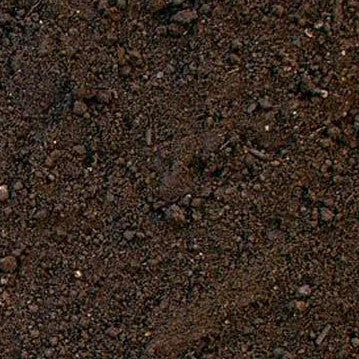
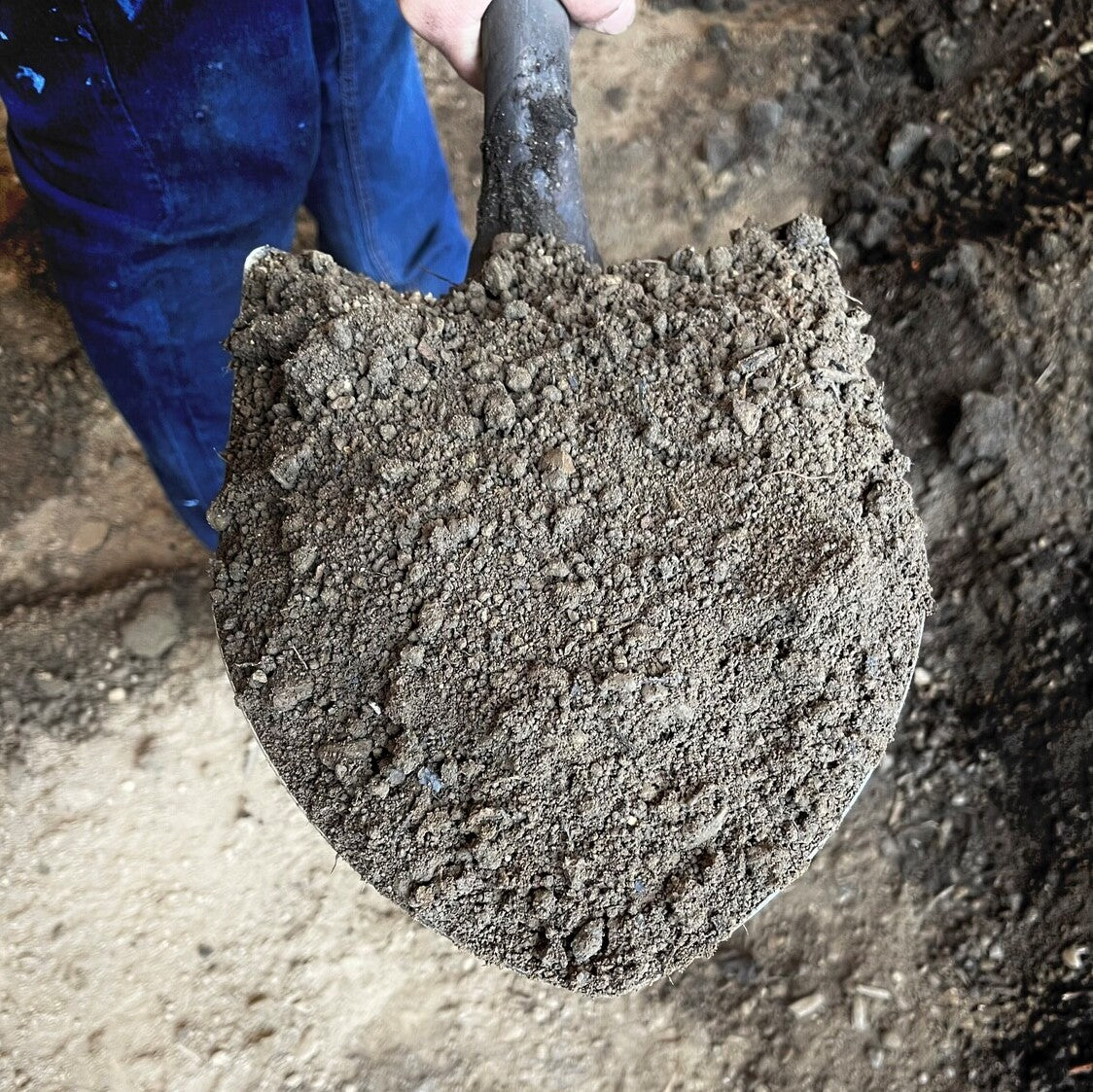
Screened topsoil with a fine, even texture. Ideal for new lawns, sod prep, and raised garden beds.
Good quality top soil and was delivered exactly where I wanted it. Nice Job!
Tell us what you're looking for
Thanks! We received your request.
Something went wrong. Please try again.
How Much Material Do I Need?
How Much Material Do I Need?
Plan on 4 to 6 inches of blended soil tilled into existing beds and 12 to 18 inches for raised vegetable beds. One cubic yard covers about 65 square feet at 5 inches deep.
Use our free soil calculator
What is a Yard?
What is a Yard?
FAQs
FAQs
Bullhead City Soil Delivery
Bullhead City Soil Delivery
Regular price
$64.00
per
Yard
Regular price
Sale price
$64.00
Unit price
per
Shipping calculated at checkout.
Minimum of 3 Yard
Couldn't load pickup availability
Not currently available
We can't take orders for this right now. Tell us what you need and we'll get back to you.
Hand-picked local yards
4,000+ regional deliveries
Dedicated support
Why order through Mulch Mound
The best local , without the guesswork.
We hand-pick and partner with the best yards in your region, keep only the ones our buyers rate well, and back each load with our guarantee.
Mulch Mound Guarantee
If your isn't the quantity or quality you ordered, we'll make it right.
About this soil
Screened topsoil with a fine, even texture. Ideal for new lawns, sod prep, and raised garden beds.
Good quality top soil and was delivered exactly where I wanted it. Nice Job!
How Much Material Do I Need?
How Much Material Do I Need?
Plan on 4 to 6 inches of blended soil tilled into existing beds and 12 to 18 inches for raised vegetable beds. One cubic yard covers about 65 square feet at 5 inches deep.
Use our free soil calculator
What is a Yard?
What is a Yard?
FAQs
FAQs
Tell us what you're looking for
Thanks! We received your request.
Something went wrong. Please try again.
How It Works
Getting started is easy — just follow these simple steps
1
Choose your soil
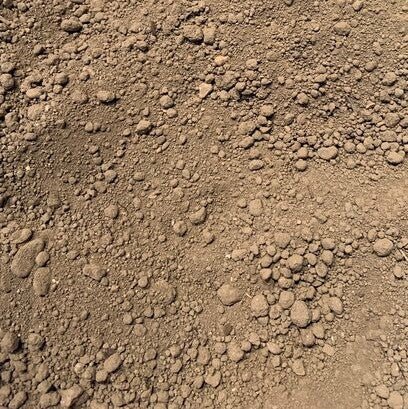
Make sure you adjust the quantity to your home's needs. You can use our calculator to estimate how much you'll need.
2
Select your delivery date
Select a delivery date you'd like for the product to be dropped off at your home
3
Sit back and wait
Sit back, wait, and let us work our magic to make sure the highest quality product is delivered to your driveway.

Online ordering was really simple and I liked the transparent pricing.

Easy to order, great service, and great product. We enjoy the final look of a very neglected beds we inherited!
Need Help Calculating How Much Soil You Need?
Use our NEW Trace from Satellite tool to get an estimate for your project based on an aerial view of your property
Try Our CalculatorMeasure the length and width of each area in feet and decide on your target depth in inches before you calculate. For raised beds, measure the inside dimensions rather than the outside frame, which can throw your total off by a fair margin on a multi bed setup. Soil settles roughly 10 to 15 percent after watering, so order a little extra.
Complete Your Outdoor Soil Project
Finish new soil installations with 3 inches of hardwood mulch on top to lock in moisture, and add decorative stone for pathways and the perimeter areas around your improved beds.
Service area
Areas we deliver soil in Bullhead City, Arizona
Mulch Mound Pro Tip
Mix imported soil into the top few inches of your native sandy loam instead of layering it on like a cake. A sharp boundary between two different soil textures creates what is called a perched water table, where moisture stops at the interface instead of moving down. Roots then stay shallow and vulnerable to Bullhead City heat. Run a tiller or turning fork through the transition zone so the blend is gradual and roots keep going.
Mulch Mound Pro Tip
Get a soil test before you spend money on amendments. Mohave Valley soils are usually alkaline, often in the 7.8 to 8.3 pH range, which locks up iron and causes the yellow leaves with green veins you see on citrus and roses all over town. Knowing your starting pH tells you whether to add sulfur, chelated iron, or simply more organic matter, instead of guessing and wasting product.
Mulch Mound Pro Tip
Water new soil in thoroughly before planting into it. Dry compost blends can be hydrophobic, meaning water beads up and rolls off rather than soaking in, and in Bullhead City heat a fresh bed can dry to that state within a day. Soak the bed slowly, let it sit overnight, then soak again. You will get even moisture through the profile and can plant into a root zone that is actually ready.
The Unique Landscape of Bullhead City
The native ground in most Bullhead City neighborhoods is a sandy loam laid down by the Colorado River and its old floodplain, sometimes with caliche or a hard compacted layer just below the surface. It drains beautifully, which is a real advantage in a place that gets 5 inches of rain a year, but it holds almost no organic matter and very little moisture. Plants set directly into that native material tend to survive rather than thrive, because water and nutrients move past the roots faster than they can be used. Bringing in a blended garden soil or topsoil with real compost content is how you build a root zone that actually retains what you irrigate. In Zone 10a where the growing season never really stops, that improved soil pays you back every month of the year, not just in spring and summer.