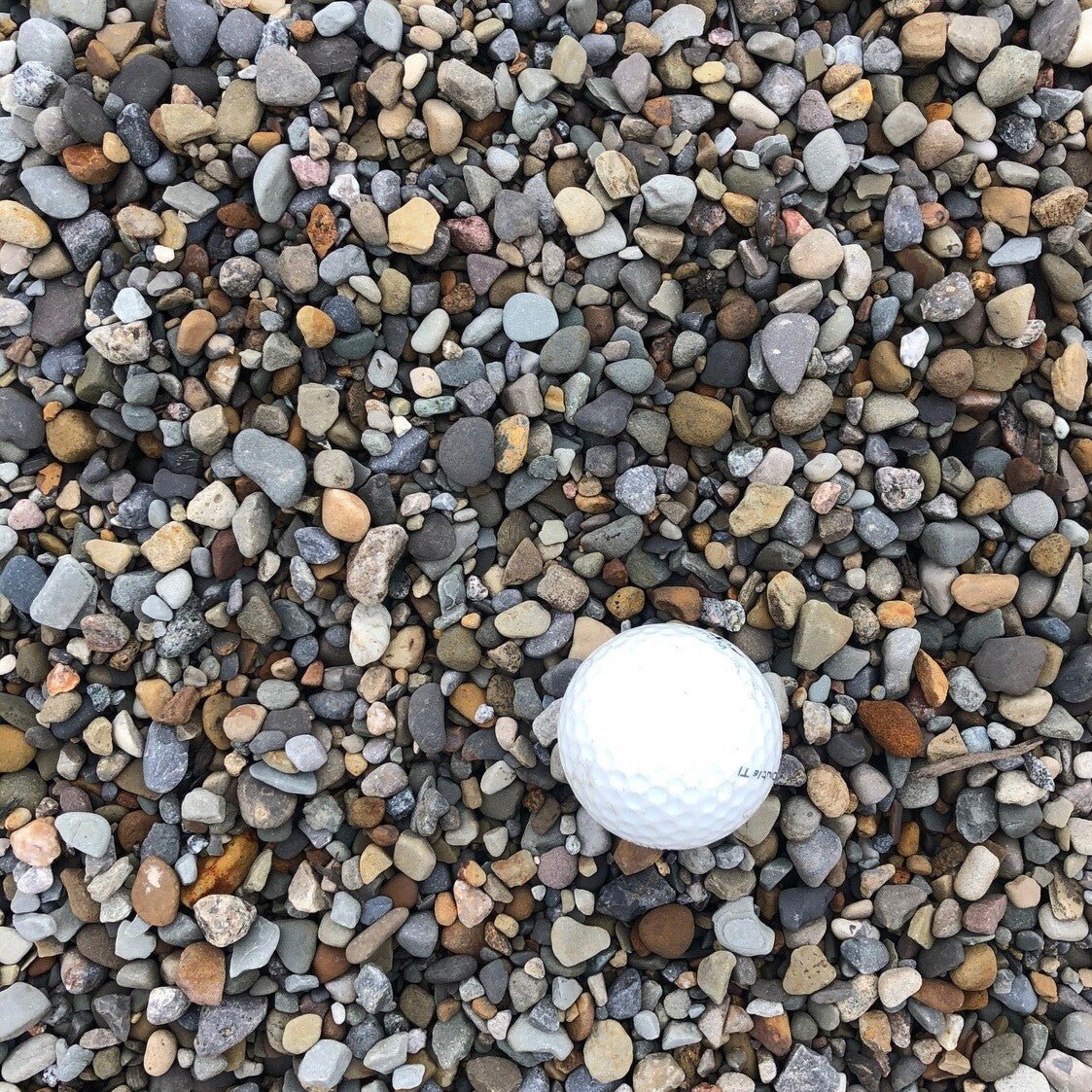
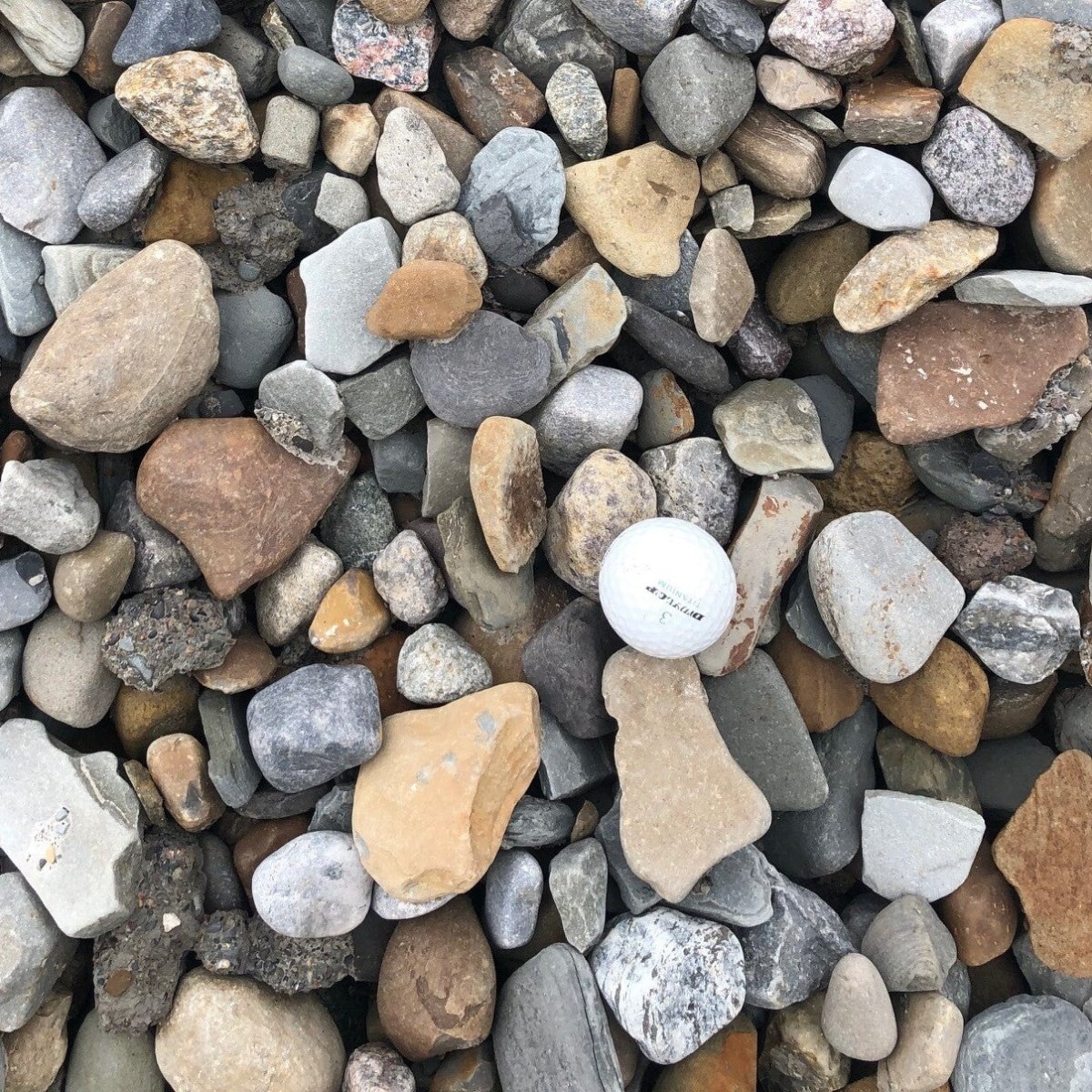
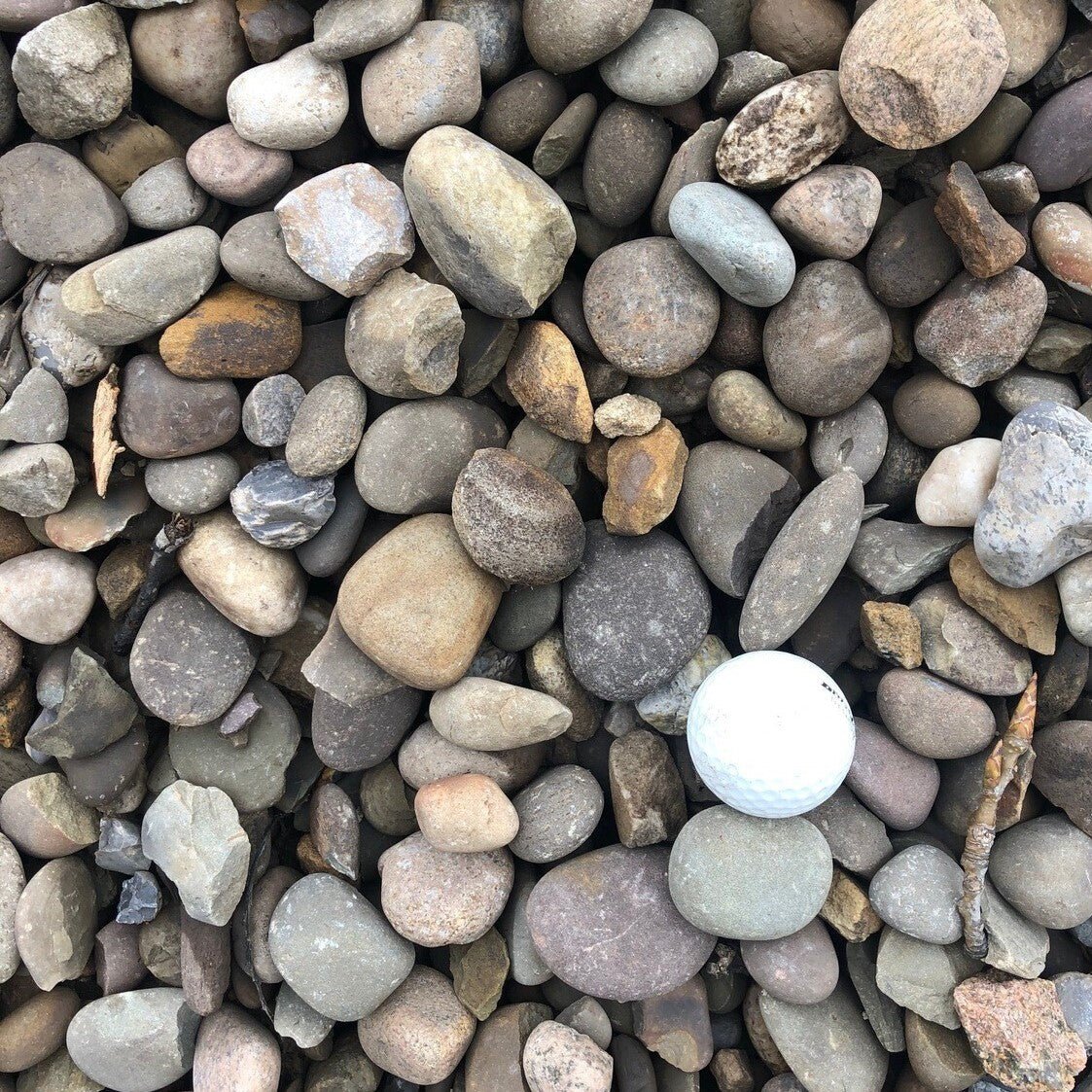
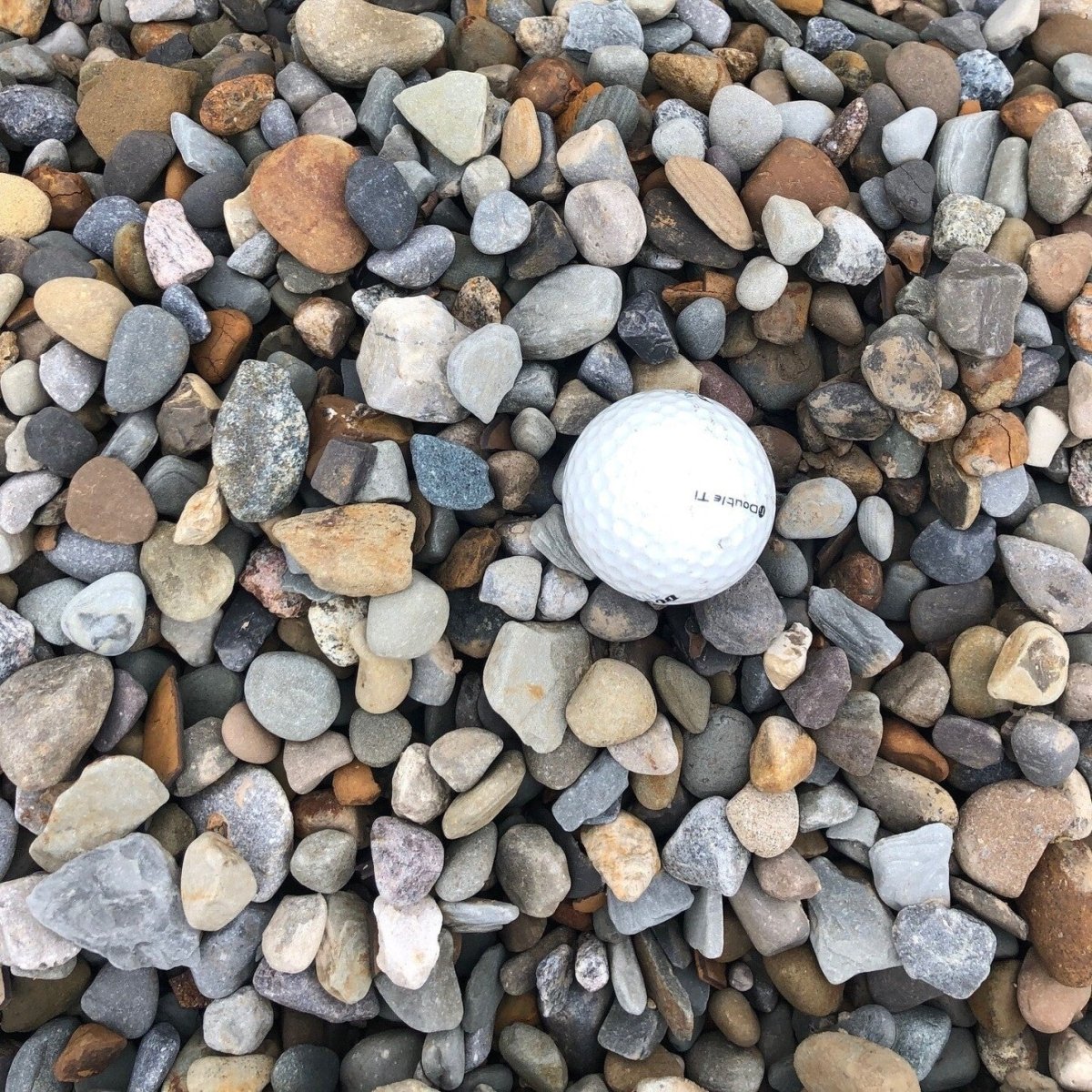
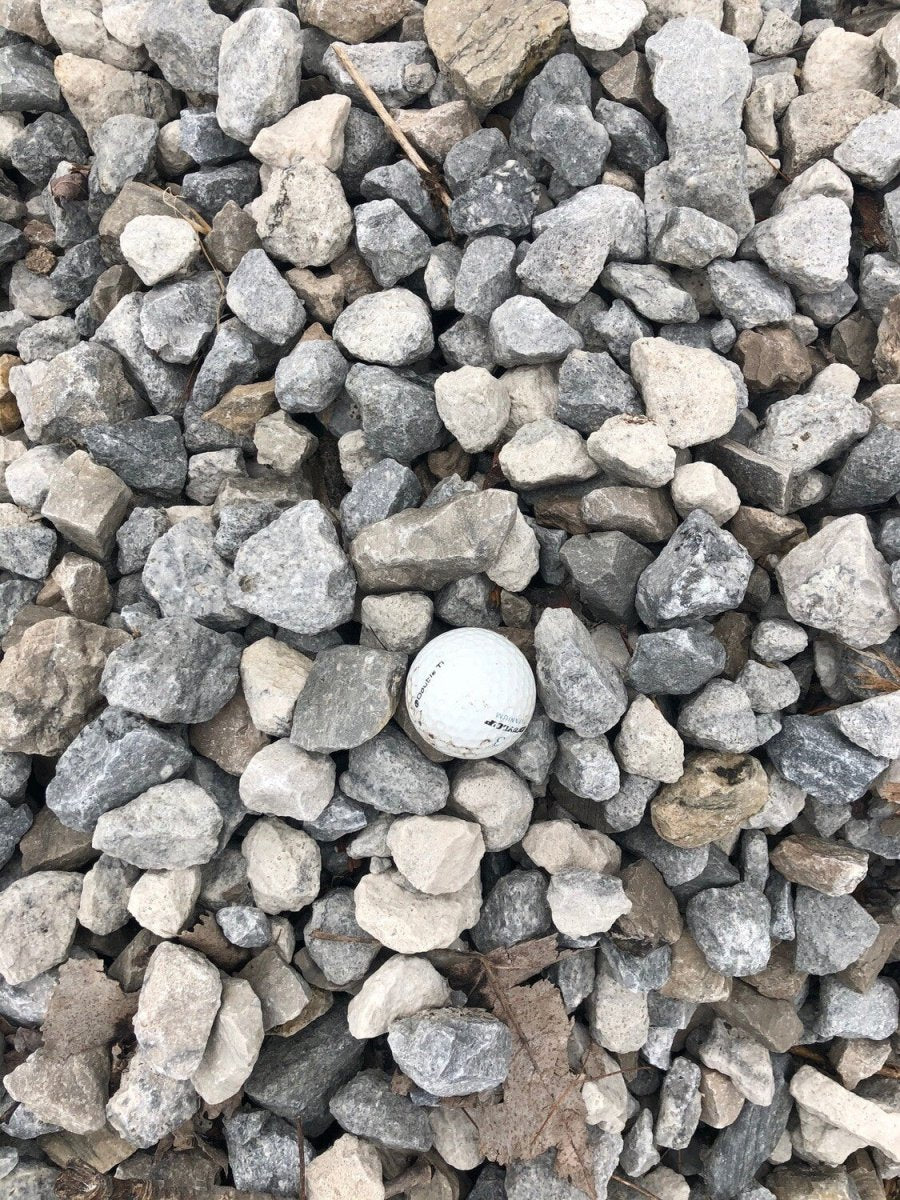
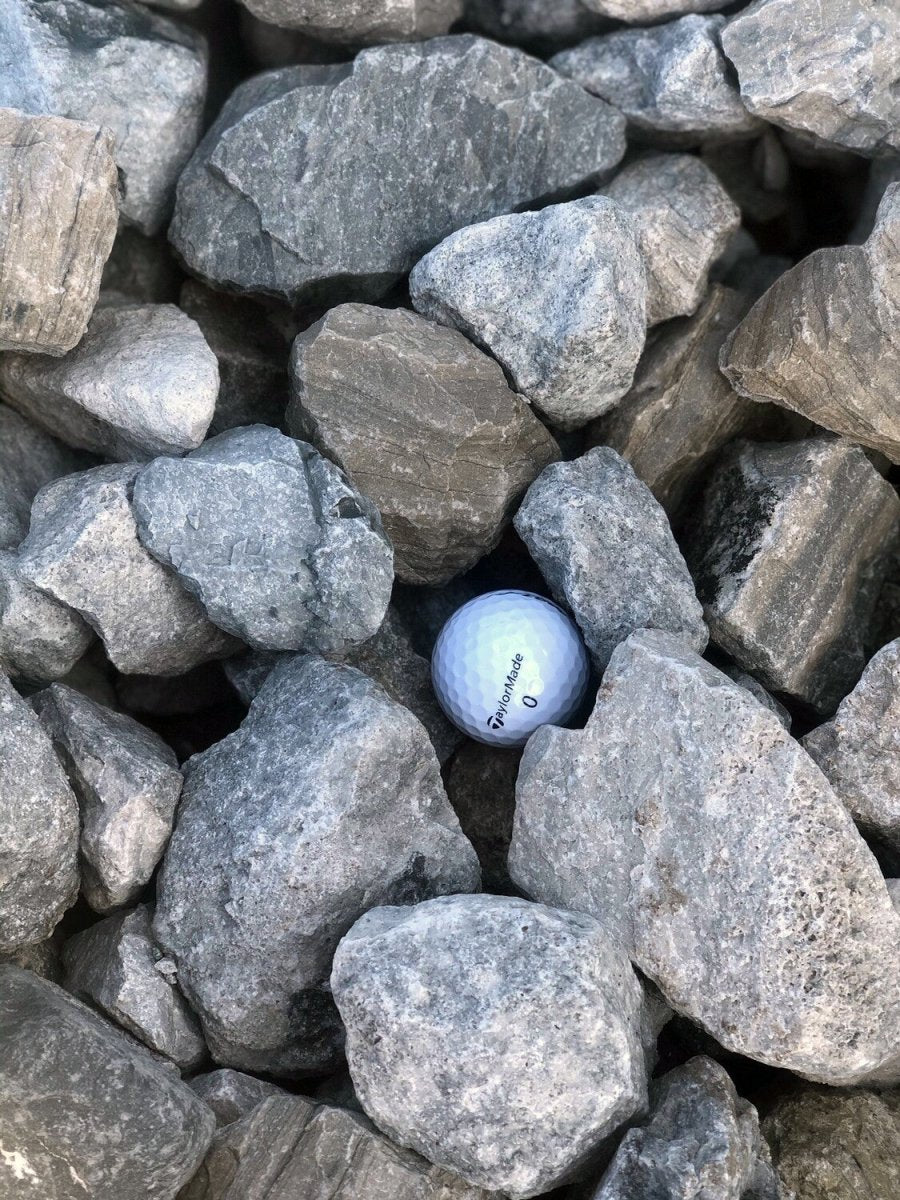
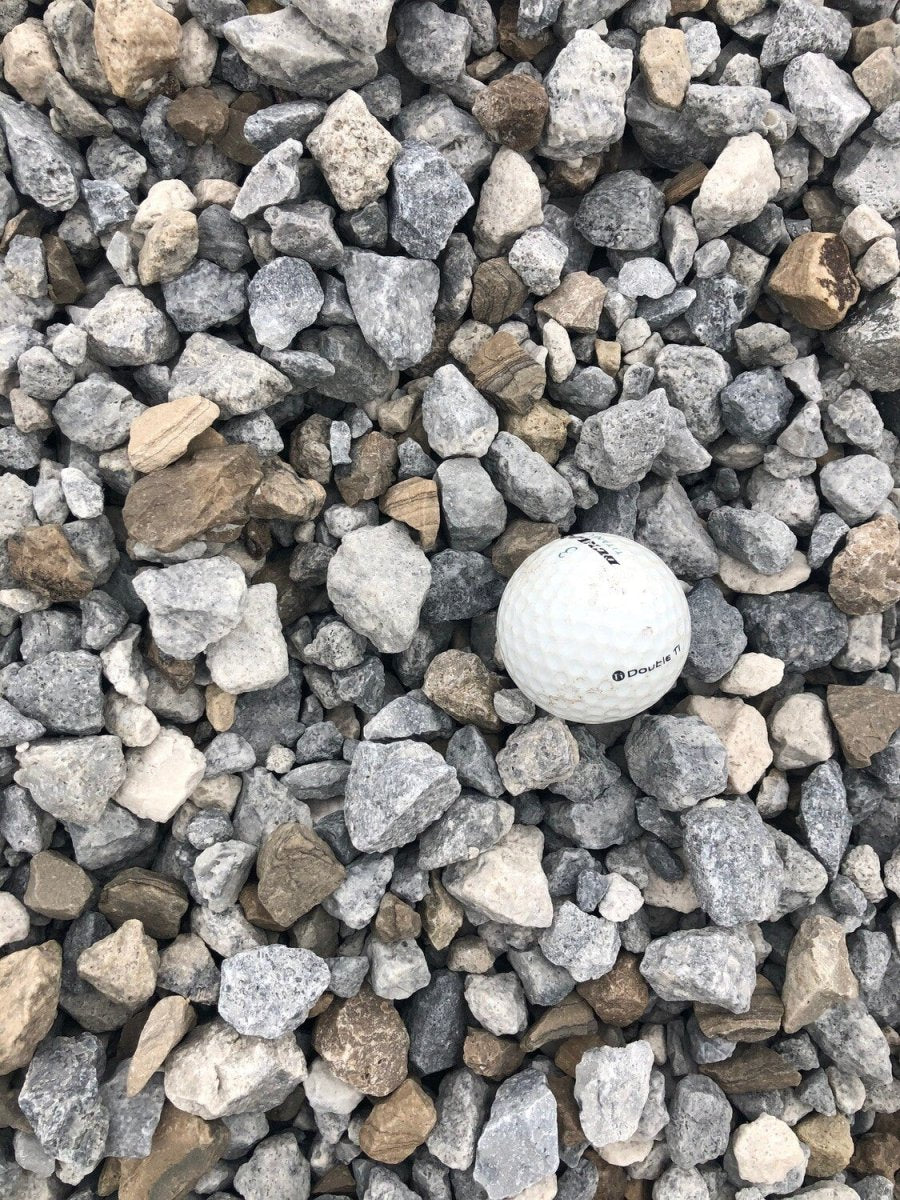
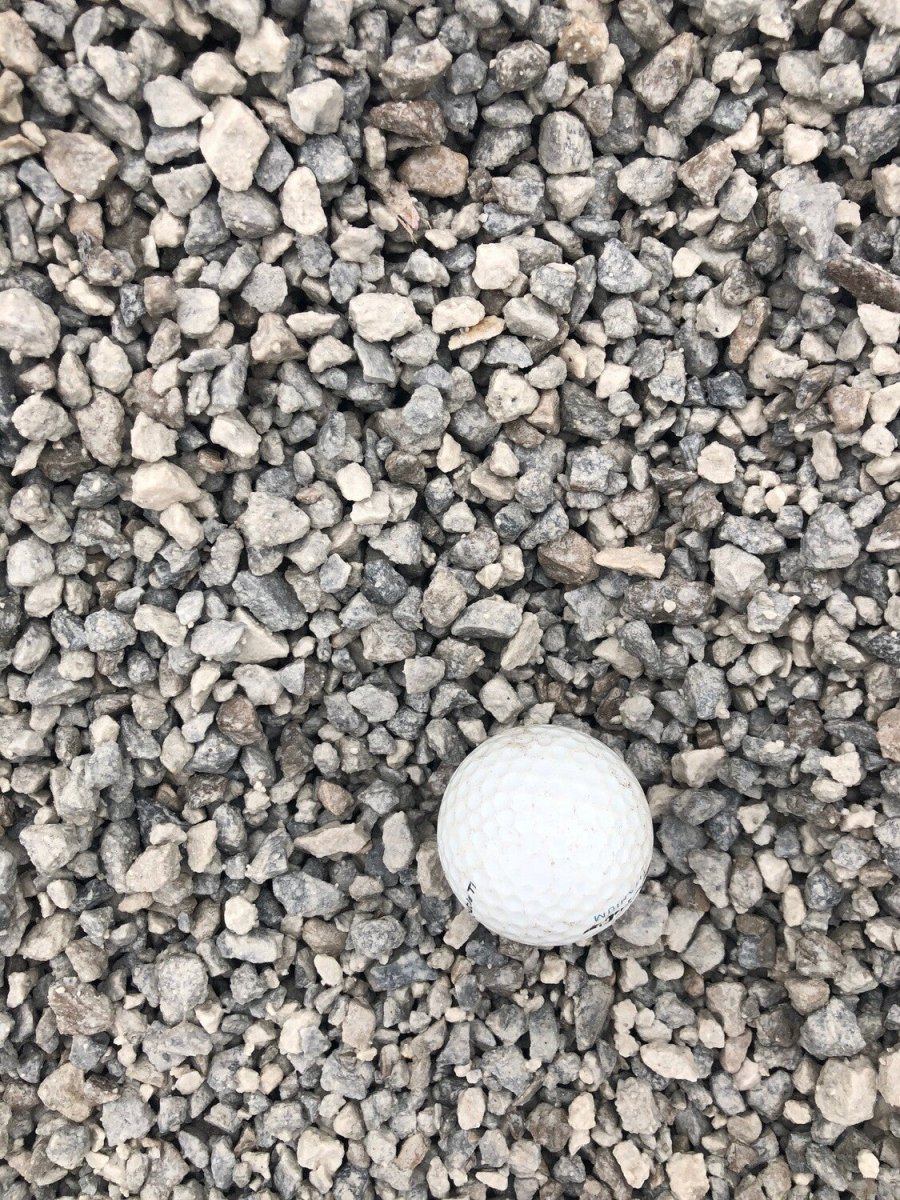
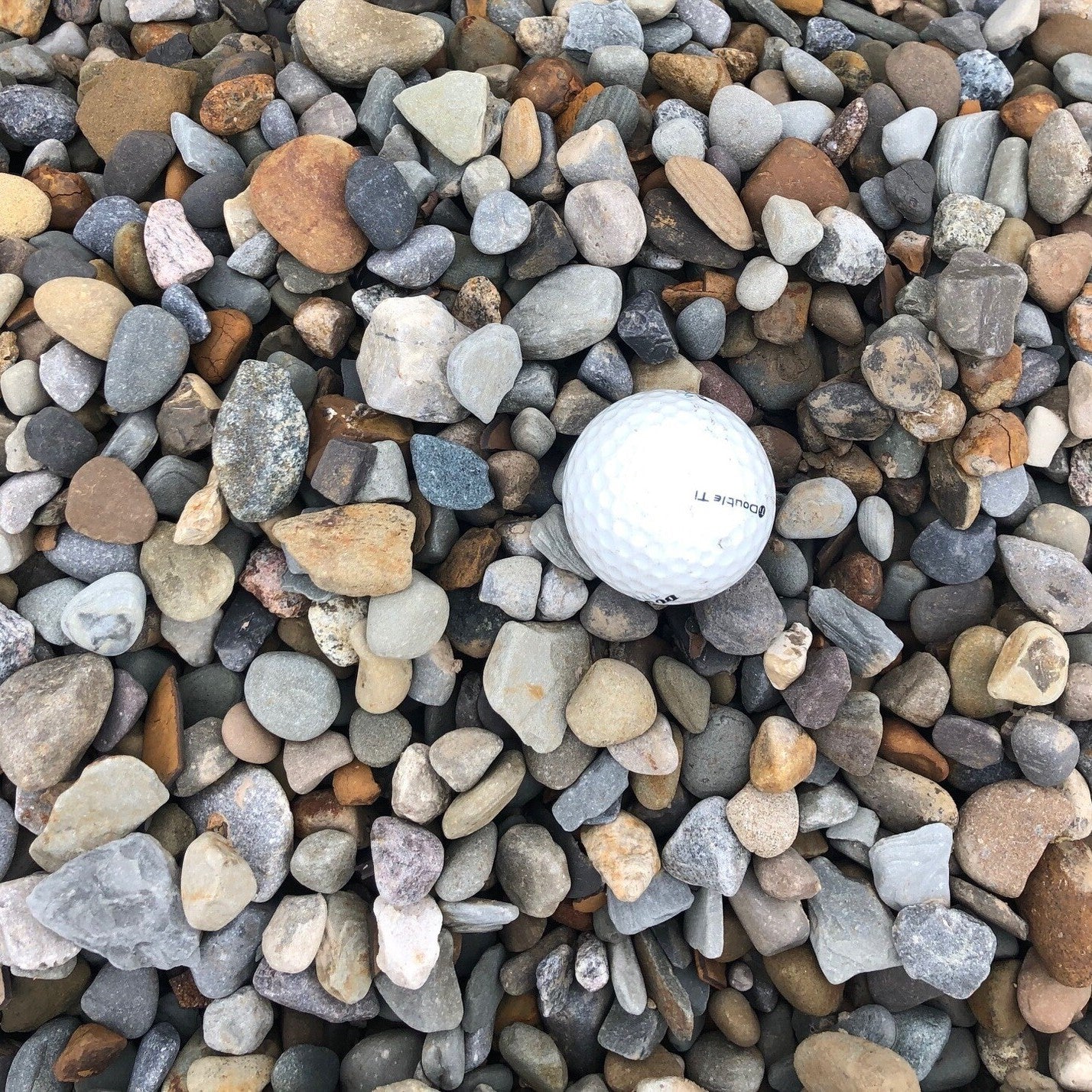
Number 57 crushed stone, angular limestone graded to about three quarters of an inch. The standard driveway, base and drainage gravel, it locks together under traffic and drains fast.
Mulch Mound delivered a yard of pea gravel to us. Delivery was on time, driver was friendly and hit a bullseye on the “tarp target”. We used the pea gravel (which was diameter as specified) to fill several muskrat holes around our pond. I would definitely recommend Mulch Mo...
Tell us what you're looking for
Thanks! We received your request.
Something went wrong. Please try again.
How Much Material Do I Need?
Measure the space, choose depth by use. Cambridge decorative areas stay at 2 inches. Walkways and drives go 4 to 6 inches deep.
Use our free gravel calculator
What is a yard?
A yard is approximately 27 cubic feet. As a general guideline, one yard of material can cover an area of about 100-160 square feet at a 2-3 inch depth.
We can't take orders for this right now. Tell us what you need and we'll get back to you.
What do you need?
Thanks! We received your request.
Something went wrong. Please try again.
Hand-picked local yards
4,000+ regional deliveries
Dedicated support
Why order through Mulch Mound
The best local stone, without the guesswork.
We hand-pick and partner with the best yards in your region, keep only the ones our buyers rate well, and back each load with our guarantee.
Mulch Mound Guarantee
If your stone isn't the quantity or quality you ordered, we'll make it right.
About this stone
Number 57 crushed stone, angular limestone graded to about three quarters of an inch. The standard driveway, base and drainage gravel, it locks together under traffic and drains fast.
Mulch Mound delivered a yard of pea gravel to us. Delivery was on time, driver was friendly and hit a bullseye on the “tarp target”. We used the pea gravel (which was diameter as specified) to fill several muskrat holes around our pond. I would definitely recommend Mulch Mo...
How Much Material Do I Need?
Measure the space, choose depth by use. Cambridge decorative areas stay at 2 inches. Walkways and drives go 4 to 6 inches deep.
Use our free gravel calculator
What is a yard?
A yard is approximately 27 cubic feet. As a general guideline, one yard of material can cover an area of about 100-160 square feet at a 2-3 inch depth.
Mulch Mound delivered a yard of pea gravel to us. Delivery was on time, driver was friendly and hit a bullseye on the “tarp target”. We used the ...
Read full review
Mulch Mound delivered a yard of pea gravel to us. Delivery was on time, driver was friendly and hit a bullseye on the “tarp target”. We used the pea gravel (which was diameter as specified) to fill several muskrat holes around our pond. I would definitely recommend Mulch Mound to a friend!
Mulch Mound delivers bulk stone by the cubic yard straight to your driveway or job site, making it easy to tackle any landscaping project without hauling material yourself. Whether you have been searching for bulk gravel by the yard in Cambridge or planning a full hardscape refresh, we deliver clean, consistent product ready to spread. Our stone arrives loose and weighed, so you pay only for what your project actually needs.
Pea Gravel
Pea gravel's smooth, rounded stones and warm earth tones suit the brick facades and mature trees typical of this part of Massachusetts. It moves through clay-heavy soil with ease and holds steady through the region's hard winters. Use it for garden borders, patios, or pathways where a natural, polished look matters.
Complete Your Outdoor Stone Project
Your Cambridge project probably needs more than stone. Add mulch for bed protection and soil for healthier plantings in sandy loam ground. One order does it.
Dig out 4 to 6 inches of existing soil before laying gravel paths through lawn areas. Setting stone at or slightly below grade level keeps material contained and prevents spillover onto grass.
Mulch Mound Pro Tip
A ton of gravel covers approximately 80 to 100 square feet at 2 inches deep, depending on stone size and shape. Larger stone sizes cover less area per ton than smaller crushed gravel products.
Mulch Mound Pro Tip
Mexican beach pebbles look premium and photograph beautifully but cost accordingly for the imported material. Use them as accents in small areas rather than full coverage to control project costs.
The Unique Landscape of Cambridge
Stone creates clean lines and durable surfaces that don’t break down. Cambridge freeze–thaw and spring rain can beat up beds if materials aren’t refreshed. In Cambridge, Massachusetts, stone is a smart choice for low-maintenance areas, drainage fixes, and high-traffic spots. It’s great for edging, drainage zones, and decorative areas that need to stay put. A firm base and clean borders make stone look sharp and stay put. Choose stone by function: drainage rock, walkway gravel, or decorative river rock. Bulk delivery is the easiest way to tackle a real project without the hassle.
Frequently Asked Questions
Click a question to see the answer
Answer
What's the difference between decorative rock types?
Size and shape vary: large round rock for visual interest, small pea gravel for functional areas, crushed angular stone for stability.
Answer
What stone is best for pathways?
Crushed stone and pea gravel work best—they lock together. Large round rock makes unstable walking surfaces.
Answer
Stone vs mulch—which is better?
Depends on use. Stone lasts longer, drains better. Mulch feeds soil, costs less. For Cambridge's humid continental, stone excels in drainage areas, mulch in planting beds.
Answer
How do I prepare the area for stone?
Strip grass, grade the base away from buildings, compact, lay fabric, spread stone. With Cambridge's sandy loam, base prep matters a lot.
Answer
Will stone affect my soil pH?
Yes, certain types. Limestone and marble slowly raise pH. Granite and similar stone won't affect surrounding soil chemistry.
Answer
What stone is best for drainage?
Angular crushed rock about 1–2 inches. It locks together but has void space for water movement. Important for Cambridge's drainage needs.
Answer
Can stone damage my foundation?
Stone isn't harmful; drainage direction matters. Slope away from structures. Maintain clearance between stone and foundation walls.
Answer
What is stone dust used for?
Screenings, often called stone dust, are the fine crushed particles left after sieving stone, commonly used as a compactable setting bed under pavers or patios. Since it sheds water once packed rather than draining it, it will not hold up against Cambridge's freeze thaw cycles and spring rain the way open graded stone does. For drainage fixes or high traffic spots here, our Crushed Stone #57 is the better fit.
Answer
Is there a stone yard near Cambridge?
Cambridge's freeze and thaw cycles and heavy spring rain can wear down a bed, so crushed stone over a firm base holds up best. Mulch Mound brings it straight to your driveway or yard by the cubic yard, so there is no need to track down a stone yard or drive out to a quarry. Just order online and tell us where to drop it.