


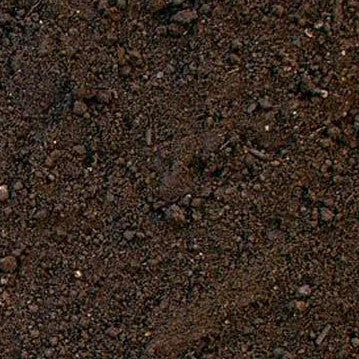
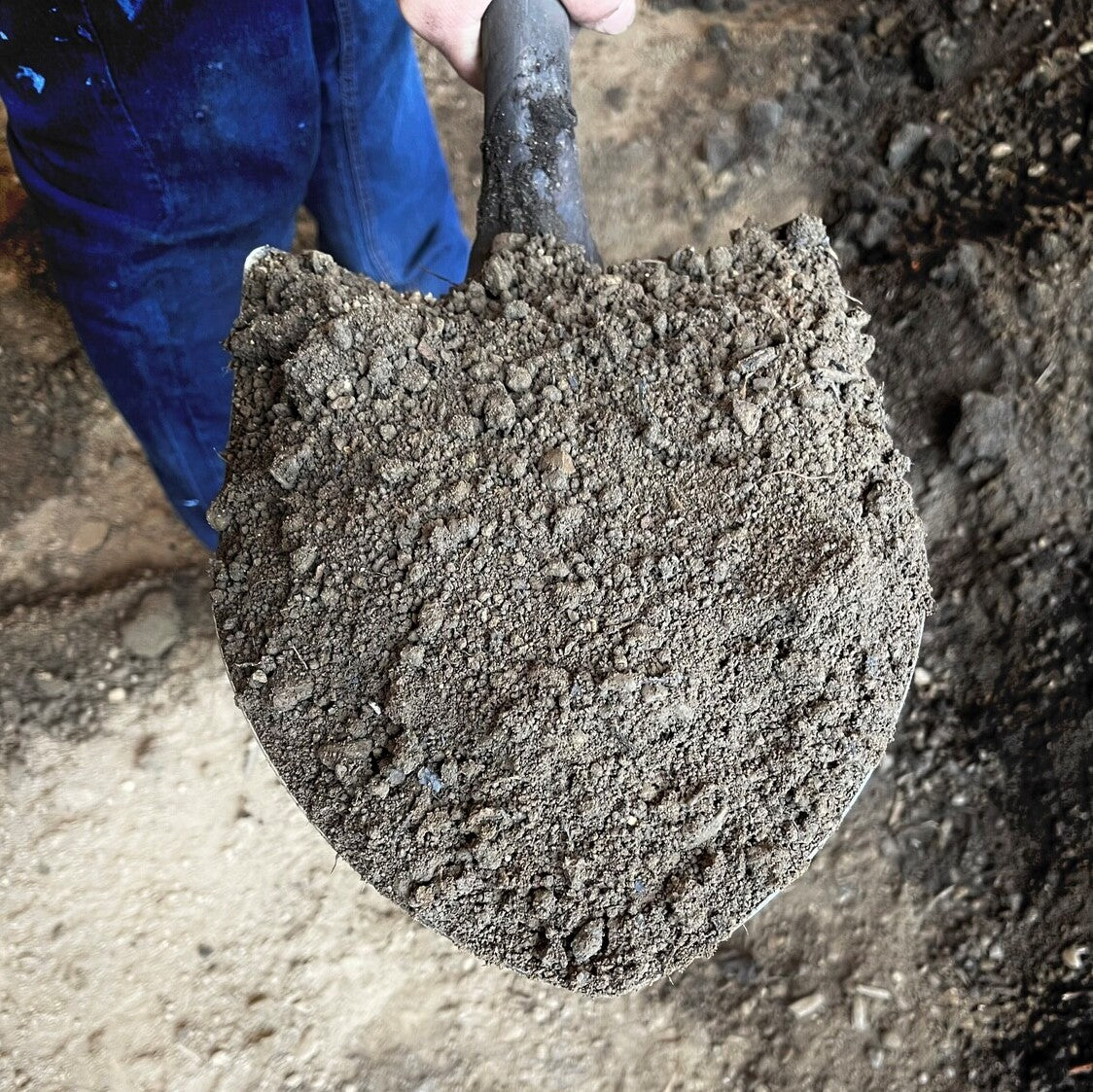


Very happy with the ease of ordering. Delivery went exactly as planned. Garden soil looks great and couldn’t be happier.
About this soil
Very happy with the ease of ordering. Delivery went exactly as planned. Garden soil looks great and couldn’t be happier.
Tell us what you're looking for
Thanks! We received your request.
Something went wrong. Please try again.
Cape Coral Soil Delivery
Cape Coral Soil Delivery
Regular price
$45.00
per
yards
Regular price
Sale price
$45.00
Unit price
per
Couldn't load pickup availability
1 tree planted for every order
About this soil
Very happy with the ease of ordering. Delivery went exactly as planned. Garden soil looks great and couldn’t be happier.
How Much Material Do I Need?
How Much Material Do I Need?
How deep are you filling? Cape Coral lawn top-dressing stays under 2 inches. Raised beds and berms need 8 to 12 inches or more.
Use our free soil calculator
What is a yards?
What is a yards?
FAQs
FAQs
Tell us what you're looking for
Thanks! We received your request.
Something went wrong. Please try again.


How It Works
Getting started is easy — just follow these simple steps
1
Choose your soil
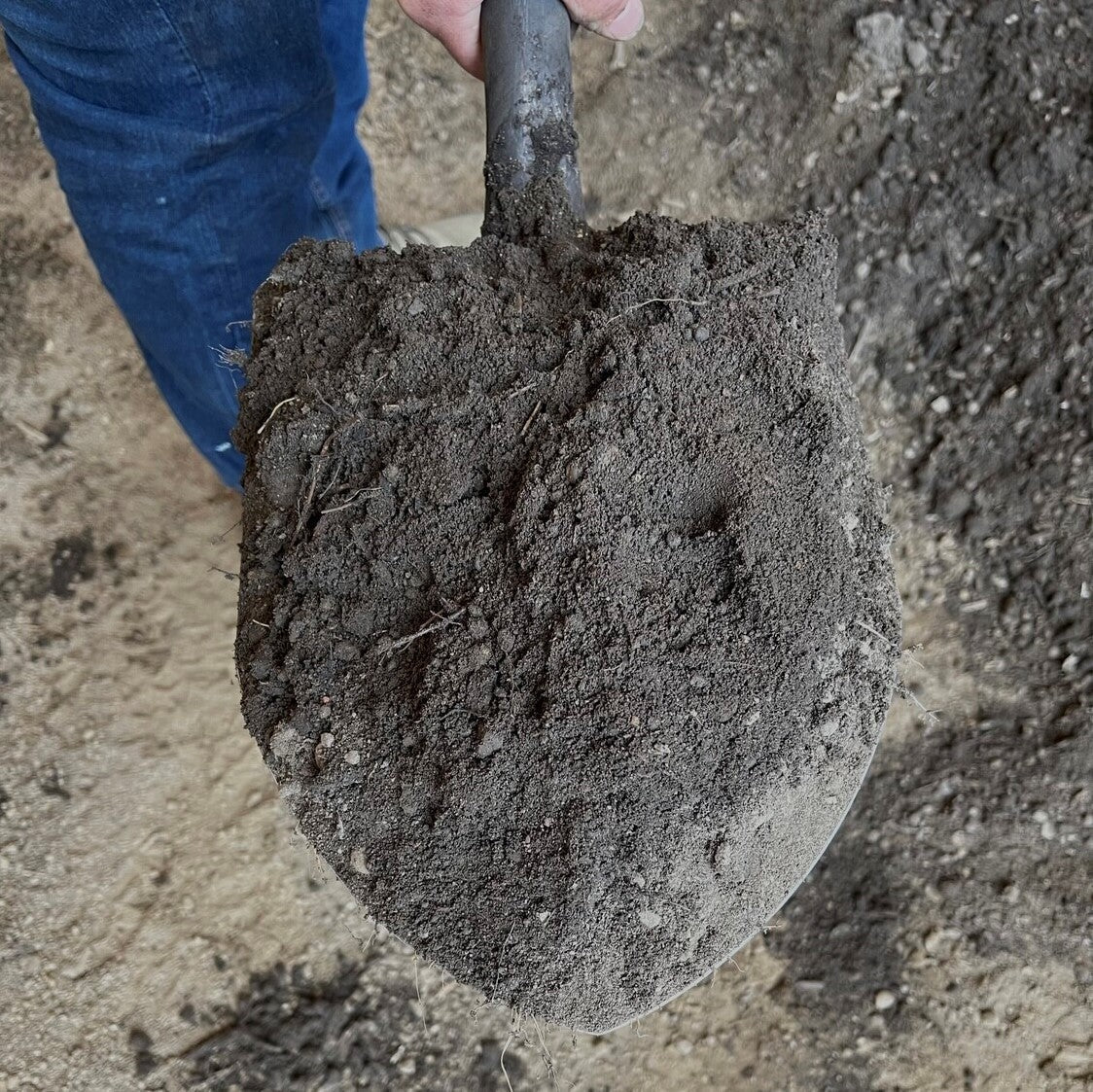
Make sure you adjust the quantity to your home's needs. You can use our calculator to estimate how much you'll need.
2
Select your delivery date
Select a delivery date you'd like for the product to be dropped off at your home
3
Sit back and wait
Sit back, wait, and let us work our magic to make sure the highest quality product is delivered to your driveway.

From the time I placed the order to the delivery it was quick and professional. I will highly recommend and will use them from now on.

Quick delivery, amazing service. Highly recommend!
Need Help Calculating How Much Soil You Need?
Use our NEW Trace from Satellite tool to get an estimate for your project based on an aerial view of your property
Try Our CalculatorWhether you're filling raised beds or leveling a Cape Coral yard, our satellite tool helps estimate soil needs. Trace the area, choose your depth—shallow for top-dressing, deeper for new beds—and see the yardage before ordering.
Complete Your Outdoor Soil Project
Healthy Cape Coral beds start with good soil. Layer mulch over it to suppress weeds and regulate temperature on sandy ground. Stone frames the edges.


Mulch Mound Pro Tip
Never assume all topsoil is the same quality regardless of price. Sources vary wildly in composition, fertility, drainage, and potential contaminants. Ask detailed questions before ordering.
Mulch Mound Pro Tip
Crown planting beds slightly higher than surrounding lawn for better appearance and drainage. This improves water movement away from plant stems and creates visual definition without edging materials.
Mulch Mound Pro Tip
A wheelbarrow with a single front wheel maneuvers better in tight spaces between plants and beds. Dual wheel models tip over less but are harder to dump precisely where you want material.
The Unique Landscape of Cape Coral
Fresh soil is an easy way to improve Cape Coral bed structure before you plant or top-dress. In Cape Coral, Seasonal swings can compact areas and expose roots, especially along edges and slopes. Great for gardens, borders, and any spot where you want a smoother grade and better planting layer. Avoid burying stems and plant crowns; keep soil below them and mulch after planting. Delivery is just the practical part—less lifting and fewer trips.
Explore other options for landscape supply delivery in Cape coral, Florida