




Great service. We ordered topsoil from Mulch Mound and the best experience. Thank you so much!
About this soil
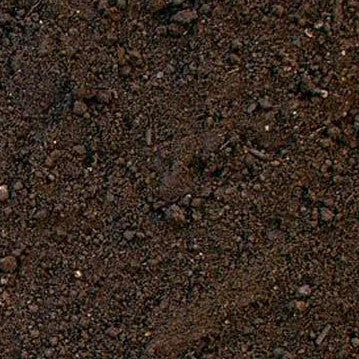
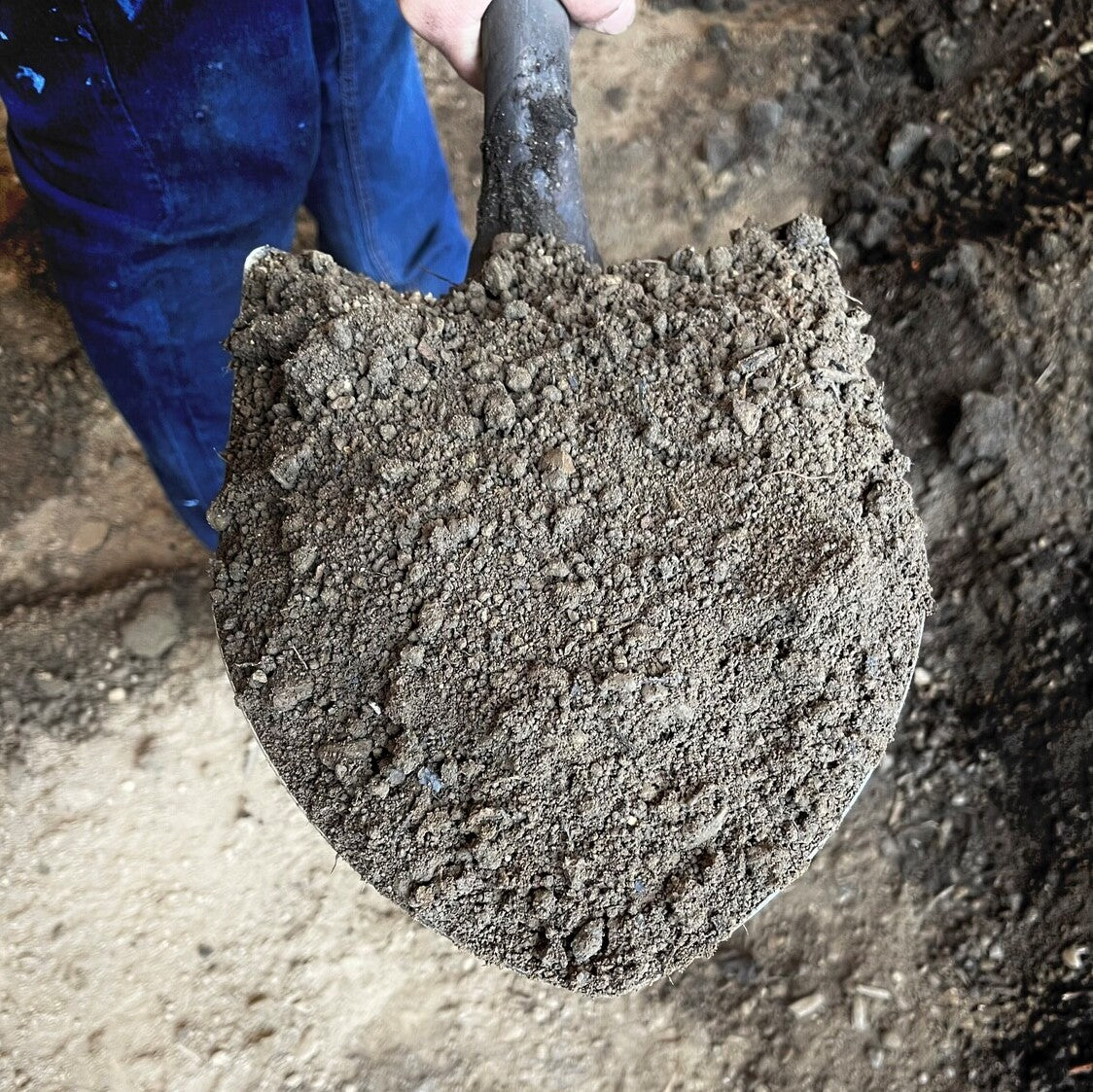
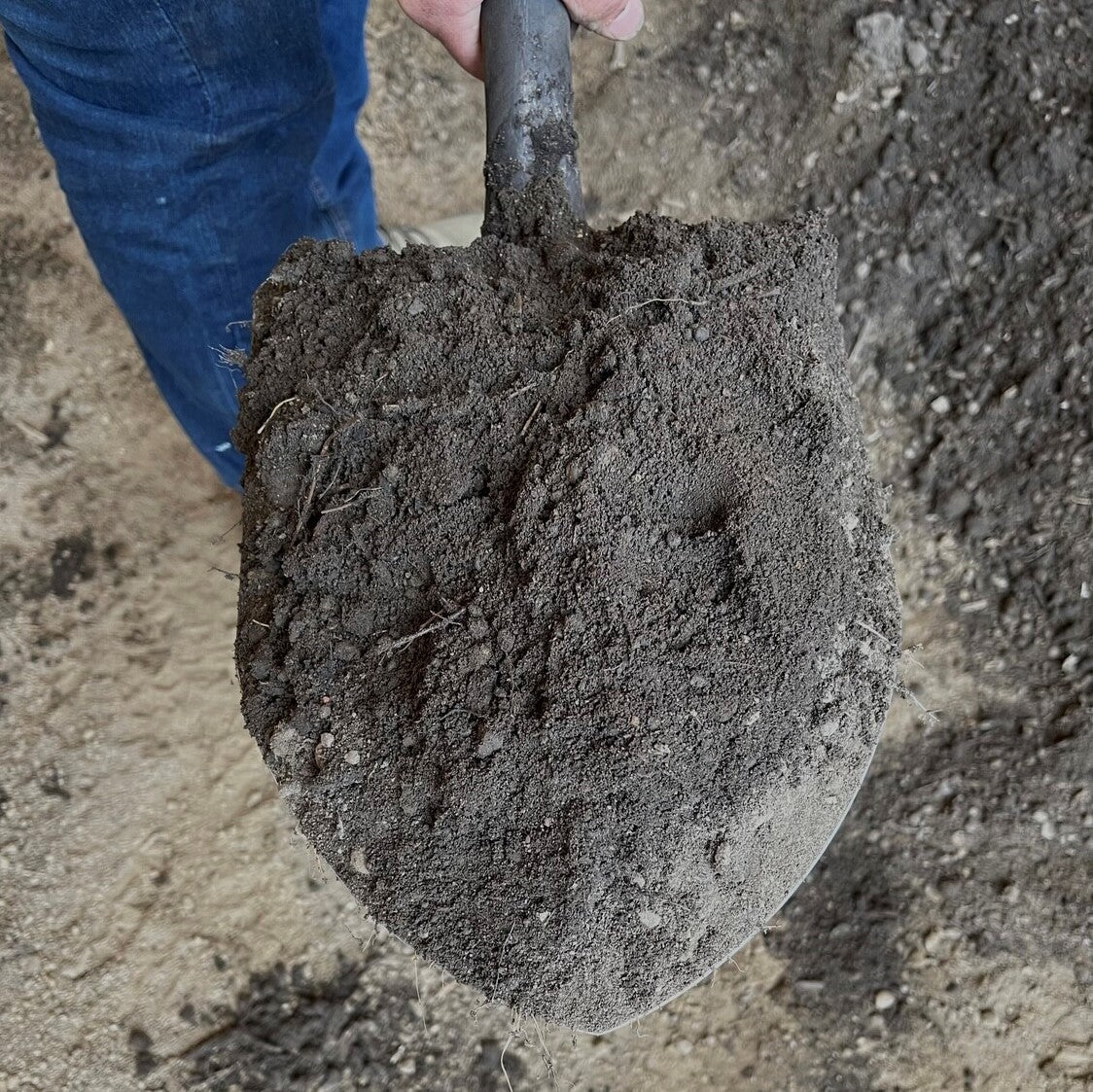
Screened topsoil filtered clean of rocks, roots, and debris. Smooth, consistent texture that is ready for lawns, gardens, raised beds, and finish grading.
Great service. We ordered topsoil from Mulch Mound and the best experience. Thank you so much!
Tell us what you're looking for
Thanks! We received your request.
Something went wrong. Please try again.
Colorado Springs Soil Delivery
Colorado Springs Soil Delivery
Regular price
$42.95
per
yards
Regular price
Sale price
$42.95
Unit price
per
Minimum of 2
Couldn't load pickup availability
1 tree planted for every order
About this soil
Screened topsoil filtered clean of rocks, roots, and debris. Smooth, consistent texture that is ready for lawns, gardens, raised beds, and finish grading.
Great service. We ordered topsoil from Mulch Mound and the best experience. Thank you so much!
How Much Material Do I Need?
How Much Material Do I Need?
How deep are you filling? Colorado Springs lawn top-dressing stays under 2 inches. Raised beds and berms need 8 to 12 inches or more.
Use our free soil calculator
What is a yards?
What is a yards?
FAQs
FAQs
Tell us what you're looking for
Thanks! We received your request.
Something went wrong. Please try again.


How It Works
Getting started is easy — just follow these simple steps
1
Choose your soil
Make sure you adjust the quantity to your home's needs. You can use our calculator to estimate how much you'll need.
2
Select your delivery date
Select a delivery date you'd like for the product to be dropped off at your home
3
Sit back and wait
Sit back, wait, and let us work our magic to make sure the highest quality product is delivered to your driveway.

So smooth. Placed the order online, it showed up. Easy!

Super easy ordering process and great to work with! I highly recommend this company. I will be using them for all my needs going forward.

Need Help Calculating How Much Soil You Need?
Use our NEW Trace from Satellite tool to get an estimate for your project based on an aerial view of your property
Try Our Calculator1
Complete Your Outdoor Soil Project
Soil builds the base for Colorado Springs planting. Mulch protects it and keeps moisture where roots need it. Stone handles borders, paths, and drainage areas.


Mulch Mound Pro Tip
Crown planting beds slightly higher than surrounding lawn for better appearance and drainage. This improves water movement away from plant stems and creates visual definition without edging materials.
Mulch Mound Pro Tip
Earthworms process about 10 tons of soil per acre annually through their digestive systems. Healthy topsoil has 25 or more worms per cubic foot, constantly improving soil structure.
Mulch Mound Pro Tip
Never bury existing plant roots deeper than they were originally growing. Adding soil over root flares suffocates established trees and shrubs slowly over several years, often killing them before you realize the damage.
The Unique Landscape of Colorado Springs
In Colorado Springs, refreshed soil makes it easier to set grade before seed, sod, or new plantings. Heavy rains can move material around, so re-leveling with fresh soil helps, so a fresh layer helps you re-level and plant cleanly. Helpful for vegetable beds, new borders, and rebuilding spots that eroded or settled. Avoid burying stems and plant crowns; keep soil below them and mulch after planting. Delivery keeps the work moving without the loading and unloading.
Explore other options for landscape supply delivery in Colorado springs, Colorado