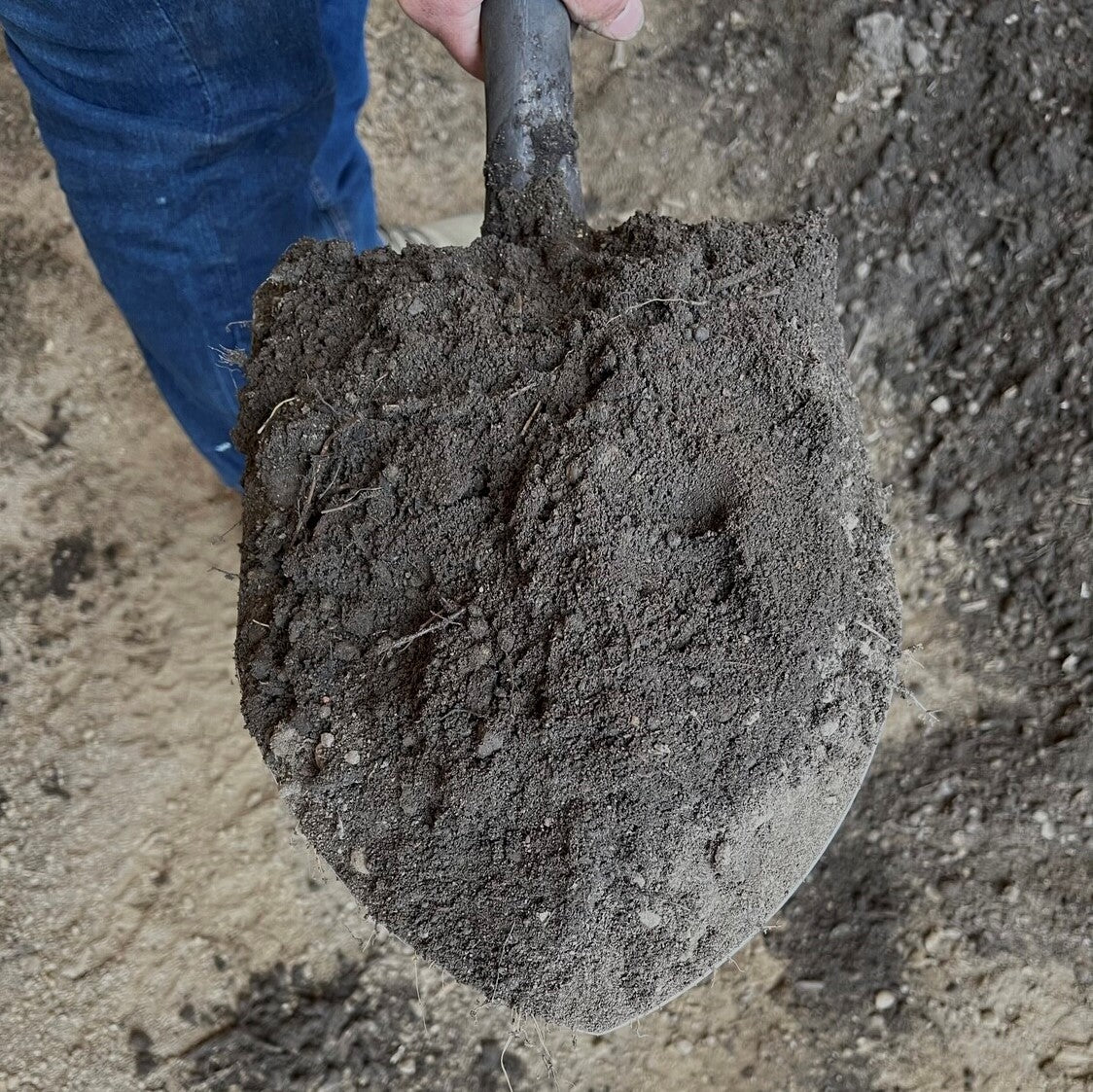
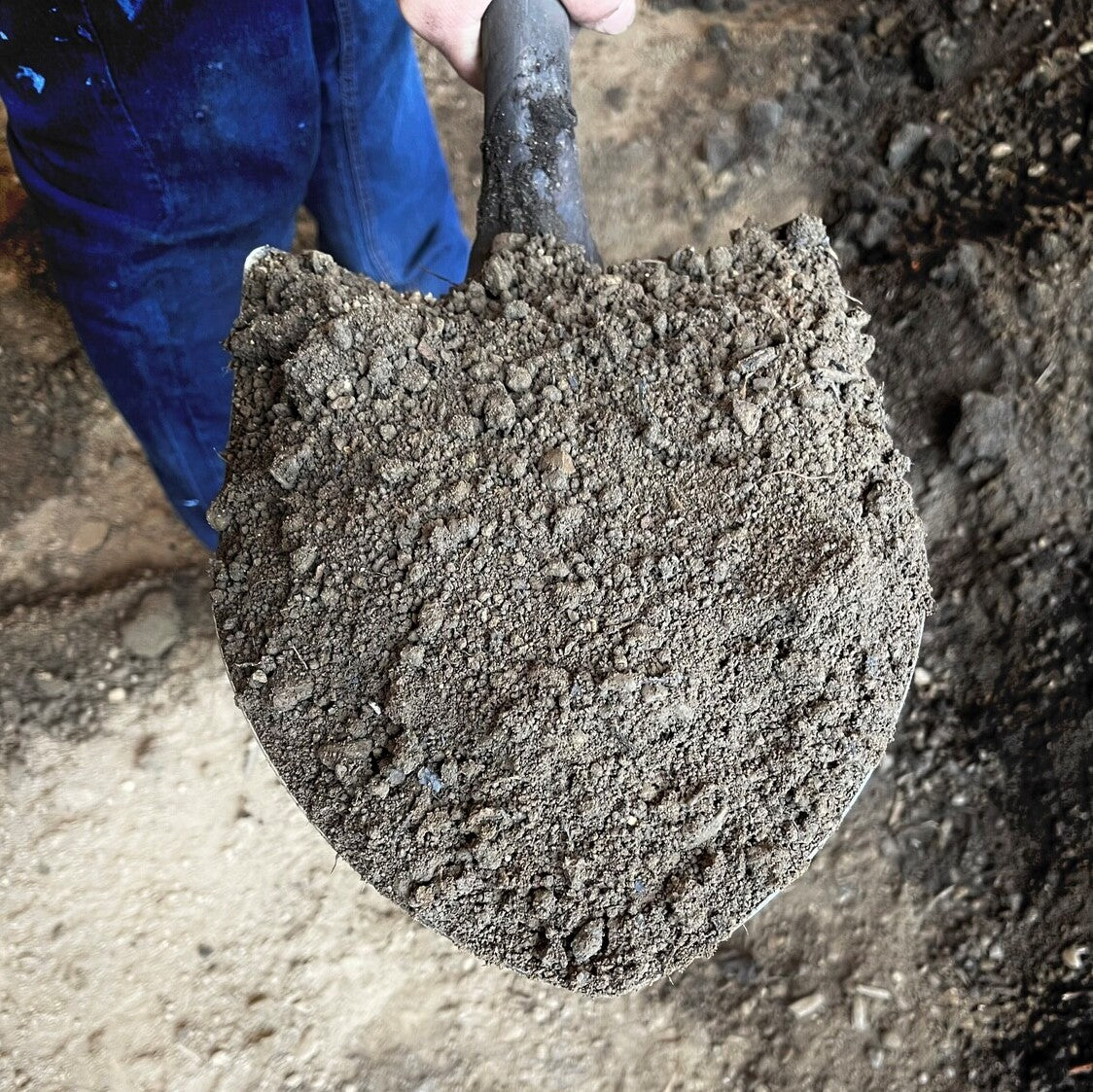
A balanced mix of topsoil and organic amendments ready for raised beds, flower gardens, and new planting areas. Good drainage, solid nutrients, easy to work with.
Had a great experience with Mulch Mound. I was searching for the most affordable soil delivery that could be here for memorial day weekend (this was less than a week before). They were the most affordable and earliest delivery I could find in the area. Booking was easy, delive...
A balanced mix of topsoil and organic amendments ready for raised beds, flower gardens, and new planting areas. Good drainage, solid nutrients, easy to work with.
Had a great experience with Mulch Mound. I was searching for the most affordable soil delivery that could be here for memorial day weekend (this was less than a week before). They were the most affordable and earliest delivery I could find in the area. Booking was easy, delive...
How Much Material Do I Need?
For garden bed prep in Columbus, plan on four to six inches of topsoil or garden mix over native silt loam to create a productive planting zone with adequate drainage. For lawn topdressing and grade correction, one to two inches spread evenly across the target area is typically enough to smooth low spots and improve surface water flow.
Use our free soil calculator
What is a yard?
A yard is approximately 27 cubic feet. As a general guideline, one yard of material can cover an area of about 100-160 square feet at a 2-3 inch depth.
Had a great experience with Mulch Mound. I was searching for the most affordable soil delivery that could be here for memorial day weekend (this wa...
Read full review
Had a great experience with Mulch Mound. I was searching for the most affordable soil delivery that could be here for memorial day weekend (this was less than a week before). They were the most affordable and earliest delivery I could find in the area. Booking was easy, delivery went well. The driver was responsive and did not make a mess dumping my soil :) The only complaint (why 4 starts instead of 5) was that they postponed my delivery by a day, and didn't communicate until after the delivery window. Not a huge deal, but inconvenient.
For lawn leveling projects in Columbus, calculate square footage and estimate one cubic yard per 300 square feet at about one inch of depth. For raised beds, multiply length times width times depth in feet and divide by 27 to find cubic yards. Columbus silt loam does not drain as freely as sandy soils, so filling raised beds to a full twelve inches gives roots the aerated zone they need above the native soil layer.
Complete Your Outdoor Soil Project
After your soil work is done, a fresh mulch layer over new garden beds helps protect the topsoil from Columbus's spring rains and prevents the surface from crusting before plants establish roots. Stone borders or decorative gravel around grade-corrected areas give those spaces a finished look while helping define drainage paths that keep your Columbus yard performing well through wet seasons.
What kind of soil should I use to build raised garden beds in Columbus?
A blended garden mix that combines topsoil, compost, and aged organic material is ideal for raised beds in Columbus. Native silt loam is workable but tends to compact in contained bed structures, restricting root growth for vegetables and perennials. A quality garden blend keeps things loose and nutrient-rich through the full growing season, which runs from late April through early October in zone 6b.
Answer
My Columbus backyard has low spots that hold standing water after every rain. Can bulk topsoil actually fix that?
Bulk topsoil is one of the most effective tools for correcting low spots in Columbus yards. Fill the depression with a quality topsoil blend, compact it lightly, and regrade the surface so water flows away from the area. Columbus averages 47 inches of rain per year, so low spots will fill repeatedly if not addressed, and a proper grade correction with topsoil is a lasting solution that improves both drainage and turf health.
Answer
When should I order topsoil for my Columbus lawn or garden projects to be ready for the growing season?
Ordering in late March or early April gives you the best timing for Columbus. You want the soil delivered and in place before the last frost around April 29 so garden beds are ready to plant right as the season opens. For lawn topdressing projects, early spring delivery also allows the soil to settle and any grass seed to establish before the heat of June and July arrives.
Answer
Since Columbus already has silt loam soil, how much topsoil do I really need to add for a garden project?
Because Columbus silt loam already has decent structure in undisturbed areas, you often do not need to replace it entirely, just improve it. For garden beds, a four to six inch layer of blended topsoil or garden mix on top of native silt loam gives roots the nutrient-rich zone they need while the deeper silt loam provides a stable base. For grade corrections, the amount depends on how severe the low spots are, but one to two inches spread across a broad area goes a long way.
Answer
Can I use bulk topsoil to level my Columbus lawn so it looks more uniform?
Topdressing with a fine screened topsoil is a straightforward way to level minor dips and rough patches in Columbus lawns. Spread a quarter to half inch layer over problem areas, work it lightly into the existing turf, and overseed if needed. Columbus's rainfall will help new seed establish, and completing the project before late April gives grass the full growing season to fill in before the first frost arrives in early October.
Answer
What is the difference between topsoil and garden soil, and which one does a Columbus yard actually need?
Topsoil is a general-purpose material suited for grading, filling, and lawn work, while garden soil or garden mix is amended with compost and nutrients for planting use. In Columbus, topsoil is the right choice for grade corrections, lawn leveling, and filling large volumes efficiently. Garden mix is better for vegetable gardens and flower beds where the native silt loam alone is not rich enough to support high-demand plants through the full growing season.
Answer
How do I figure out how much soil to order for my Columbus raised bed project without overbuying?
Measure the length, width, and planned depth of your raised bed in feet, then multiply all three numbers together and divide by 27 to get cubic yards. A standard four-foot by eight-foot raised bed filled to one foot deep needs about 1.2 cubic yards. Ordering slightly more than your calculation suggests is a good habit, since Columbus gardens benefit from a generous fill that settles into a firm, productive growing bed after the first few waterings.
Mulch Mound Pro Tip
Before ordering bulk topsoil for a Columbus lawn leveling project, mark any irrigation heads, buried downspout extensions, or utility flags in the target area. Columbus yards often have drainage infrastructure that is easy to accidentally bury or damage when spreading two or more inches of new soil. A few minutes of marking saves significant headaches later, especially near the foundation where downspout lines are common and critical for keeping basements dry.
Mulch Mound Pro Tip
Mix your bulk topsoil delivery with a portion of compost or aged organic material if you are using it for a new vegetable garden in Columbus. Native silt loam already has decent nutrient retention, but a garden mix that is at least twenty percent organic matter will drain better in a raised or framed bed setting. This is especially valuable for crops like tomatoes and peppers that need consistent moisture without sitting in wet soil during Columbus's rainy May and June weeks.
Mulch Mound Pro Tip
If you are correcting a grade issue near your Columbus home's foundation, make sure the final slope angles water away from the structure at a rate of about one inch per foot for the first six feet. Columbus receives consistent rain from spring through fall, and a properly graded soil berm against the foundation prevents the slow water intrusion that damages basement walls and floor systems over time. Compact the topsoil in layers as you build the grade rather than dumping and spreading all at once for a more stable final result.
The Unique Landscape of Columbus
Columbus homeowners working with native silt loam soil often find it adequate for established turf but limiting for raised beds, new gardens, and grade correction projects. Silt loam has a fine particle size that can become dense and poorly draining in low spots, which is a real concern given Columbus receives 47 inches of rain annually. Adding quality topsoil or garden mix allows you to build up problem areas, establish nutrient-rich planting zones, and create the loose, well-drained growing environment that vegetables and perennials need. The growing season beginning around April 29 means there is a real deadline for getting beds prepared and planted, so having bulk soil delivered before that date is key for serious Columbus gardeners. Elevation at 646 feet and the natural topography of the area mean some yards have subtle grade issues that direct water toward foundations or create soggy patches after heavy rain. Bulk topsoil lets you correct those issues permanently rather than fighting them season after season.