About this stone

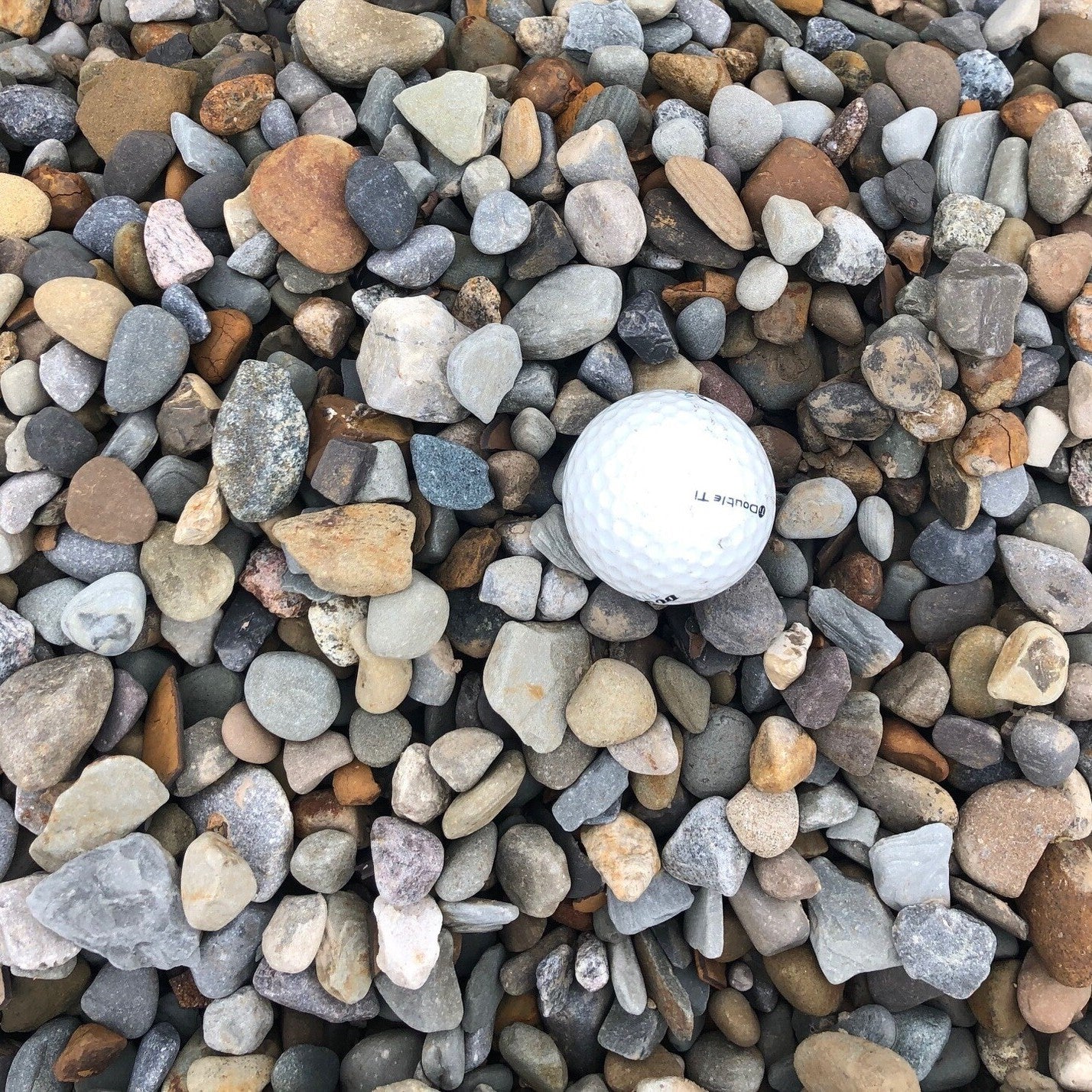
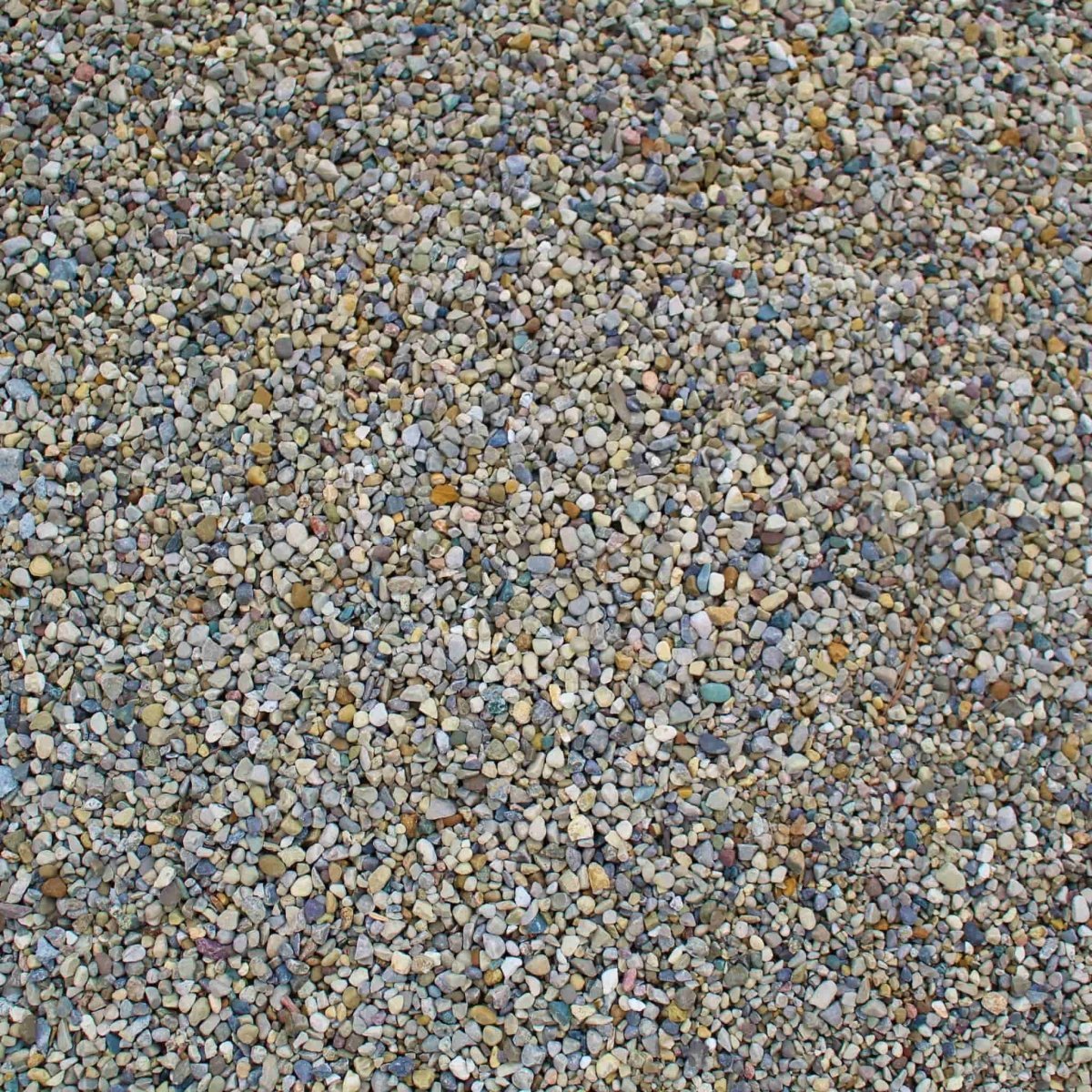
Classic pea gravel with smooth, rounded edges and natural earth tones. A versatile favorite for pathways, patios, drainage, and decorative ground cover.

I used Mulch Mound to have 3 cubic yards of garden soil delivered. The process was easy and I love that I didn't have to call anyone. I placed my order online, picked my delivery date, laid out my tarp and the dirt was delivered. My delivery had to be pushed back, but I was ke...

Columbus Stone Delivery

Columbus Stone Delivery

4.7
137 reviews
Regular price $120.00 per yard
Regular price Sale price $120.00
Sale Sold out
Type
Size
Minimum of 3 yard
1 tree planted for every order

About this stone

Classic pea gravel with smooth, rounded edges and natural earth tones. A versatile favorite for pathways, patios, drainage, and decorative ground cover.

I used Mulch Mound to have 3 cubic yards of garden soil delivered. The process was easy and I love that I didn't have to call anyone. I placed my order online, picked my delivery date, laid out my tarp and the dirt was delivered. My delivery had to be pushed back, but I was ke...

For decorative ground cover and low-maintenance landscape areas in Columbus, three inches of stone depth is the practical minimum for weed suppression and a finished appearance. Drainage applications and erosion control on slopes typically call for four to six inches of stone to handle the volume of water that Columbus's annual rainfall delivers, especially on grades that shed water quickly toward lower areas of the yard.
Use our free stone calculator

A yard is approximately 27 cubic feet. As a general guideline, one yard of material can cover an area of about 100-160 square feet at a 2-3 inch depth.

View full details

How It Works

Getting started is easy — just follow these simple steps

1

Choose your stone

Make sure you adjust the quantity to your home's needs. You can use our calculator to estimate how much you'll need.

2

Select your delivery date

Select a delivery date you'd like for the product to be dropped off at your home

3

Sit back and wait

Sit back, wait, and let us work our magic to make sure the highest quality product is delivered to your driveway.

From The Mouths of Columbus Folks

4.7
out of 5 based on 137 reviews
Google Reviews

Need Help Calculating How Much Stone & Gravel You Need?

Use our NEW Trace from Satellite tool to get an estimate for your project based on an aerial view of your property

Try Our Calculator
📍

For stone projects in Columbus, calculate square footage and plan on one cubic yard covering about 100 square feet at a three-inch depth. If your project area has irregular shapes, break it into rectangles, calculate each section separately, and add the totals before converting to cubic yards. Columbus's silt loam base is stable enough to install stone directly on in most cases, but a two-inch compacted gravel sub-base under pathways will extend the life of the surface significantly through years of freeze-thaw cycles.

Complete Your Outdoor Stone Project

Pair your stone order with a quality topsoil or garden mix if you are building planted areas adjacent to stone pathways or borders, since improved soil structure will support healthier plants in Columbus's silt loam conditions. A fresh mulch application in planted zones next to stone features ties the whole landscape together and helps maintain consistent moisture levels through the Columbus growing season from late April through early October.

Map of Columbus, Indiana

Areas We Deliver Stone & Gravel in Columbus, Indiana

No cities found for this region.

See All Locations
Mulch Mound Pro Tip

Install a layer of landscape fabric under any stone ground cover area in Columbus before you spread the material. Columbus's combination of frequent rainfall and fine-particle silt loam soil creates ideal conditions for weed seeds to germinate at the soil surface, and without fabric those weeds push up through the stone layer within a single season. Overlap fabric seams by at least twelve inches and secure the edges before adding stone to keep gaps from forming as the ground shifts through winter.

Mulch Mound Pro Tip

When building a stone pathway in Columbus, crown the center of the path very slightly so water runs off to the sides rather than pooling in the middle. A half-inch rise from edge to center is enough to shed the rain Columbus receives through spring and summer without making the surface feel uneven underfoot. This small detail prevents the soggy, muddy pathway edges that develop on flat stone installations during Columbus's wetter months and keeps the surface usable right after rain.

Mulch Mound Pro Tip

For Columbus homeowners using stone along foundation borders, keep the stone layer sloping gently away from the house so rain that lands in that zone drains outward toward the lawn. Columbus's freeze-thaw winter cycles can slowly shift the grade of a stone border back toward the foundation if the base is not set correctly from the start. Take an extra few minutes during installation to check the slope with a level and you will avoid having to reset the entire border after the first few winters.

The Unique Landscape of Columbus

Stone is one of the most durable and low-maintenance materials you can use in a Columbus, IN landscape, offering lasting function in a climate that cycles through wet springs, hot summers, and freeze-thaw winters. With 47 inches of annual rainfall, Columbus yards often develop erosion channels, soggy pathway edges, and washout areas in planted beds, and stone is one of the most practical solutions for stabilizing those zones. Decorative gravel and crushed stone create permeable surfaces that let rain soak through rather than pool, which addresses a common challenge with Columbus's silt loam base that can shed water when it becomes compacted. The freeze-thaw cycles that come with zone 6b winters can heave and shift materials that are not properly anchored, and stone handles those temperature swings year after year with no maintenance at all. Whether you are building a pathway from the driveway to the backyard, creating a low-maintenance border around the foundation, or managing erosion on a sloped section of your property, stone delivers decades of performance with minimal upkeep. It also holds up through the full Columbus growing season without fading, decomposing, or requiring seasonal replacement the way organic materials do.

Frequently Asked Questions

Click a question to see the answer

Answer

What type of stone works best for a backyard pathway in Columbus?

Pea gravel and crushed limestone are both popular choices for backyard pathways in Columbus. Pea gravel is comfortable underfoot and drains quickly, which is helpful given Columbus's 47 inches of annual rainfall. Crushed limestone compacts into a firmer surface that holds its shape better over time, making it a good option if you want a more defined pathway that does not shift underfoot with regular use.

Answer

Will stone pathways heave or shift during Columbus winters with all the freezing and thawing?

Loose stone like pea gravel and river rock moves very little during freeze-thaw cycles compared to hardscape materials like concrete or pavers. Columbus winters in zone 6b bring repeated freezing and thawing between November and March, and loose stone naturally accommodates that movement without cracking or heaving. Installing stone over a two-inch layer of compacted gravel base helps keep the surface stable and reduces any minor shifting that might occur after especially cold stretches.

Answer

How deep should I install stone for a drainage bed in my Columbus yard?

A minimum of four to six inches of clean crushed stone is standard for drainage beds in Columbus. Given that native silt loam can become compacted and slow water movement during heavy rain, a deep stone bed gives water a quick path down and away from problem areas. For French drain installations, six to eight inches of washed stone surrounding the pipe creates the permeability needed to handle Columbus's spring rainfall peaks without backing up.

Answer

Can I use decorative stone around my Columbus home's foundation to prevent erosion from roof runoff?

Yes, and it is one of the most practical uses of stone in Columbus landscapes. A three to four inch deep border of river rock or crushed stone along the foundation intercepts rain that drips off the eaves, preventing the splash erosion that gradually exposes foundation walls. It also creates a permeable zone that lets water soak in rather than run off and pool against the house, which is a real concern during Columbus's heavier spring rain events.

Answer

How much stone do I need to replace a section of lawn with a low-maintenance ground cover area in Columbus?

Plan on three to four inches of stone depth for a decorative low-maintenance ground cover area. At three inches deep, one cubic yard of stone covers roughly 100 square feet. For larger areas, order a weed barrier fabric to install underneath, since Columbus's rainfall and silt loam base create good conditions for weed germination even through a stone layer if the fabric is skipped.

Answer

Is river rock or crushed limestone better for a landscape bed border in a Columbus yard?

River rock is the more popular choice for ornamental borders in Columbus because the smooth, rounded surface and natural color variation hold up attractively year after year without fading or breaking down. Crushed limestone has sharper edges and a more uniform gray tone that some homeowners prefer for a cleaner, more formal look. Both handle Columbus's weather without any issues, so the choice comes down to the aesthetic you want for your space.

Answer

My Columbus yard has a slope that washes out every time we get a heavy rain. What stone should I use for erosion control?

Larger riprap stone or chunky river rock is the best choice for erosion control on slopes in Columbus. The heavier material stays in place during the heavy rain events that Columbus sees in spring and summer, while smaller gravel can wash downhill. For slopes steeper than about twenty degrees, setting the stone over a layer of erosion control fabric gives the installation additional grip and prevents the native silt loam from migrating through the stone layer over time.