


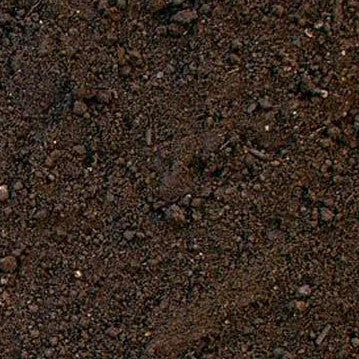
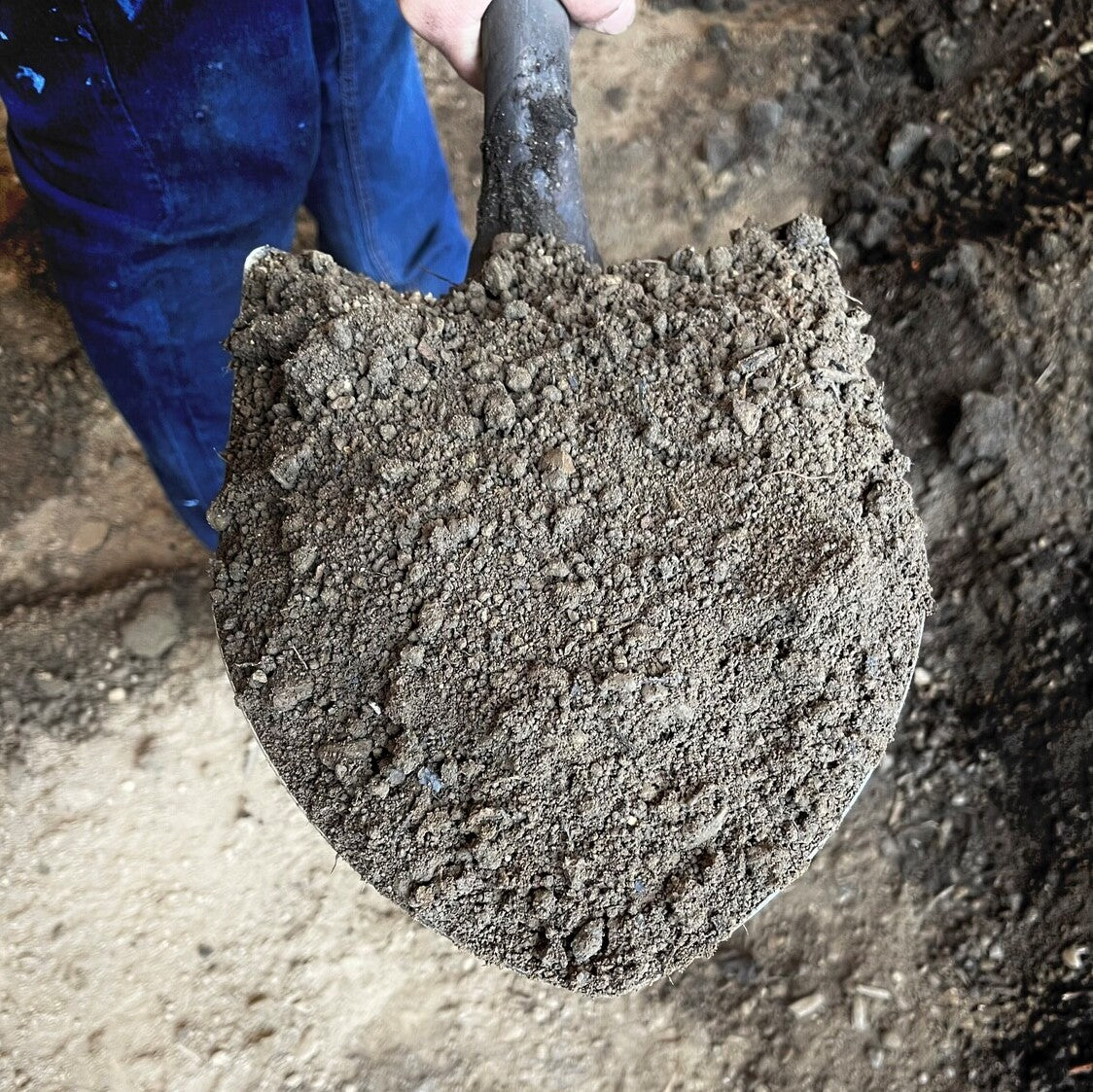


Good quality top soil and was delivered exactly where I wanted it. Nice Job!
About this soil
Quality topsoil for lawns, gardens, and landscape projects. Nutrient rich and ready to support strong root development and healthy plant establishment.
Good quality top soil and was delivered exactly where I wanted it. Nice Job!
Tell us what you're looking for
Thanks! We received your request.
Something went wrong. Please try again.
How Much Material Do I Need?
How Much Material Do I Need?
For new garden beds in Coral Springs, aim for a minimum of six inches of imported soil above the sandy limestone native ground, and for raised beds built directly over hard limestone substrate, twelve inches or more is the practical standard for healthy and productive root development.
Use our free soil calculator
What is a yard?
What is a yard?
FAQs
FAQs
Coral Springs Soil Delivery
Coral Springs Soil Delivery
Regular price
$64.00
per
yard
Regular price
Sale price
$64.00
Unit price
per
Shipping calculated at checkout.
Minimum of 3 yard
Couldn't load pickup availability
Hand-picked local yards
4,000+ regional deliveries
Dedicated support
Why order through Mulch Mound
The best local soil, without the guesswork.
We hand-pick and partner with the best yards in your region, keep only the ones our buyers rate well, and back each load with our guarantee.
Mulch Mound Guarantee
If your soil isn't the quantity or quality you ordered, we'll make it right.
About this soil
Quality topsoil for lawns, gardens, and landscape projects. Nutrient rich and ready to support strong root development and healthy plant establishment.
Good quality top soil and was delivered exactly where I wanted it. Nice Job!
How Much Material Do I Need?
How Much Material Do I Need?
For new garden beds in Coral Springs, aim for a minimum of six inches of imported soil above the sandy limestone native ground, and for raised beds built directly over hard limestone substrate, twelve inches or more is the practical standard for healthy and productive root development.
Use our free soil calculator
What is a yard?
What is a yard?
FAQs
FAQs
Tell us what you're looking for
Thanks! We received your request.
Something went wrong. Please try again.
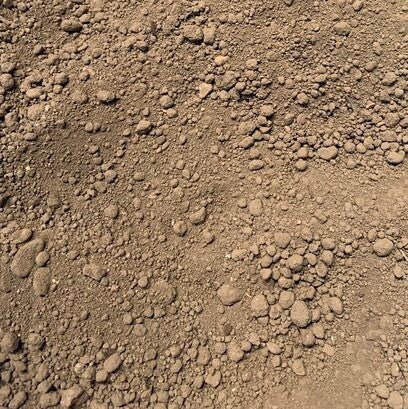
How It Works
Getting started is easy — just follow these simple steps
1
Choose your soil
Make sure you adjust the quantity to your home's needs. You can use our calculator to estimate how much you'll need.
2
Select your delivery date
Select a delivery date you'd like for the product to be dropped off at your home
3
Sit back and wait
Sit back, wait, and let us work our magic to make sure the highest quality product is delivered to your driveway.

Online ordering was really simple and I liked the transparent pricing.

Easy to order, great service, and great product. We enjoy the final look of a very neglected beds we inherited!
Need Help Calculating How Much Soil You Need?
Use our NEW Trace from Satellite tool to get an estimate for your project based on an aerial view of your property
Try Our CalculatorMeasure your project area in feet, then determine the fill depth you need, typically four to six inches for top-dressing lawn areas and six to twelve inches for new planting beds in Coral Springs. Because the sandy limestone base drains so freely, adding a bit more depth than you might use in a heavier soil region gives plant roots a larger buffer of quality growing medium to work with through the dry season.
Soil Types We Deliver in Coral Springs
Coral Springs yards often sit on sandy, nutrient-poor ground that struggles to support lush lawns and thriving garden beds without a quality amendment. We make it easy to order bulk topsoil by the yard in Coral Springs, with delivery measured by the cubic yard so you get exactly what your project needs. Whether you are filling raised beds, regrading a lawn, or preparing a new landscape area, fresh soil delivered to your driveway is the fastest way to get started.
Screened Top Soil
Our screened top soil is run through a fine screen to remove rocks, roots, and clumps, leaving a smooth, workable material that blends easily into South Florida yards. It is nutrient rich and well suited for overseeding thin lawns, building up garden beds, or filling low spots around homes with sandy native ground.
Complete Your Outdoor Soil Project
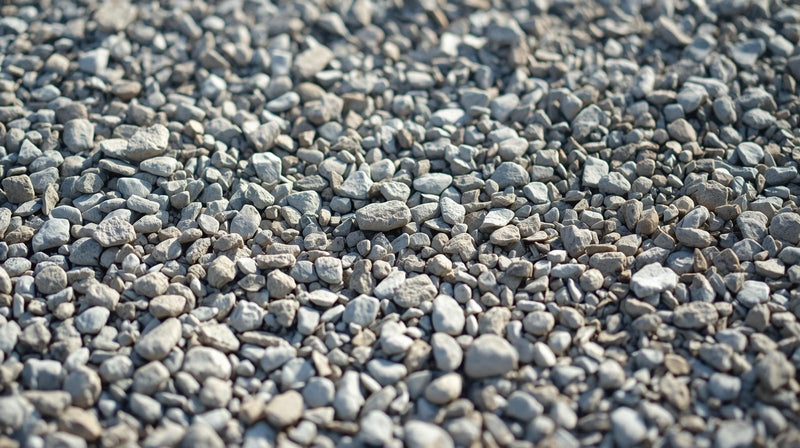
After establishing your new soil base in Coral Springs, top the area with a layer of organic mulch to slow the rapid evaporation that Zone 10b heat and the sandy soil would otherwise cause, and consider adding stone borders or pathways to frame your new beds and keep the heavy summer rains from washing your fresh soil out of position.

Service area
Areas we deliver soil in Coral Springs, Florida
Mulch Mound Pro Tip
When adding topsoil to existing lawn areas in Coral Springs, apply it in thin layers no deeper than half an inch at a time and work it down into the grass rather than burying the turf under a single thick application. Coral Springs's loose sandy base actually makes this easier since top-dressing material filters down naturally without suffocating the grass, and over several applications it builds a more nutrient-rich surface layer through the growing season.
Mulch Mound Pro Tip
For new garden beds in Coral Springs, consider blending your imported topsoil down into the top few inches of native sandy soil rather than laying it on top as a completely separate layer. This creates a gradual transition zone that helps roots move naturally from the rich imported soil into the native base over time, rather than hitting an abrupt boundary where water can pool and roots can stall at the interface between the two soil types.
Mulch Mound Pro Tip
Plan your larger soil projects in Coral Springs to finish before the peak of hurricane season from August through October. Heavy and sustained rainfall during those months can move freshly placed soil before it has time to compact and bind, especially on gently sloped areas or around newly graded lawn zones. A project completed in May or early June has weeks of moderate weather to settle and stabilize before the most intense storms typically arrive.
The Unique Landscape of Coral Springs
Coral Springs's native sandy limestone soil is one of the most challenging growing mediums in South Florida because it drains water almost instantly, holds very few nutrients, and carries a naturally elevated pH due to the limestone content throughout the substrate. Whether you are building a raised garden bed, grading a low spot in your lawn, or establishing entirely new planting zones, bringing in quality topsoil or garden soil is often the only practical way to create a growing medium that actually supports healthy and productive root development. The city's 61 inches of annual rainfall sounds generous on paper, but when that water drains straight through the sandy base within minutes of reaching the ground, plants growing in unamended beds can still struggle during even brief dry periods in the cooler months. In Zone 10b, where plants grow actively year-round without a true dormant season, soil nutrients are consumed continuously and the growing medium needs to be rich enough to sustain that constant activity. Adding quality soil to Coral Springs landscapes is a genuine long-term investment that pays off more each season as organic matter builds gradually and the overall growing environment improves.