Mulch Mound made it so easy! So happy with the pricing, turn around time, delivery and product. I submitted my online order on a Thursday. The mulch was delivered to the designated location by a local landscape company at 8:30 a.m. the following Saturday morning. We had the...
Tell us what you're looking for
Thanks! We received your request.
Something went wrong. Please try again.
How Much Material Do I Need?
For Corpus Christi's sandy clay soil, a 3-inch depth is the practical minimum for most ornamental beds, and stepping up to 4 inches in areas with full Gulf sun exposure will significantly extend the time between waterings. Beds along south-facing walls and open coastal exposures tend to dry the fastest and benefit most from that extra inch.
Use our free mulch calculator
What is a yard?
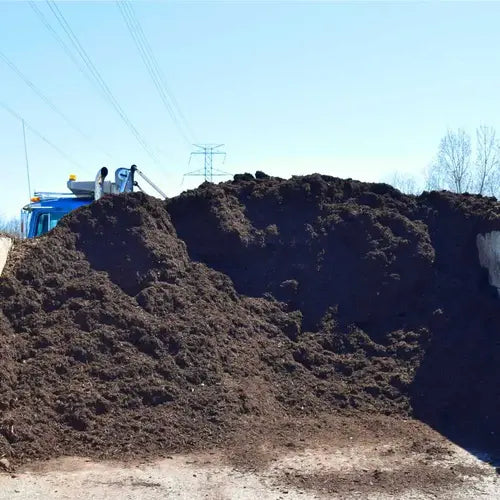
A yard is approximately 27 cubic feet. As a general guideline, one yard of material can cover an area of about 10 feet by 10 feet at a few inches deep.
Mulch Mound made it so easy! So happy with the pricing, turn around time, delivery and product. I submitted my online order on a Thursday. The mulch was delivered to the designated location by a local landscape company at 8:30 a.m. the following Saturday morning. We had the...
How Much Material Do I Need?
For Corpus Christi's sandy clay soil, a 3-inch depth is the practical minimum for most ornamental beds, and stepping up to 4 inches in areas with full Gulf sun exposure will significantly extend the time between waterings. Beds along south-facing walls and open coastal exposures tend to dry the fastest and benefit most from that extra inch.
Use our free mulch calculator
What is a yard?
A yard is approximately 27 cubic feet. As a general guideline, one yard of material can cover an area of about 10 feet by 10 feet at a few inches deep.
Mulch Mound made it so easy! So happy with the pricing, turn around time, delivery and product. I submitted my online order on a Thursday. The mu...
Read full review
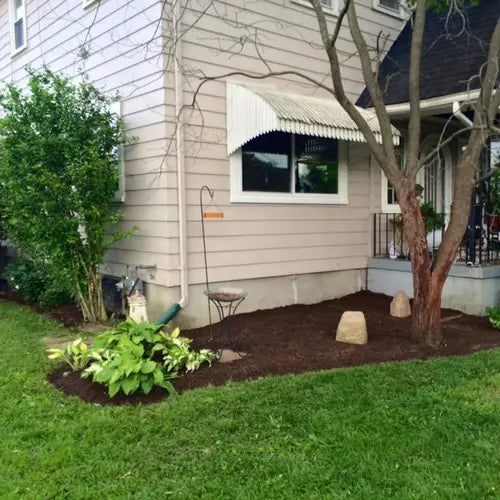
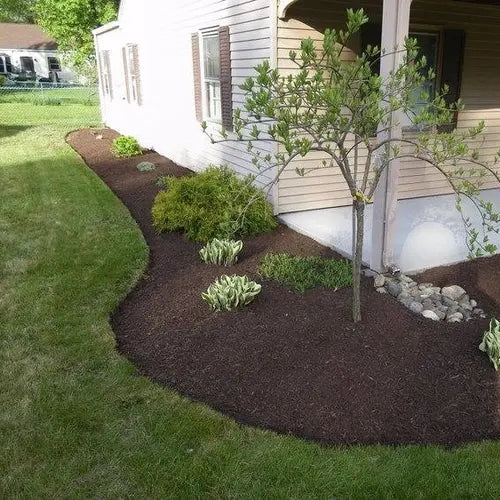
Mulch Mound made it so easy! So happy with the pricing, turn around time, delivery and product. I submitted my online order on a Thursday. The mulch was delivered to the designated location by a local landscape company at 8:30 a.m. the following Saturday morning. We had the job completed by that afternoon. We chose the natural brown mulch, and the plant beds are beautiful.
Good quality, great price, fast delivery. All online - no submitting forms and waiting for days for quotes. Getting mulch should be this easy fr...
Read full review
Good quality, great price, fast delivery. All online - no submitting forms and waiting for days for quotes. Getting mulch should be this easy from everyone. Only Mulch Mound is ACTUALLY this simple.
I highly recommend Mulch Mound. The quality of the mulch is very good. The ordering system on their website makes it very easy. The delivery driver...
Read full review
I highly recommend Mulch Mound. The quality of the mulch is very good. The ordering system on their website makes it very easy. The delivery driver did a great job placing the mulch on the driveway. To finish off, the pricing was very reasonable as well.
Measure the length and width of each bed in feet and multiply to get square footage, then divide your desired depth in inches by 12 and multiply by the square footage to find cubic feet needed. In Corpus Christi, where sandy clay soil loses moisture quickly between rain events, erring on the side of a full 3-inch depth rather than a lighter 2-inch layer will give you noticeably better results through the dry stretches. Our online calculator handles the math so you can enter your bed dimensions and get a bulk quantity recommendation in seconds.
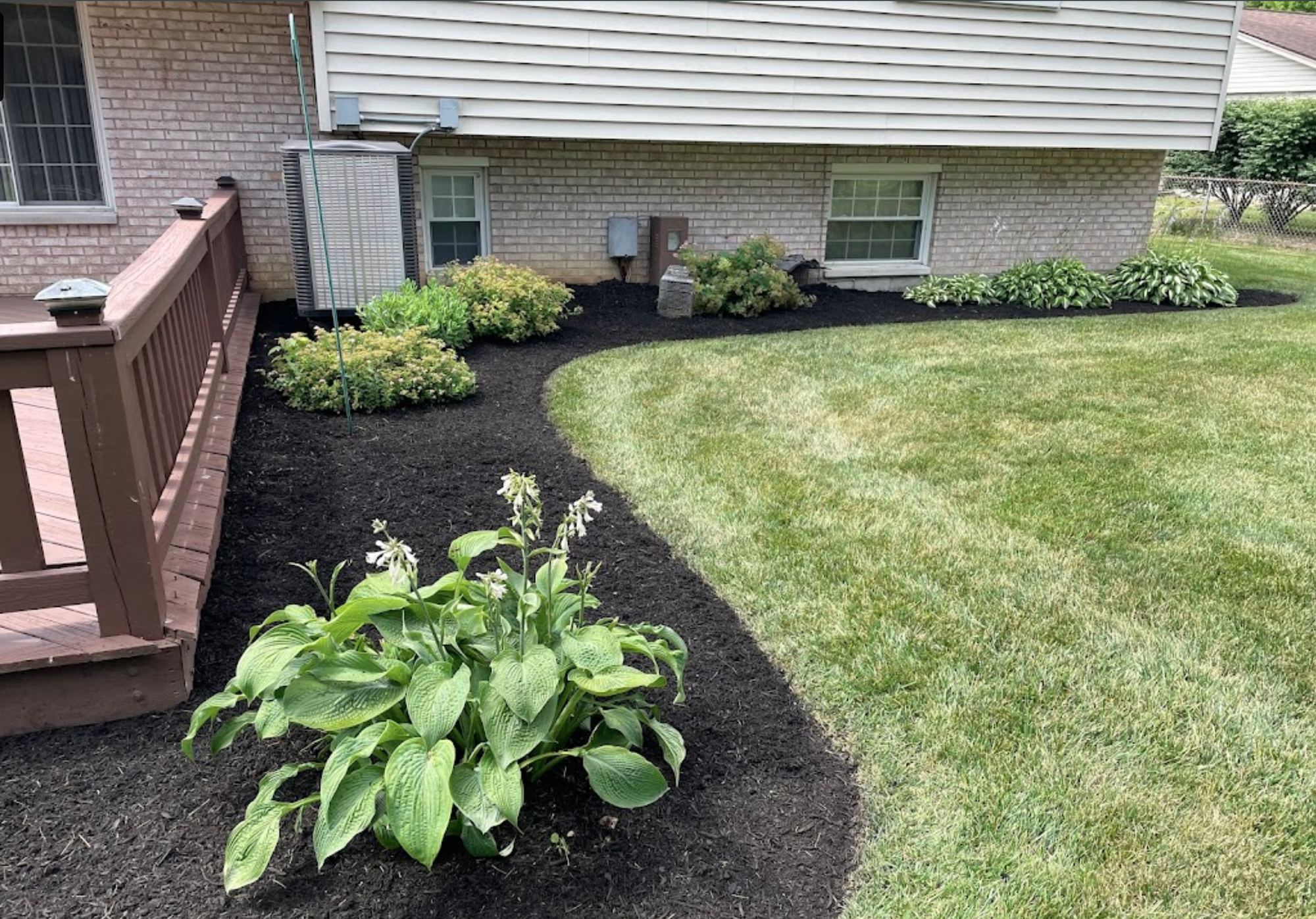
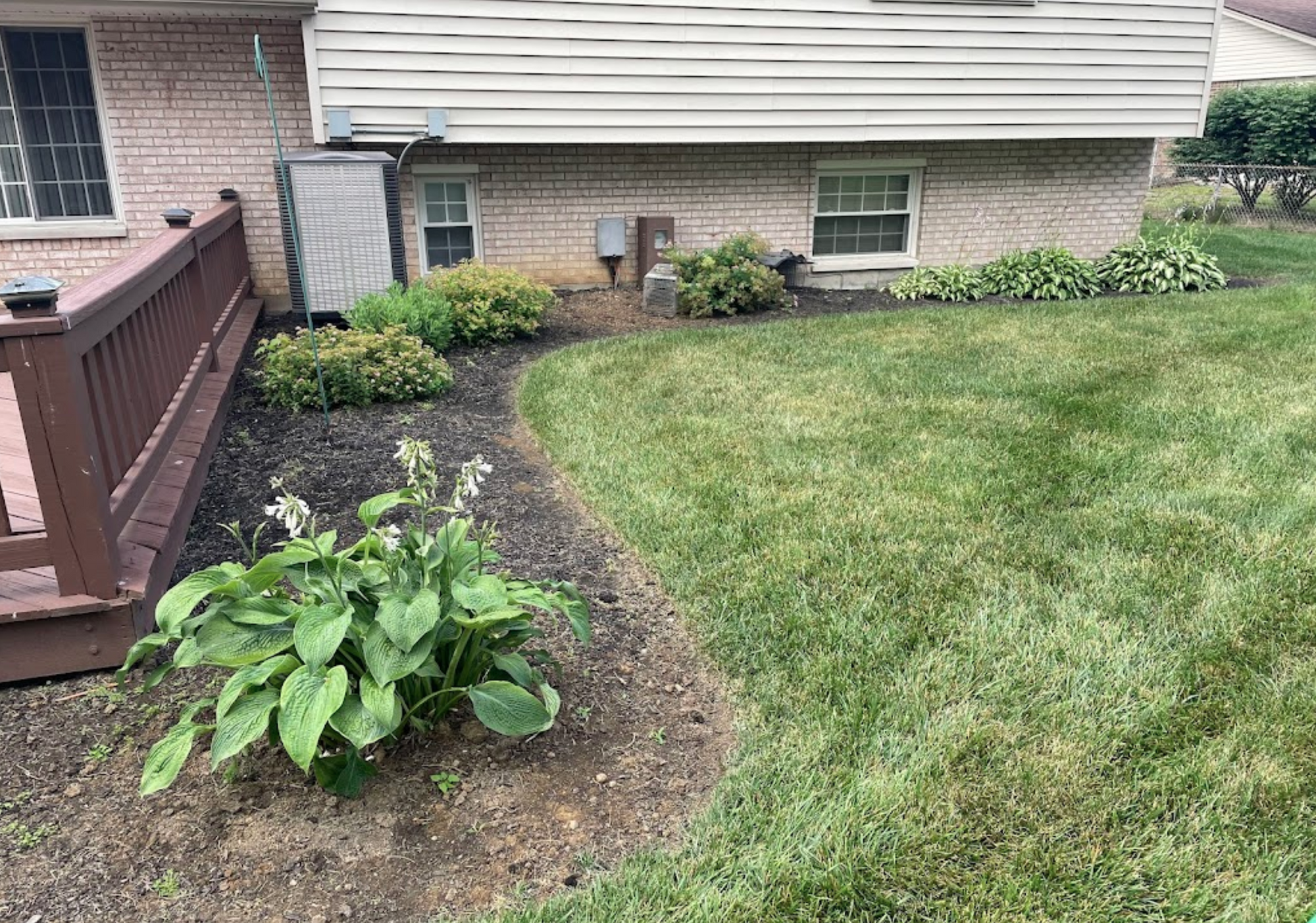
Mulch vs. No Mulch: The Difference
In Corpus Christi's Zone 9b climate, where summer temperatures stay elevated for months and UV intensity is high, natural hardwood mulch breaks down faster than it would in cooler regions, feeding the soil but requiring more frequent refreshing. Dyed mulch uses a slower-decomposing base wood that resists breakdown longer, making it a practical choice for high-visibility beds where color consistency matters through the long Gulf Coast warm season. Both types provide meaningful moisture retention benefits, but the right choice depends on whether improving Corpus Christi's sandy clay soil over time or maintaining curb appeal through the summer is your primary goal.
Before
After
Best Mulch Choice for Corpus Christi Lawns
Most yards in the Corpus Christi area sit on Sandy Clay type of soil. Corpus Christi's sandy clay soil drains poorly when compacted and can form a surface crust that sheds water rather than absorbing it, leaving plant roots thirsty even after a rain event. Without a protective mulch layer, that crust hardens quickly under the South Texas sun and becomes increasingly difficult for roots to penetrate.
Hardwood Mulch
Hardwood mulch gradually breaks down into humus that works into Corpus Christi's sandy clay, improving its structure over multiple seasons by increasing the organic matter content that helps soil hold moisture and remain loose between rain events. Over two or three seasons of annual top-offs, the accumulated decomposed hardwood can meaningfully transform the top several inches of the native clay into a richer, more productive growing medium.
Mulch Types We Deliver in Corpus Christi
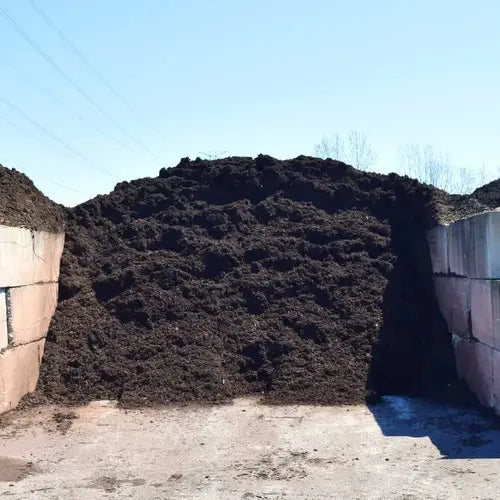
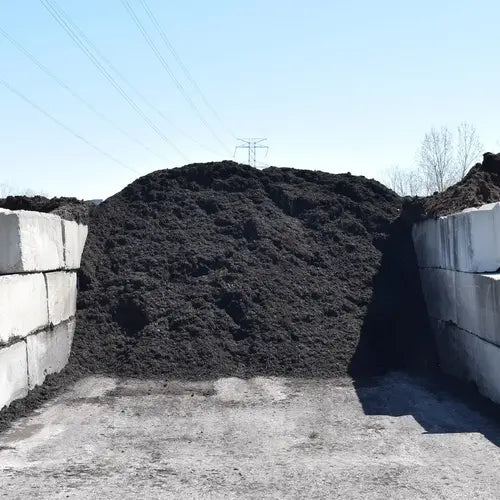
Whether you are freshening up beds around a coastal home or covering a large commercial property, bulk mulch delivery in Corpus Christi puts the cubic yards you need right in your driveway without a trip to the store. Our mulch varieties are available by the cubic yard and chosen to hold their look through the intense sun, salt air, and heavy seasonal rains common along this stretch of the Gulf Coast.
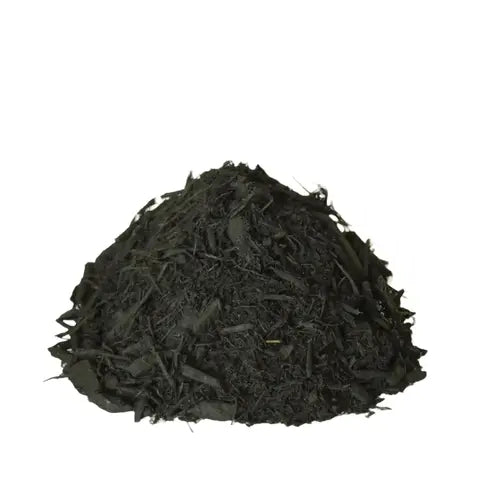
Dyed Black Mulch
Bold and striking, dyed black double shredded mulch suits homeowners who want sharp contrast against the sandy soil, gravel, or pale stonework common in South Texas landscapes. The rich color holds through intense sun and coastal rain, and the smooth double shredded texture makes spreading fast and even across any bed size.
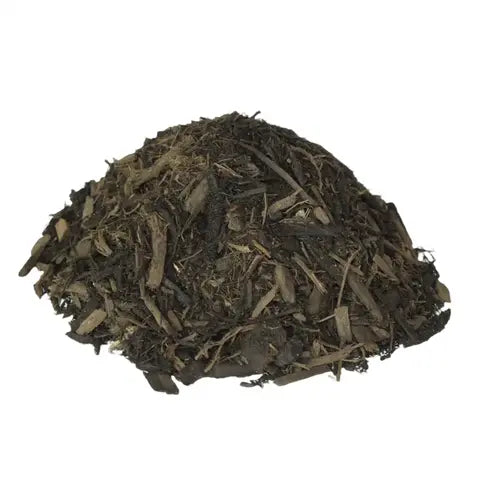
Dyed Brown Mulch
Warm and inviting, dyed brown double shredded mulch pairs naturally with the earthy tones of brick, stone, and native plantings found on many South Texas properties. The lasting color stays vibrant for weeks through summer heat and high humidity, and the smooth texture spreads evenly for a polished, finished look in any bed.
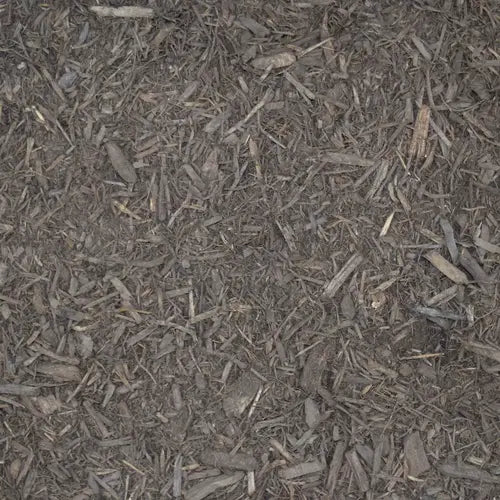
Natural Brown Mulch
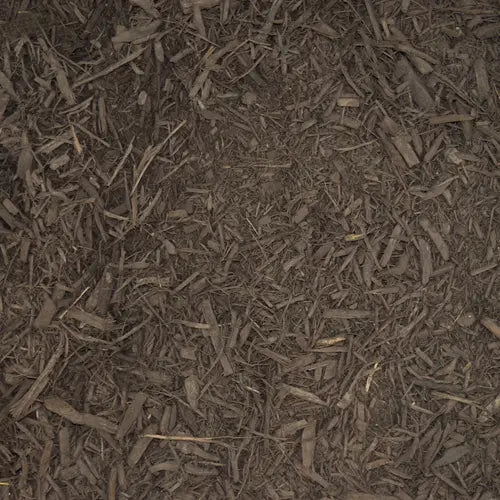
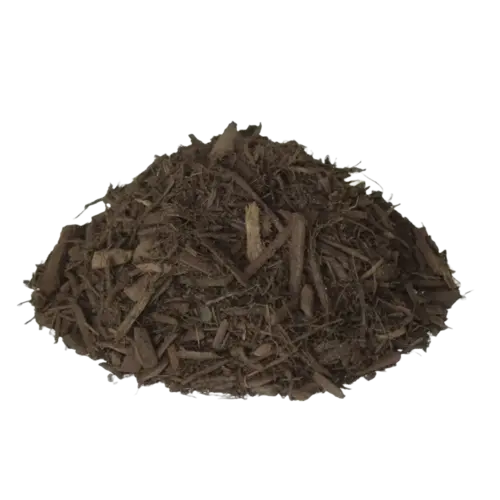
Natural brown double shredded mulch offers an undyed, honest wood tone that blends easily with native plants and drought tolerant landscapes common along the Gulf Coast. It suits homeowners who prefer an organic, understated look, and the fine texture spreads cleanly without clumping in the warm, humid South Texas climate.
Complete Your Outdoor Mulch Project
If your beds need rebuilding before you mulch, our bulk garden soil blends pair perfectly with mulch to give Corpus Christi plants the nutrient-rich base they need above the naturally dense sandy clay native ground. Add decomposed granite or river stone as a border edging to keep mulch contained against Corpus Christi's persistent coastal winds and give your landscape a polished finished look.
Corpus Christi's sandy clay soil tends to repel water when it dries out completely, a condition called hydrophobia. Before laying fresh mulch, thoroughly soak the soil so moisture can penetrate several inches deep. Mulching over bone-dry soil traps that dry condition underneath, making it even harder for rainfall to reach your plant roots during the next dry stretch. A slow, deep watering the day before you spread mulch makes a measurable difference in how well your plants respond.
Mulch Mound Pro Tip
Timing your mulch application matters in Zone 9b. Lay fresh mulch in late January or early February, right around the last frost date of February 1, to protect soil as temperatures begin their rapid spring climb. This captures whatever winter soil moisture remains and gives your plants a buffer heading into the long Corpus Christi warm season before Gulf heat peaks. Waiting until summer to mulch means losing weeks of critical moisture retention during the fastest-drying months of the year.
Mulch Mound Pro Tip
Corpus Christi receives about 32 inches of rain per year, but much of it arrives in short, intense bursts rather than steady soaking rains. Thick mulch layers slow surface runoff from those heavy downpours, giving sandy clay soil more time to absorb each event before water sheets off the surface. Properly applied mulch can effectively make that 32 inches of annual rainfall work harder for your landscape than bare soil ever could, reducing the feast-or-famine cycle that stresses plants between Gulf Coast storm events.
Frequently Asked Questions
Click a question to see the answer
Answer
How thick should I apply mulch in Corpus Christi given our sandy clay soil?
A 3-inch layer is ideal for most Corpus Christi beds. Sandy clay in the Coastal Bend tends to form a hard surface crust when exposed to direct sun and wind, so that depth gives enough insulation to protect soil structure while still allowing the modest rainfall we receive each year to penetrate to the root zone rather than running off the top.
Answer
Will mulch help with the weeds that seem to take over my beds every spring?
Absolutely. Corpus Christi's long warm season, which can run from February through November given our Zone 9b climate, gives opportunistic weeds a huge window to establish. A consistent 3-inch mulch layer blocks sunlight from reaching weed seeds in the soil, dramatically cutting the germination rate so you spend less time pulling and more time enjoying your yard.
Answer
Does the Gulf Coast humidity cause mulch to mold or break down faster here?
Humidity can accelerate surface mold on mulch, especially in low-airflow areas near fences or dense shrubs. In Corpus Christi, choosing a coarser hardwood blend allows better air circulation through the material, reducing mold risk. Some surface discoloration is normal and does not affect the mulch's ability to insulate soil or suppress weeds.
Answer
How often will I need to refresh my mulch in Corpus Christi?
Plan on refreshing once a year. The combination of Corpus Christi's intense summer heat, consistent Gulf winds, and occasional heavy rain events breaks down organic mulch more quickly than in cooler inland climates. A thin top-off each spring, just before temperatures climb above 90 degrees, keeps your beds protected through the most stressful growing months.
Answer
Is dyed mulch safe for my vegetable garden beds in Corpus Christi?
Most dyed mulches use iron oxide or carbon-based colorants that are generally considered safe, but if you are growing edibles in Corpus Christi's warm Zone 9b conditions, natural hardwood or pine mulch is the more conservative choice. Natural mulch also breaks down into organic matter that gradually improves the sandy clay soil structure over multiple seasons.
Answer
What type of mulch holds its color best through a Corpus Christi summer?
Dyed mulches, particularly dark brown and black varieties, hold their color longer than natural wood products under the direct South Texas sun. However, the intense UV exposure along the Coastal Bend will fade any mulch over time. If aesthetics are a priority, plan on a light top-off in the fall to restore the color after the peak summer sun has done its work.
Answer
Can I use mulch around my palm trees and tropical plants without hurting them?
Yes, mulch works very well around palms and tropical species common in Corpus Christi landscapes. Keep mulch a few inches away from the trunk base to prevent moisture buildup at the crown, which can invite rot in our humid coastal climate. A wide mulch ring extending to the drip line helps maintain the consistent soil moisture that palms prefer through dry Gulf Coast summers.
The Unique Landscape of Corpus Christi
Corpus Christi's sandy clay soil creates a frustrating cycle for homeowners, pulling moisture away from plant roots during dry stretches and then compacting into a hard crust after heavy Gulf Coast rains. A thick layer of mulch breaks that cycle by regulating soil temperature through the intense South Texas summers, when ground temperatures can climb high enough to stress shallow root systems. With only 32 inches of annual rainfall spread unevenly across the year, every drop of moisture matters, and mulch reduces evaporation significantly in the hot, wind-driven Coastal Bend climate. The relatively short freeze window between roughly December 21 and February 1 means plant roots stay active longer than in most parts of the country, making consistent soil insulation a year-round priority rather than a seasonal one. Mulch also buffers the surface of Corpus Christi's sandy clay against the erosive force of sudden heavy downpours, slowing runoff so rainfall has time to soak in rather than sheet off bare beds.