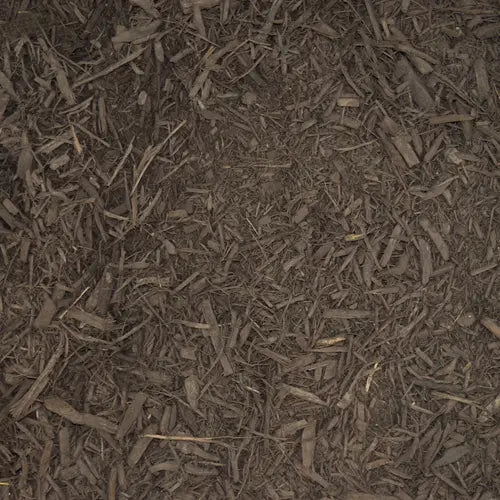
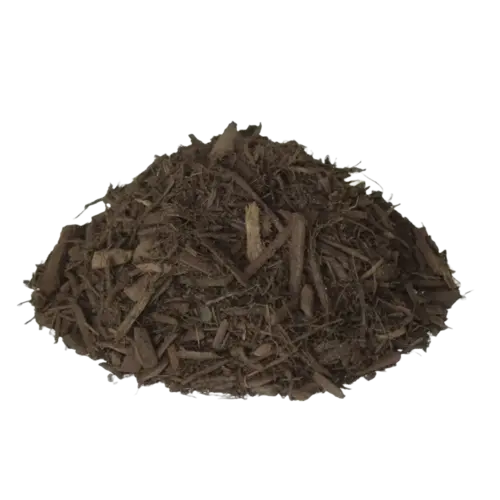
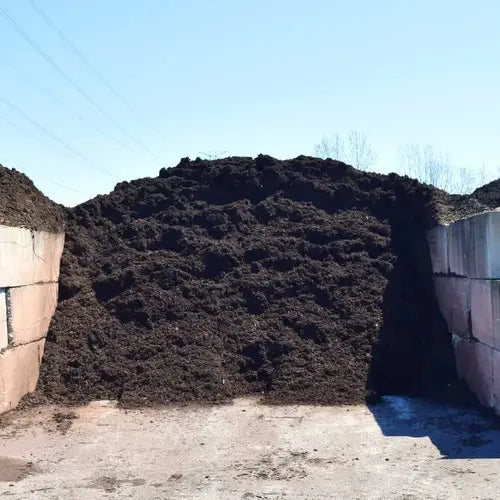
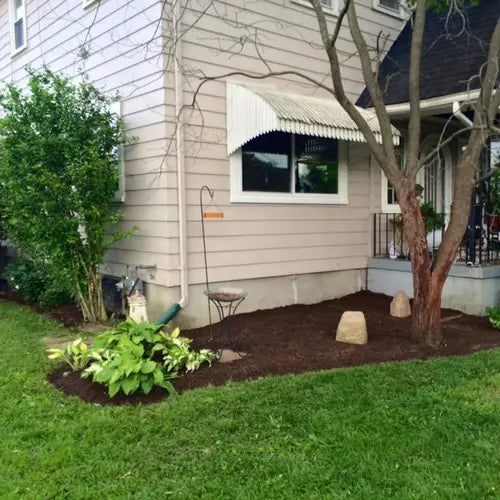
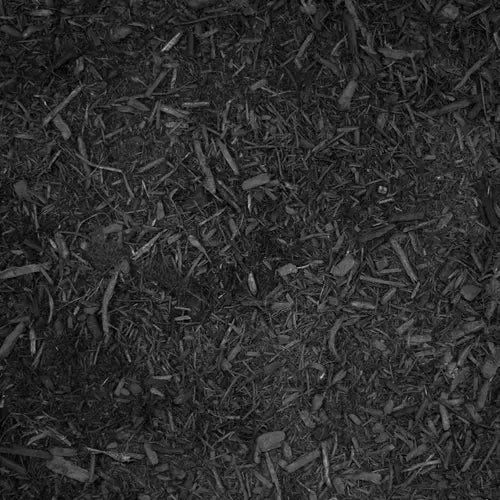
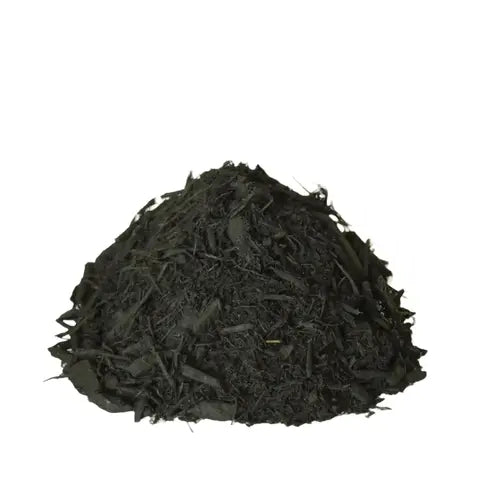
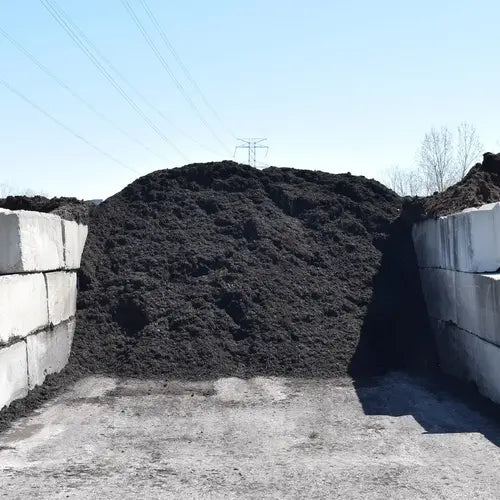
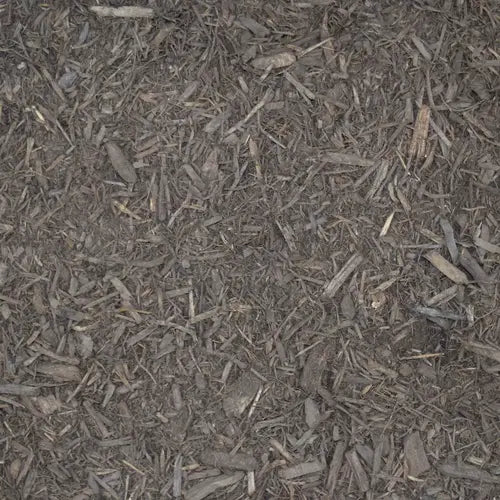
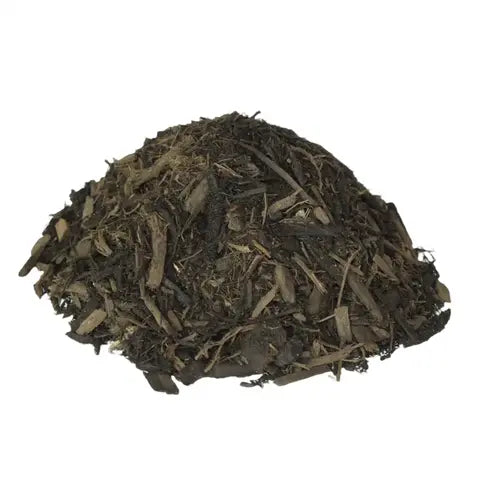
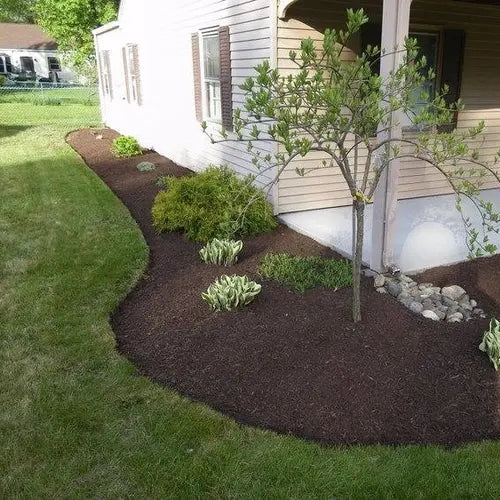
Warm brown double shredded mulch with lasting color that looks freshly applied for weeks. Spreads smooth, stays put, and gives beds a natural, polished appearance.
They offered a quick turnaround and delivered high quality mulch at a reasonable price. They also dropped it off exactly where I told them to put it. Good service!
Tell us what you're looking for
Thanks! We received your request.
Something went wrong. Please try again.
How Much Material Do I Need?
For most Deerfield Beach planting beds in sandy soil, a 3 to 4 inch application depth is recommended to meaningfully slow moisture loss and suppress the tropical weeds that grow year-round in Zone 10b. If you are refreshing an existing layer, a 1 to 2 inch top-off is typically sufficient to restore coverage and color without over-piling.
Use our free mulch calculator
What is a yard?
A yard is approximately 27 cubic feet. As a general guideline, one yard of material can cover an area of about 100-160 square feet at a 2-3 inch depth.
We can't take orders for this right now. Tell us what you need and we'll get back to you.
What do you need?
Thanks! We received your request.
Something went wrong. Please try again.
Hand-picked local yards
4,000+ regional deliveries
Dedicated support
Why order through Mulch Mound
The best local mulch, without the guesswork.
We hand-pick and partner with the best yards in your region, keep only the ones our buyers rate well, and back each load with our guarantee.
Mulch Mound Guarantee
If your mulch isn't the quantity or quality you ordered, we'll make it right.
About this mulch
Warm brown double shredded mulch with lasting color that looks freshly applied for weeks. Spreads smooth, stays put, and gives beds a natural, polished appearance.
They offered a quick turnaround and delivered high quality mulch at a reasonable price. They also dropped it off exactly where I told them to put it. Good service!
How Much Material Do I Need?
For most Deerfield Beach planting beds in sandy soil, a 3 to 4 inch application depth is recommended to meaningfully slow moisture loss and suppress the tropical weeds that grow year-round in Zone 10b. If you are refreshing an existing layer, a 1 to 2 inch top-off is typically sufficient to restore coverage and color without over-piling.
Use our free mulch calculator
What is a yard?
A yard is approximately 27 cubic feet. As a general guideline, one yard of material can cover an area of about 100-160 square feet at a 2-3 inch depth.
They offered a quick turnaround and delivered high quality mulch at a reasonable price. They also dropped it off exactly where I told them to put i...
Read full review
They offered a quick turnaround and delivered high quality mulch at a reasonable price. They also dropped it off exactly where I told them to put it. Good service!
Great experience! Easy to order, they delivered promptly and were very respectful of the property! Ordered the triple shredded brown mulch and it w...
Read full review
Great experience! Easy to order, they delivered promptly and were very respectful of the property! Ordered the triple shredded brown mulch and it was EXACTLY what I wanted. Very clean product too, no garbage or filler. Already put these guys in my calendar to order from next year! Keep up the good work.
Before ordering, measure the length and width of each bed in feet and multiply those figures to get your total square footage. Deerfield Beach's sandy soil benefits most from a consistent 3 to 4 inch mulch depth, so divide your total square footage by 81 to calculate the cubic yards needed at a 4-inch depth. It is always wise to order slightly more than you calculate, since coverage can vary depending on how densely you spread and how uneven the sandy terrain is across your property.
Mulch vs. No Mulch: The Difference
Deerfield Beach's subtropical heat, relentless UV exposure, and 62 inches of annual rainfall create conditions that break down organic mulch far faster than in most of the country. Natural mulches like hardwood and pine bark decompose more quickly here than in cooler climates, which means more frequent replenishment but also a steady contribution of organic matter to the nutrient-poor sandy soil. Dyed mulches trade some of that soil-building benefit for a consistent, long-lasting color that holds up better under the unrelenting South Florida sun throughout the growing season.
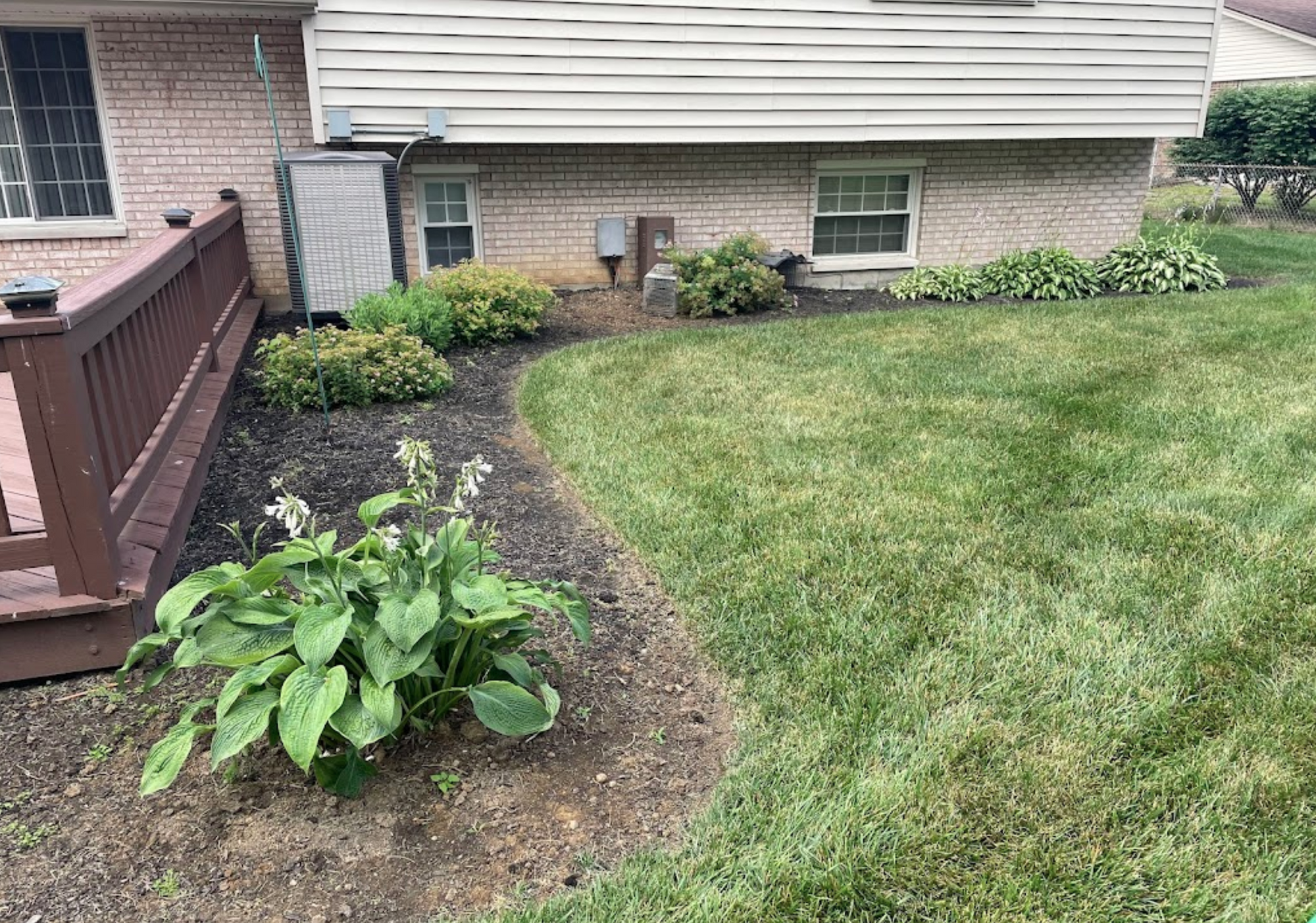
Before
After
Best Mulch Choice for Deerfield Beach Lawns
Most yards in the Deerfield Beach area sit on Sandy type of soil. Deerfield Beach's sandy soil is naturally low in organic matter and drains so rapidly that plant roots in unimproved beds struggle to access consistent moisture and nutrients between waterings. Without a mulch layer protecting the surface, that sandy soil bakes hard in the summer heat and provides very little support for ornamental plantings trying to thrive in the coastal conditions.
Hardwood Mulch
Hardwood mulch is particularly well suited to Deerfield Beach's sandy soil because as it decomposes in the heat and humidity, it releases organic matter directly into the sandy substrate, gradually improving its water retention and nutrient-holding capacity. Over multiple seasons, consistent hardwood mulch applications can make a meaningful improvement to even the coarsest and most nutrient-poor coastal sandy soil.
Mulch Types We Deliver in Deerfield Beach
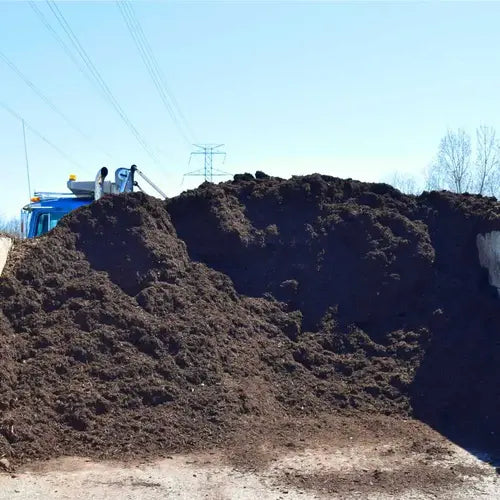
Getting bulk mulch delivery in Deerfield Beach is straightforward with Mulch Mound. We deliver by the cubic yard directly to your driveway or job site, so you get exactly the volume you need without hauling bags. The sandy soil and intense sun throughout South Florida make a thick layer of quality mulch one of the smartest investments for any landscape.
Dyed Black Mulch
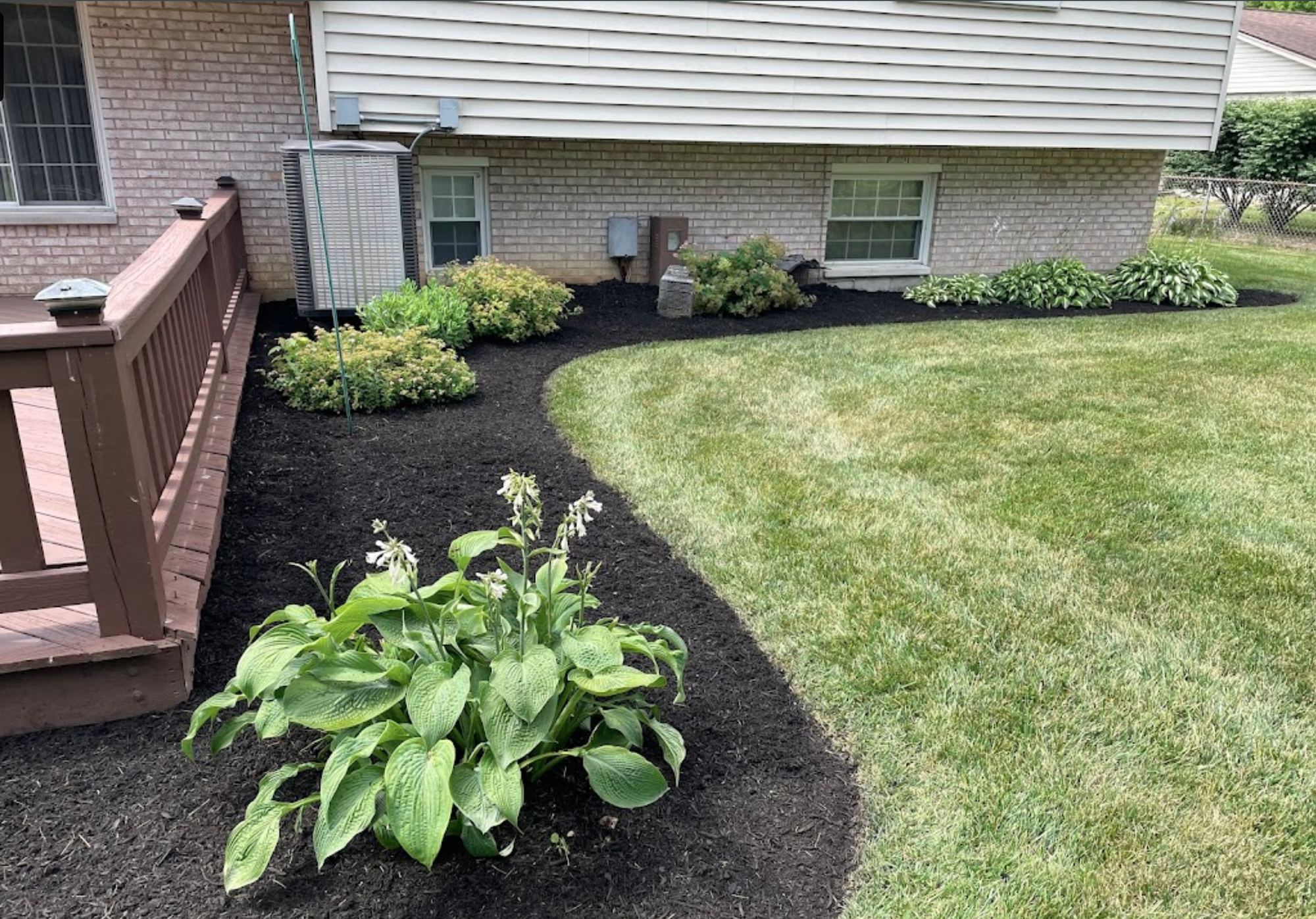
Available in double shredded form, this bold black mulch makes plant beds pop against the pale stucco homes and tropical foliage common in Deerfield Beach. The rich color holds up well under intense Florida sun and heavy summer rains, giving beds a crisp and freshly finished look that lasts for weeks.
Dyed Brown Mulch
Delivered in double shredded form, this warm brown mulch blends naturally with the sandy soils and bright open landscapes typical of coastal South Florida. The lasting color looks freshly applied long after installation, making it a popular choice for homeowners who want polished, tidy beds with minimal effort.
Natural Brown Mulch
This double shredded undyed mulch delivers an earthy brown tone that comes straight from the wood itself, making it a natural fit for the relaxed tropical garden styles seen throughout South Florida. It spreads cleanly over sandy soil, retains moisture through the hot summer months, and offers an honest, grounded look.
Complete Your Outdoor Mulch Project
Pairing mulch with a quality topsoil or garden mix in your beds helps address Deerfield Beach's nutrient-poor sandy soil at the root level while the mulch works on the surface above. Consider adding stone edging or a gravel border to keep your mulch contained during South Florida's heavy summer rain events.
In Deerfield Beach's year-round growing season, weeds never stop competing with your plants for moisture and nutrients in the sandy soil. Apply mulch in a continuous, uninterrupted layer and make sure coverage reaches the full edges of each bed without gaps. This consistent application is far more effective at weed suppression than patchy coverage, especially during the warm and wet summer months when weed germination and growth rates are at their peak in Zone 10b.
Mulch Mound Pro Tip
Because Deerfield Beach sits at only 12 feet of elevation and the sandy soil has a very limited capacity to buffer temperature changes, the root zone of shallow-rooted ornamentals can heat up quickly during dry spells between rain events. Mulch acts as insulation for the soil surface, moderating root-zone temperature and keeping roots cooler during the peak of summer heat. This thermal buffering is especially valuable for newly planted tropicals and flowering perennials that are still establishing themselves in the loose coastal soil.
Mulch Mound Pro Tip
With 62 inches of annual rainfall concentrated heavily in a summer rainy season, Deerfield Beach landscapes can swing from saturated to drought-dry very quickly once the rains taper off in October and November. Applying a fresh layer of mulch in late May, just before the rainy season begins, allows the mulch to settle and integrate with the sandy soil surface so it is working at full effectiveness when the dry season returns. This timing also gives the organic material an entire wet season to begin breaking down and quietly improving the nutrient content of your sandy beds.
Frequently Asked Questions
Click a question to see the answer
Answer
How often do I need to replace mulch in Deerfield Beach since we never get a freeze to slow things down?
Without a winter freeze to slow biological activity, mulch in Deerfield Beach breaks down faster than in almost any other part of the country. The combination of Zone 10b heat, persistent humidity, and heavy summer rainfall accelerates decomposition significantly throughout the year. Most Deerfield Beach homeowners find they need to top off or fully refresh their mulch once or twice a year, typically in late spring before the rainy season begins and again in early fall when rainfall starts to taper off.
Answer
My sandy soil dries out so fast between rain events. Will mulch actually make a noticeable difference?
Absolutely. Sandy soil in Deerfield Beach has very large particle sizes and minimal organic matter, which means water passes through it quickly and evaporates rapidly from the surface. A 3 to 4 inch layer of organic mulch dramatically slows that evaporation by shading the soil and creating a physical barrier against the intense South Florida sun. Mulched beds consistently retain far more moisture than bare sandy soil, which can reduce how often you need to irrigate tropical plants and ornamentals throughout the dry season.
Answer
Will the heavy summer downpours we get here wash my mulch right out of the beds?
Deerfield Beach's summer rain events can be intense, with short bursts delivering large volumes of water in a matter of minutes. Lighter mulch materials like pine bark nuggets can float and shift during those heavy downpours. Denser hardwood mulch and shredded varieties tend to knit together and resist displacement better when properly applied. Keeping beds edged and slightly raised at the borders also helps contain mulch during the 62 inches of annual rainfall this area receives.
Answer
Does organic mulch attract termites or other pests in South Florida's humid climate?
In Deerfield Beach's warm, humid environment, organic mulch can harbor moisture-loving insects like sowbugs, millipedes, and occasionally termites if the mulch is piled directly against wood structures or your home's foundation. The key is to keep mulch pulled back at least 6 inches from your foundation and any wooden trim or siding. Cedar mulch contains natural oils that tend to deter some insects, making it a popular choice for homeowners in humid South Florida landscapes who want a bit of added protection.
Answer
Can I use mulch around my palm trees and tropical plantings?
Yes, and it is actually very beneficial for palms and tropical plants in Deerfield Beach. A wide ring of mulch extending 3 to 4 feet from the base of a palm mimics the natural leaf litter layer found in tropical forest environments, helping the sandy soil retain moisture and slowly build organic matter over time. Just avoid piling mulch directly against the trunk itself, which can promote fungal rot in the consistently warm and humid coastal conditions.
Answer
What mulch color will actually hold up in the intense Deerfield Beach sun without fading quickly?
The intense UV exposure and year-round sunshine in Deerfield Beach will fade any natural mulch relatively quickly, often within two to three months. Dyed mulches, particularly black and dark brown varieties, are formulated with UV-resistant colorants that hold their appearance for a full season or longer, giving your beds a consistently manicured look. Natural hardwood mulch will grey and fade faster under South Florida's sun, though it continues to deliver all the practical benefits of moisture retention and weed suppression as it ages.
Answer
How thick should I apply mulch during Deerfield Beach's rainy season to get the most out of it?
For Deerfield Beach's rainy season, which typically runs from June through September, a 3 to 4 inch layer is the ideal target depth. That thickness is substantial enough to suppress tropical weeds and retain moisture between the intense rain events, but not so deep that it stays waterlogged and develops fungal issues in the subtropical humidity. If you already have a base layer from a previous application, a 1 to 2 inch top-off is often all that is needed to restore full coverage and color.
The Unique Landscape of Deerfield Beach
Deerfield Beach's sandy coastal soil drains so rapidly that plant beds can dry out within hours of watering, making mulch an essential tool for any homeowner trying to keep ornamentals and tropical plantings healthy. With a year-round growing season in Zone 10b and no frost dates to interrupt plant activity, weeds and competing vegetation are a constant challenge every single month of the year. Deerfield Beach receives roughly 62 inches of rainfall annually, with intense summer downpours that compact bare sandy surfaces and flush nutrients away before roots can absorb them. A proper mulch layer acts as a protective buffer between that heavy rainfall and your sandy soil, reducing runoff and helping organic matter accumulate over time. The subtropical heat and humidity also accelerate mulch decomposition faster than in most of the country, so staying on top of replenishment is a routine part of maintaining a healthy Deerfield Beach landscape.