






Delivery was smooth and on time!
The triple shredded mulch was great quality and just what we were looking for.
About this mulch
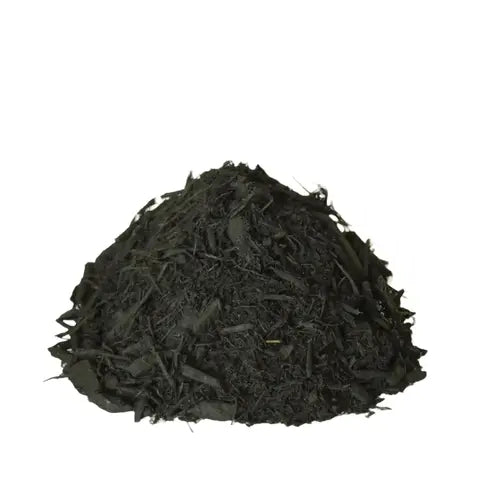
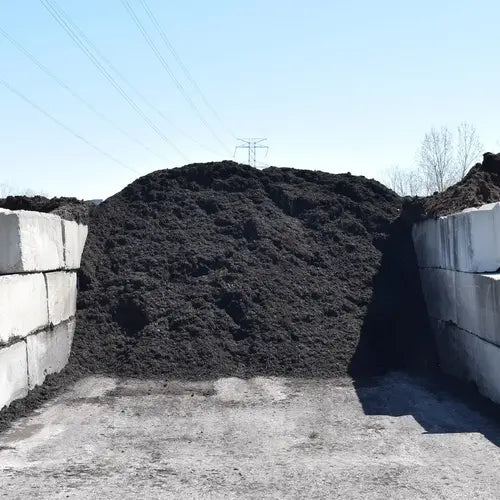
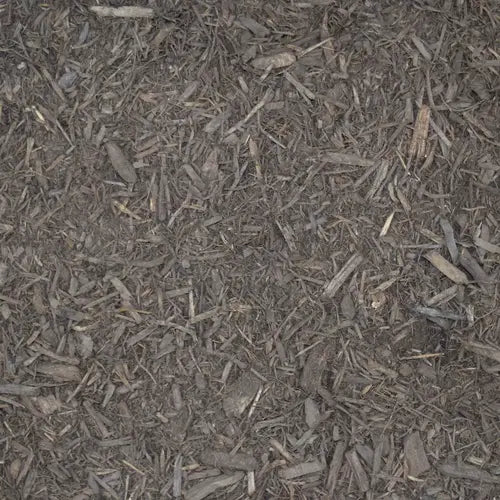
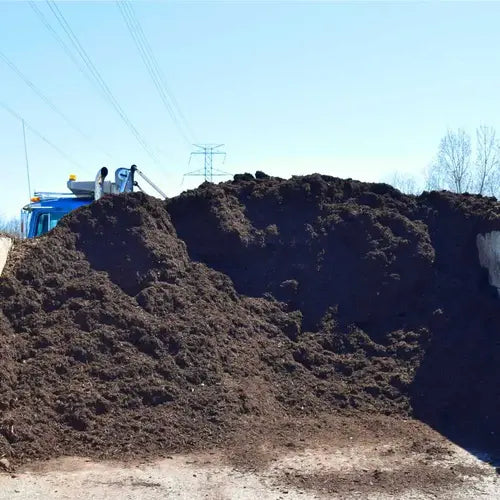
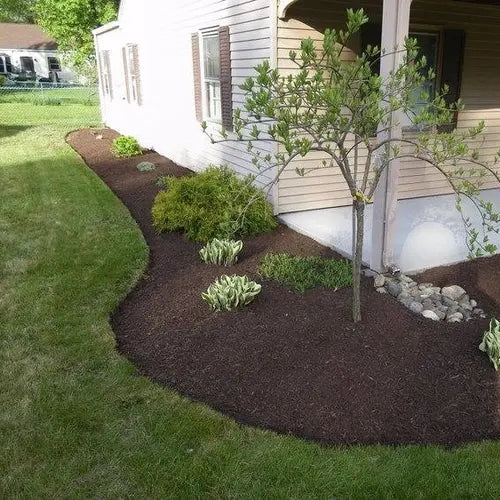
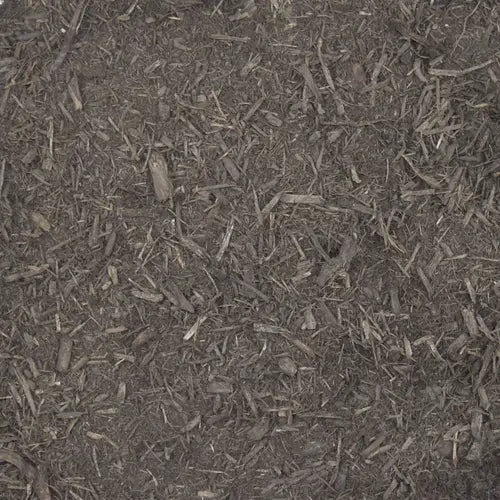
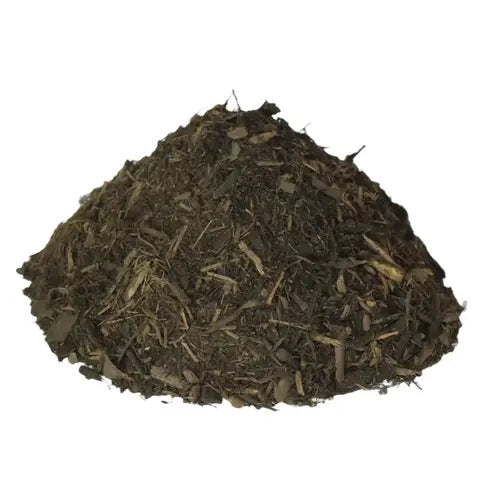
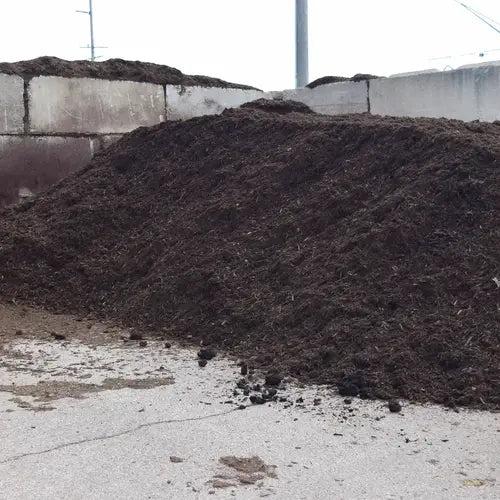
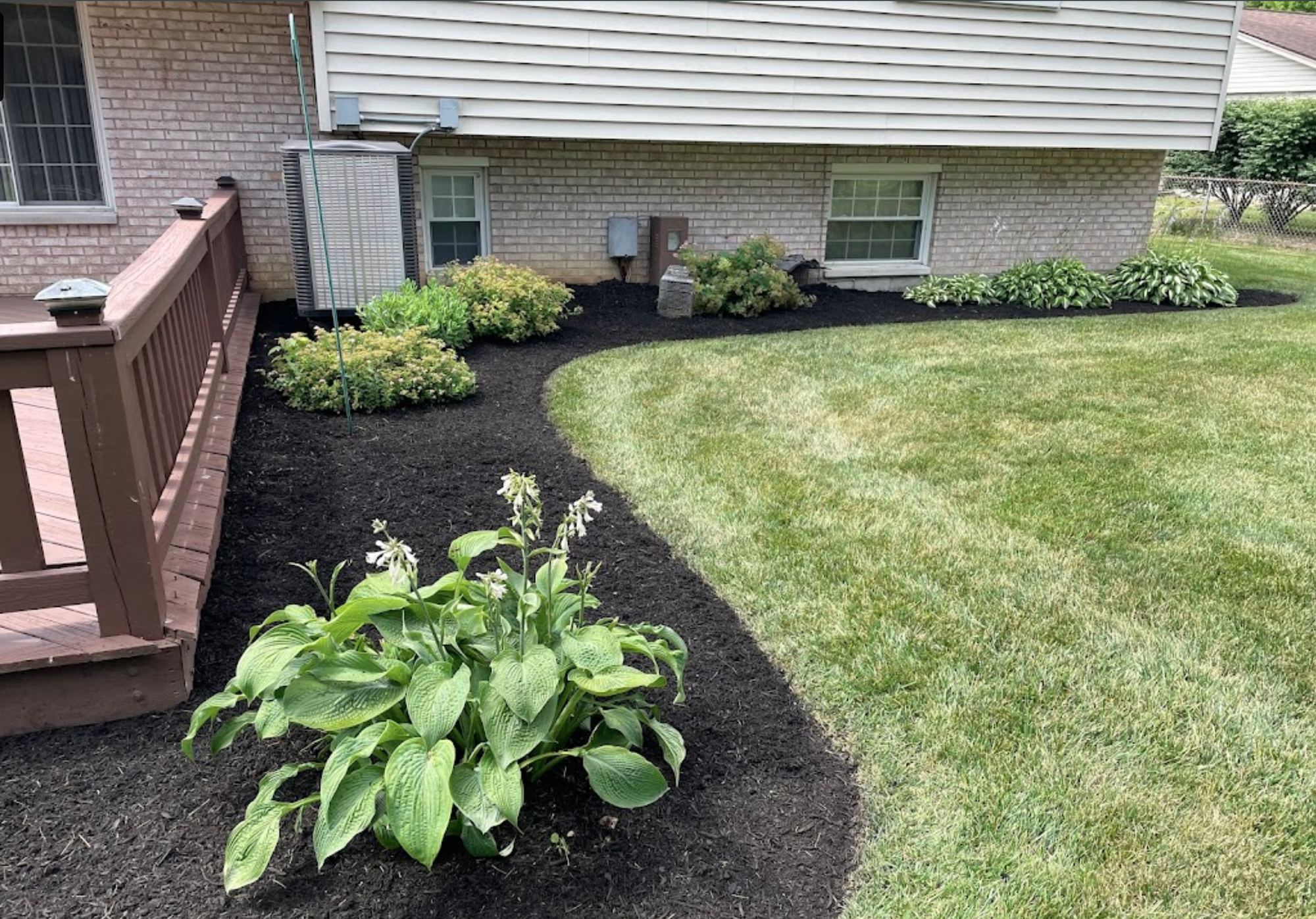
Bold black double shredded mulch that transforms beds instantly. The rich color holds strong through sun and rain, and the smooth texture spreads effortlessly.
Delivery was smooth and on time!
The triple shredded mulch was great quality and just what we were looking for.
Tell us what you're looking for
Thanks! We received your request.
Something went wrong. Please try again.
How Much Material Do I Need?
How Much Material Do I Need?
Plan for 3 inches in established ornamental beds on Defiance's silty clay loam and 2 inches in vegetable gardens where you want to keep the surface loose without blocking water penetration into already slow-draining clay ground.
Use our free mulch calculator
What is a yard?
What is a yard?
FAQs
FAQs
Defiance Mulch Delivery
Defiance Mulch Delivery
Regular price
$83.00
per
yard
Regular price
Sale price
$83.00
Unit price
per
Shipping calculated at checkout.
Minimum of 3 yard
Couldn't load pickup availability
Not currently available
We can't take orders for this right now. Tell us what you need and we'll get back to you.
Hand-picked local yards
4,000+ regional deliveries
Dedicated support
Why order through Mulch Mound
The best local mulch, without the guesswork.
We hand-pick and partner with the best yards in your region, keep only the ones our buyers rate well, and back each load with our guarantee.
Mulch Mound Guarantee
If your mulch isn't the quantity or quality you ordered, we'll make it right.
About this mulch
Bold black double shredded mulch that transforms beds instantly. The rich color holds strong through sun and rain, and the smooth texture spreads effortlessly.
Delivery was smooth and on time!
The triple shredded mulch was great quality and just what we were looking for.
How Much Material Do I Need?
How Much Material Do I Need?
Plan for 3 inches in established ornamental beds on Defiance's silty clay loam and 2 inches in vegetable gardens where you want to keep the surface loose without blocking water penetration into already slow-draining clay ground.
Use our free mulch calculator
What is a yard?
What is a yard?
FAQs
FAQs
Tell us what you're looking for
Thanks! We received your request.
Something went wrong. Please try again.

How It Works
Getting started is easy — just follow these simple steps
1
Choose your Mulch
Make sure you adjust the quantity to your home's needs. You can use our calculator to estimate how much you'll need.
2
Select your delivery date
Select a delivery date you'd like for the product to be dropped off at your home
3
Sit back and wait
Sit back, wait, and let us work our magic to make sure the highest quality product is delivered to your driveway.

Great experience with mulch mound. Their online calculator made it easy to estimate how many yards of mulch I needed and delivery was quick. I woul...
Read full review
Great experience with mulch mound. Their online calculator made it easy to estimate how many yards of mulch I needed and delivery was quick. I would definitely recommend them for your future projects.

We needed mulch for our HOA common areas. Local providers were all holding high prices even for 40 yards of mulch. Mulch mound was easy to wowith...
Read full review
We needed mulch for our HOA common areas. Local providers were all holding high prices even for 40 yards of mulch. Mulch mound was easy to wowith & has great price for natural mulch + delivery schedule options. They called before delivery to ensure Delivery was exactly where we wanted it.
Calculate mulch for your Defiance project
For Defiance's Silty Clay Loam type of soil, we recommend 2-3 inches for best weed suppression and moisture retention
Try Our CalculatorStart by measuring each bed's length and width in feet, then multiply to get square footage and divide by 108 for a 3-inch depth, which is the standard recommendation for Defiance's silty clay loam beds where weed suppression and moisture retention are both priorities. Rounding up by half a yard is a smart habit since clay soil beds often have uneven surfaces that consume slightly more material than the flat calculation suggests. Ordering a little extra also gives you material to fill in thin spots after the first season of settling.

Best Mulch Choice for Defiance Lawns
Most yards in the Defiance area sit on Silty Clay Loam type of soil. Defiance's silty clay loam is naturally dense and tends to form a hard crust on the surface of plant beds, making it difficult for rainwater to reach roots and encouraging weed seeds to take hold in any exposed soil.
Hardwood Mulch
Hardwood mulch decomposes gradually into the silty clay loam beneath Defiance landscapes, contributing organic matter that loosens clay particles over multiple seasons and slowly improves both drainage and aeration in beds that would otherwise stay dense and compacted year after year.
Mulch Types We Deliver in Defiance
Mulch Mound makes bulk mulch delivery in Defiance simple, bringing material by the cubic yard so you can cover large landscape beds without lifting a single bag. Order the amount you need and we handle the rest, delivering quality mulch right to your property. We carry a focused selection of the most popular varieties to fit every yard and budget.
Natural Brown Mulch
An undyed option that lets the wood's natural warm tone do the work. Available in double shredded for everyday use or triple shredded for a finer, denser finish. The earthy color blends well with the traditional home styles and mature trees common in northwest Ohio.
Dyed Black Mulch
A bold choice for flower beds and foundation plantings throughout the area. Choose double shredded for smooth, easy spreading or triple shredded for a dense, refined look. The rich color holds up well through the wet springs and warm summers typical of this part of Ohio.
Dyed Red Mulch
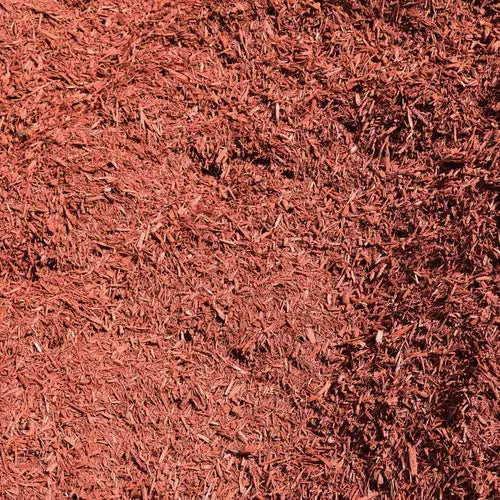
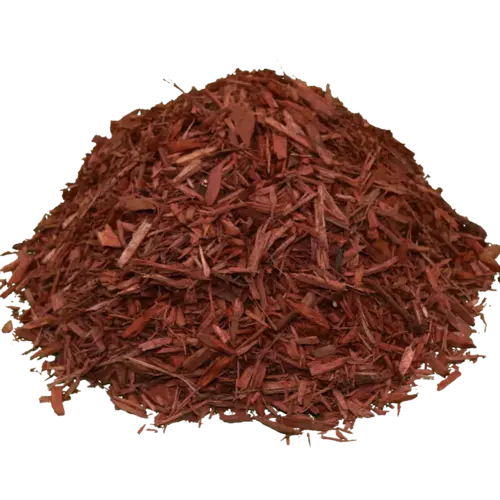
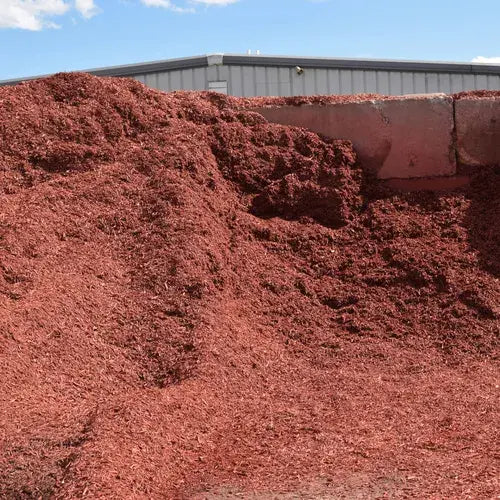
A vibrant accent for front yard beds and foundation plantings where curb appeal matters. This double shredded mulch delivers bold, lasting color that complements the green lawns and brick exteriors common across the region.
Playground Mulch
Engineered wood fiber built for safety and durability under play equipment. This standard playground mulch drains well during Ohio's rainy spring season and provides cushioning to meet common fall safety standards. A practical bulk option for residential yards and community recreation areas.
Complete Your Outdoor Mulch Project
If your Defiance beds have compacted clay that needs loosening before you mulch, our bulk topsoil and garden soil blends can be worked in first to improve drainage and root health. Decorative stone is also a smart pairing for high-traffic edge borders where foot traffic would break down organic mulch too quickly.


Service area
Areas we deliver mulch in Defiance, Ohio
Mulch Mound Pro Tip
Pull mulch back 2 to 3 inches from the base of shrub stems and tree trunks before applying. Defiance winters bring prolonged cold that can stress plants already dealing with root rot if mulch is piled against bark. This small gap allows the crown to dry between rains and prevents the fungal pressure that builds in consistently moist silty clay loam soil during the wet shoulder seasons on either side of winter.
Mulch Mound Pro Tip
Time your mulch delivery to arrive in the first two weeks of May. Defiance soil in zone 6a takes several weeks after the April 15 last frost to reach the 50-degree root zone temperature that most perennials need for active growth. Mulching too early in March traps cold in the clay and can delay plant emergence by one to two weeks compared to beds that are left uncovered until the soil has had time to warm.
Mulch Mound Pro Tip
Defiance receives about 35 inches of rainfall annually, with a meaningful share falling during spring convective storms that can shift mulch around if it is applied too thinly. A 3-inch application compresses to roughly 2 inches after the first few rains, so starting with a generous layer ensures you still have adequate coverage and weed suppression after the spring storm season passes. That depth also helps buffer the soil from the intense summer drying that follows the wet spring stretch.
The Unique Landscape of Defiance
Defiance sits in the Maumee River valley where the native silty clay loam soil compacts tightly under foot traffic and rain impact, leaving plant bed surfaces prone to crusting between wet spells. A proper mulch layer breaks the force of the 35 inches of annual rainfall that hits this area, preventing soil splash and the surface sealing that slows water infiltration into clay-dominant ground. Zone 6a winters bring hard freezes before the October 17 first frost date, and mulch acts as an insulating blanket that moderates root-zone temperature swings during those transitional weeks in late September and early October. Summers in Defiance can stretch into periods of heat and low humidity that stress shallow-rooted ornamentals planted in clay-heavy beds that drain slowly but dry out quickly at the surface. A consistent 3-inch mulch layer keeps the top inch of soil from baking hard while reducing the number of hand-watering sessions needed through July and August. Refreshing mulch each spring after the April 15 last frost date also gives garden beds a clean, finished look ahead of the full growing season.