

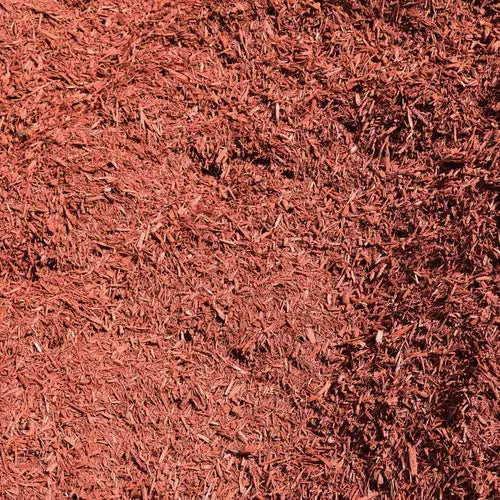
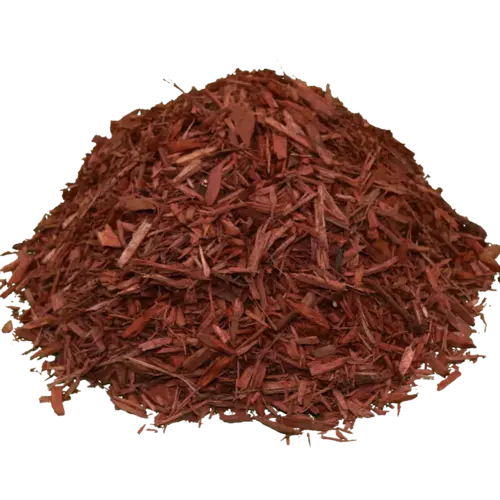
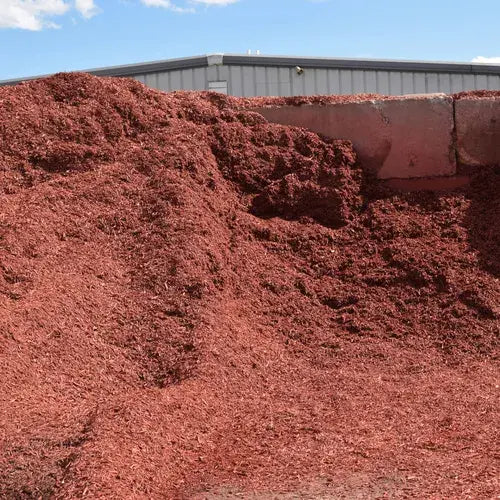
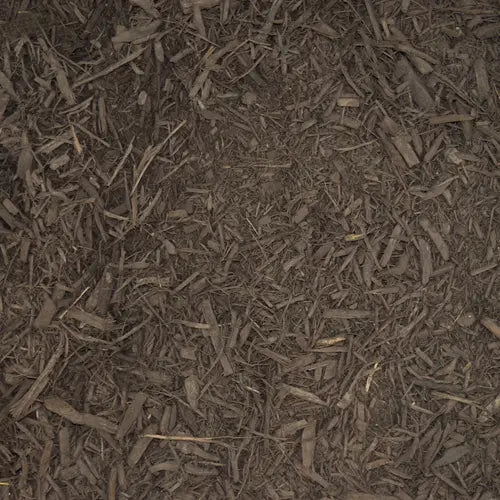


Skip to product information
1 of 20
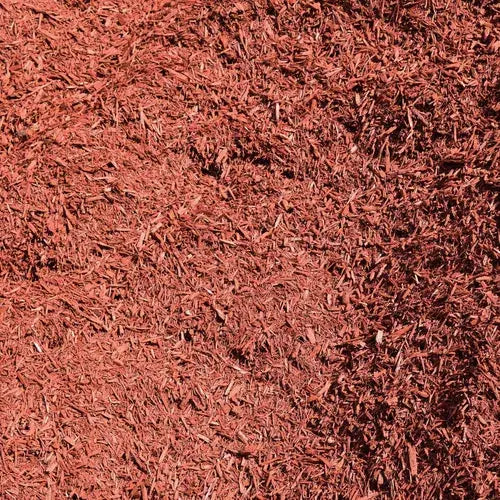
Denver Mulch Delivery

Denver Mulch Delivery

Denver Mulch Delivery

Regular price $57.00 per yard
Regular price Sale price $57.00
Sale Sold out
Color
Style
Minimum of 3

Every yard covers roughly 100 square feet at 3 inches. Denver beds usually need somewhere in the 2 to 3 inch depth range.
Use our free mulch calculator

A yard is approximately 27 cubic feet. As a general guideline, one yard of material can cover an area of about 10 feet by 10 feet at a few inches deep.

View full details

How It Works

Getting started is easy — just follow these simple steps

1

Choose your Mulch

Make sure you adjust the quantity to your home's needs. You can use our calculator to estimate how much you'll need.

2

Select your delivery date

Select a delivery date you'd like for the product to be dropped off at your home

3

Sit back and wait

Sit back, wait, and let us work our magic to make sure the highest quality product is delivered to your driveway.

What Denver Customers Are Saying

4.9
out of 5 based on 99 reviews
Google Reviews

Calculate mulch for your Denver project

For Denver's Clay type of soil, we recommend 2-3 inches for best weed suppression and moisture retention

Try Our Calculator
📍

Start with your total square footage and figure 2 to 3 inches of depth. Our satellite tracing tool calculates yardage from your actual bed outlines. Denver yards with clay soil especially benefit from consistent mulch cover.

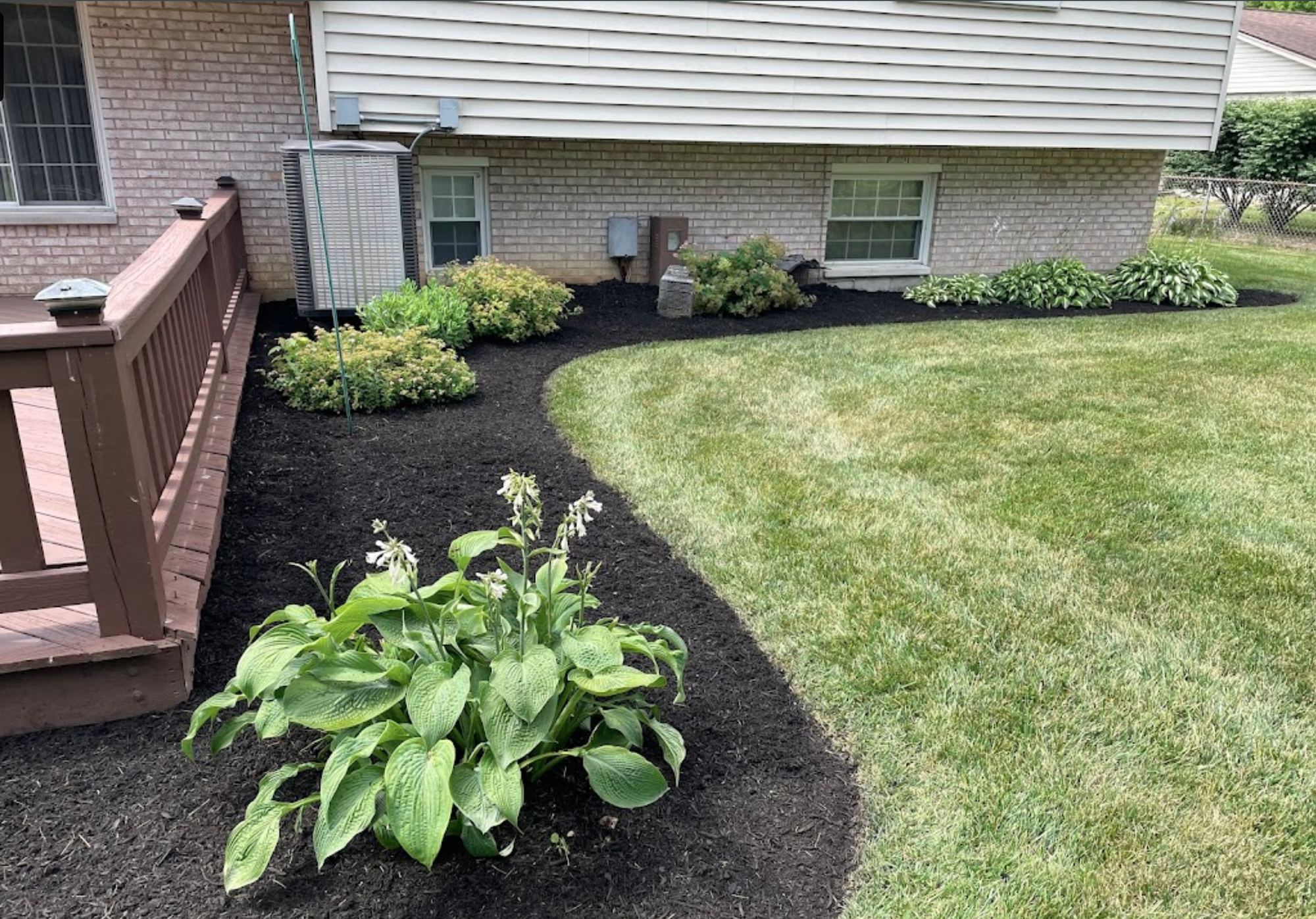
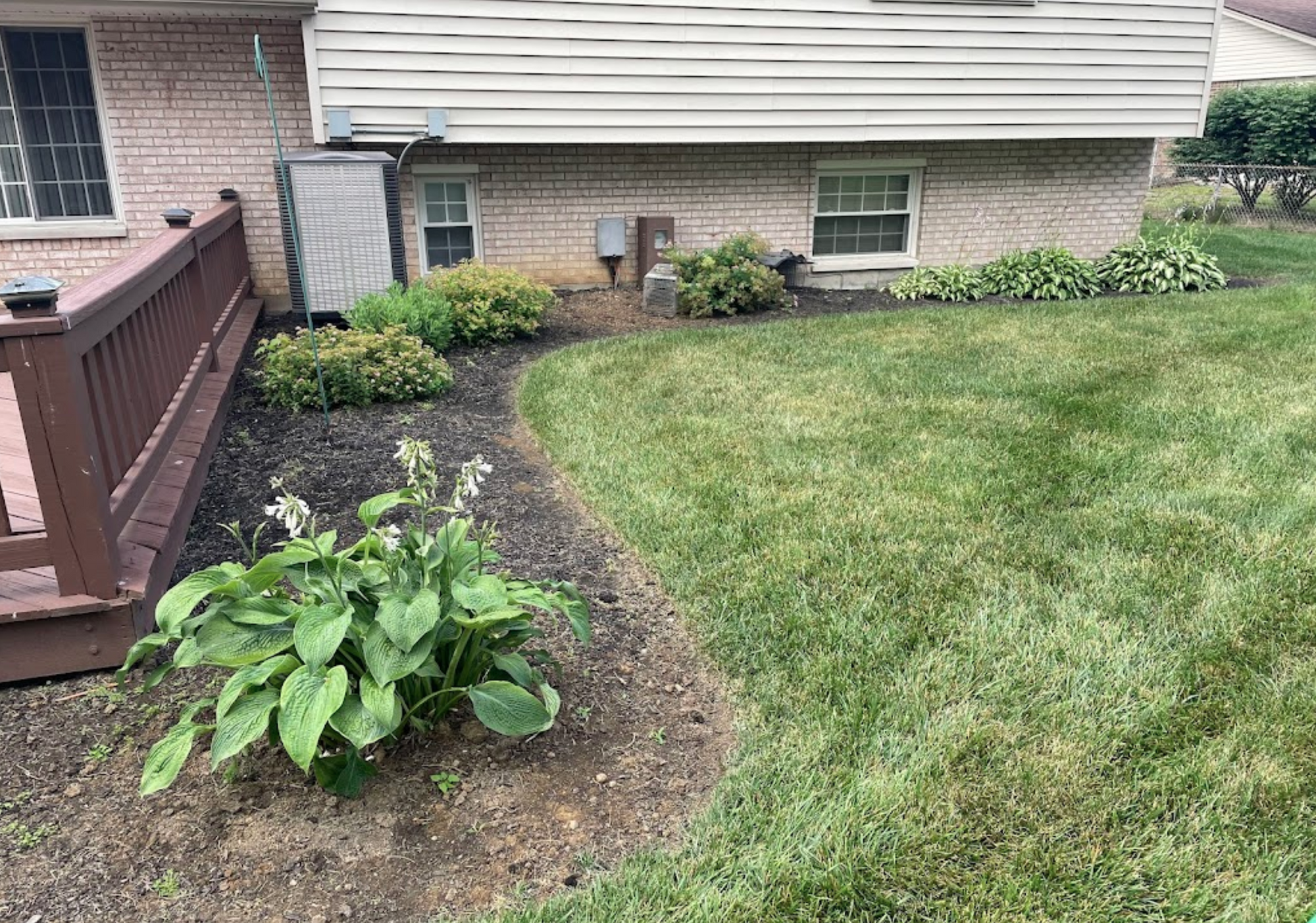
Mulch vs. No Mulch: The Difference

Low rainfall and dry air slow decomposition dramatically. Mulch holds depth for 18 to 24 months here.

Before image
After image
Slider handle
Before
After

Complete Your Outdoor Mulch Project

Round out your Denver project with soil for planting prep and stone for borders and pathways. Each material plays a different role and they work best as a set.

Mulch Mound Pro Tip

Lay landscaping fabric under mulch only in paths and walkways, never in planting beds. Fabric blocks root expansion, traps moisture unevenly, and creates more problems than it solves around growing plants.

Mulch Mound Pro Tip

Measure your beds in sections and add 10 percent to your total order. Running short mid-project means a second delivery charge that costs more than the extra material. Having a little extra is always the cheaper option.

Mulch Mound Pro Tip

Mulch breaks down faster in wet climates than dry ones due to increased microbial activity. With 15 inches of annual rainfall, Denver beds typically need more frequent refreshing than gardens in arid regions.

Frequently Asked Questions

Click a question to see the answer

Answer

Does mulch prevent weeds?

Expect major reduction, not elimination. Three inches of mulch stops most weed seeds from getting the light they need to sprout. Some persistent weeds will still push through.

Answer

When is the best time to mulch?

Target late spring in Denver, typically after May 5 when frost risk passes. Wait for soil to warm before laying mulch.

Answer

Best mulch for new plantings?

Fine-shredded hardwood works well around new plants. Unlike raw wood chips, it won't compete for nitrogen. Two inches is a good starting depth.

Answer

How much mulch do I need?

One cubic yard covers roughly 100 square feet at 3 inches deep. Measure your beds, use our calculator, and add 10 percent extra. Nothing worse than running short.

Answer

Can I leave special delivery instructions?

Definitely. The notes section at checkout handles gate codes, placement details, and access warnings. We pass everything along to the delivery crew.

Answer

Will mulch wash away on slopes?

Double-shredded mulch stays put on slopes. With 15 inches of annual rain in Denver, avoid large chips on inclines.

Answer

How far should mulch be from plant stems?

Keep 2-3 inches clear around stems and trunks. Mulch against bark holds moisture and invites rot, especially in Denver's semi-arid conditions.

The Unique Landscape of Denver

Mulch keeps beds tidy while doing real work for your plants. Denver's dry climate means moisture retention matters more than in wetter regions. In Denver, Colorado, mulch keeps beds cleaner, reduces weeds, and helps moisture stay more consistent. It helps hold moisture, cuts weeds, and protects roots from temperature swings. Most beds do well with 2-3 inches; don't pile it against plants. Natural hardwood blends in; dyed options add contrast and a "freshly edged" look. Delivery keeps the focus on the work, not on loading and unloading bags.