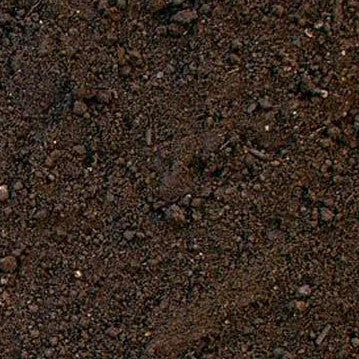
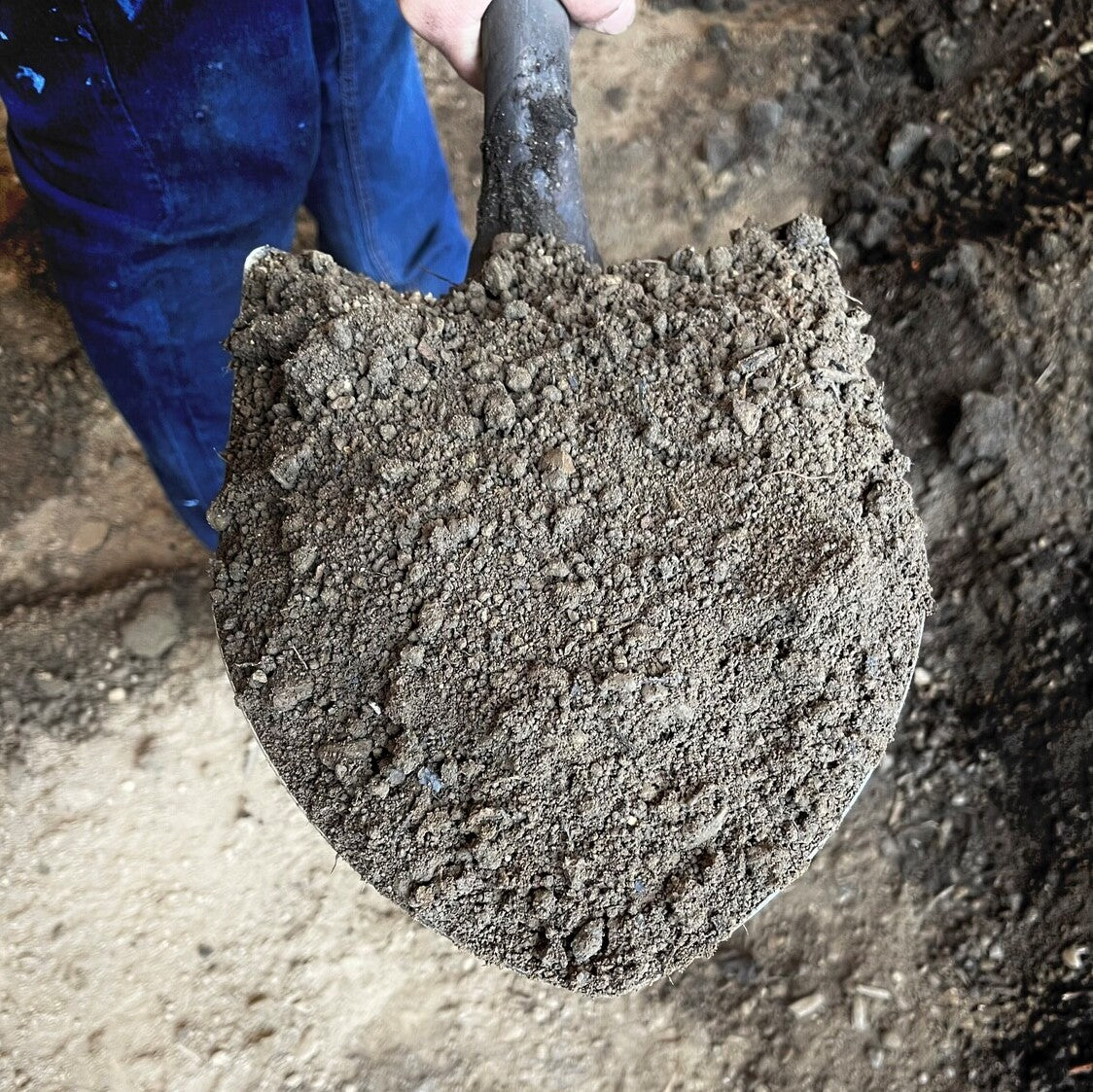
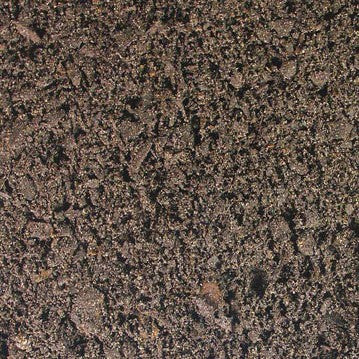
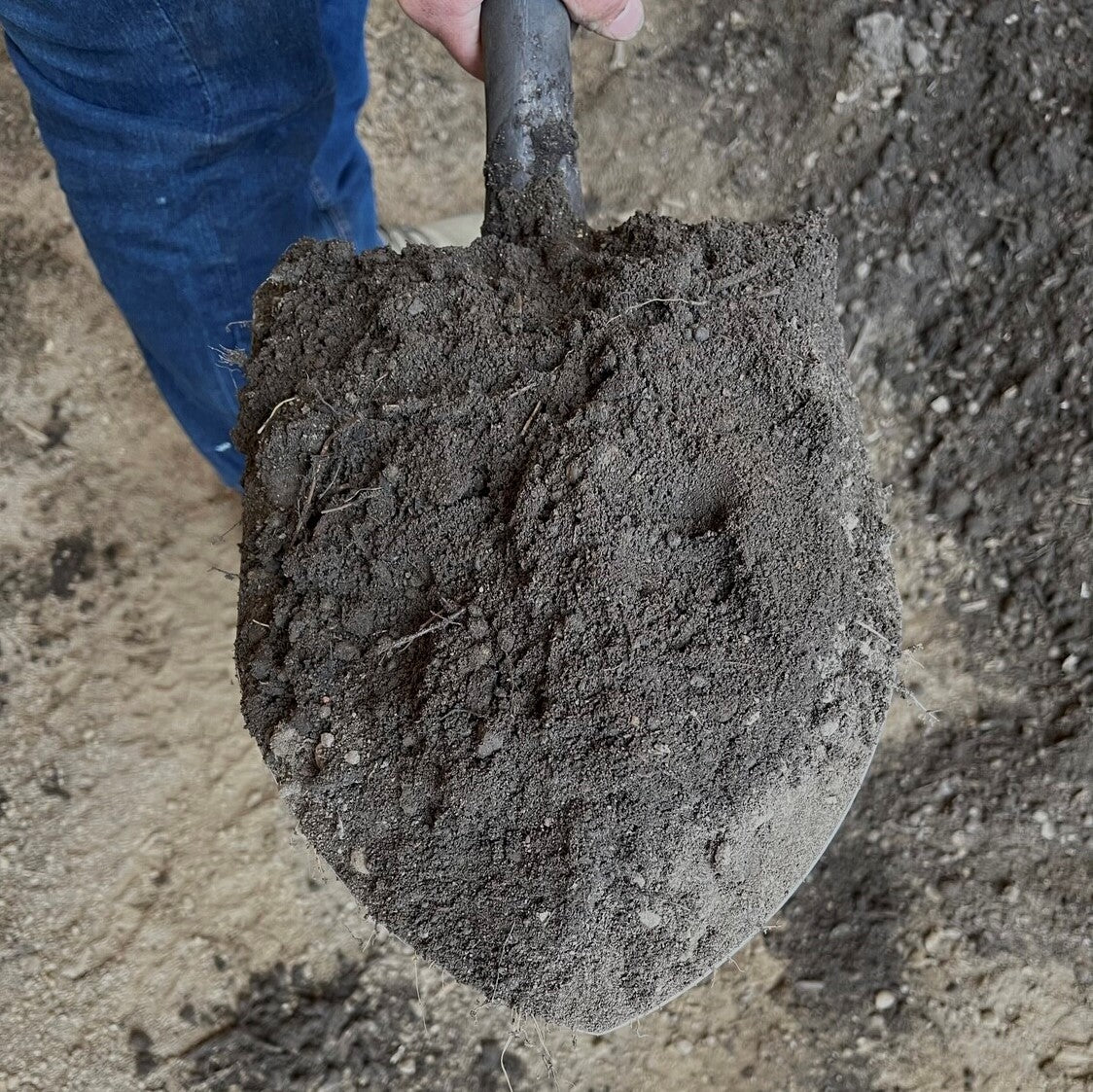
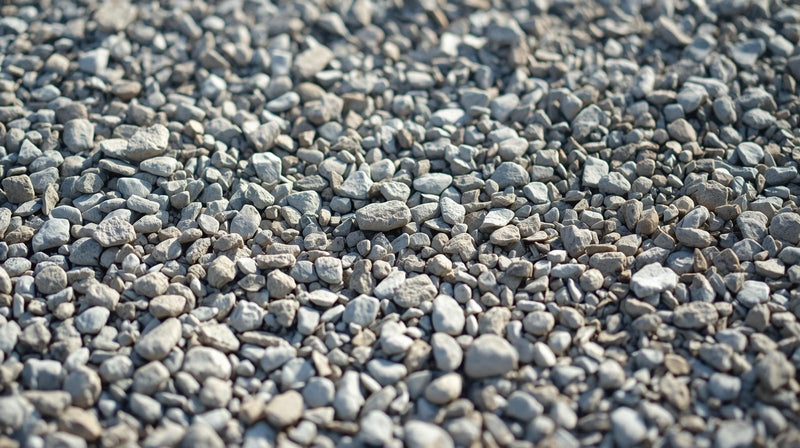
Quality topsoil for lawns, gardens, and landscape projects. Nutrient rich and ready to support strong root development and healthy plant establishment.
We ordered 3 yards of the garden soil, delivered mext day. We used in raised beds 6x3x2. It was more than needed for both but the soil looked good! I added some perlite to add some drainage since this is a little dense.
Tell us what you're looking for
Thanks! We received your request.
Something went wrong. Please try again.
How Much Material Do I Need?
For garden bed prep in Elizabethtown, aim for at least 12 inches of quality soil depth to give roots room to grow before they reach the compacted native silt loam beneath. For lawn leveling, work in 1 to 2 inch increments and let each layer settle naturally, a process that Elizabethtown's rainfall will accelerate, before adding more material.
Use our free soil calculator
What is a yard?
A yard is approximately 27 cubic feet. As a general guideline, one yard of material can cover an area of about 100-160 square feet at a 2-3 inch depth.
What is a yards?
A yard is approximately 27 cubic feet. As a general guideline, one yard of material can cover an area of about 10 feet by 10 feet at a few inches deep.
We can't take orders for this right now. Tell us what you need and we'll get back to you.
What do you need?
Thanks! We received your request.
Something went wrong. Please try again.
Hand-picked local yards
4,000+ regional deliveries
Dedicated support
Why order through Mulch Mound
The best local soil, without the guesswork.
We hand-pick and partner with the best yards in your region, keep only the ones our buyers rate well, and back each load with our guarantee.
Mulch Mound Guarantee
If your soil isn't the quantity or quality you ordered, we'll make it right.
About this soil
Quality topsoil for lawns, gardens, and landscape projects. Nutrient rich and ready to support strong root development and healthy plant establishment.
We ordered 3 yards of the garden soil, delivered mext day. We used in raised beds 6x3x2. It was more than needed for both but the soil looked good! I added some perlite to add some drainage since this is a little dense.
How Much Material Do I Need?
For garden bed prep in Elizabethtown, aim for at least 12 inches of quality soil depth to give roots room to grow before they reach the compacted native silt loam beneath. For lawn leveling, work in 1 to 2 inch increments and let each layer settle naturally, a process that Elizabethtown's rainfall will accelerate, before adding more material.
Use our free soil calculator
What is a yard?
A yard is approximately 27 cubic feet. As a general guideline, one yard of material can cover an area of about 100-160 square feet at a 2-3 inch depth.
What is a yards?
A yard is approximately 27 cubic feet. As a general guideline, one yard of material can cover an area of about 10 feet by 10 feet at a few inches deep.
We ordered 3 yards of the garden soil, delivered mext day. We used in raised beds 6x3x2. It was more than needed for both but the soil looked good!...
Read full review
We ordered 3 yards of the garden soil, delivered mext day. We used in raised beds 6x3x2. It was more than needed for both but the soil looked good! I added some perlite to add some drainage since this is a little dense.
To estimate how much soil you need, measure the length, width, and intended fill depth of your project area in feet, multiply all three numbers together to get cubic feet, then divide by 27 for cubic yards. For Elizabethtown raised beds, always add 10 to 15 percent to your base calculation to account for the settling that Elizabethtown's frequent rain events will cause during the first growing season.
Soil Types We Deliver in Elizabethtown
Mulch Mound makes bulk soil by the yard in Elizabethtown easy, delivering every variety straight to your property by the cubic yard. Whether you are repairing a lawn, building raised beds, or amending the heavy clay soils common throughout this part of central Kentucky, we bring the right product to your project. Our delivery service covers residential yards, garden builds, and everything in between.
Top Soil
Top Soil is the most practical starting point for homeowners across central Kentucky looking to establish or refresh a lawn. Available in screened and unscreened options, it provides a nutrient-rich base that supports strong root development whether you are seeding a new yard, leveling low spots, or topping off a planting bed.
Gardening Blend
Premium Gardening Blend combines topsoil and compost into a balanced, ready-to-plant mix well suited to Kentucky's warm growing season. It is a popular choice for raised beds and vegetable gardens, giving roots a loose, fertile environment from the first planting and reducing the need for heavy soil correction over time.
Organic Compost
Premium Organic Compost is a rich amendment that improves drainage and fertility in the dense clay soils found throughout this region. Gardeners use it to build healthier beds season after season, and it blends easily into existing ground to create a more workable, nutrient-dense growing environment for vegetables, flowers, and shrubs.
Complete Your Outdoor Soil Project
Top your new garden soil with a layer of hardwood mulch to protect it from Elizabethtown's heavy rain events and reduce moisture evaporation during summer dry spells. Adding decorative stone edging around filled beds keeps fresh soil in place when stormwater runs across your yard and creates a clean, finished look that holds up through the zone 7a growing season.
What kind of soil should I use to fill a raised garden bed in Elizabethtown?
For Elizabethtown raised beds, a blend of quality topsoil mixed with compost is the most effective starting point. Pure topsoil compacts over time, especially under zone 7a rain pressure, so a blend that includes organic matter improves drainage and keeps the root zone loose across the growing season. A long season running from mid-April to late October means your plants will draw heavily on that nutrient-rich mix, and the investment pays off in repeated harvests without needing to rebuild the bed from scratch each year.
Answer
My yard has low spots that stay soggy after rain. What soil should I use to level them out?
For leveling low spots in Elizabethtown lawns, a clean fill topsoil that closely matches the silt loam composition of your existing yard is the best choice. Fill depressions gradually in 1 to 2 inch increments, letting each layer settle before adding more. Because Elizabethtown receives 50 inches of rain per year, filling all at once often leads to further settling and recreates the low spot you were trying to fix, so patience during the fill process produces a more accurate and lasting grade.
Answer
How much soil do I need to fill a 4 by 8 raised bed that is 12 inches deep?
A 4-by-8 raised bed at 12 inches deep holds 32 cubic feet of soil, which works out to just under 1.2 cubic yards. Ordering 1.5 cubic yards is a smart buffer since soil settles after the first several waterings, and Elizabethtown's active rain season will compact new fill faster than in drier climates. Having that extra material on hand means you can top off the settled surface without placing a second order before your planting window closes.
Answer
Will brought-in topsoil blend well with Elizabethtown's native silt loam soil?
Brought-in premium topsoil integrates well with Elizabethtown's native silt loam over one or two growing seasons. Tilling the interface between new and existing soil before adding your fill helps knit the layers together and prevents a hard boundary that slows water movement and traps roots. Matching organic matter content between the two layers is especially important in Elizabethtown, where frequent rain events push roots deep and you want a smooth transition rather than a dense layer that acts as a barrier.
Answer
When is the best time to add bulk soil to my Elizabethtown yard or garden?
The two ideal windows for adding soil in Elizabethtown are early spring after the last frost around April 15 and late summer in August or early September before the first frost around October 28. Spring applications let you prep beds before the growing season fully kicks off, giving new soil time to settle and absorb before planting. Fall applications give leveled lawn areas several weeks to stabilize before the ground cools, so the surface is ready for early spring seeding or planting without additional prep.
Answer
Can I use bulk topsoil to establish a new lawn area in Elizabethtown?
Yes, spreading a 1-inch layer of quality topsoil over a prepared lawn area creates an excellent seed bed in Elizabethtown. The organic matter in premium topsoil helps new grass roots establish quickly in the critical weeks before the first frost on October 28. For best results, seed no later than mid-September so seedlings have at least six weeks to develop before cold arrives, and the extra topsoil layer gives those young roots a nutrient-rich zone that Elizabethtown's native silt loam alone may not provide.
Answer
How do I keep my newly placed soil from washing away during Elizabethtown's rain season?
After placing fresh soil in Elizabethtown, seed or plant as quickly as possible since bare silt loam-based soil is highly vulnerable to erosion during the frequent storm events that move through the region. For graded areas waiting for seed to establish, straw mulch spread over the new soil acts as an effective temporary erosion barrier. On sloped surfaces, biodegradable erosion control fabric pinned over the soil protects your grade through the first wet season while roots develop enough to anchor the surface on their own.
Mulch Mound Pro Tip
Elizabethtown's native silt loam tends to become waterlogged in raised beds if you simply till the existing ground and plant directly into it. Bringing in a dedicated raised bed blend with higher organic content ensures drainage stays consistent across the long zone 7a growing season from April through October. For deep raised beds, placing a 2-inch layer of coarse gravel at the bottom before adding soil gives roots an escape route from standing water after Elizabethtown's heavier storm events.
Mulch Mound Pro Tip
When using bulk soil to level your Elizabethtown lawn, resist the urge to fill a low spot all at once and seed it immediately. Overfilling by 15 to 20 percent and letting Elizabethtown's 50 inches of annual rainfall compact the soil naturally over one to two weeks produces a more accurate and stable final grade than trying to precisely fill and immediately plant. Waiting for that initial settling to complete before overseeding gives you a smoother, longer-lasting result.
Mulch Mound Pro Tip
Elizabethtown's first frost typically arrives around October 28, giving you a narrow fall window to place and prep garden bed soil before the ground cools and workability drops. Getting fresh soil in place by mid-October allows it to settle, absorb fall rains, and be in prime condition when the last frost passes around April 15. Using this fall to spring cycle is the most efficient way to take advantage of Elizabethtown's climate when building or rebuilding garden beds.
The Unique Landscape of Elizabethtown
Elizabethtown's native silt loam is workable but drains slowly and compacts readily under foot traffic, making brought-in premium soil essential for raised beds, garden prep, and grading projects. At 725 feet of elevation in zone 7a, Elizabethtown gardens need soil that holds structure through both wet springs and the drier stretches of late summer without breaking down. The area's 50 inches of annual rainfall means any garden bed soil must have adequate drainage built in, or plants will sit in waterlogged conditions after the frequent storm events that roll through the region. For lawn grading and leveling projects, a blend of quality topsoil matched to the existing silt loam base creates a seamless transition and promotes better root establishment than imported soil alone. Whether you are starting a new raised bed or filling low spots before seeding, fresh bulk soil gives Elizabethtown homeowners direct control over the growing environment that native ground cannot always provide.