




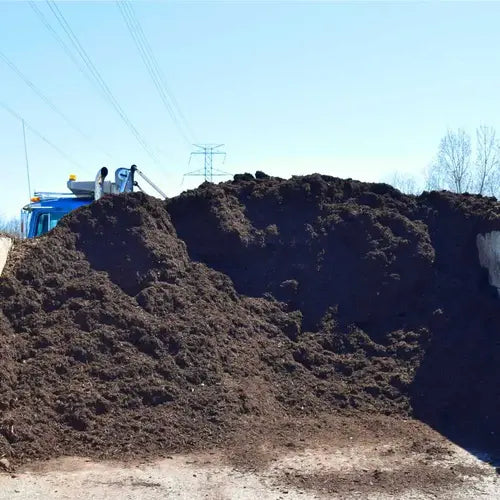
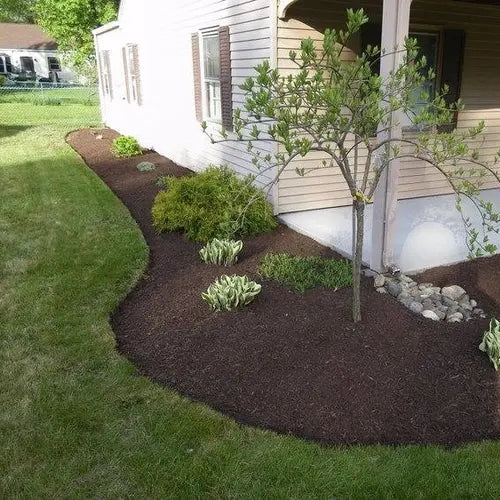

Delivery was smooth and on time!
The triple shredded mulch was great quality and just what we were looking for.
About this mulch
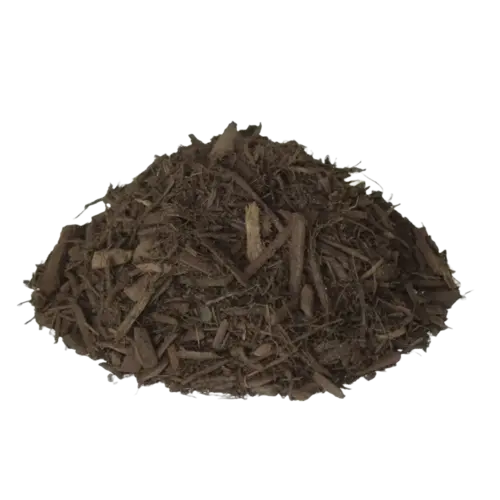
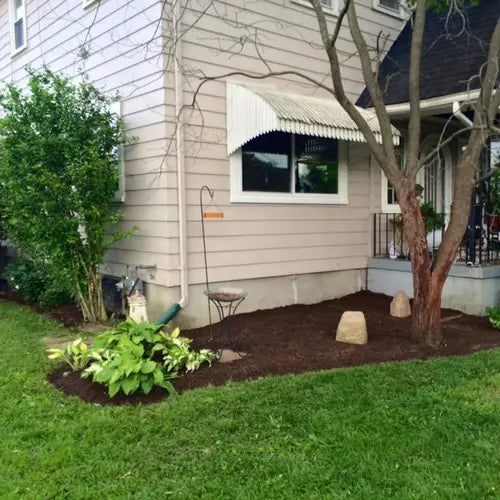
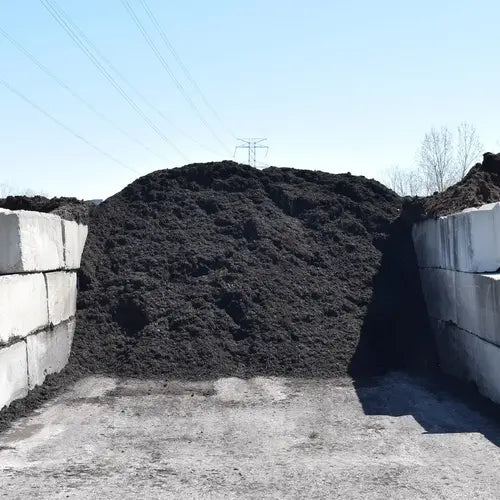
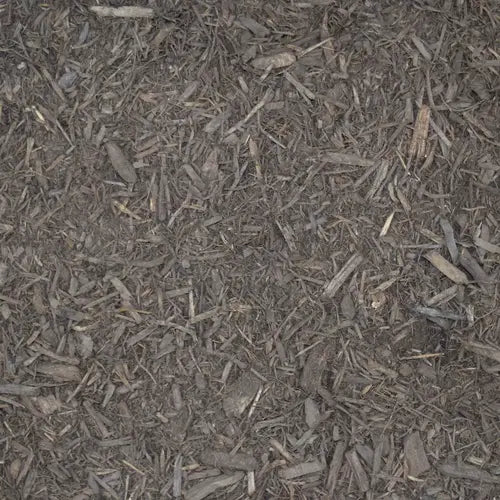
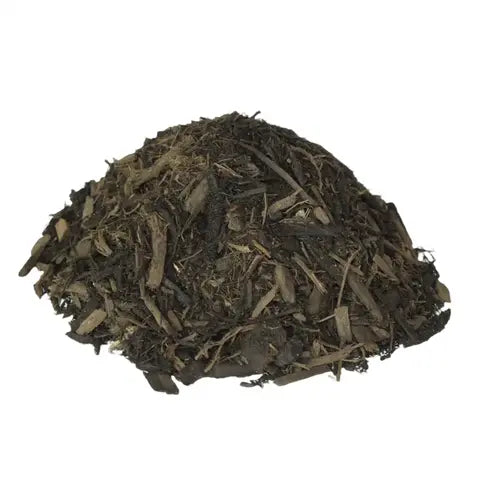
Warm brown double shredded mulch with lasting color that looks freshly applied for weeks. Spreads smooth, stays put, and gives beds a natural, polished appearance.
Delivery was smooth and on time!
The triple shredded mulch was great quality and just what we were looking for.
Tell us what you're looking for
Thanks! We received your request.
Something went wrong. Please try again.
How Much Material Do I Need?
How Much Material Do I Need?
Eugene's compaction-prone silty clay soil works best with a 3-inch mulch layer for ornamental beds and a 4-inch layer for tree rings and slopes prone to rain erosion. Thinner applications break down too quickly given the region's wet winters and will need more frequent replenishment to stay effective.
Use our free mulch calculator
What is a yard?
What is a yard?
FAQs
FAQs
Eugene Mulch Delivery
Eugene Mulch Delivery
Regular price
$64.00
per
yard
Regular price
Sale price
$64.00
Unit price
per
Shipping calculated at checkout.
Minimum of 3 yard
Couldn't load pickup availability
Not currently available
We can't take orders for this right now. Tell us what you need and we'll get back to you.
Hand-picked local yards
4,000+ regional deliveries
Dedicated support
Why order through Mulch Mound
The best local mulch, without the guesswork.
We hand-pick and partner with the best yards in your region, keep only the ones our buyers rate well, and back each load with our guarantee.
Mulch Mound Guarantee
If your mulch isn't the quantity or quality you ordered, we'll make it right.
About this mulch
Warm brown double shredded mulch with lasting color that looks freshly applied for weeks. Spreads smooth, stays put, and gives beds a natural, polished appearance.
Delivery was smooth and on time!
The triple shredded mulch was great quality and just what we were looking for.
How Much Material Do I Need?
How Much Material Do I Need?
Eugene's compaction-prone silty clay soil works best with a 3-inch mulch layer for ornamental beds and a 4-inch layer for tree rings and slopes prone to rain erosion. Thinner applications break down too quickly given the region's wet winters and will need more frequent replenishment to stay effective.
Use our free mulch calculator
What is a yard?
What is a yard?
FAQs
FAQs
Tell us what you're looking for
Thanks! We received your request.
Something went wrong. Please try again.

How It Works
Getting started is easy — just follow these simple steps
1
Choose your Mulch
Make sure you adjust the quantity to your home's needs. You can use our calculator to estimate how much you'll need.
2
Select your delivery date
Select a delivery date you'd like for the product to be dropped off at your home
3
Sit back and wait
Sit back, wait, and let us work our magic to make sure the highest quality product is delivered to your driveway.

Great experience with mulch mound. Their online calculator made it easy to estimate how many yards of mulch I needed and delivery was quick. I woul...
Read full review
Great experience with mulch mound. Their online calculator made it easy to estimate how many yards of mulch I needed and delivery was quick. I would definitely recommend them for your future projects.

We needed mulch for our HOA common areas. Local providers were all holding high prices even for 40 yards of mulch. Mulch mound was easy to wowith...
Read full review
We needed mulch for our HOA common areas. Local providers were all holding high prices even for 40 yards of mulch. Mulch mound was easy to wowith & has great price for natural mulch + delivery schedule options. They called before delivery to ensure Delivery was exactly where we wanted it.
Calculate mulch for your Eugene project
For Eugene's Silty Clay type of soil, we recommend 2-3 inches for best weed suppression and moisture retention
Try Our CalculatorTo estimate your mulch order for Eugene garden beds, measure each bed in feet, multiply length by width, and add up the square footage across all areas. Eugene's silty clay soil benefits most from a 3-inch application depth, so divide your total square footage by 100 to get cubic yards needed. Order a small overage of about 10 percent to account for settling after the first heavy winter rain.
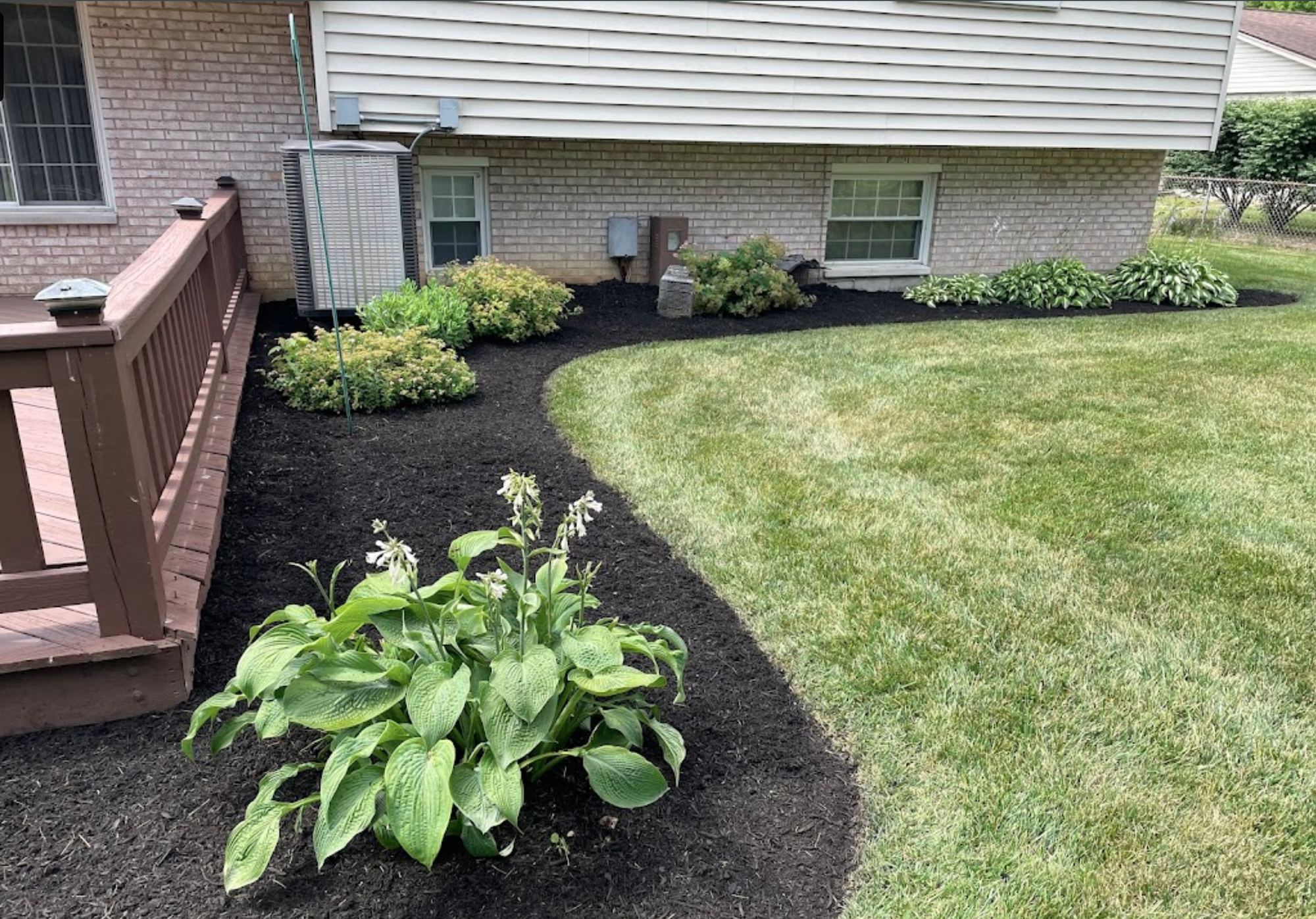
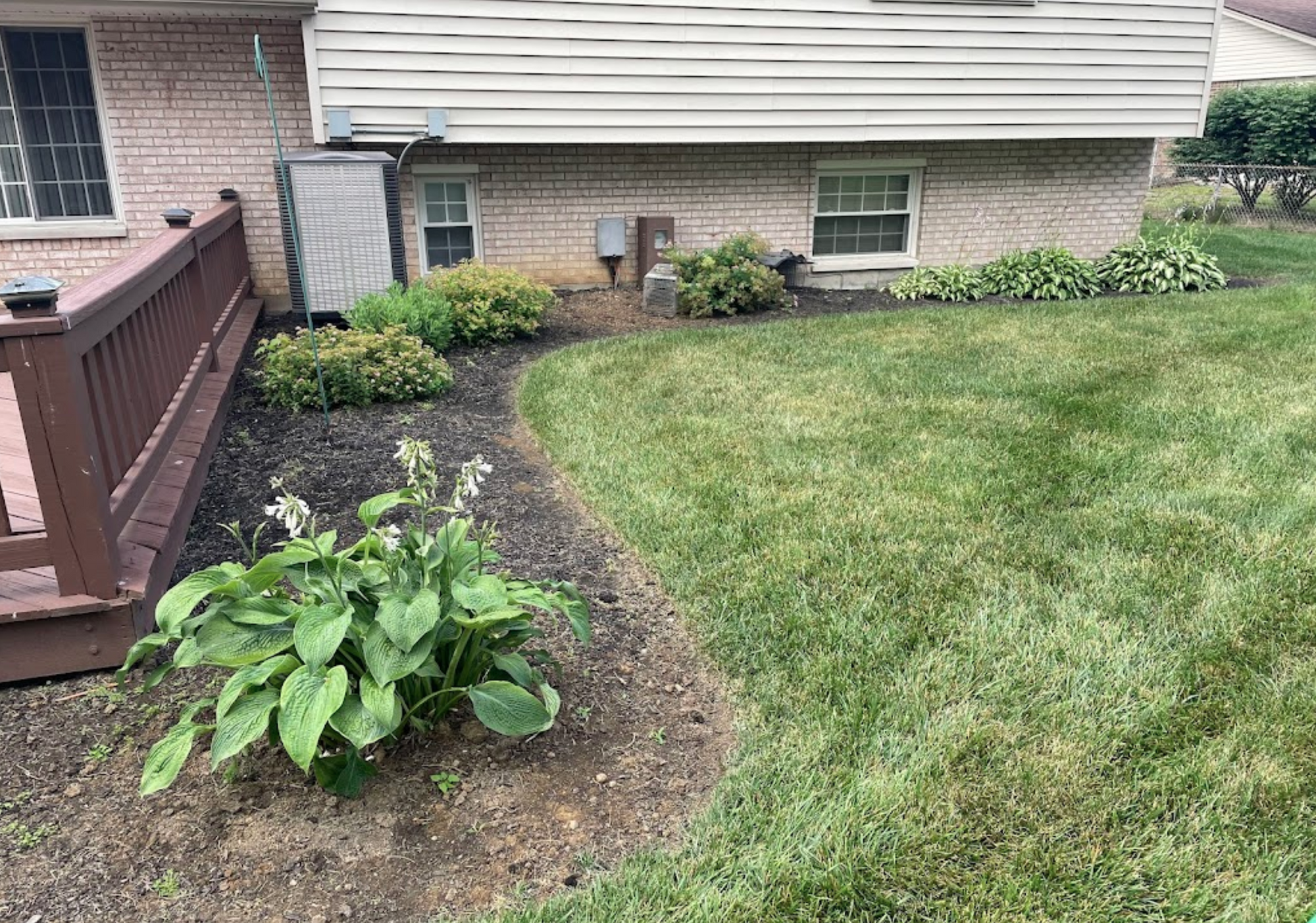

Best Mulch Choice for Eugene Lawns
Most yards in the Eugene area sit on Silty Clay type of soil. Eugene's silty clay soil compacts easily and becomes waterlogged through the long rainy season, making it difficult for plant roots to access both oxygen and nutrients in bare or poorly mulched beds.
Hardwood Mulch
Hardwood mulch breaks down into fine organic particles that work directly into silty clay soil over time, gradually opening up the tight soil structure and improving both drainage and aeration in Eugene plant beds season after season.
Mulch Types We Deliver in Eugene
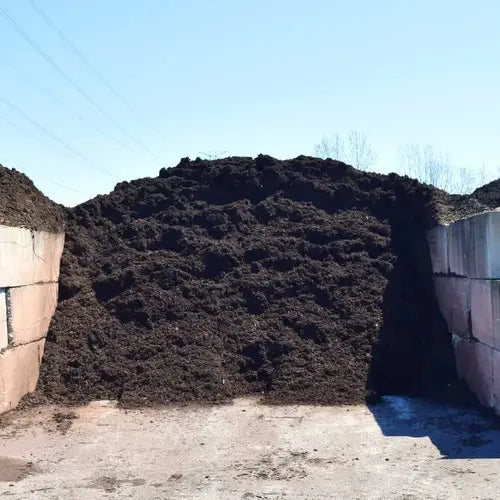
Mulch Mound delivers bulk mulch by the cubic yard to homes and properties throughout the area. Whether you are refreshing beds before the rainy season or giving a new landscape its finishing touch, bulk mulch delivery in Eugene makes the job simple without hauling bags from a store. Order the cubic yards you need and we will drop the load right where the work is happening.
Dyed Brown Mulch
Dyed Brown Mulch is the most popular choice for homeowners who want a warm, polished look that holds up through the long rainy season. Available in double shredded style, it spreads smoothly over the clay-heavy soils common in the valley and keeps beds looking freshly tended for weeks.
Dyed Black Mulch
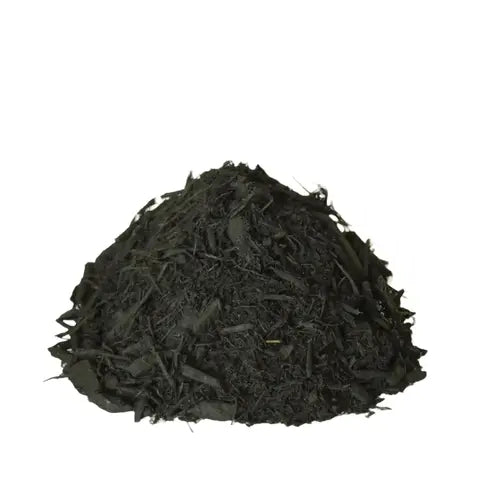
Dyed Black Mulch creates a bold, high-contrast look that pairs well with the lush green plantings common in Pacific Northwest gardens. Available in double shredded style, it spreads easily and holds its deep color through rain and sun. It suits homeowners who want a dramatic, contemporary feel in their landscape beds.
Natural Brown Mulch
Natural Brown Mulch offers an earthy, understated tone that comes directly from the wood without any dye. Available in double shredded style, it works well in gardens where a more organic appearance fits the surroundings. The smooth texture makes it easy to spread around native plants and established trees common in Eugene yards.
Complete Your Outdoor Mulch Project
If your beds need enrichment before mulching, our bulk garden soil is blended to amend Eugene's heavy silty clay and improve drainage throughout the root zone. For low-maintenance border edges and pathways, our decorative stone pairs beautifully with mulched beds and stays tidy through Eugene's rainy season without decomposing.


Service area
Areas we deliver mulch in Eugene, Oregon
Mulch Mound Pro Tip
Eugene's silty clay soil tends to seal over in areas that sit bare all winter, creating a surface crust that even irrigation water struggles to penetrate. Before spreading mulch, loosen the top inch or two of bed soil with a cultivator to break up that sealed layer. This simple prep step allows the mulch to work with the soil rather than sitting on top of a hardened surface, dramatically improving moisture distribution to plant roots during Eugene's dry summer months.
Mulch Mound Pro Tip
Because Eugene gardeners deal with a frost window that closes as late as April 12, it is tempting to mulch beds early to protect tender perennials from late cold snaps. Resist the urge to apply heavy mulch in February or March when soils are still cold and saturated. Cold, wet mulch pressed against plant crowns invites crown rot in Eugene's humid late-winter conditions. Wait until mid-April when soil temperatures have climbed above 50 degrees before applying a full-depth layer.
Mulch Mound Pro Tip
With Eugene receiving 47 inches of rain annually, mulch does double duty as erosion armor on sloped beds and hillside plantings throughout the Willamette Valley. On any slope greater than a gentle grade, choose a coarser wood chip mulch rather than fine bark dust, because the larger particles interlock and resist the sheeting water flow that Eugene's heavy November and December storms produce. Consider biodegradable jute netting laid over fresh mulch on steep slopes for the first season to hold the layer in place.
The Unique Landscape of Eugene
Eugene's silty clay soil is notorious for compacting under the weight of a long wet season that runs from October through April and delivers nearly 47 inches of rain annually. Without a proper mulch layer, plant beds lose their structure as compacted soil repels water and suffocates roots even during summer dry spells. A well-applied mulch layer moderates the soil temperature swings common in zone 8b, where mild winters and warm summers create wide fluctuations that stress shallow-rooted plants. Mulch also shields beds from the heavy rain events typical of the Willamette Valley, preventing the splash erosion that strips topsoil from unprotected garden areas. With Eugene's last frost landing around April 12, keeping soil insulated through late spring gives plants the stable root environment they need to establish strongly.