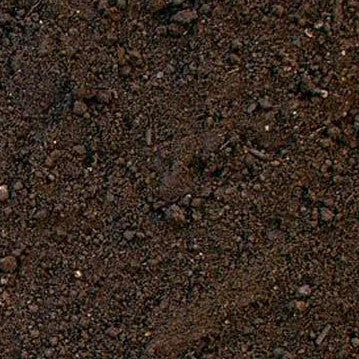
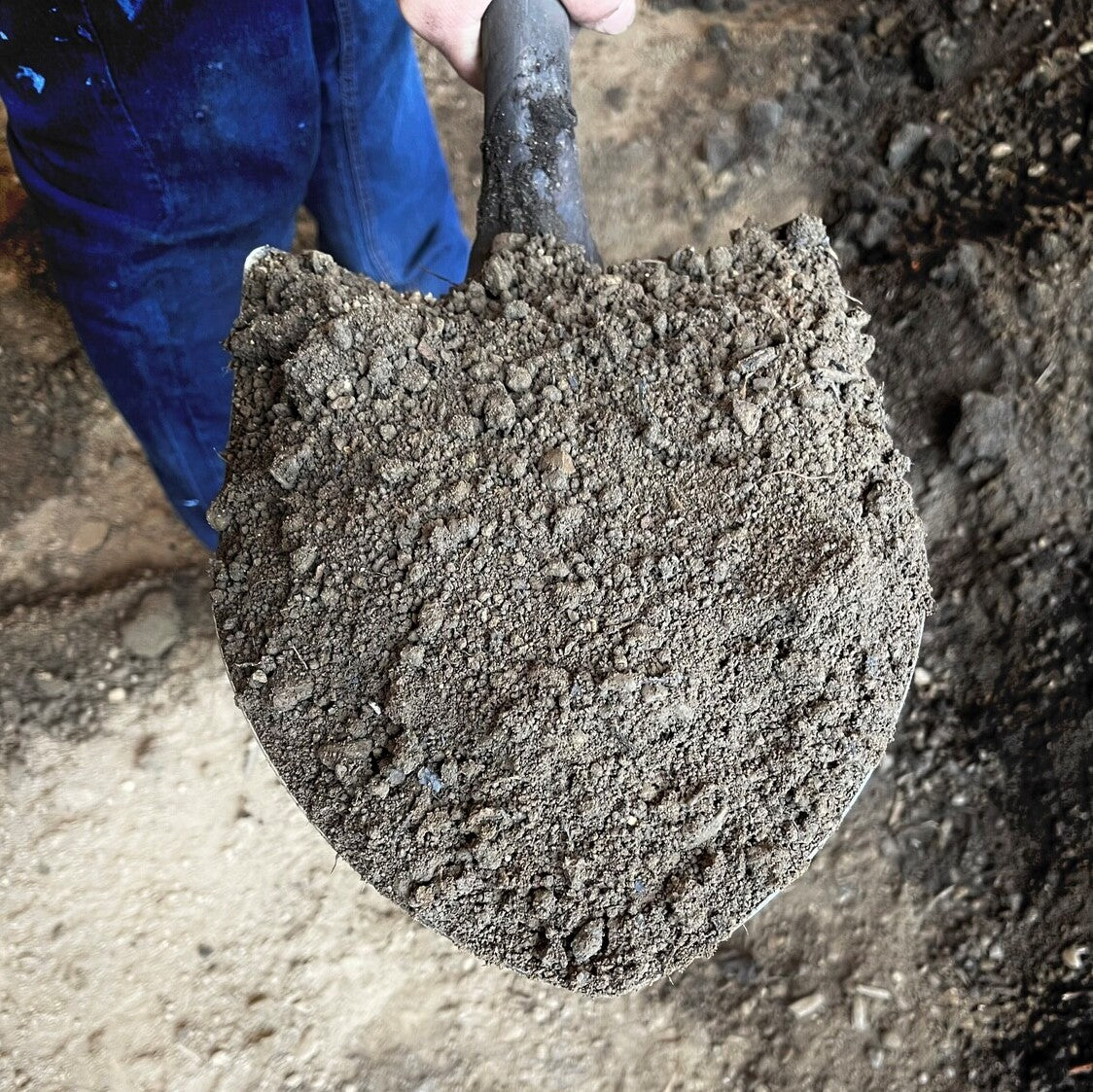
Quality topsoil for lawns, gardens, and landscape projects. Nutrient rich and ready to support strong root development and healthy plant establishment.
We ordered 3 yards of the garden soil, delivered mext day. We used in raised beds 6x3x2. It was more than needed for both but the soil looked good! I added some perlite to add some drainage since this is a little dense.
Quality topsoil for lawns, gardens, and landscape projects. Nutrient rich and ready to support strong root development and healthy plant establishment.
We ordered 3 yards of the garden soil, delivered mext day. We used in raised beds 6x3x2. It was more than needed for both but the soil looked good! I added some perlite to add some drainage since this is a little dense.
How Much Material Do I Need?
For Eugene raised vegetable beds and new planting zones, a minimum of 10 to 12 inches of quality soil provides enough root depth to stay productive even when the native silty clay layer below becomes waterlogged in winter. Lawn leveling and top-dressing applications work best at 1 to 2 inches per pass, allowing each layer to settle before adding more.
Use our free soil calculator
What is a yard?
A yard is approximately 27 cubic feet. As a general guideline, one yard of material can cover an area of about 100-160 square feet at a 2-3 inch depth.
We ordered 3 yards of the garden soil, delivered mext day. We used in raised beds 6x3x2. It was more than needed for both but the soil looked good!...
Read full review
We ordered 3 yards of the garden soil, delivered mext day. We used in raised beds 6x3x2. It was more than needed for both but the soil looked good! I added some perlite to add some drainage since this is a little dense.
Placing an order online was so easy. Delivery was on time. When the driver realized we had a newly poured driveway they erred on the side of cautio...
Read full review
Placing an order online was so easy. Delivery was on time. When the driver realized we had a newly poured driveway they erred on the side of caution and opted not ti drive in it. The company even sent me a message explaining that call. Would recommend!
To figure out how much soil to order, calculate each area's length times width in feet, multiply by the depth you intend to add in feet, and divide by 27 for cubic yards. Eugene projects involving raised beds or lawn leveling over silty clay often benefit from adding a 10 to 15 percent buffer, since the native clay base can be uneven and absorbs some of the first fill layer as it settles.
Complete Your Outdoor Soil Project
Finishing your soil project with a layer of bulk mulch protects the new soil surface from Eugene's heavy winter rains and dramatically reduces the erosion and compaction that exposed topsoil experiences through a wet Willamette Valley season. Our decorative stone products are a great complement for defining bed edges and pathways around newly graded areas, keeping fresh soil from washing onto walkways during Eugene's heaviest rain events.
My Eugene yard has dense clay soil that stays waterlogged all winter. Can adding bulk soil actually make a difference?
Bulk soil will not fix underlying drainage problems caused by high clay content across a large area, but it makes an enormous practical difference in defined planting zones and raised beds. In Eugene, the most effective approach is to build raised beds at least 10 to 12 inches above native grade using a well-draining soil blend, which completely bypasses the saturated silty clay layer during the November through April wet season. For in-ground beds, tilling in a generous layer of quality soil mixed with compost improves structure enough for most perennials and vegetable crops to thrive.
Answer
How much soil do I need to fill a raised garden bed for my Eugene vegetable garden?
A standard 4-by-8-foot raised bed filled to 12 inches deep requires roughly 0.4 cubic yards of soil. Most Eugene gardeners build multiple beds at once, so ordering a full cubic yard or two and using the extra for top-dressing lawn low spots or amending existing beds is a smart way to get the most from a single delivery. Because Eugene's last frost falls around April 12, you have a natural spring deadline for getting beds filled and planted.
Answer
What is the best time of year to have soil delivered in Eugene?
Early spring, between mid-March and late April, is the most popular time in Eugene because gardens are being prepped ahead of the growing season and soils are workable after the winter rains ease. Fall delivery in September and October is equally valuable for lawn leveling and grading projects you want to settle before the rainy season begins again in November. Avoid scheduling a delivery during the peak wet months if you plan to spread immediately, as Eugene's saturated ground conditions can make working heavy soil difficult and lead to compaction.
Answer
Can I use bulk garden soil to level out the low spots in my Eugene lawn?
Yes, and it is one of the most common uses for bulk soil deliveries in Eugene. Low spots collect standing water during Eugene's rainy winters and stay soggy well into spring, leaving dead patches in the lawn by summer. Top-dressing these areas in late summer with a fine-textured soil blend and overseeding with a Pacific Northwest grass mix works well because the soil settles before fall rains arrive. Keep individual applications to an inch or less at a time to avoid smothering existing grass roots.
Answer
Is bulk topsoil a good base for starting a brand-new lawn in Eugene?
A quality bulk topsoil blend provides the foundation a new lawn needs, especially over Eugene's dense native silty clay which does not support seed germination or root development well on its own. Spread at least 4 inches of quality topsoil, rake it smooth, and seed in early September for Eugene's best lawn establishment window. Fall seeding takes advantage of the rains that arrive in October and November without the summer heat stress that June and July plantings often face in the Willamette Valley.
Answer
How do I calculate how many cubic yards of soil I need for my Eugene project?
Measure your project area in feet, multiply length by width to get square footage, then multiply by the intended depth in feet. Divide that total by 27 to convert cubic feet into cubic yards. For example, covering a 200-square-foot garden bed to 6 inches deep requires about 3.7 cubic yards. Eugene homeowners often order a small amount extra given how quickly gaps appear in raised beds as soil settles through its first wet winter season.
Answer
Will bulk soil actually help me grow better vegetables than just trying to improve my existing Eugene soil?
For most Eugene gardeners, building raised beds with quality bulk soil is far more productive than trying to amend native silty clay for vegetable growing. The native soil's density limits root development, drains poorly through the wet winter, and bakes hard in summer. A purpose-built raised bed with a loamy soil blend warms faster in spring, giving you a meaningful head start after Eugene's last frost on April 12, and stays productive through the dry summer with far less supplemental irrigation than in-ground native soil beds require.
Mulch Mound Pro Tip
When filling raised beds over Eugene's native silty clay, place a layer of cardboard directly on the ground before adding soil. The cardboard suppresses the aggressive grass and weeds that Eugene's moist climate supports year-round, and it biodegrades naturally within one growing season, allowing raised bed soil to eventually connect with the ground below. This technique also discourages the burrowing pests that remain active through Eugene's mild winters and probe soft new soil from underneath.
Mulch Mound Pro Tip
Eugene's dry summers, which can go three to four weeks without measurable rain between July and September, stress newly placed soil and the plants growing in it. After filling beds or leveling lawn areas in spring, consider working a slow-release granular fertilizer into the top few inches of soil before planting. This feeds plants through the long dry stretch without requiring heavy supplemental applications during Eugene's warmest months when water stress is already a significant factor.
Mulch Mound Pro Tip
If you are grading or leveling a large area of your Eugene yard with bulk soil, time the project for late summer rather than early spring. Summer-placed soil has weeks to settle and firm before the first significant fall rain arrives around early November. Soil placed in spring over Eugene's clay-heavy subgrade can shift and develop ruts once heavy rains return in fall, potentially undoing the leveling work you completed only months earlier.
The Unique Landscape of Eugene
Eugene's native silty clay soil presents real challenges for gardeners trying to grow vegetables, establish lawns, or build new landscape beds from scratch. The soil holds moisture well during the rainy season but becomes brick-hard and prone to cracking during the dry July through September stretch that Eugene reliably experiences each year. Its fine particle structure limits drainage and air movement, which stresses roots and contributes to the standing water that plagues many low spots in Eugene yards throughout winter. Bringing in quality bulk soil allows homeowners to build raised beds, level uneven lawn areas, and create planting zones with the loose, nutrient-rich structure that Eugene's native ground rarely provides on its own. Whether you are preparing a spring vegetable garden after the last frost in mid-April or grading a new landscape bed before fall rains arrive, the right soil mix makes the difference between a struggling planting and a thriving one.




 +1
+1


