










Delivery was smooth and on time!
The triple shredded mulch was great quality and just what we were looking for.
About this mulch
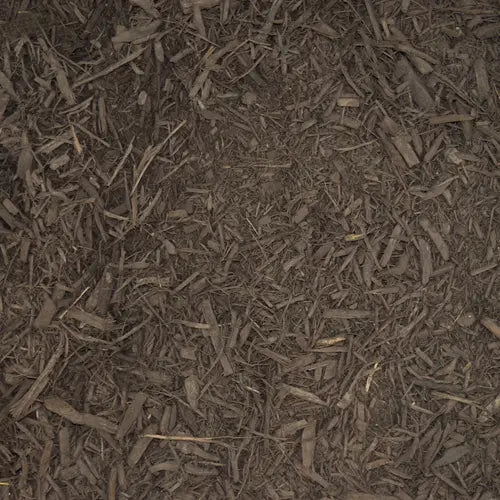
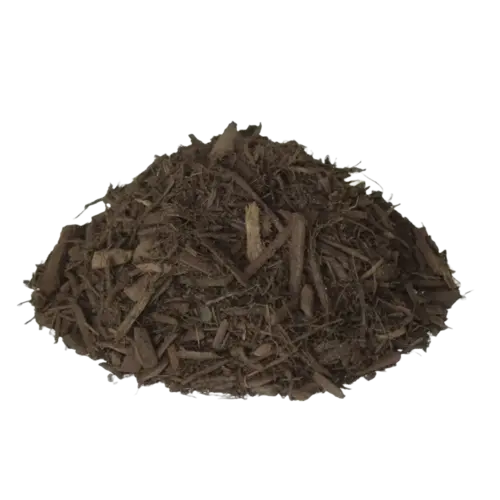
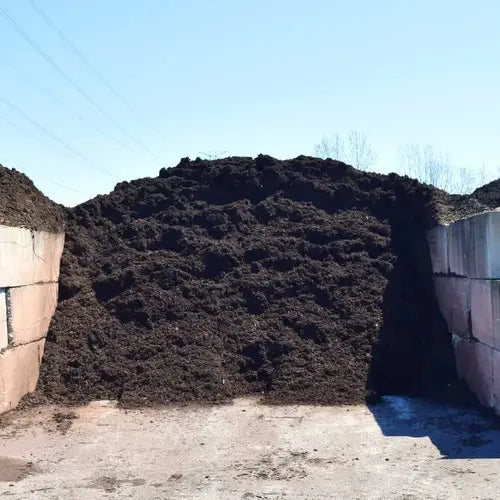
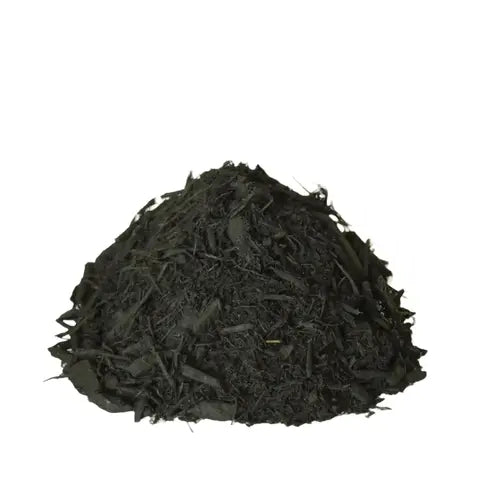
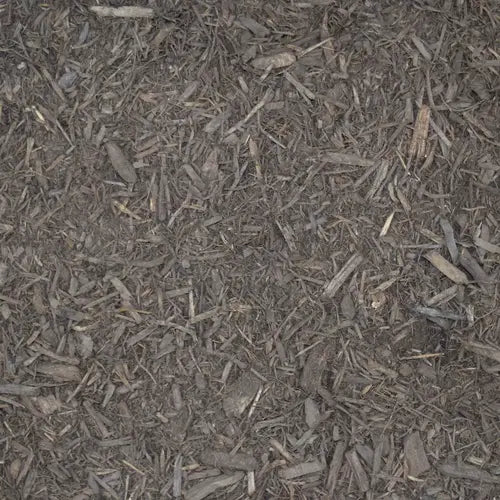
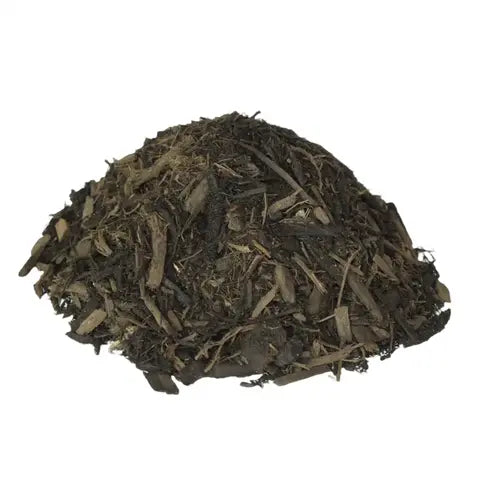
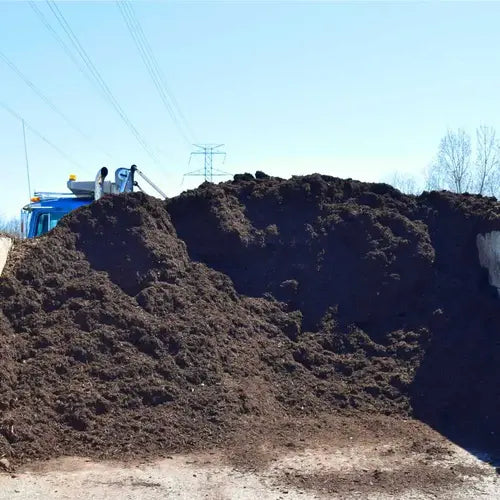
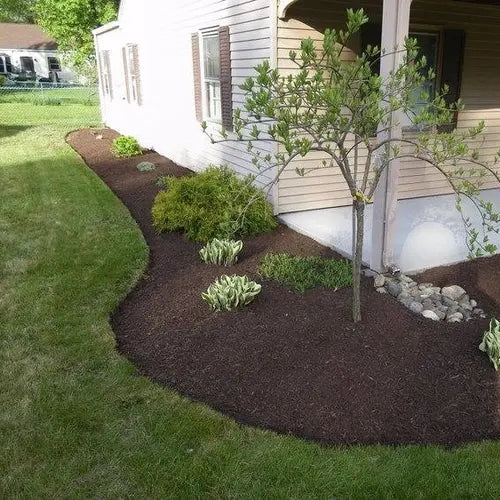
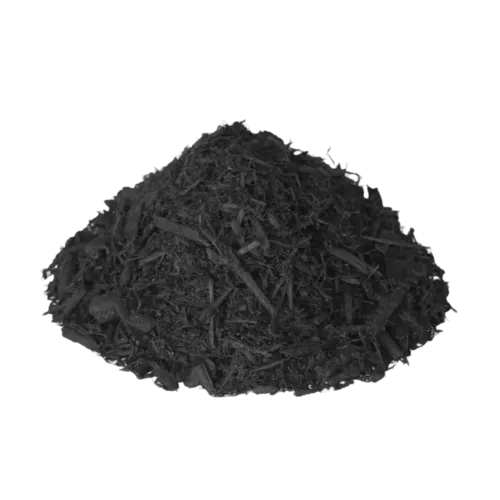
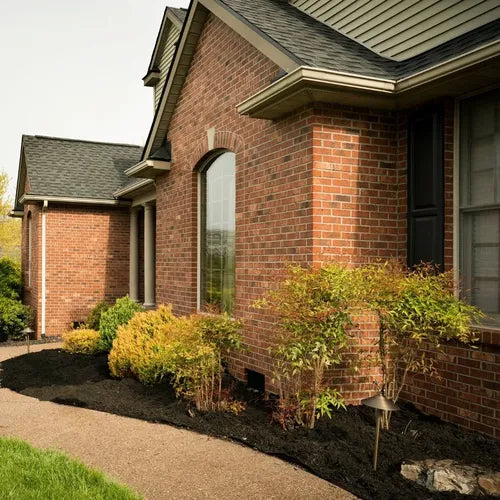
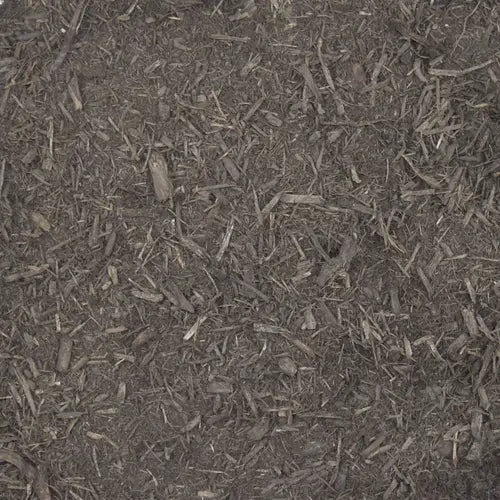
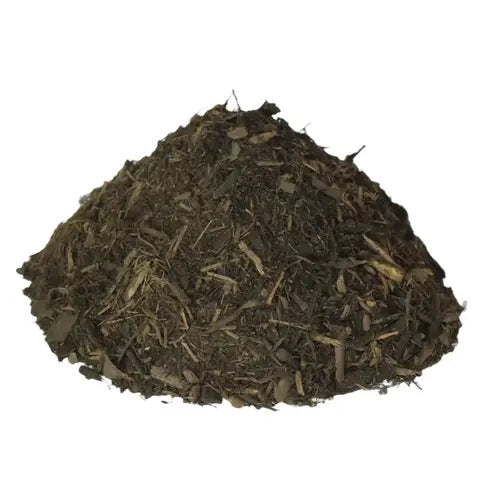
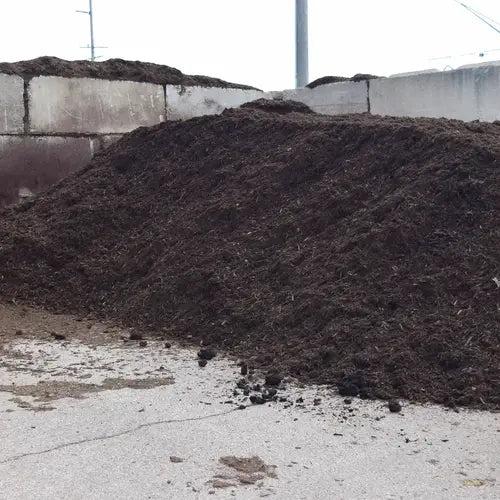
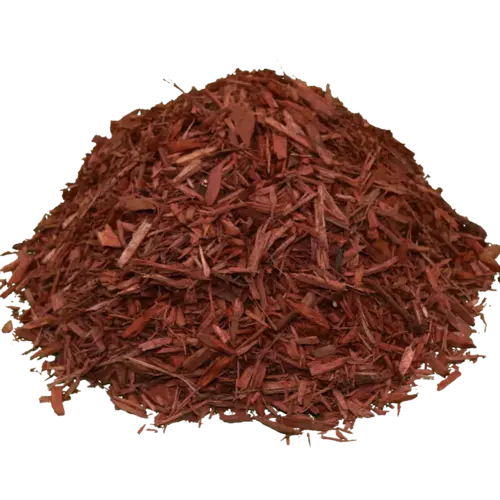
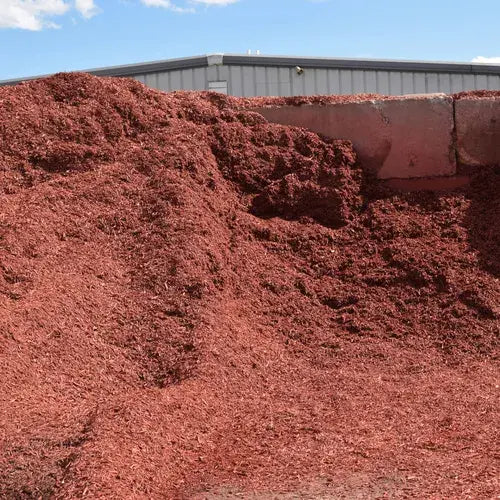
Double-shredded mulch dyed a rich, even brown that holds its color through the season.
Delivery was smooth and on time!
The triple shredded mulch was great quality and just what we were looking for.
Tell us what you're looking for
Thanks! We received your request.
Something went wrong. Please try again.
How Much Material Do I Need?
How Much Material Do I Need?
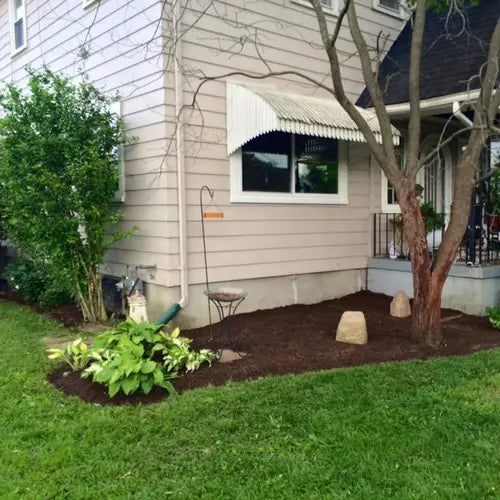
Plan on 2 to 3 inches for established beds and a full 3 inches for new plantings, since one cubic yard covers about 100 square feet at 3 inches. Keep it closer to 2 inches on slopes and around shallow-rooted azaleas and hydrangeas.
Use our free mulch calculator
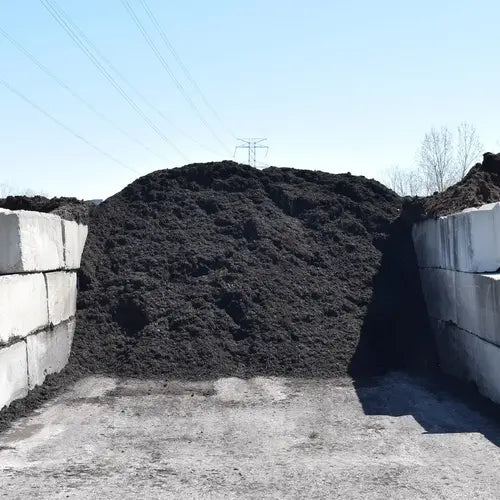
What is a yard?
What is a yard?
FAQs
FAQs
Hamilton Mulch Delivery
Hamilton Mulch Delivery
Regular price
$64.00
per
Yard
Regular price
Sale price
$64.00
Unit price
per
Shipping calculated at checkout.
Minimum of 3 Yard
Couldn't load pickup availability
Not currently available
We can't take orders for this right now. Tell us what you need and we'll get back to you.
Hand-picked local yards
4,000+ regional deliveries
Dedicated support
Why order through Mulch Mound
The best local , without the guesswork.
We hand-pick and partner with the best yards in your region, keep only the ones our buyers rate well, and back each load with our guarantee.
Mulch Mound Guarantee
If your isn't the quantity or quality you ordered, we'll make it right.
About this mulch
Double-shredded mulch dyed a rich, even brown that holds its color through the season.
Delivery was smooth and on time!
The triple shredded mulch was great quality and just what we were looking for.
How Much Material Do I Need?
How Much Material Do I Need?
Plan on 2 to 3 inches for established beds and a full 3 inches for new plantings, since one cubic yard covers about 100 square feet at 3 inches. Keep it closer to 2 inches on slopes and around shallow-rooted azaleas and hydrangeas.
Use our free mulch calculator
What is a yard?
What is a yard?
FAQs
FAQs
Tell us what you're looking for
Thanks! We received your request.
Something went wrong. Please try again.

How It Works
Getting started is easy — just follow these simple steps
1
Choose your Mulch
Make sure you adjust the quantity to your home's needs. You can use our calculator to estimate how much you'll need.
2
Select your delivery date
Select a delivery date you'd like for the product to be dropped off at your home
3
Sit back and wait
Sit back, wait, and let us work our magic to make sure the highest quality product is delivered to your driveway.

Great experience with mulch mound. Their online calculator made it easy to estimate how many yards of mulch I needed and delivery was quick. I woul...
Read full review
Great experience with mulch mound. Their online calculator made it easy to estimate how many yards of mulch I needed and delivery was quick. I would definitely recommend them for your future projects.

We needed mulch for our HOA common areas. Local providers were all holding high prices even for 40 yards of mulch. Mulch mound was easy to wowith...
Read full review
We needed mulch for our HOA common areas. Local providers were all holding high prices even for 40 yards of mulch. Mulch mound was easy to wowith & has great price for natural mulch + delivery schedule options. They called before delivery to ensure Delivery was exactly where we wanted it.
Calculate mulch for your Hamilton project
For Hamilton's type of soil, we recommend 2-3 inches for best weed suppression and moisture retention
Try Our CalculatorMeasure each bed separately with a tape rather than eyeballing the whole yard, since Hamilton lots often have curved island beds and long narrow foundation strips that are easy to underestimate. Multiply length by width for square feet, then let the calculator convert to cubic yards at your chosen depth. Round up to the nearest half yard so you are not short on the last bed.

Best Mulch Choice for Hamilton Lawns
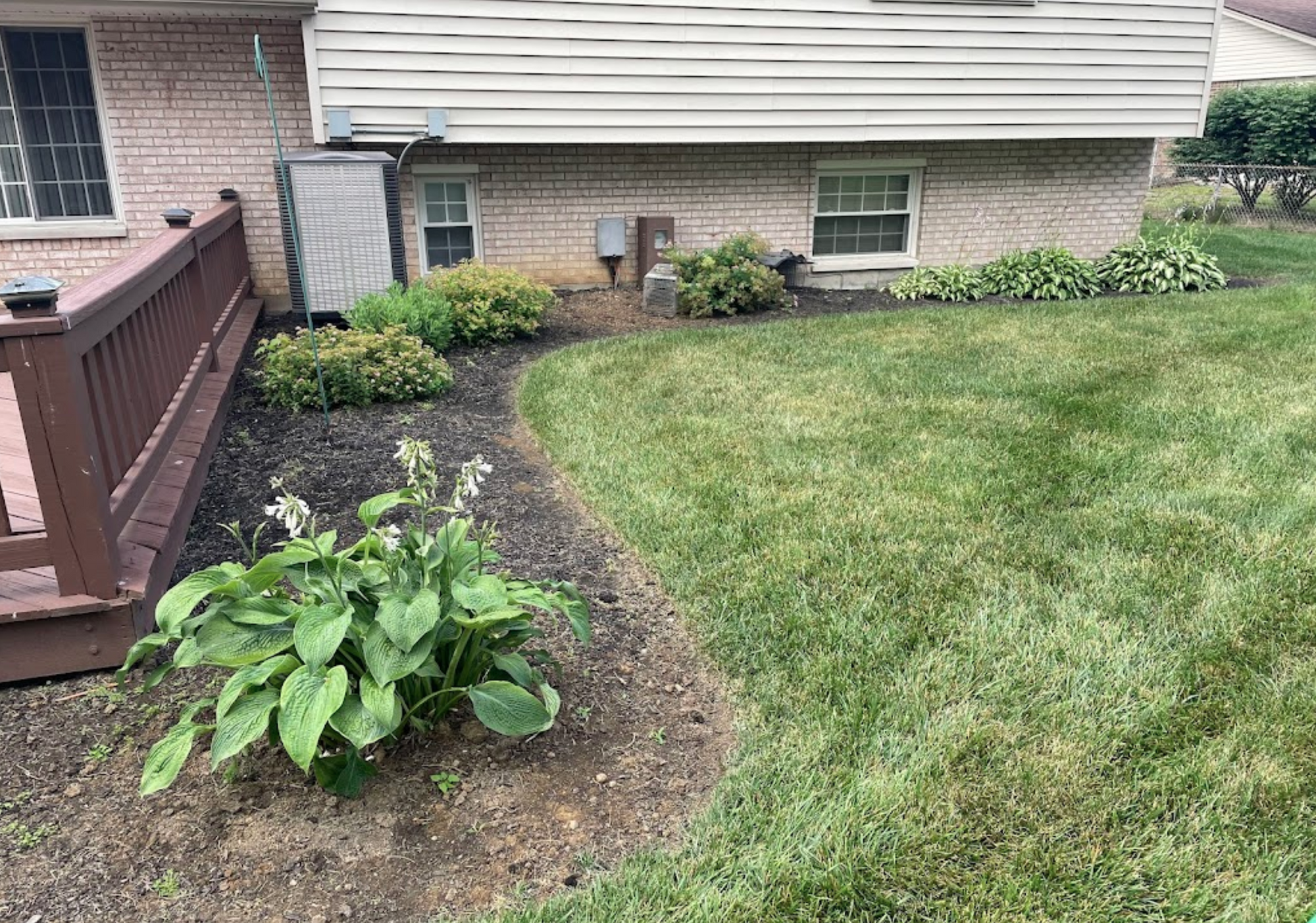
Most yards in the Hamilton area sit on type of soil. Hamilton's silt loam holds water nicely but compacts and forms a surface crust after repeated storms, which starves roots of air and makes it hard for water to soak in where you need it.
Hardwood Mulch
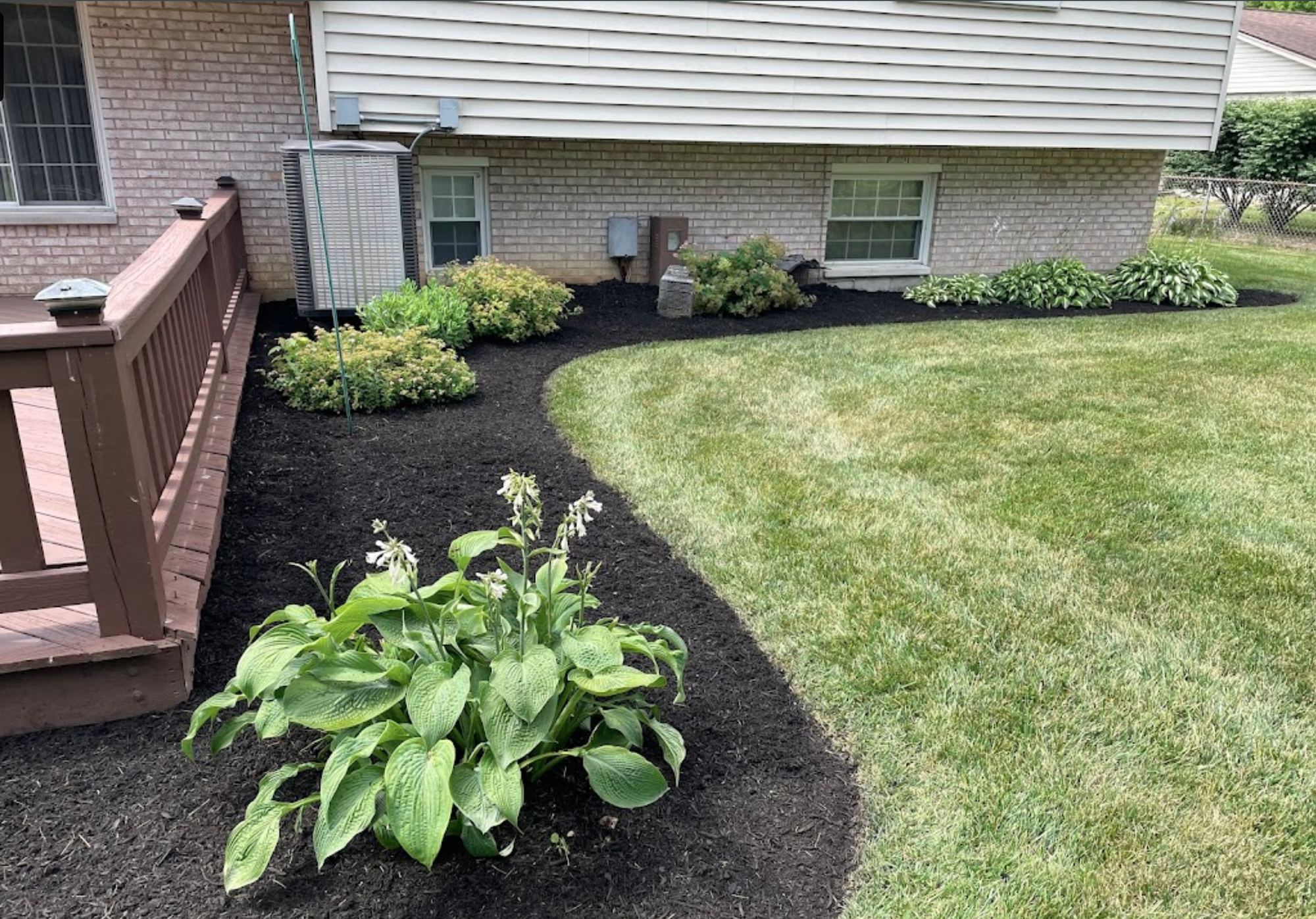
Shredded hardwood mulch shields the silt loam from raindrop impact so it never seals over, and as it decomposes it adds organic matter that keeps the soil loose, crumbly, and better able to drain during our wet springs.
Complete Your Outdoor Mulch Project
Pair your mulch with a yard of screened topsoil or compost to build up thin spots first, and add steel or stone edging so mulch stays in the bed instead of on the sidewalk after a Hamilton downpour.
Service area
Areas we deliver mulch in Hamilton, Ohio
- Bright, Indiana
- Cheviot, Ohio
- Cold Spring, Kentucky
- Delhi Hills, Ohio
- Dry Run, Ohio
- Elsmere, Kentucky
- Fort Mitchell, Kentucky
- Fort Wright, Kentucky
- Groesbeck, Ohio
- Hebron, Kentucky
- Hidden Valley, Indiana
- Lawrenceburg, Indiana
Mulch Mound Pro Tip
Edge before you mulch, not after. Cut a clean 3 inch deep trench along the bed line with a spade or edger, angled back toward the plants. On Hamilton's silt loam that trench cuts through creeping turf roots and gives storm runoff somewhere to slow down. It also lets you carry mulch right to the edge at full depth without spilling onto the lawn, which makes the whole bed look intentional rather than dumped.
Mulch Mound Pro Tip
Do not build mulch volcanoes around your trees. Maples and ornamental pears are everywhere in Hamilton, and piling mulch against the trunk keeps bark wet through our humid summers, which invites rot and gives voles cover all winter. Spread mulch in a flat donut out to the drip line, no deeper than 3 inches, and leave the root flare completely exposed so you can see where the trunk meets the soil.
Mulch Mound Pro Tip
Water the beds before you mulch if the soil is dry. Late summer silt loam in Hamilton can crust hard enough that fresh mulch sheds the next rain right off the bed. Soak the soil first, spread the mulch, then run a light watering over the top to settle it. Damp mulch mats together and resists blowing around during the windy stretches we get in fall.
The Unique Landscape of Hamilton
Hamilton sits at 587 feet in the Great Miami River valley, where silt loam soil holds moisture well but crusts over and sheds water during our heavy summer downpours. With 43 inches of rain a year, much of it arriving in fast spring and July thunderstorms, bare beds erode and splash mud onto siding and walkways. A 2 to 3 inch mulch layer absorbs that impact, keeps the silt loam from sealing shut, and holds moisture through the dry stretches that often hit Butler County in late July and August. Mulch also buffers root zones through Zone 6b winters, where freeze and thaw cycles between December and March heave shallow-rooted shrubs and perennials right out of the ground. For most Hamilton yards, mulch is the cheapest single thing you can do to reduce watering, weeding, and winter plant loss.