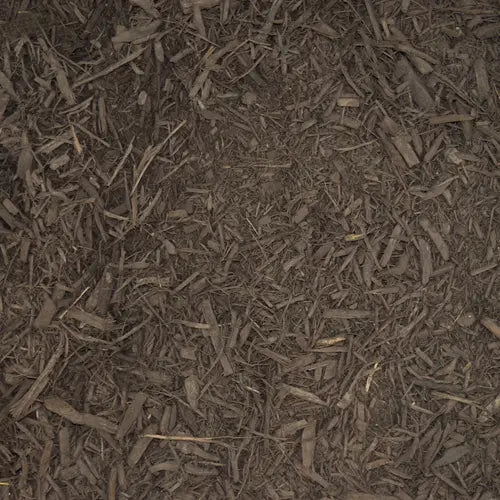
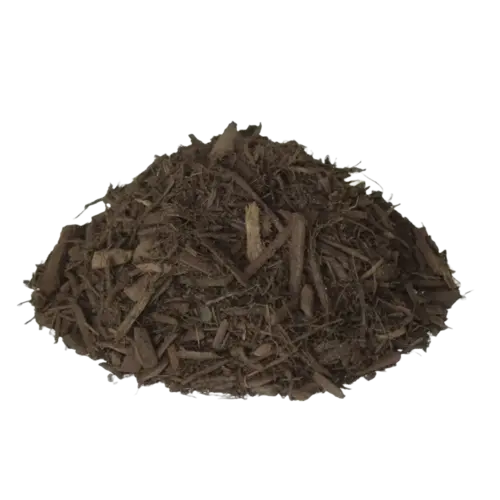
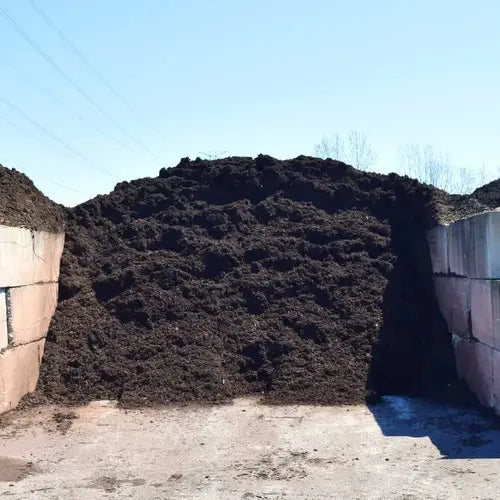
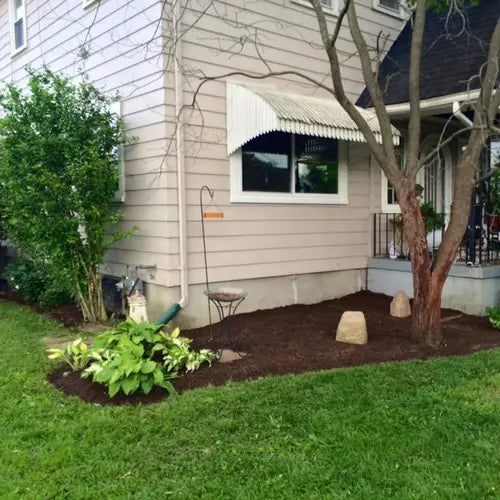
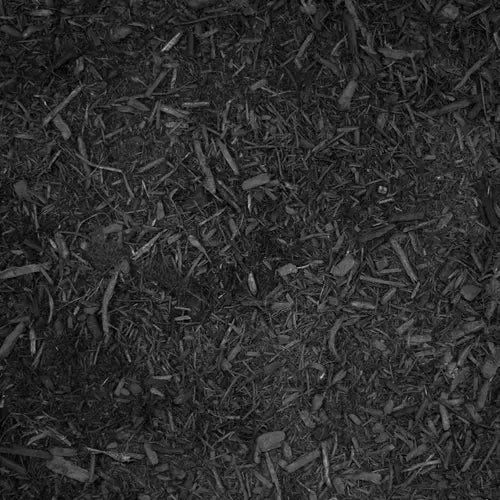
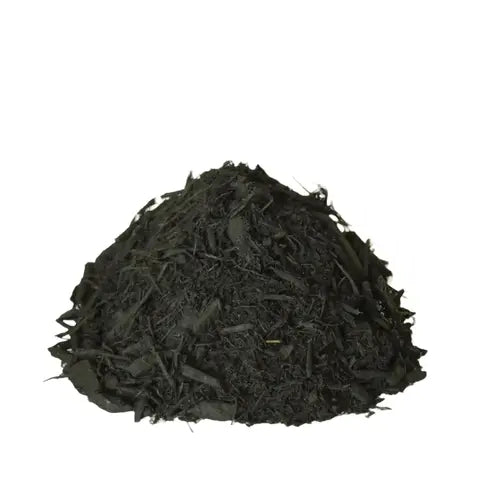
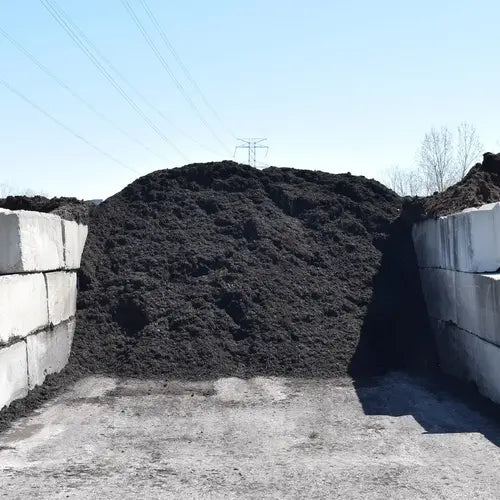
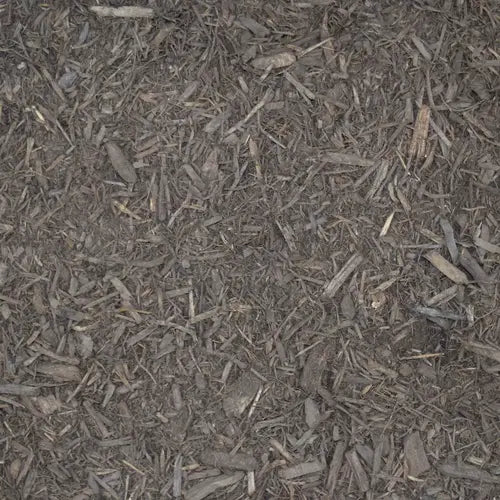
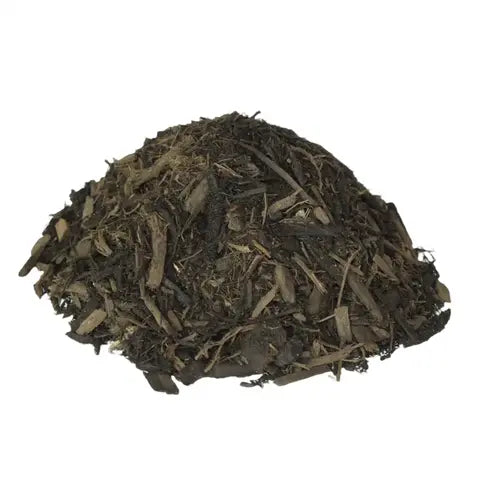
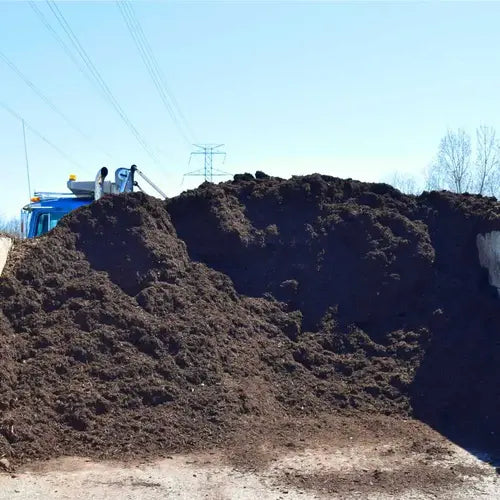
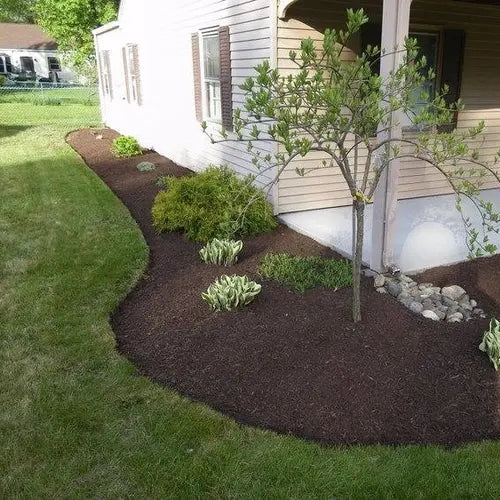
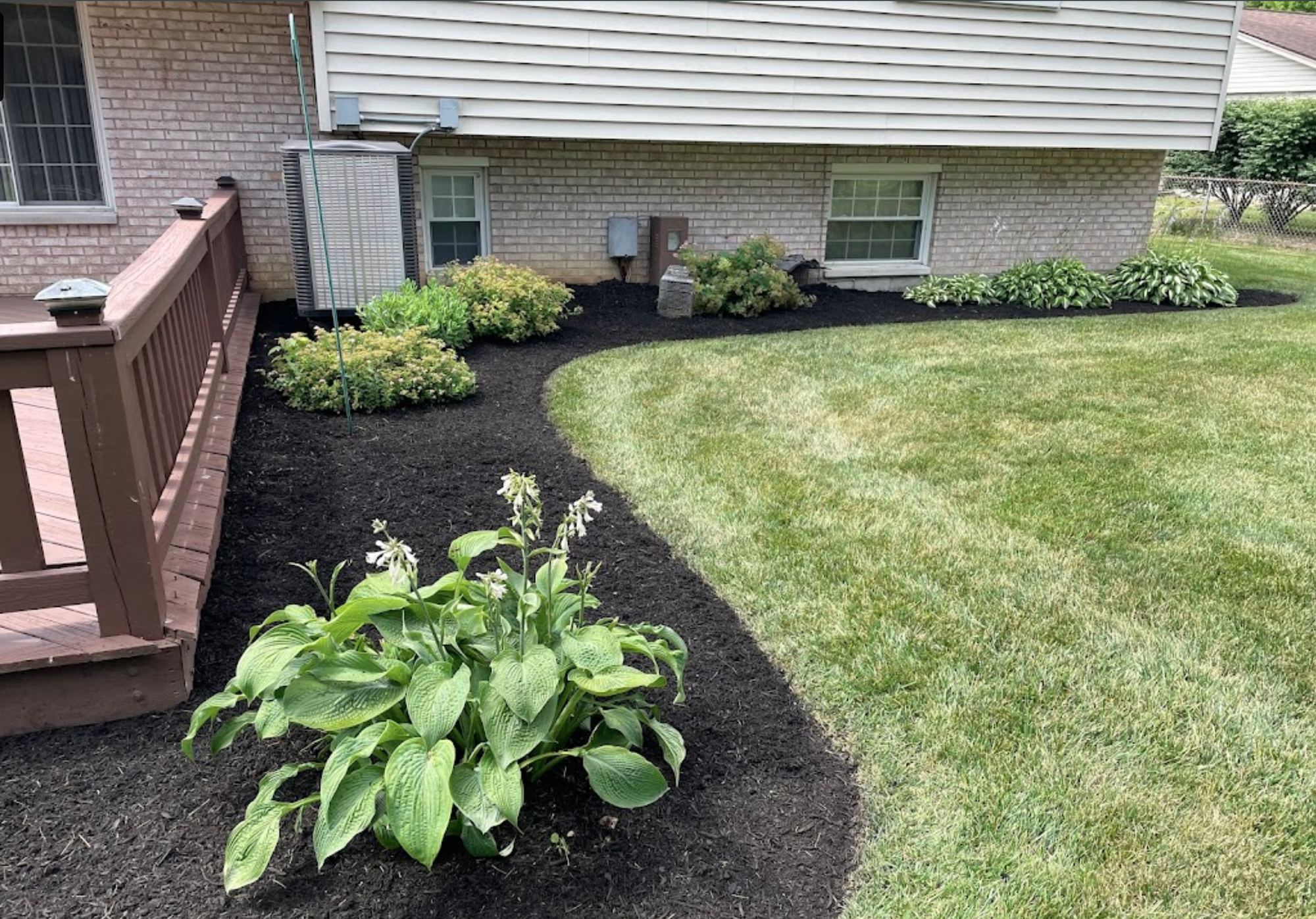
Warm brown double shredded mulch with lasting color that looks freshly applied for weeks. Spreads smooth, stays put, and gives beds a natural, polished appearance.
Good quality, great price, fast delivery. All online - no submitting forms and waiting for days for quotes. Getting mulch should be this easy from everyone. Only Mulch Mound is ACTUALLY this simple.
Tell us what you're looking for
Thanks! We received your request.
Something went wrong. Please try again.
How Much Material Do I Need?
Because Hampton Bays sandy loam drains so freely, a 3 to 4 inch layer of mulch is recommended to provide meaningful moisture retention and weed suppression through dry summer stretches. Going thinner than 3 inches on these fast-draining soils often means beds dry out before the mulch can do its job.
Use our free mulch calculator
What is a yard?
A yard is approximately 27 cubic feet. As a general guideline, one yard of material can cover an area of about 100-160 square feet at a 2-3 inch depth.
We can't take orders for this right now. Tell us what you need and we'll get back to you.
What do you need?
Thanks! We received your request.
Something went wrong. Please try again.
Hand-picked local yards
4,000+ regional deliveries
Dedicated support
Why order through Mulch Mound
The best local mulch, without the guesswork.
We hand-pick and partner with the best yards in your region, keep only the ones our buyers rate well, and back each load with our guarantee.
Mulch Mound Guarantee
If your mulch isn't the quantity or quality you ordered, we'll make it right.
About this mulch
Warm brown double shredded mulch with lasting color that looks freshly applied for weeks. Spreads smooth, stays put, and gives beds a natural, polished appearance.
Good quality, great price, fast delivery. All online - no submitting forms and waiting for days for quotes. Getting mulch should be this easy from everyone. Only Mulch Mound is ACTUALLY this simple.
How Much Material Do I Need?
Because Hampton Bays sandy loam drains so freely, a 3 to 4 inch layer of mulch is recommended to provide meaningful moisture retention and weed suppression through dry summer stretches. Going thinner than 3 inches on these fast-draining soils often means beds dry out before the mulch can do its job.
Use our free mulch calculator
What is a yard?
A yard is approximately 27 cubic feet. As a general guideline, one yard of material can cover an area of about 100-160 square feet at a 2-3 inch depth.
Good quality, great price, fast delivery. All online - no submitting forms and waiting for days for quotes. Getting mulch should be this easy fr...
Read full review
Good quality, great price, fast delivery. All online - no submitting forms and waiting for days for quotes. Getting mulch should be this easy from everyone. Only Mulch Mound is ACTUALLY this simple.
I highly recommend Mulch Mound. The quality of the mulch is very good. The ordering system on their website makes it very easy. The delivery driver...
Read full review
I highly recommend Mulch Mound. The quality of the mulch is very good. The ordering system on their website makes it very easy. The delivery driver did a great job placing the mulch on the driveway. To finish off, the pricing was very reasonable as well.
They offered a quick turnaround and delivered high quality mulch at a reasonable price. They also dropped it off exactly where I told them to put i...
Read full review
They offered a quick turnaround and delivered high quality mulch at a reasonable price. They also dropped it off exactly where I told them to put it. Good service!
Measure the length and width of each bed in feet, then multiply by your desired depth in inches and divide by 324 to get the cubic yards needed. Hampton Bays sandy loam benefits from a minimum 3-inch application, so err on the deeper side when estimating to ensure you have enough coverage. Ordering a little extra is always wise because coastal wind can shift lighter mulch and you may need to replenish thin spots after the first season.
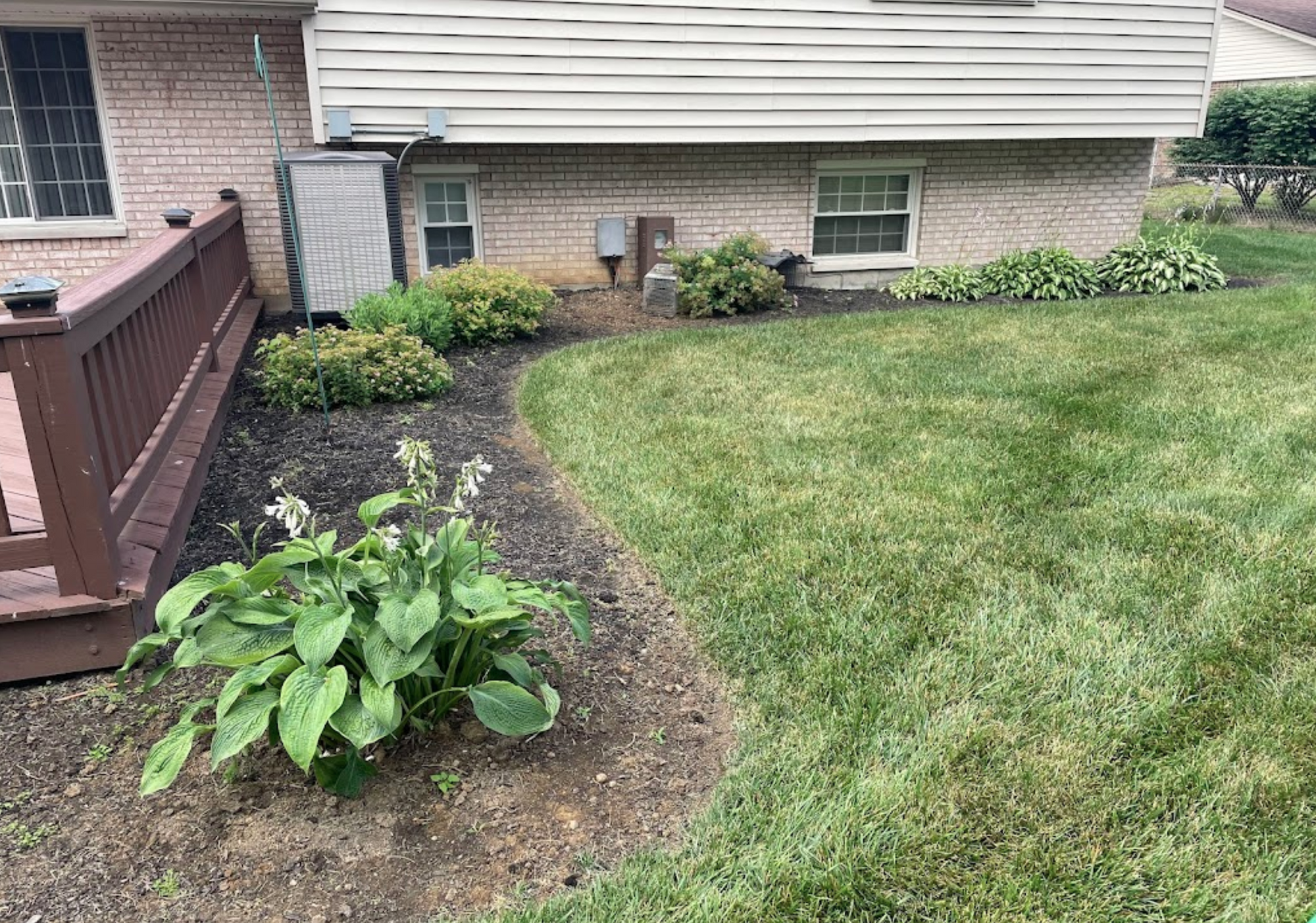
Mulch vs. No Mulch: The Difference
In Hampton Bays, the combination of coastal humidity and direct summer sun causes natural mulches to break down faster than in inland areas, enriching the sandy loam below but requiring more frequent top-ups to maintain adequate depth. Dyed mulches hold their color longer under the intense summer light common on the South Fork, making them a popular choice for high-visibility front beds where curb appeal matters most. Natural hardwood blends decompose into the soil over time, gradually improving the organic matter content that Hampton Bays sandy loam naturally lacks.
Before
After
Best Mulch Choice for Hampton Bays Lawns
Most yards in the Hampton Bays area sit on Sandy Loam type of soil. Hampton Bays sandy loam is naturally low in organic matter and sheds water quickly, leaving plant roots vulnerable to heat stress between rain events. A layer of mulch over these beds acts as a buffer, slowing evaporation and buying plants the time they need to absorb moisture before it percolates away.
Hardwood Mulch
Hardwood mulch is particularly effective on Hampton Bays sandy loam because its slower decomposition rate adds a steady stream of organic material to the soil, improving moisture retention and nutrient availability season after season. Over several years of annual top-dressing with hardwood mulch, homeowners often notice their sandy beds becoming noticeably more productive and easier to manage through the full zone 7b growing season.
Mulch Types We Deliver in Hampton Bays
Mulch Mound delivers bulk mulch by the cubic yard straight to your door. Whether you are refreshing garden beds after a hard coastal winter or planning a full landscape install, bulk mulch delivery in Hampton Bays saves time and keeps projects on track. Choose from a range of varieties suited to local sandy soils and coastal conditions.
Dyed Black Mulch
Dyed black mulch arrives in double shredded or triple shredded cuts, giving you options based on how fine a finish you need. The rich color holds strong through hot, humid coastal summers, and the smooth texture spreads easily over sandy ground, making it a popular choice for crisp, tidy garden beds.
Natural Brown Mulch
Natural brown mulch brings a warm, earthy tone without any dye, which suits the relaxed outdoor aesthetic common to coastal Long Island homes. Available in double shredded or triple shredded, it breaks down over time and feeds the sandy soil typical of this area, gradually improving moisture retention.
Dyed Brown Mulch
Dyed brown mulch gives beds a consistently polished look that holds its color well into fall, an advantage after the sun and salt air of summer take their toll. Choose double shredded for a classic texture or triple shredded for a finer, more refined finish across larger planting areas.
Cedar Mulch
Cedar mulch offers natural insect deterrent properties, a practical benefit near the wooded edges and coastal landscaping where pests tend to be persistent. The fine texture and pleasant fragrance make it well suited for foundation beds and entryways. Cedar is available in double shredded only.
Complete Your Outdoor Mulch Project
Pair your mulch order with a delivery of our premium topsoil to rebuild depleted sandy bed areas before you mulch, or add crushed stone borders to define the edges of your beds and keep mulch neatly contained through Hampton Bays windier seasons.
Pull mulch back a few inches from the base of any woody shrubs or trees in your Hampton Bays beds. The coastal humidity that settles around Shinnecock Bay creates moist conditions near the ground, and mulch piled against bark can trap that moisture and invite fungal problems. A small gap between the mulch ring and the trunk goes a long way toward keeping established plants healthy through the humid summer months common in zone 7b.
Mulch Mound Pro Tip
Time your mulch application so it goes down after the soil has warmed in late spring, typically sometime after the last frost clears around April 26. Applying mulch too early over cold sandy loam can delay soil warming and slow the establishment of warm-season annuals and perennials. Waiting until the soil feels warm to the touch at a couple of inches depth gives your Hampton Bays plants the best possible start to the growing season.
Mulch Mound Pro Tip
With 46 inches of annual rainfall coming through Hampton Bays in bursts throughout the year, mulch depth is your best tool for managing the feast-or-famine moisture cycle in sandy loam beds. During heavy rain events, a well-established 3 to 4 inch mulch layer slows runoff across your beds, giving water more time to soak in rather than stream away. Topping off thin areas each spring ensures your beds are ready for both summer dry spells and the heavier fall rain events common on the South Fork.
Frequently Asked Questions
Click a question to see the answer
Answer
How does Hampton Bays sandy soil affect how often I need to reapply mulch?
Sandy loam breaks down organic material faster than heavier clay-based soils, so in Hampton Bays you should plan to top-dress your beds once a year, typically in late spring after the last frost clears around April 26. As the mulch decomposes it actually improves your sandy soil below, adding organic matter that helps with moisture retention over time. Keeping a consistent 3 to 4 inch layer through each growing season gives you the best results.
Answer
Will mulch help protect my plants from the salt air and coastal wind near the bay?
Mulch does not block salt spray directly, but it plays an important supporting role for plants stressed by coastal conditions. By retaining moisture in the sandy loam beneath, mulch keeps roots hydrated enough to recover more quickly from salt exposure. Keeping a deep, consistent layer around the base of salt-sensitive plants gives them a better buffer than bare sandy soil would.
Answer
What mulch depth do I need given how fast our soil dries out here in Hampton Bays?
Because Hampton Bays sandy loam drains so freely, a minimum of 3 inches is needed to provide meaningful moisture retention, and going to 4 inches is better for beds in full sun or exposed areas. Going thinner than 3 inches on these fast-draining soils often means the surface dries out before the mulch can slow evaporation. Measure carefully and order a little extra so you can maintain that depth across all your beds.
Answer
When should I apply mulch in the fall before the November frost hits Hampton Bays?
Aim to get your fall mulch down by late October, giving yourself a comfortable window before the typical first frost around November 9. Applying a fresh layer in fall insulates soil temperatures and protects shallow roots in sandy loam from the freeze-thaw cycles that occur from November through early spring. This is especially important for perennials and marginally hardy zone 7b plants that might struggle without that extra ground-level protection.
Answer
Is natural hardwood or dyed colored mulch better for my Hampton Bays yard?
Both types perform well in Hampton Bays, but they serve slightly different priorities. Natural hardwood mulch breaks down over the season and feeds organic matter into your nutrient-poor sandy loam, which is a long-term benefit for plant health. Dyed mulches hold their color longer under the intense South Fork summer sun and are a great choice for high-visibility front beds where aesthetics matter most.
Answer
Can mulch help shield my plants from unexpected late frosts since our last frost date is as late as April 26?
Yes, a mulch layer retains daytime soil warmth and reduces the temperature swing at ground level during a late frost event. For Hampton Bays gardeners working with a last frost date around April 26, keeping mulch on beds through early spring provides a modest but real buffer for emerging perennials and bulbs. It will not protect foliage from a hard freeze, but it keeps the root zone several degrees warmer than bare sandy loam would be.
Answer
How do I stop mulch from washing away during the heavy rain events we get here?
Hampton Bays receives about 46 inches of rain per year, and some of that falls in heavy bursts that can displace light mulch on sloped beds. Using a shredded or chunky hardwood product rather than fine bark helps because the irregular pieces interlock and resist movement better than smooth materials. Stone edging along bed borders also keeps mulch contained, and keeping the layer at a full 3 to 4 inches ensures that even if the surface shifts a little there is still adequate coverage beneath.
The Unique Landscape of Hampton Bays
Hampton Bays sits on the South Fork of Long Island where sandy loam soil drains water so quickly that plant beds can dry out within days of a summer rain. That rapid drainage means moisture-starved roots are a constant challenge, and a thick layer of mulch is one of the most effective defenses available to local gardeners. The 46 inches of annual rainfall sounds generous, but much of it passes straight through sandy loam before shallow roots can absorb it, making mulch retention properties especially valuable here. Coastal winds off Shinnecock Bay accelerate surface evaporation, further stressing ornamentals and perennials during dry stretches. With a last frost around April 26 and a first frost around November 9, Hampton Bays homeowners have a meaningful growing window, and keeping soil temperatures stable with mulch helps plants make the most of every week.