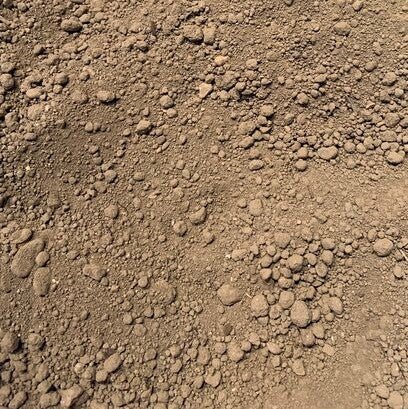
About this soil

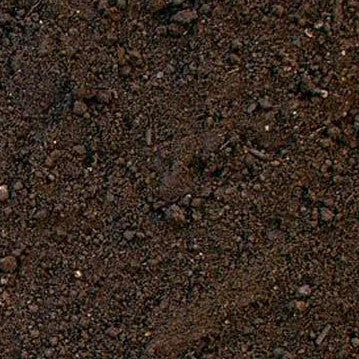
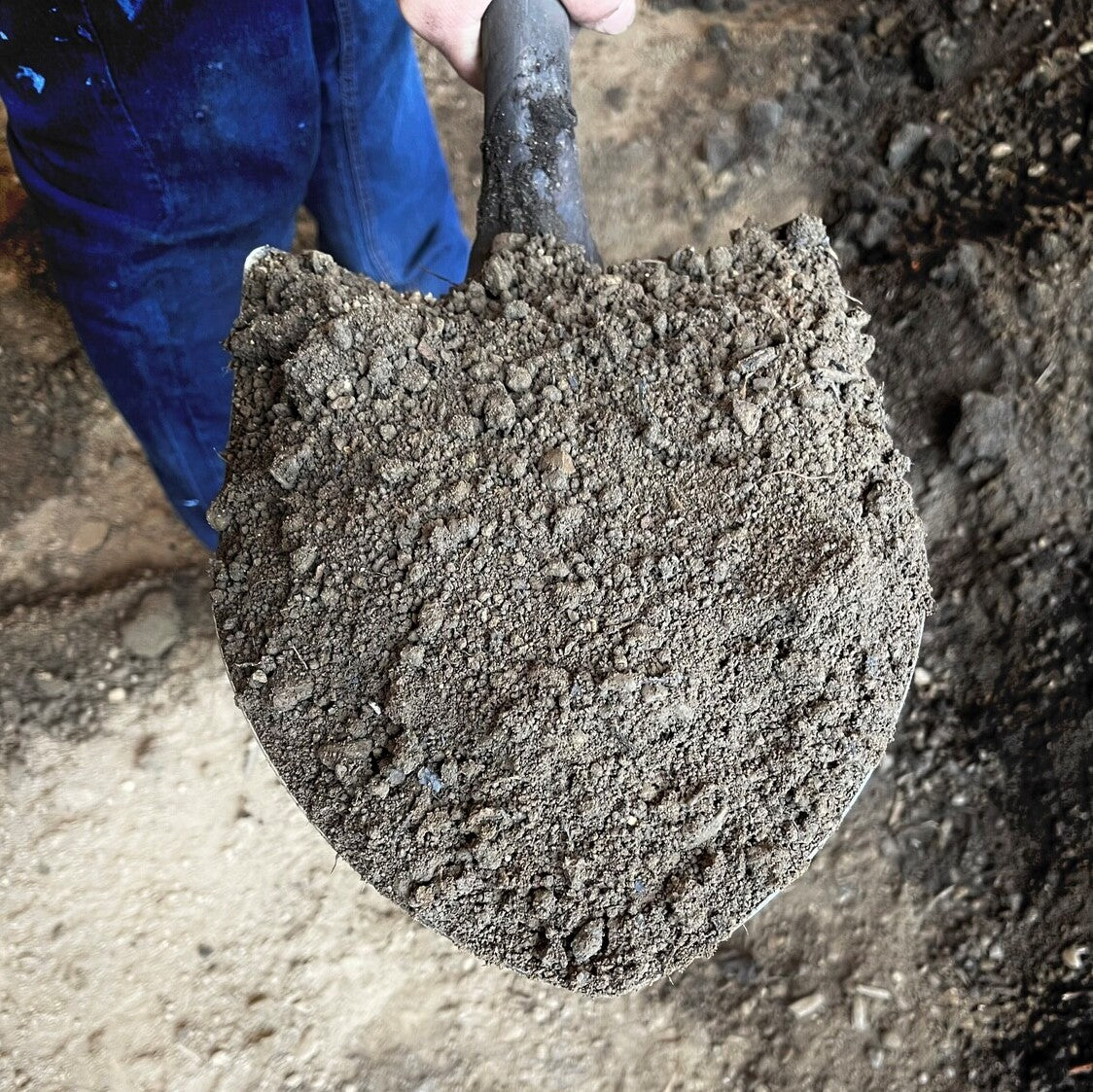
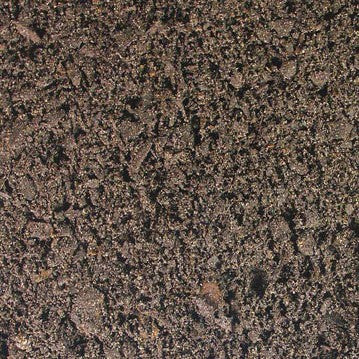
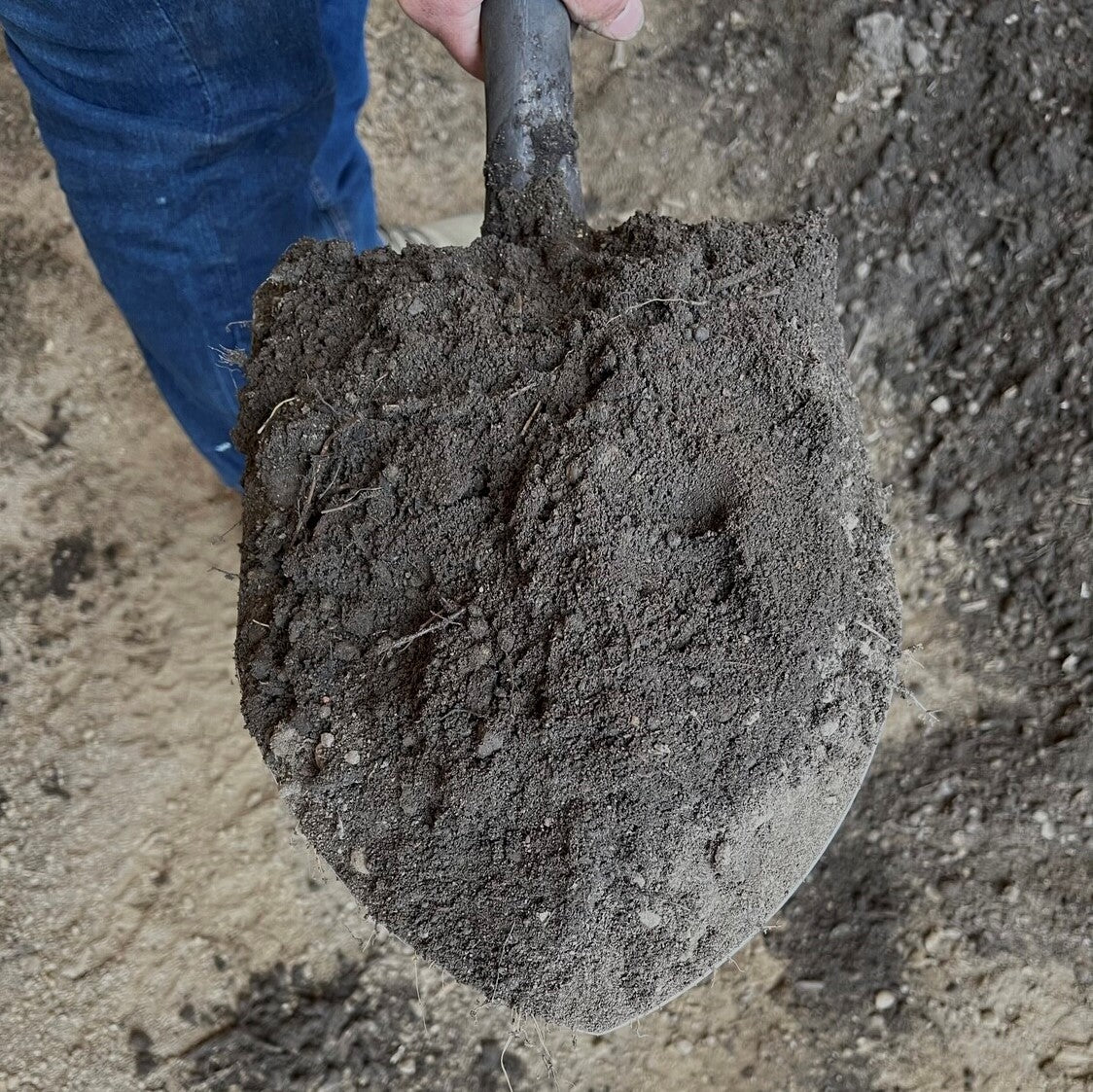
Quality topsoil for lawns, gardens, and landscape projects. Nutrient rich and ready to support strong root development and healthy plant establishment.

My experience with Mulch Mound was great and super easy. I ordered two yards of screened topsoil and was able to get it delivered within 2 days. They came in my requested time frame (afternoon) and dropped it off where I asked on my driveway. The topsoil was exactly what was a...

Hampton Bays Soil Delivery

Hampton Bays Soil Delivery

4.7
137 reviews
Regular price $67.00 per yard
Regular price Sale price $67.00
Sale Sold out
Type
Style
Minimum of 3
1 tree planted for every order

About this soil

Quality topsoil for lawns, gardens, and landscape projects. Nutrient rich and ready to support strong root development and healthy plant establishment.

My experience with Mulch Mound was great and super easy. I ordered two yards of screened topsoil and was able to get it delivered within 2 days. They came in my requested time frame (afternoon) and dropped it off where I asked on my driveway. The topsoil was exactly what was a...

For Hampton Bays garden bed preparation over sandy loam, a 4 to 6 inch layer of quality topsoil tilled into the existing soil provides a meaningful root zone improvement for most plants. Lawn leveling projects typically need just 1 to 2 inches spread evenly to fill low spots without burying existing grass crowns.
Use our free soil calculator

A yard is approximately 27 cubic feet. As a general guideline, one yard of material can cover an area of about 100-160 square feet at a 2-3 inch depth.

View full details

How It Works

Getting started is easy — just follow these simple steps

1

Choose your soil

Make sure you adjust the quantity to your home's needs. You can use our calculator to estimate how much you'll need.

2

Select your delivery date

Select a delivery date you'd like for the product to be dropped off at your home

3

Sit back and wait

Sit back, wait, and let us work our magic to make sure the highest quality product is delivered to your driveway.

What Hampton Bays Customers Like About Our Soil

4.7
out of 5 based on 137 reviews
Google Reviews

Need Help Calculating How Much Soil You Need?

Use our NEW Trace from Satellite tool to get an estimate for your project based on an aerial view of your property

Try Our Calculator
📍

Measure your project area in square feet, decide on the depth of soil you need in inches, then multiply length times width times depth and divide by 324 to get cubic yards. For Hampton Bays lawn leveling projects, even a 1 to 2 inch top-dress can make a noticeable difference over sandy loam, so careful measurement saves you from over-ordering. For new raised beds, estimating generously is smart because settling in sandy environments can reduce your final depth by an inch or more after a few good rains.

Complete Your Outdoor Soil Project

After your soil delivery, consider topping finished beds with a layer of hardwood mulch to lock in the improved moisture retention you have just created in your sandy beds, or add a decorative stone border to contain your raised areas and give your Hampton Bays landscape a clean, finished look.

Map of Hampton Bays, New York

Areas We Deliver Soil in Hampton Bays, New York

No cities found for this region.

See All Locations

Frequently Asked Questions

Click a question to see the answer

Answer

How much topsoil do I need to actually improve my sandy Hampton Bays lawn?

For a lawn top-dress over sandy loam in Hampton Bays, a 1 to 2 inch layer spread evenly across the turf area gives you a meaningful improvement without burying grass crowns. Work it in lightly with a rake or drag mat so it settles into low spots and thin areas. If you are overseeding at the same time, this thin layer also provides good seed-to-soil contact for faster germination after the last frost clears.

Answer

Should I mix the new topsoil into my sandy ground or just lay it on top?

For garden beds in Hampton Bays, tilling the new topsoil at least 4 to 6 inches into the existing sandy loam gives far better results than simply layering it on the surface. Sandy loam stays stratified easily, and a clean boundary between two soil types can actually slow drainage and trap roots. Blending the materials creates a consistent root zone that holds moisture and nutrients much more effectively through the dry summer months.

Answer

Is delivered topsoil the right choice for building raised vegetable beds in Hampton Bays?

Raised beds are one of the smartest investments a Hampton Bays vegetable gardener can make, because they let you create an ideal root zone completely independent of the sandy loam below. Fill raised beds with a blend of quality topsoil and compost to give warm-season crops the nutrient reserves they need in zone 7b summers. Starting plants in that environment after the last frost around April 26 sets them up to produce well all the way through early November.

Answer

When is the best time of year to spread soil for lawn repair in Hampton Bays?

Early fall is generally the best window for lawn soil work in Hampton Bays, as soil temperatures stay warm enough for grass seed germination well into October and the lower air temps reduce heat stress on young turf. Early spring after the last frost around April 26 is also a solid option, especially for overseeding thin areas before the growing season kicks in. Avoid working sandy loam during the driest summer weeks when it can become powdery and difficult to handle.

Answer

Can adding topsoil fix the drainage problems in the low spots of my Hampton Bays yard?

Topsoil can absolutely be used to grade up and fill low spots that collect standing water after rain events in Hampton Bays. The flat terrain near the bays means small depressions can hold water for days on sandy loam if the surface grade does not direct flow properly. Adding and grading topsoil to create a slight slope away from those problem areas redirects runoff before it pools, and pairing the graded soil with a layer of seed or sod locks it in place quickly.

Answer

How deep should I go when building a new garden bed on top of my existing sandy soil?

For a new garden bed in Hampton Bays, aim for at least 6 inches of quality topsoil tilled into and on top of the existing sandy loam to give roots a meaningful improved zone to grow into. Shallower depths tend to dry out too quickly during the warm months between late April and early November, undoing the benefit of the new material. If you are growing deeper-rooted perennials or shrubs, working good soil even deeper will pay off in plant establishment.

Answer

Will better topsoil actually help me grow more vegetables given Hampton Bays has a somewhat short growing season?

Zone 7b gives Hampton Bays gardeners roughly six and a half months between the last frost around April 26 and the first frost around November 9, which is a workable window for most vegetables. The limiting factor is usually not the season length but the nutrient-poor sandy loam that most local lots sit on. Rich topsoil blended with compost in your raised or in-ground beds gives crops the fuel they need to grow quickly and produce heavily within that window.

Mulch Mound Pro Tip

When adding topsoil to sandy loam in Hampton Bays, take the time to till it 4 to 6 inches deep rather than simply laying it on top of the existing ground. Sandy loam tends to stay stratified, and shallow layers of new soil can create a boundary that slows drainage and traps roots at the interface. Blending the new material into the existing soil creates a consistent root zone that performs better through the dry summer months and the full zone 7b growing season.

Mulch Mound Pro Tip

Hampton Bays gardeners planning raised vegetable beds should fill them with a blend that includes compost alongside topsoil, since zone 7b summers bring enough heat to burn through nutrients quickly in a contained bed environment. Starting with nutrient-rich material gives vegetables the reserves they need to produce well from late spring through early November. Plan to replenish with fresh compost each year to maintain that fertility as the season cycles through.

Mulch Mound Pro Tip

If you are grading or leveling areas of your Hampton Bays lawn, try to complete the work in early spring after the last frost clears around April 26, so grass seed or sod can establish before summer heat arrives. Doing grading work in the fall is also effective, as the soil stays workable until early November, and fall-seeded turf roots in well before the ground cools. Avoid grading during the driest summer weeks when sandy loam can become almost powder-like and difficult to compact and shape properly.

The Unique Landscape of Hampton Bays

Hampton Bays sits on sandy loam that drains beautifully but holds very little in the way of nutrients or organic matter, making quality delivered topsoil an essential material for anyone establishing new garden beds or repairing thin lawn areas. The elevation of just 33 feet and the relatively flat terrain common around the bays means that low spots collect water while higher areas dry out quickly, and grading with good soil can correct these drainage imbalances. With a growing season that runs from the last frost around April 26 to the first frost around November 9, Hampton Bays gardeners have a solid window to establish plants, but only if the root zone has enough nutrient-rich soil to support rapid growth. The native sandy loam that dominates most residential lots in the area can be improved dramatically with strategic additions of loamy topsoil blended into existing beds or used to build up raised growing areas. Coastal properties near Shinnecock Bay also face salt influence in some low-lying areas, and bringing in clean topsoil for raised beds allows gardeners to create growing environments that bypass those challenges entirely.
