



Super easy to order the rocks. They showed up on time, dumped right where I said, and everything worked great.
About this stone
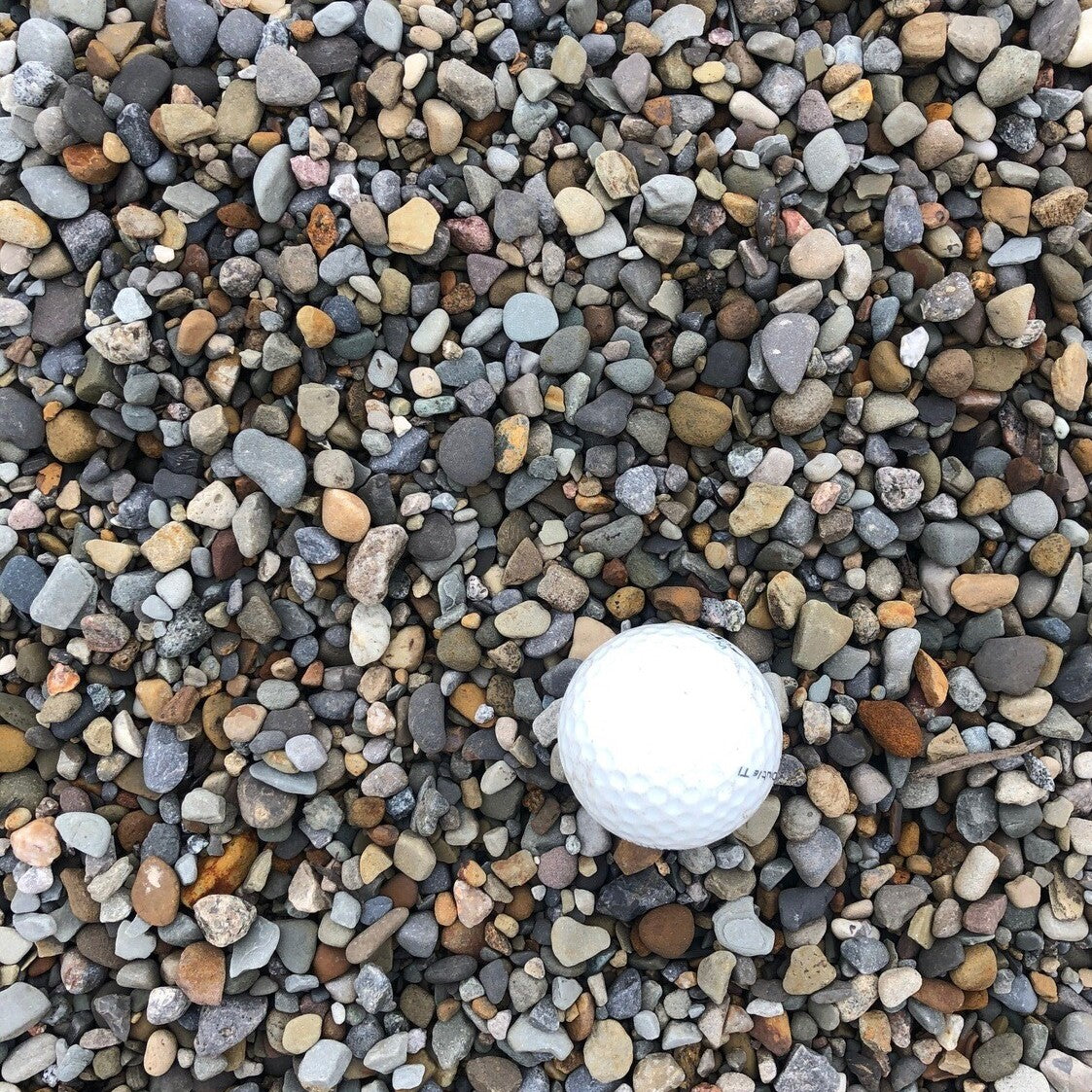
Classic pea gravel with smooth, rounded edges and natural earth tones. A versatile favorite for pathways, patios, drainage, and decorative ground cover.
Super easy to order the rocks. They showed up on time, dumped right where I said, and everything worked great.
Tell us what you're looking for
Thanks! We received your request.
Something went wrong. Please try again.
Hampton Bays Stone Delivery
Hampton Bays Stone Delivery
Regular price
$87.00
per
yard
Regular price
Sale price
$87.00
Unit price
per
Minimum of 3
Couldn't load pickup availability
1 tree planted for every order
About this stone
Classic pea gravel with smooth, rounded edges and natural earth tones. A versatile favorite for pathways, patios, drainage, and decorative ground cover.
Super easy to order the rocks. They showed up on time, dumped right where I said, and everything worked great.
How Much Material Do I Need?
How Much Material Do I Need?
For decorative beds and pathways in Hampton Bays, a 3-inch layer of crushed stone or gravel provides good coverage and resists displacement from the coastal winds and rain events common in the area. Drainage channels and dry creek applications benefit from a deeper 6-inch fill to ensure adequate water flow through the material during heavy rainfall.
Use our free stone calculator
What is a yard?
What is a yard?
FAQs
FAQs
Tell us what you're looking for
Thanks! We received your request.
Something went wrong. Please try again.
How It Works
Getting started is easy — just follow these simple steps
1
Choose your stone
Make sure you adjust the quantity to your home's needs. You can use our calculator to estimate how much you'll need.
2
Select your delivery date
Select a delivery date you'd like for the product to be dropped off at your home
3
Sit back and wait
Sit back, wait, and let us work our magic to make sure the highest quality product is delivered to your driveway.


Fast delivery and great pricing. Will definitely order from them again. 100% satisfied.
Need Help Calculating How Much Stone & Gravel You Need?
Use our NEW Trace from Satellite tool to get an estimate for your project based on an aerial view of your property
Try Our CalculatorMeasure your coverage area in square feet, convert your desired depth from inches to feet by dividing by 12, then multiply length times width times depth to get cubic feet and divide by 27 for cubic yards. For Hampton Bays pathways over sandy loam, a 3 to 4 inch depth gives adequate stability and minimizes sinking into the loose substrate below. Drainage applications may need 6 inches or more of crushed stone to function effectively, so plan quantities generously for those projects.
Complete Your Outdoor Stone Project
Combine your stone order with a topsoil delivery to prepare the planting areas surrounding your new stone features, or add a hardwood mulch delivery for the planted sections of your Hampton Bays landscape that border your stone pathways and borders.


Areas We Deliver Stone & Gravel in Hampton Bays, New York
No cities found for this region.
Mulch Mound Pro Tip
In Hampton Bays, where storm events off the Atlantic can bring sudden heavy rain, placing a layer of crushed stone along the drip line of your home redirects water away from the sandy foundation soil before it can erode or channel toward the structure. A 12 to 18 inch stone border at the foundation edge also eliminates the weedy mulched strip that needs attention every growing season. It is a low-maintenance solution that works hardest during exactly the kind of weather Hampton Bays homeowners prepare for every fall.
Mulch Mound Pro Tip
Sandy loam in Hampton Bays means that loose stone pathways can gradually sink over time as the fine particles beneath them shift and migrate upward. Laying a compacted base of fine crushed stone or road base material beneath your decorative surface layer gives you a stable foundation that resists settling through the seasons. Taking this extra step during installation saves you the trouble of re-leveling pathways every few years after the sandy substrate moves.
Mulch Mound Pro Tip
For Hampton Bays properties with low spots that collect standing water after rain events, a simple dry creek bed filled with rounded river rock moves excess water across the yard to a better outlet without any underground pipe. These features handle the periodic heavy downpours that move through the South Fork and they look like a natural landscape element rather than a drainage correction. Position them to flow toward the street, a dry well, or a low area well away from the foundation for best results year-round.
The Unique Landscape of Hampton Bays
Stone is one of the most practical materials for Hampton Bays landscapes, where sandy loam and coastal conditions create constant maintenance challenges that hard surfaces simply eliminate. Pathways and patios built with crushed stone or gravel provide stable footing year-round without the heaving and settling that can affect poured surfaces when the ground freezes and thaws between November and April. Along the foundation of homes close to the water, stone borders deflect storm runoff and reduce erosion on the sandy soil that shifts quickly during heavy rain events. Decorative stone in garden beds cuts down on the ongoing mulch replenishment that sandy, fast-draining soils demand, providing a longer-lasting ground cover option for low-traffic ornamental areas. The naturally flat terrain near the bays also means that drainage swales and dry creek channels, often filled with crushed stone, are a common and effective solution for Hampton Bays homeowners dealing with standing water in low spots.
Explore other options for landscape supply delivery in Hampton bays, New york