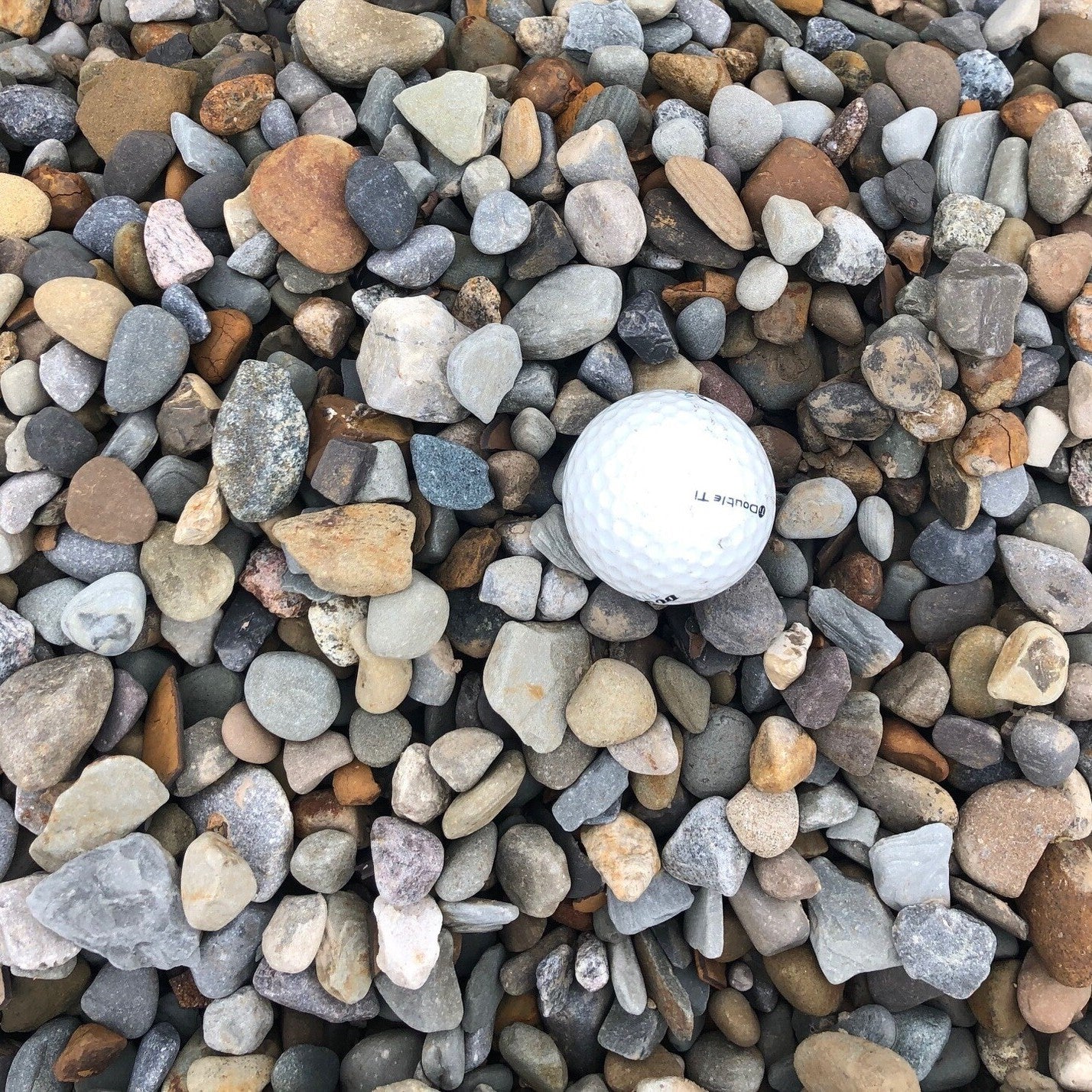
About this stone

#8 washed gravel: small angular crushed stone perfect for drainage, French drains, and concrete bases.

My experience with Mulch Mound was great and super easy. I ordered two yards of screened topsoil and was able to get it delivered within 2 days. They came in my requested time frame (afternoon) and dropped it off where I asked on my driveway. The topsoil was exactly what was a...

For decorative stone in garden beds and borders, 2 to 3 inches of depth provides good weed suppression and a finished look without using excessive material. For functional applications like drainage swales, path bases, or driveway surfaces in Hampton, plan for 4 inches of depth to ensure stability over the sandy loam base.
Use our free stone calculator

A yard is approximately 27 cubic feet. As a general guideline, one yard of material can cover an area of about 100-160 square feet at a 2-3 inch depth.

Hampton Stone Delivery

Hampton Stone Delivery

4.7
137 reviews
Regular price $87.00 per Yard
Regular price Sale price $87.00
Sale Sold out
Shipping calculated at checkout.
Type
Size
Hand-picked local yards
4,000+ regional deliveries
Dedicated support
Why order through Mulch Mound

The best local , without the guesswork.

We hand-pick and partner with the best yards in your region, keep only the ones our buyers rate well, and back each load with our guarantee.

Mulch Mound Guarantee

If your isn't the quantity or quality you ordered, we'll make it right.

About this stone

#8 washed gravel: small angular crushed stone perfect for drainage, French drains, and concrete bases.

My experience with Mulch Mound was great and super easy. I ordered two yards of screened topsoil and was able to get it delivered within 2 days. They came in my requested time frame (afternoon) and dropped it off where I asked on my driveway. The topsoil was exactly what was a...

For decorative stone in garden beds and borders, 2 to 3 inches of depth provides good weed suppression and a finished look without using excessive material. For functional applications like drainage swales, path bases, or driveway surfaces in Hampton, plan for 4 inches of depth to ensure stability over the sandy loam base.
Use our free stone calculator

A yard is approximately 27 cubic feet. As a general guideline, one yard of material can cover an area of about 100-160 square feet at a 2-3 inch depth.

View full details

How It Works

Getting started is easy — just follow these simple steps

1

Choose your stone

Make sure you adjust the quantity to your home's needs. You can use our calculator to estimate how much you'll need.

2

Select your delivery date

Select a delivery date you'd like for the product to be dropped off at your home

3

Sit back and wait

Sit back, wait, and let us work our magic to make sure the highest quality product is delivered to your driveway.

From The Mouths of Hampton Folks

4.7
out of 5 based on 137 reviews
Google Reviews

Need Help Calculating How Much Stone & Gravel You Need?

Use our NEW Trace from Satellite tool to get an estimate for your project based on an aerial view of your property

Try Our Calculator
📍

Stone is measured in cubic yards just like mulch and soil, but it is significantly heavier, so accurate measuring before you order prevents the hassle of a second delivery or leftover material you have to move. Measure your project area length by width in feet, decide on your desired depth in inches, and enter those numbers into our coverage calculator for an instant cubic yard estimate. For irregular areas like curved paths or dry creek beds, walk the length with a measuring tape and use an average width measurement to keep your estimate accurate.

Complete Your Outdoor Stone Project

Stone borders pair beautifully with shredded hardwood mulch beds, creating a clean visual separation that also keeps mulch from migrating across your lawn during Hampton's heavier rain events. If you are building a stone path or patio, consider ordering a screened topsoil or sand layer to use as your leveling base beneath the stone for a flat, stable finished surface.

Mulch Mound Pro Tip

Hampton's combination of high humidity and organic debris from trees and coastal vegetation means stone surfaces can develop algae or moss faster than homeowners expect, especially in shaded or north-facing areas. When planning your stone installation, choose locations that receive at least a few hours of direct sun if possible, and occasionally rinse shaded stone paths with a garden hose to slow organic buildup. A simple annual spray with a diluted white vinegar solution keeps most Hampton stone surfaces clean without harming surrounding plants.

Mulch Mound Pro Tip

If you are using landscape stone in a Hampton yard that has known drainage challenges, do not skip the compacted base layer to save time or money. Sandy loam shifts under load, and stone placed directly on uncompacted ground in Hampton will develop uneven spots and low areas within one to two wet seasons. Spending the extra time to compact a 2 inch base of crushed stone before laying your finish material extends the life and appearance of the installation significantly and saves you from resetting the entire surface in a few years.

Mulch Mound Pro Tip

For Hampton homeowners near tidal areas or in low-lying neighborhoods, a dry creek bed filled with river rock is one of the most functional and attractive landscape features you can add. When designed correctly, a dry creek bed channels the heavy runoff Hampton gets during storm events away from foundation and garden areas, across the yard, and toward a street drain or natural low point. The key is to make the creek bed wide and deep enough to handle your peak storm flow, typically 18 to 24 inches wide and 6 to 10 inches deep for a mid-size residential yard.

The Unique Landscape of Hampton

Landscape stone is one of the most practical and durable materials Hampton homeowners can invest in, and the city's specific conditions make it especially valuable. With 47 inches of annual rainfall and the erosion pressure that comes with Hampton's flat, sandy loam terrain near the water, stone provides permanent stabilization that organic materials simply cannot match. Gravel and crushed stone paths drain instantly after rain, eliminating the muddy, compacted soil situations that plague bare-ground paths in Hampton's wet seasons. Around the foundation of Hampton homes, a clean stone border improves drainage away from the structure, which is critical given the city's coastal water table and occasional heavy storm events. Stone also handles Hampton's temperature swings between the November 15 first frost and the long Zone 8a summer without heaving, fading, or decomposing the way wood-based materials do. Whether you are creating a dry creek bed for drainage management, a patio base, a driveway border, or a low-maintenance garden accent, bulk landscape stone delivers results that last for years in Hampton's demanding coastal environment.

Frequently Asked Questions

Click a question to see the answer

Answer

What type of stone works best for a drainage swale in my Hampton yard near the water?

River rock or washed gravel in the 1.5 to 3 inch range is the standard choice for drainage swales in Hampton. The rounded edges allow water to move through quickly without clogging, and the size is heavy enough to stay in place during the heavy rain events Hampton gets in spring and late summer. Avoid smaller pea gravel in swale applications because it migrates too easily when water moves through at volume.

Answer

Will landscape stone shift around in my Hampton yard because the soil is so sandy?

Sandy loam does allow stones to gradually work their way down over time, especially under foot traffic. The best way to prevent this in Hampton is to install a layer of landscape fabric or compacted gravel base beneath your stone before spreading the decorative layer. For paths and patios, a 2 to 4 inch compacted base layer of crushed stone under your finish stone gives the whole surface stability even in the looser sandy loam that Hampton yards typically have.

Answer

How do I keep landscape stone from washing away during Hampton's heavy rainstorms?

Stone size is your primary defense against washout in Hampton. For any outdoor application that will see direct rainfall or runoff, go with a minimum of 1.5 inch stone. Smaller gravel and pea stone scatter easily when water moves across them at volume. Installing a solid edging border of steel, aluminum, or concrete around your stone areas also keeps material from migrating into lawn or bed areas during Hampton's heavier storm events.

Answer

Can I use landscape stone around my Hampton foundation to help with drainage?

Absolutely, and it is one of the most practical uses of bulk stone for Hampton homeowners. A 12 to 18 inch band of 1.5 inch washed gravel sloped slightly away from the foundation directs water away from the structure quickly, which matters in a city that gets 47 inches of rain per year. Place landscape fabric beneath the stone to prevent sandy loam from mixing into the gravel layer over time, which would reduce its drainage effectiveness.

Answer

I want a low-maintenance path through my Hampton garden. What stone should I use?

Pea gravel is a popular choice for garden paths in Hampton because it is comfortable underfoot and has a natural look that complements coastal Virginia landscaping styles. A 2 to 3 inch depth over landscape fabric handles foot traffic well and stays weed-free with minimal effort. If your path has any slope or runs across an area that drains toward it during rain, step up to a slightly larger angular gravel that compacts better and holds its position through wet weather.

Answer

Does stone absorb heat in Hampton summers and damage nearby plants?

Light-colored stones like tan pea gravel or white marble chips reflect more heat than they absorb and are generally fine around established plants in Hampton. Dark stones like black lava rock or dark granite can absorb significant heat on a Hampton summer day and may stress plants with sensitive root zones directly adjacent to the stone. If you are using stone in a planting bed, choose lighter colors and leave a 6 to 8 inch gap between the stone and plant stems to allow for air circulation and reduce heat stress.

Answer

How many cubic yards of gravel do I need for a new Hampton driveway apron?

A standard single-car driveway apron that is 12 feet wide by 20 feet long filled to a 4 inch depth requires approximately 3 cubic yards of gravel. Double that for a two-car width. Hampton driveways benefit from a slightly deeper base layer, around 4 to 6 inches, because the sandy loam below tends to shift under vehicle weight without a proper gravel foundation. Using our calculator on the product page, just enter your dimensions and select your target depth to get an exact estimate.