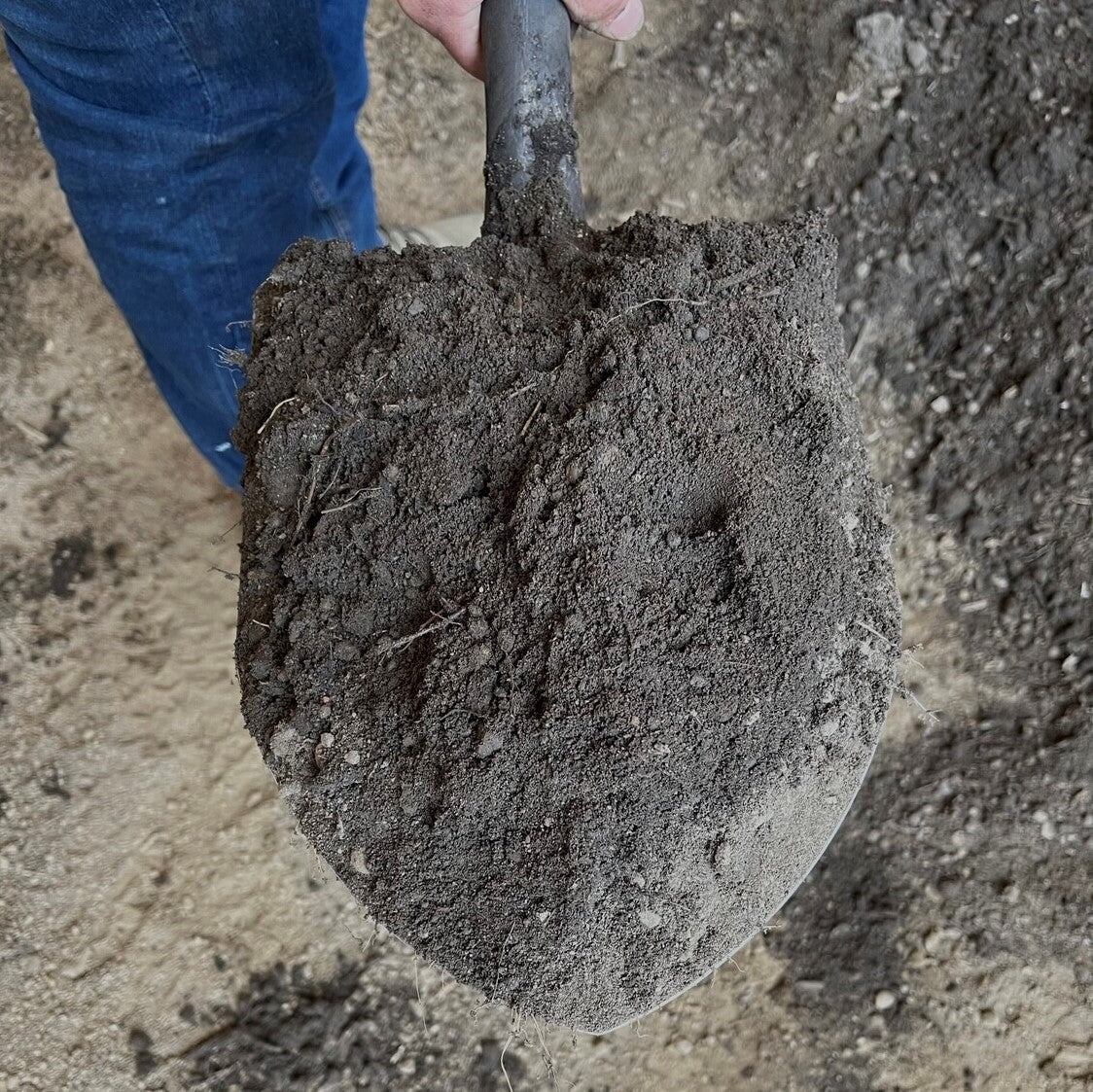
Start with your project footprint. Harrisburg lawn smoothing takes minimal depth while raised bed fills need 10 to 12 inches.
Use our free soil calculator
What is a yard?
A yard is approximately 27 cubic feet. As a general guideline, one yard of material can cover an area of about 100-160 square feet at a 2-3 inch depth.
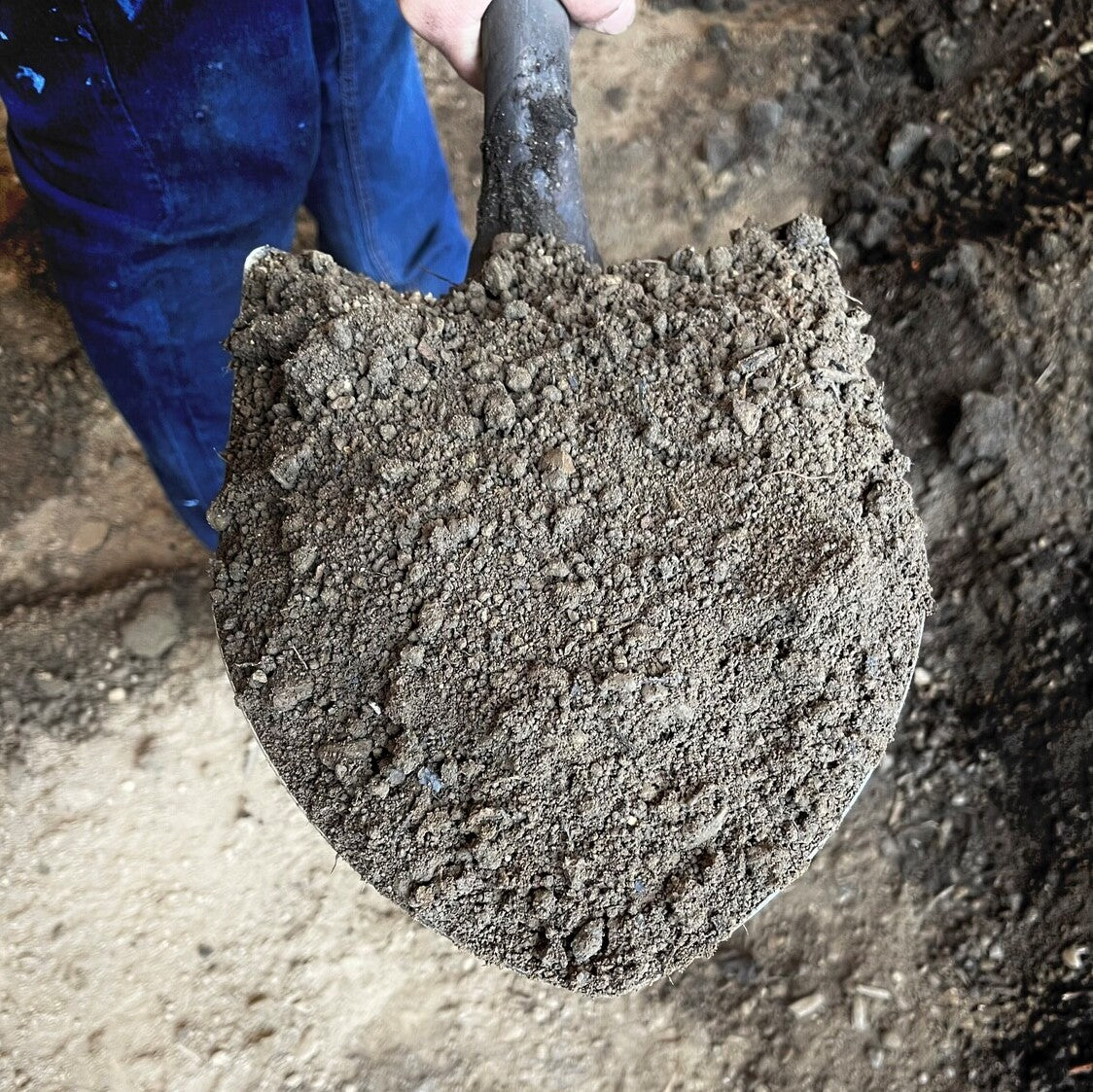
Spent mushroom substrate loaded with organic nutrients. Excellent for enriching garden beds, improving soil structure, and giving plants a slow release fertility boost.
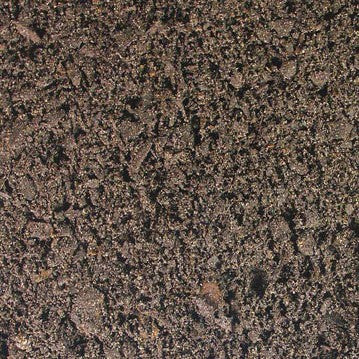
Engineered soil blend for rain gardens and bioretention areas. Balances drainage with moisture retention so stormwater filters naturally while plants thrive.
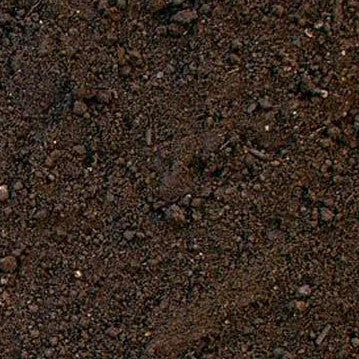
Screened topsoil filtered clean of rocks, roots, and debris. Smooth, consistent texture that is ready for lawns, gardens, raised beds, and finish grading.
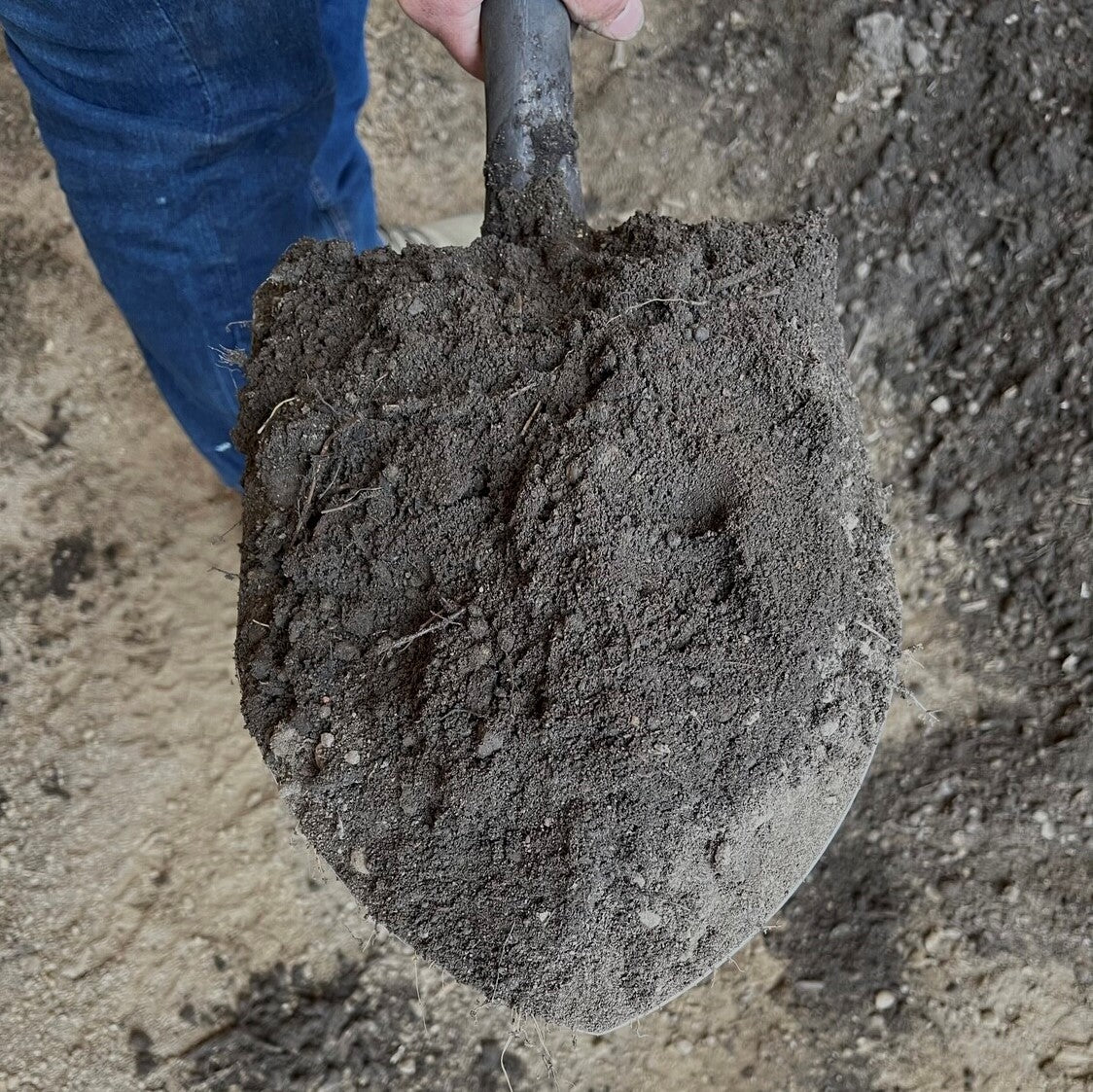
A balanced mix of topsoil and organic amendments ready for raised beds, flower gardens, and new planting areas. Good drainage, solid nutrients, easy to work with.
Screened topsoil filtered clean of rocks, roots, and debris. Smooth, consistent texture that is ready for lawns, gardens, raised beds, and finish grading.
Nutrient rich leaf compost that transforms tired soil. Improves structure, boosts water retention, and feeds the beneficial microorganisms that keep gardens healthy.
Quality topsoil for lawns, gardens, and landscape projects. Nutrient rich and ready to support strong root development and healthy plant establishment.
We ordered 3 yards of the garden soil, delivered mext day. We used in raised beds 6x3x2. It was more than needed for both but the soil looked good!...
Read full review
We ordered 3 yards of the garden soil, delivered mext day. We used in raised beds 6x3x2. It was more than needed for both but the soil looked good! I added some perlite to add some drainage since this is a little dense.
What's the difference between compost and topsoil?
Structure vs nutrition: topsoil provides the physical base; compost adds nutrients and improves texture. Use both together.
Answer
Can I add soil in summer?
You can, but it's tougher. Hot soil dries fast and plants stress during transplanting. Water well, work early or late, mulch immediately.
Answer
How do I improve drainage in heavy soil?
Work in lots of organic material: compost, aged manure, amendments. Harrisburg's river valley clay takes time to fix. Consider raised beds.
Answer
How is delivery priced?
Delivery cost depends on mileage. You'll see an estimate in cart and exact pricing when you enter your full address at checkout.
Answer
Do I need special soil for vegetables?
Yes—veggies want nutrient-rich, well-draining soil. Garden mix enriched with compost produces best results in Harrisburg.
Answer
How deep should garden soil be?
6–8 inches for flowers, 10–12 for vegetables, 12+ for raised beds. In Harrisburg's silt loam, deeper imported soil gives roots room above the river valley clay.
Answer
Why is my soil compacting?
Several factors: walking, rain, lacking organics. Harrisburg's silt loam tends to compact. Compost yearly and stay off wet beds.
Mulch Mound Pro Tip
Let new soil settle for at least two weeks before planting permanent trees and shrubs. Initial settling can leave plants sitting too high or create low spots that collect water around stems.
Mulch Mound Pro Tip
Most Harrisburg native soil needs improvement for growing ornamental plants successfully. Native plants adapted to local conditions over thousands of years. Nursery plants usually did not.
Mulch Mound Pro Tip
Rough up compacted subsoil with a garden fork before adding topsoil on top. This helps the layers bond together properly and prevents water from pooling at the interface between them.
The Unique Landscape of Harrisburg
Good soil is the base layer for Harrisburg planting—especially after cleanup, edging, or weed pulls. Wind, rain, and settling can thin beds and uncover roots near borders, so a fresh layer helps you re-level and plant cleanly. Use it for lawn patch prep, bed refreshes, and filling where old mulch was removed. Keep the finish slightly high—soil settles—then touch up after the first good rain. With delivery, you can focus on grading and planting instead of hauling bags.
