




Ordered Dirt. Received Dirt. Would Buy Again.
About this soil
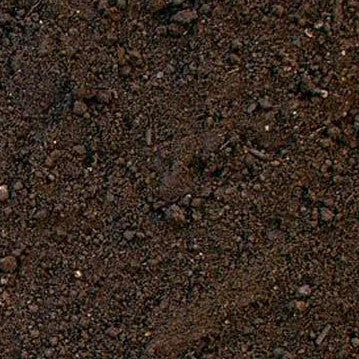
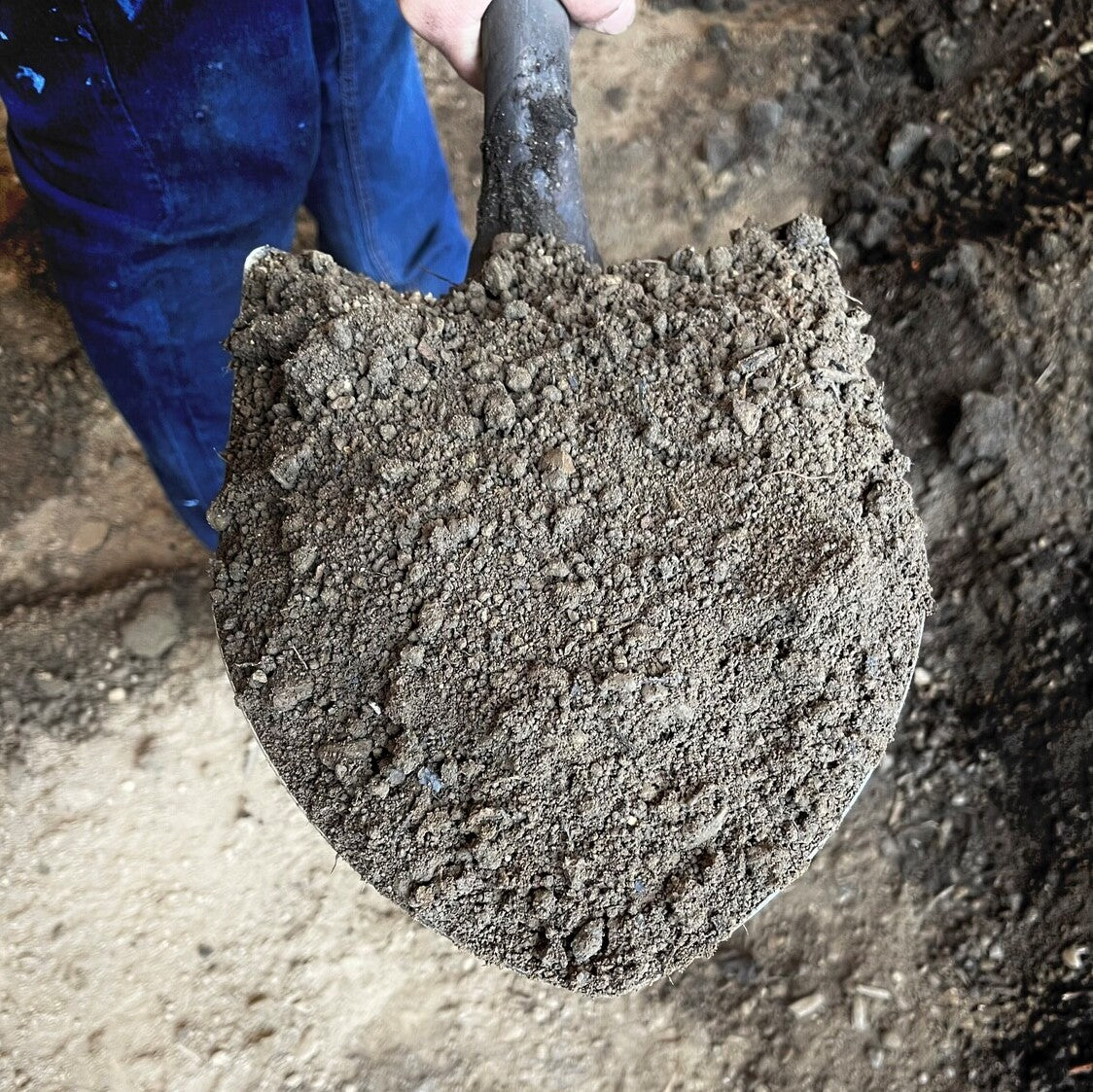
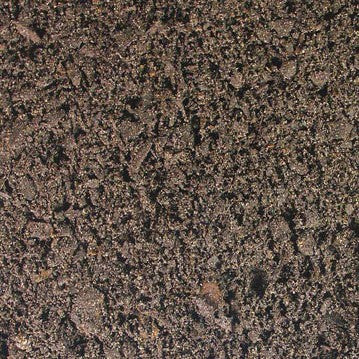
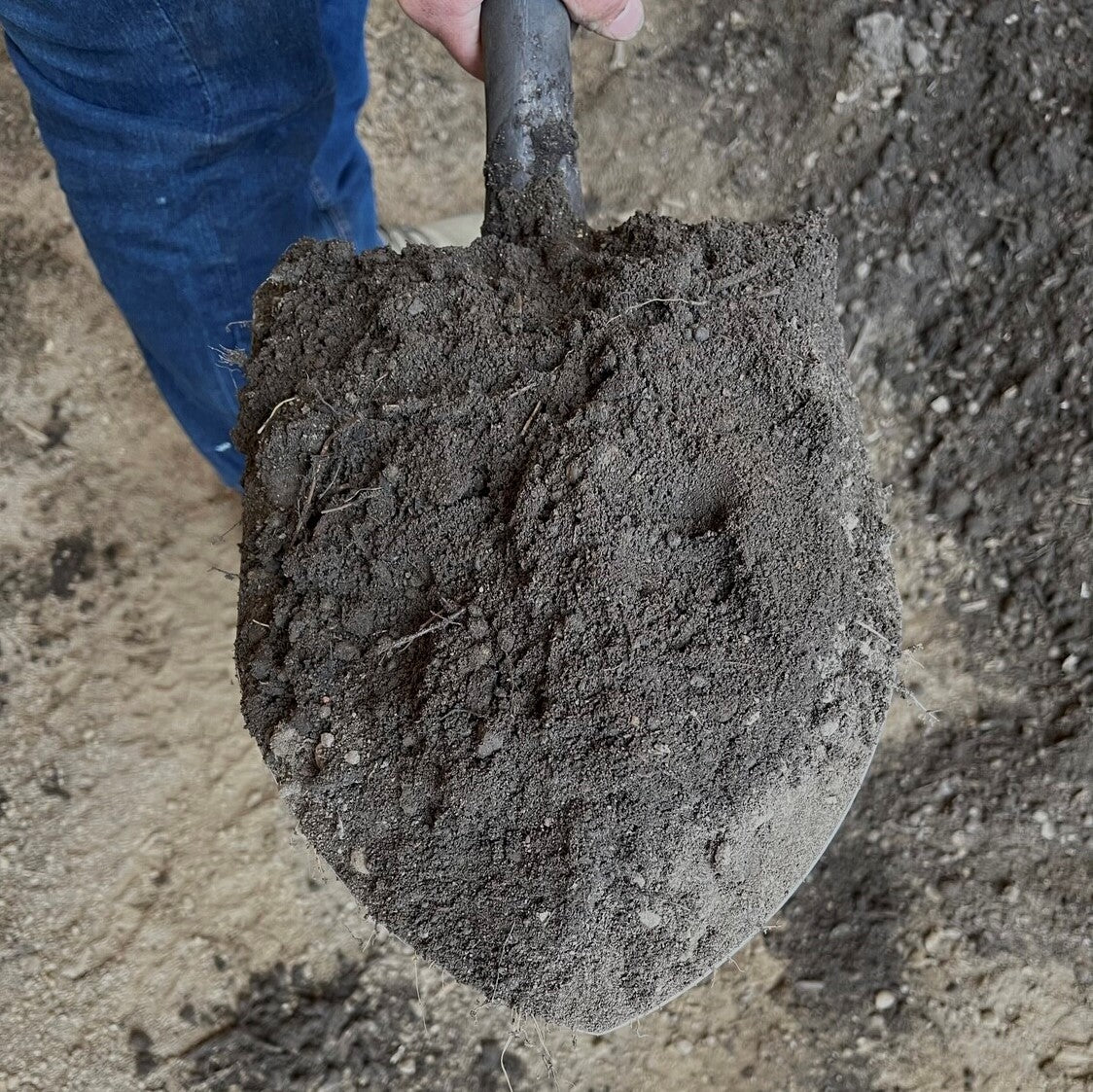
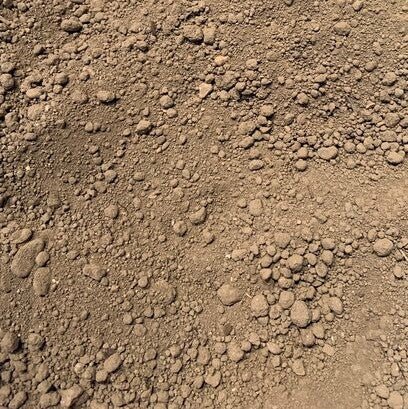
Quality topsoil for lawns, gardens, and landscape projects. Nutrient rich and ready to support strong root development and healthy plant establishment.
Ordered Dirt. Received Dirt. Would Buy Again.
Tell us what you're looking for
Thanks! We received your request.
Something went wrong. Please try again.
How Much Material Do I Need?
How Much Material Do I Need?
For garden beds in Hicksville, plan for at least 6 inches of new soil tilled into or laid over the sandy loam base to establish a root-friendly growing environment. Lawn leveling projects typically require a half-inch to one-inch topdressing, while raised bed builds need the full frame depth filled with quality blend.
Use our free soil calculator
What is a yard?
What is a yard?
FAQs
FAQs
Hicksville Soil Delivery
Hicksville Soil Delivery
Regular price
$73.00
per
yard
Regular price
Sale price
$73.00
Unit price
per
Shipping calculated at checkout.
Minimum of 3 yard
Couldn't load pickup availability
Not currently available
We can't take orders for this right now. Tell us what you need and we'll get back to you.
Hand-picked local yards
4,000+ regional deliveries
Dedicated support
Why order through Mulch Mound
The best local soil, without the guesswork.
We hand-pick and partner with the best yards in your region, keep only the ones our buyers rate well, and back each load with our guarantee.
Mulch Mound Guarantee
If your soil isn't the quantity or quality you ordered, we'll make it right.
About this soil
Quality topsoil for lawns, gardens, and landscape projects. Nutrient rich and ready to support strong root development and healthy plant establishment.
Ordered Dirt. Received Dirt. Would Buy Again.
How Much Material Do I Need?
How Much Material Do I Need?
For garden beds in Hicksville, plan for at least 6 inches of new soil tilled into or laid over the sandy loam base to establish a root-friendly growing environment. Lawn leveling projects typically require a half-inch to one-inch topdressing, while raised bed builds need the full frame depth filled with quality blend.
Use our free soil calculator
What is a yard?
What is a yard?
FAQs
FAQs
Tell us what you're looking for
Thanks! We received your request.
Something went wrong. Please try again.
How It Works
Getting started is easy — just follow these simple steps
1
Choose your soil
Make sure you adjust the quantity to your home's needs. You can use our calculator to estimate how much you'll need.
2
Select your delivery date
Select a delivery date you'd like for the product to be dropped off at your home
3
Sit back and wait
Sit back, wait, and let us work our magic to make sure the highest quality product is delivered to your driveway.


Placing an order online was so easy. Delivery was on time. When the driver realized we had a newly poured driveway they erred on the side of cautio...
Read full review
Placing an order online was so easy. Delivery was on time. When the driver realized we had a newly poured driveway they erred on the side of caution and opted not ti drive in it. The company even sent me a message explaining that call. Would recommend!
Need Help Calculating How Much Soil You Need?
Use our NEW Trace from Satellite tool to get an estimate for your project based on an aerial view of your property
Try Our CalculatorTo estimate soil for a Hicksville project, measure your area in feet and determine the desired depth of coverage in inches. Multiply length by width by depth in feet and divide by 27 to get cubic yards needed. For Hicksville's sandy loam base, err on the generous side when filling garden beds since the native soil will continue to drain quickly below whatever you add.
Soil Types We Deliver in Hicksville
Mulch Mound delivers bulk soil by the cubic yard directly to homes and properties throughout Hicksville. Long Island's naturally sandy, fast-draining ground often needs quality soil amendment before new lawns, gardens, or raised beds will perform their best. Our full-service delivery makes it easy to get the exact material you need, measured to your project.
Screened Top Soil
Our screened topsoil is processed to a fine, uniform texture that spreads and grades easily, making it a reliable base for new sod, lawn patches, and raised beds. Homes with compact or sandy yards across Long Island benefit from a generous layer to improve moisture retention and give grass a strong, even foundation.
Garden Compost
This nutrient-rich organic amendment improves the structure of naturally sandy Long Island soil, helping it hold water and feed plant roots over time. Standard garden compost blends easily into existing beds or new plantings, making it a practical choice for homeowners who want to grow vegetables, flowers, or shrubs with less ongoing effort.
Gardening Blend
A ready-to-use mix of topsoil and compost, our gardening blend delivers the right balance of drainage and organic matter for raised beds and new garden installs. It suits the typical suburban lot in Nassau County well, saving you the step of sourcing and combining multiple materials before planting day.
Complete Your Outdoor Soil Project
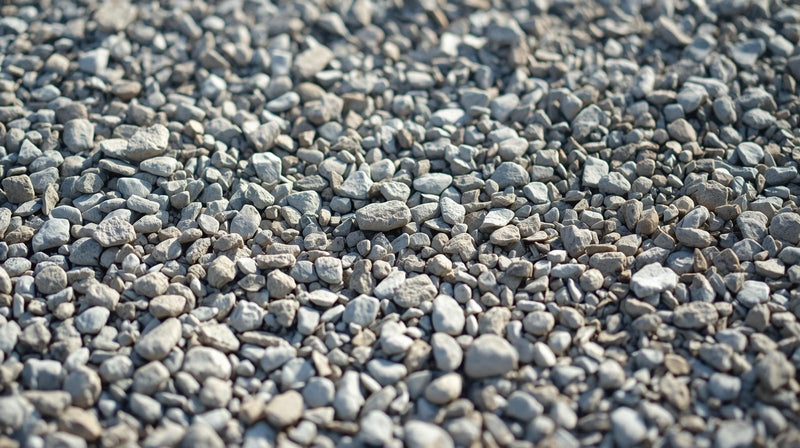
After your soil is in place, add a 3-inch layer of mulch over your new beds to protect the organic matter you just added from washing away during Hicksville's heavy spring rains. A border of decorative stone also helps keep loose soil contained within your beds and defines the edges of your planting areas with a clean, finished look.

Mulch Mound Pro Tip
When building new beds in Hicksville in early April, mix your imported soil into at least the top 6 inches of the native sandy loam rather than just placing it on top as a separate layer. This blended transition zone helps roots move from the nutrient-rich imported soil down into the native sandy loam without hitting a hard boundary that can trap water or restrict downward growth. Rotary tilling is the most efficient way to blend the two soil types across a full bed area.
Mulch Mound Pro Tip
Hicksville's growing season gives you a generous window from April 15 to November 1, but that long season also means your soil will be actively losing nutrients and organic matter throughout the summer. Incorporating compost-rich soil in spring and again in fall at the end of the season replenishes what the growing cycle depletes and keeps your beds productive year after year. Think of soil as a renewable resource that needs annual investment rather than a one-time fix.
Mulch Mound Pro Tip
Because Hicksville sits at only 149 feet in elevation and receives 46 inches of rain annually, low-lying areas of your yard can pool water during heavy spring and fall storms. Using bulk fill soil to grade these areas away from your foundation and toward natural drainage points is one of the best structural investments you can make in your property. Even a subtle 2 percent slope away from the house can redirect hundreds of gallons of water during a significant rain event.
The Unique Landscape of Hicksville
Hicksville's native sandy loam is workable and well-draining but it is also relatively low in the organic matter and nutrient content that garden beds and lawns need to thrive. When you bring in bulk topsoil or garden soil, you are directly addressing those deficiencies and giving your plants a better growing environment from the start. Grade work and lawn leveling projects in Hicksville benefit from quality fill soil because the existing sandy loam can settle unevenly over time, creating low spots that collect standing water after heavy spring rains. Raised bed gardening has grown increasingly popular in Hicksville precisely because imported soil allows homeowners to build a controlled growing environment above the native sandy loam. With a growing season that runs from the last frost around April 15 through the first frost around November 1, investing in proper soil preparation in early spring pays dividends across the entire gardening calendar. A quality bulk soil delivery is the foundation of every successful landscape improvement project in this area.